
A Unique Aspect of Florida Tourism
Florida, a state renowned for its pristine beaches, vibrant theme parks, and sprawling natural landscapes, also offers a distinct and highly regulated form of tourism: alligator hunting. Far from being an unregulated free-for-all, participating in an alligator hunt in the Sunshine State is a structured, legal activity managed by stringent state regulations. For visitors seeking an unparalleled outdoor adventure that delves into the state’s wild side, this unique activity presents an opportunity to engage directly with Florida’s iconic apex predator while contributing to conservation efforts. This activity is not merely a pursuit of sport; it is intricately woven into the state’s wildlife management strategy, aimed at maintaining a healthy and balanced alligator population. It offers a profound connection to the state’s ecological heritage and a thrilling experience for those who meet the necessary criteria. Understanding the regulatory framework, seasonal limitations, and ethical considerations is paramount for anyone considering this exceptional Florida experience, ensuring a responsible and memorable engagement with one of the world’s oldest living reptiles. It represents a niche but significant component of Florida’s diverse tourism offerings, attracting adventurers from across the globe keen to experience a wilderness pursuit unlike any other.
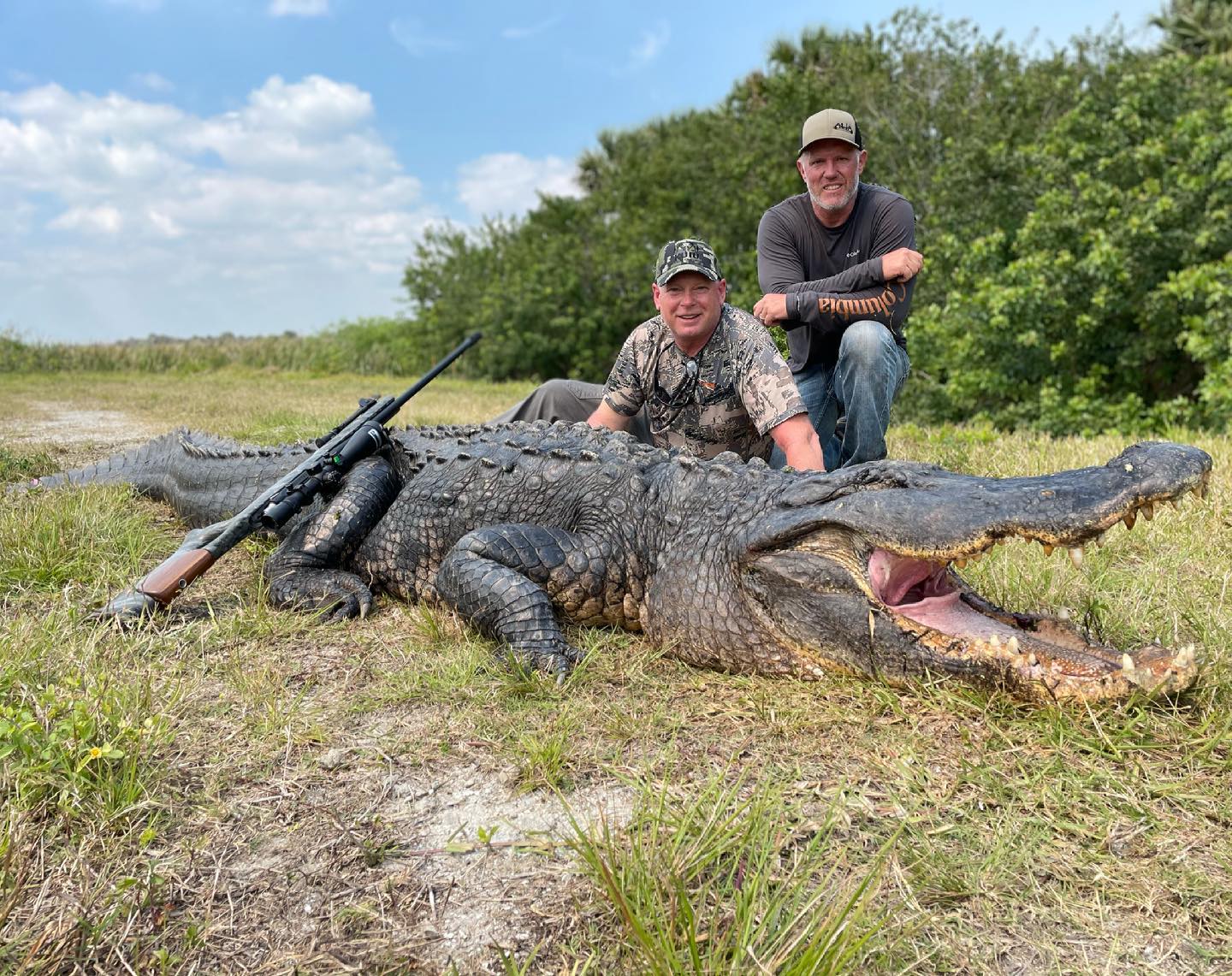
The Florida Alligator Hunting Season: What Tourists Need to Know
For tourists interested in the unique activity of alligator hunting in Florida, understanding the specific rules and seasonal regulations is the first crucial step. The entire program is meticulously managed by the Florida Fish and Wildlife Conservation Commission (FWC), which ensures sustainability and public safety.
Permitting and Licenses
Participation in the Statewide Alligator Harvest Program requires specific permits issued by the FWC. These are not simply over-the-counter licenses; rather, they are allocated through a highly competitive lottery system. Non-residents are eligible to apply, making it an accessible, albeit challenging, opportunity for tourists. Applicants typically register their interest online, indicating their preferred management unit and hunt period. The system is designed to distribute hunting pressure across various public waters and ensure that the harvest remains within sustainable limits. Successful applicants receive an Alligator Trapping License and two alligator harvest tags. It is essential to understand that obtaining a permit is the gateway to this activity, and without it, any attempt to hunt alligators is illegal and subject to severe penalties. The application period usually opens in May, with drawings conducted shortly thereafter, necessitating advance planning for any tourist hoping to secure a permit for the upcoming season.
Season Dates
The recreational alligator hunting season in Florida typically runs from August 15 through November 1 of each year. This period is further divided into four distinct harvest phases, or “hunt periods,” each lasting approximately two weeks. This staggered approach helps manage hunter density and harvest rates. For instance, the first period might run from August 15 to August 24, followed by subsequent periods. The exact dates are published annually by the FWC, and prospective hunters must adhere strictly to these timeframes. Hunting outside of a designated period for which one holds a permit is a violation of state law. These dates are chosen to balance biological considerations, such as alligator breeding cycles and cooler weather, with accessibility for hunters. Tourists planning their trip must align their visit with these specific windows to participate legally.
Allocation and Tags
Each alligator harvest permit holder is allocated two alligator tags. These tags correspond to the two alligators that the hunter is legally allowed to take during their specified hunt period and within their designated management unit. The tags must be immediately affixed to the carcass of any harvested alligator, serving as proof of legal take and aiding in tracking harvest data for conservation purposes. The specific management units are geographical areas delineated by the FWC, often encompassing specific lakes, rivers, or canal systems across Florida. Hunters must operate strictly within the boundaries of their assigned unit. The careful allocation of tags and units ensures that the statewide harvest remains within scientific quotas, contributing to the long-term health and stability of Florida’s alligator population. This systematic approach underscores the FWC’s commitment to responsible wildlife management and provides a controlled environment for this unique tourism activity.
Participating as a Tourist: Guided Alligator Hunts
For tourists, particularly those from out-of-state or with limited hunting experience, navigating the complexities of Florida’s alligator hunting regulations and practicalities can be challenging. Engaging a professional, licensed guide or outfitter is often the most practical and recommended approach to ensure a safe, legal, and successful experience.
Why a Guide is Essential
A professional alligator hunting guide offers invaluable expertise and resources. Firstly, they possess intricate knowledge of the local waterways, alligator behavior, and prime hunting spots within designated management units. This local intelligence is critical, as alligators are highly elusive. Secondly, guides provide all necessary specialized equipment, which can be extensive and expensive, including boats, harpoons, bang sticks, and retrieval gear. This eliminates the significant upfront investment for a tourist. Thirdly, guides are intimately familiar with FWC regulations, ensuring that all aspects of the hunt comply with state law, from methods of take to tag placement and reporting requirements. Their experience significantly enhances safety, a paramount concern when dealing with powerful wild animals. Moreover, guides can handle the logistical challenges, such as hide and meat processing, after a successful harvest, offering a complete service that simplifies the experience for visitors.
Finding a Reputable Outfitter

Selecting a reputable outfitter is crucial for a positive and ethical hunting experience. Tourists should seek guides who are properly licensed by the State of Florida and have a strong track record of safety and client satisfaction. Researching online reviews, checking professional affiliations, and requesting references are good practices. Outfitters specializing in alligator hunts often operate in regions known for healthy alligator populations, such as the vast wetlands of the Everglades, or around large freshwater lakes like Lake Okeechobee and the numerous river systems throughout the state. It is advisable to communicate clearly about what is included in the hunting package, such as equipment, processing, and any accommodation or transportation. A reputable guide will transparently discuss costs, expected outcomes, and the legal framework of the hunt, ensuring there are no surprises for the tourist.
What to Expect on a Guided Hunt
An alligator hunt is typically an intense and physically demanding experience, often taking place at night when alligators are most active. Hunters usually venture out in airboats or flat-bottomed boats designed for shallow water. The primary method involves locating alligators using powerful spotlights, as their eyes reflect light distinctively. Once an alligator is spotted and approached, various capture methods may be employed, including hook-and-line, snatch hooks, gigs, or harpoons, to secure the animal. After the alligator is safely subdued and brought alongside the boat, a bang stick (a pole-mounted firearm designed for humane dispatch) is used to dispatch it quickly and humanely. Safety briefings are always conducted by guides, covering proper handling of equipment and emergency procedures. The experience is highly immersive, offering a unique perspective on Florida’s nocturnal wildlife and the challenges of wilderness pursuit. It’s an adventure that requires patience, quick reflexes, and a respect for the power of these ancient reptiles.
Costs Involved
The financial investment for an alligator hunt can vary significantly. Permit fees from the FWC are relatively modest, typically under $300 for non-residents, which includes the application fee, trapping license, and two tags. However, the most substantial cost comes from engaging a professional guide service. Guided hunt packages can range from $1,500 to $5,000 or more, depending on the duration of the hunt, the size of the alligator pursued, the reputation of the outfitter, and included services (e.g., accommodation, processing, taxidermy). These fees cover the guide’s expertise, specialized equipment, boat usage, fuel, and often preliminary scouting. Additional costs may include travel to Florida, lodging, meals, and gratuities for the guide. While a significant investment, the cost reflects the unique nature of the activity, the specialized skills required, and the extensive resources provided to ensure a safe and memorable experience.
The Ethics and Conservation Behind Florida Alligator Hunting
Beyond the thrill of the hunt, the Statewide Alligator Harvest Program in Florida is rooted in sound conservation principles and contributes significantly to the state’s ecological and economic well-being. Understanding this broader context enhances the appreciation for this unique tourism activity.
Population Management
Florida’s alligator population is one of the most robust in the United States, estimated to be over 1.3 million individuals. This healthy population is a conservation success story, rebounding from near extinction in the mid-20th century. The FWC’s regulated hunting program plays a vital role in maintaining this balance. By issuing a limited number of permits and tags, the FWC ensures that the alligator population remains stable and does not exceed the carrying capacity of its habitats. Controlled harvesting helps to prevent overpopulation, which could lead to increased human-alligator conflicts, ecological stress on other species, and potential disease outbreaks within the alligator population itself. This proactive management strategy underscores that regulated hunting is not solely about recreation but serves as a critical tool in modern wildlife conservation, ensuring the long-term health of the species and its ecosystem.
Economic Impact
The alligator hunting season generates substantial economic activity across Florida. Hunters, including tourists, spend money on permits, guide services, equipment, transportation, lodging, food, and other related services. This influx of revenue supports local businesses, creates jobs, and contributes to the state’s tax base. A portion of the permit fees directly funds the FWC’s conservation initiatives, including habitat preservation, research, and law enforcement efforts crucial for protecting all wildlife in Florida. Furthermore, the value of alligator hides and meat, which are often processed and sold after a successful hunt, contributes to the agricultural and fashion industries, adding another layer to the economic benefits. Thus, participants in the alligator harvest are not just engaging in an activity but are also indirectly contributing to the state’s economy and its ongoing commitment to environmental stewardship.
Responsible Tourism
Engaging in alligator hunting as a tourist carries a significant responsibility. Adhering strictly to all FWC regulations is paramount, not only for legality but also for ethical reasons. This includes respecting bag limits, using approved hunting methods, and ensuring humane dispatch of animals. Responsible tourism also extends to supporting outfitters and guides who demonstrate a clear commitment to ethical hunting practices and conservation principles. By choosing licensed, reputable professionals, tourists can ensure their experience aligns with sustainable wildlife management goals. Furthermore, understanding the cultural and ecological context of alligator hunting—acknowledging its role in population control and its historical significance in Florida—enhances the value of the experience. It transforms a mere hunt into an informed participation in a complex system designed to preserve Florida‘s unique natural heritage for future generations.

Beyond the Hunt: Other Alligator-Related Activities in Florida
For those drawn to the allure of Florida’s alligators but perhaps not inclined towards hunting, the state offers numerous alternative activities that provide incredible opportunities to observe and learn about these fascinating reptiles in their natural habitat. Florida is rich with experiences that cater to various interests, all centered around its iconic wildlife.
One of the most popular ways to encounter alligators is through an airboat tour. Operators across the state, particularly in the Everglades and various freshwater marshes, offer thrilling rides that skim across the water, providing up-close views of alligators, birds, and other native wildlife. These tours are often accompanied by knowledgeable guides who share insights into the ecosystem and alligator behavior, making for an educational and exhilarating experience. Locations like Everglades National Park and many state parks provide ranger-led programs and designated viewing areas, offering safer and more controlled environments to observe these creatures.
Dedicated wildlife attractions also provide unique alligator encounters. Gatorland in Orlando, often dubbed the “Alligator Capital of the World,” is a classic Florida attraction that features thousands of alligators and crocodiles, live shows, and educational exhibits. Visitors can learn about alligator biology, conservation, and even witness daring feats by professional alligator handlers. Similarly, various nature centers and wildlife refuges throughout Florida offer boardwalks and observation decks that provide safe vantage points for viewing alligators in their natural settings without disturbing them. These experiences provide a comprehensive understanding of alligators and their vital role in Florida’s wetlands, ensuring that every visitor can connect with these ancient predators in a way that best suits their comfort level and interests.
LifeOutOfTheBox is a participant in the Amazon Services LLC Associates Program, an affiliate advertising program designed to provide a means for sites to earn advertising fees by advertising and linking to Amazon.com. Amazon, the Amazon logo, AmazonSupply, and the AmazonSupply logo are trademarks of Amazon.com, Inc. or its affiliates. As an Amazon Associate we earn affiliate commissions from qualifying purchases.