
Navigating the Digital Landscape of the Florida Lottery
For visitors planning a trip to the Sunshine State or individuals with a vested interest in Florida’s local activities, the question of participating in the Florida Lottery online frequently arises. As digital convenience increasingly shapes consumer behavior across various sectors, including tourism and entertainment, understanding the state’s stance on remote lottery play is crucial. Currently, the official position of the Florida Lottery is unambiguous: direct online ticket sales are not available to the public. Unlike some other states that have embraced digital lottery platforms, Florida maintains a traditional, in-person sales model. This means that to purchase a ticket for games like Powerball, Mega Millions, Lotto, or scratch-offs, one must physically visit an authorized retailer within the state’s borders.
The Florida Lottery’s Official Position
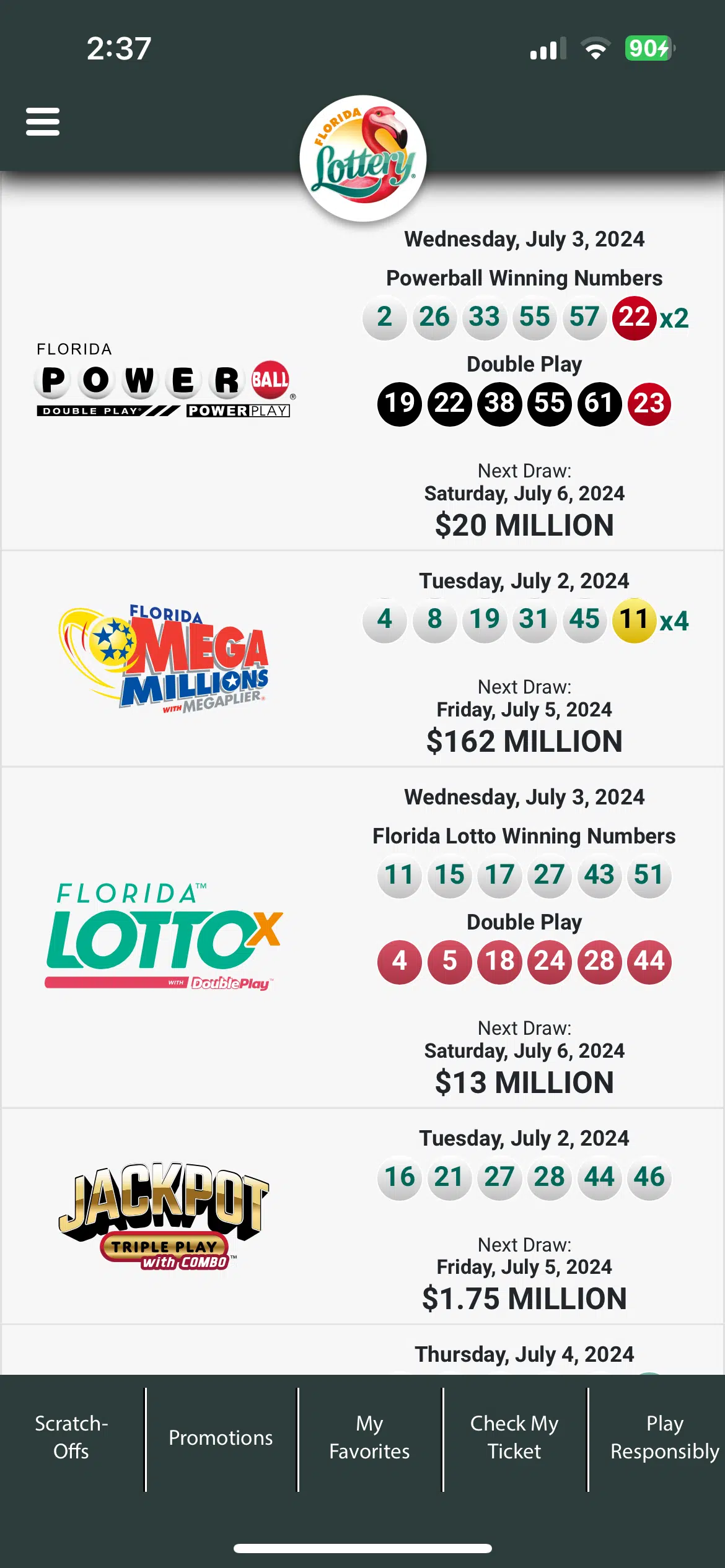
The mandate of the Florida Lottery is to maximize revenues for education while operating with integrity and security. Part of maintaining this integrity, in the eyes of state legislators and lottery officials, has historically been the physical point of sale. This ensures age verification, prevents cross-border sales to individuals in jurisdictions where lottery play might be restricted, and supports a vast network of local businesses. The official Florida Lottery website and mobile applications serve primarily as informational tools, providing drawing results, game details, and retailer locations. While these digital platforms offer convenience for checking numbers and staying informed, they do not facilitate the actual purchase of lottery tickets. This distinction is vital for anyone considering participating, especially those visiting from out-of-state who might assume a digital option is universally available. The current framework emphasizes face-to-face interaction, a traditional aspect that, for some, adds to the charm and local flavor of the experience, aligning with certain aspects of authentic tourism.
Understanding Florida’s Gaming Regulations
Florida’s gaming landscape is complex and tightly regulated. While the state has permitted pari-mutuel wagering, tribal casinos like those operated by the Seminole Tribe of Florida, and charitable gaming, the expansion of state-run lottery services into the online realm has moved cautiously. Legislation surrounding gambling in Florida is subject to intense debate and often involves significant legal and economic considerations. The existing laws prioritize a controlled environment for lottery sales, focusing on preventing problem gambling, ensuring minors do not participate, and maintaining a clear revenue stream for educational programs. Any move towards online lottery sales would require substantial legislative changes, a comprehensive regulatory framework, and potentially new technological infrastructure. These are not minor undertakings and often involve extensive public discourse, lobbying efforts from various stakeholders, and thorough economic impact studies. For the discerning tourist or local, understanding this regulatory backdrop explains why the Florida Lottery remains primarily a brick-and-mortar operation, embedding itself within the local retail economy as a familiar and accessible activity.
Exploring Alternatives for Remote Participation
Given the current lack of official online ticket sales for the Florida Lottery, many individuals, particularly those outside the state or simply seeking digital convenience, look for alternative methods to participate. It’s crucial for anyone interested in Florida’s local activities to understand both the legitimate and illegitimate pathways, and the inherent risks associated with unofficial channels. While the appeal of playing remotely is strong, especially for popular draws like Powerball or Mega Millions with their massive jackpots, adhering to legal and secure methods is paramount.
Purchasing Tickets Through Third-Party Services
A growing number of third-party lottery courier services have emerged, claiming to facilitate online play for state lotteries that do not officially offer it. These services typically operate by having a representative physically purchase a lottery ticket on behalf of a customer who placed an order online. The courier then often scans the ticket and uploads it to the customer’s account, retaining the physical ticket as proof of purchase. While some of these services operate within a grey area of legality, others may be fully compliant with certain state laws, often framing themselves not as lottery retailers, but as a purchasing agent or concierge service. However, it is imperative to thoroughly research any such service. Verify their reputation, review their terms and conditions, and understand how they handle winnings, especially large jackpots. The official Florida Lottery does not endorse or guarantee tickets purchased through third-party services, and there can be significant legal and logistical challenges should a dispute or claim arise. For a tourist, relying on such services means entrusting a significant potential payout to an entity separate from the official state lottery.
The Risks of Unofficial Online Platforms
Beyond courier services, there are numerous websites and apps that claim to sell lottery tickets online for various state lotteries, including Florida’s. Many of these are unregulated, unauthorized, and potentially fraudulent. Engaging with such platforms carries substantial risks, including identity theft, financial fraud, and the possibility that any “winnings” will never be paid out. These platforms often operate outside of any legal jurisdiction, making it nearly impossible to seek recourse if issues arise. They can also expose users to malware or phishing scams. The Florida Lottery has consistently warned the public against using unofficial online channels, emphasizing that the only legitimate way to purchase a ticket is from an authorized retailer. For anyone interested in engaging with Florida’s local activities, including the lottery, exercising extreme caution and skepticism when encountering online offers for lottery tickets is a critical tourism tip to ensure a safe and enjoyable experience.
Visiting Florida to Play: A Tourism Incentive
Paradoxically, the very absence of online lottery sales can serve as a subtle tourism driver. For enthusiasts of specific lottery games or those simply looking for a novel experience, physically visiting Florida to purchase tickets becomes part of the travel itinerary. This incentivizes visitors to explore local neighborhoods, visit gas stations, convenience stores, or grocery stores that double as lottery retailers. Engaging with the lottery in this traditional manner can become a small, authentic part of the Florida experience, much like trying local cuisine or visiting popular attractions in Miami, Orlando, or Tampa. The act of purchasing a ticket adds to the local flavor and contributes directly to the state’s economy through sales tax and, ultimately, educational funding. For a visitor, this hands-on engagement with a local institution becomes a unique activity, differentiating it from purely digital forms of entertainment and reinforcing the connection between the lottery and the physical destination of Florida.

The Economic and Cultural Impact of the Florida Lottery on Tourism
Beyond the question of online accessibility, the Florida Lottery plays a significant role in the state’s economic and cultural fabric, intertwining with its vibrant tourism industry in various ways. While not a primary attraction, its pervasive presence and substantial contributions to public services make it a noticeable element of the Florida experience.
Funding Education: A Pillar of Florida’s Public Services
Since its inception, the fundamental mission of the Florida Lottery has been to generate revenue for public education. Billions of dollars have been transferred to the Educational Enhancement Trust Fund, supporting everything from K-12 classrooms to university scholarships. This commitment to education indirectly bolsters Florida’s appeal as a destination. A strong educational system contributes to a skilled workforce, innovative research, and a higher quality of life, all of which enhance the state’s infrastructure and overall environment for both residents and visitors. When a tourist purchases a lottery ticket, they are not just buying a chance to win; they are also contributing, however small, to the very public services that underpin the state’s ability to host and support its thriving tourism industry. This aspect often goes unnoticed but forms a crucial part of the state’s operational backbone.
Retailer Network as a Local Touchpoint
The requirement for in-person ticket purchases has cultivated a vast network of authorized retailers across Florida. These retailers, ranging from local convenience stores and gas stations to large supermarkets, serve as essential local touchpoints. For a tourist, stopping at one of these establishments to buy a lottery ticket can be a minor but authentic interaction with local commerce. It offers a glimpse into daily life in Florida, supporting small businesses and contributing to the local economy. Unlike online transactions, these physical interactions provide a sense of place and community. The presence of lottery signs and displays in shops is a ubiquitous sight, making the Florida Lottery an easily accessible and recognizable local activity for anyone exploring the state, from the bustling streets of Miami to the serene towns of the Florida Keys.
Lottery as a Tourist Activity or Souvenir
While perhaps not on par with a visit to a theme park or a day at the beach, participating in the Florida Lottery can be considered a unique, low-cost activity for visitors. For many, the allure of potentially winning a life-changing jackpot, even with long odds, is an exciting prospect. A scratch-off ticket purchased on a whim can provide a moment of anticipation, a small gamble that adds a spark of thrill to a vacation. Furthermore, winning a minor prize from a Florida scratch-off ticket can even become a memorable, albeit small, souvenir of their trip. This spontaneous engagement often fosters conversations and shared experiences, enhancing the overall tourism narrative of exploration and discovery within the state.
Future Prospects: The Evolution of Online Gaming in Florida
The discussion surrounding online lottery play in Florida is far from settled. While the current stance remains traditional, the broader trends in digital entertainment and gaming, coupled with evolving legislative landscapes in other states, suggest that the future of online lottery in Florida could see significant changes. Understanding these potential shifts is important for anyone following the intersection of Florida’s gaming industry and its tourism sector.
Legislative Debates and Public Opinion
Any move to introduce online lottery sales in Florida would necessitate robust legislative debate. Proponents often highlight the potential for increased revenue, which could further boost funding for education without increasing taxes. They also point to the convenience for residents and visitors, suggesting that an online option could tap into a younger, more digitally-native demographic. Opponents, however, raise concerns about the potential for increased problem gambling, the impact on existing brick-and-mortar retailers, and the complexities of age verification in an online environment. Public opinion also plays a crucial role, with sentiments often divided between embracing modern conveniences and preserving traditional models. These ongoing debates are often influenced by the performance of online lotteries in other states and the continuous evolution of responsible gaming technologies.
Lessons from Other States
Several states across the United States have successfully implemented online lottery sales, offering valuable case studies for Florida. States like Michigan, Pennsylvania, and Georgia have launched digital platforms for purchasing tickets, reporting significant increases in lottery revenue, much of which is dedicated to public programs. These states have also developed sophisticated age verification and geolocation technologies to ensure compliance with legal requirements and prevent underage gambling. Florida legislators and lottery officials will likely continue to observe these models, learning from their successes and challenges, as they weigh the potential benefits and drawbacks of a similar system for the Sunshine State. The experiences of these pioneering states provide a roadmap for how Florida might eventually integrate online lottery sales while maintaining regulatory control and social responsibility.
Potential Benefits for Florida’s Economy and Tourism Sector
Should Florida eventually embrace online lottery sales, the implications for its economy and tourism sector could be substantial. The primary benefit would be a significant boost in revenue for educational funding, strengthening a core public service that indirectly supports the state’s attractiveness. For the tourism sector, an online lottery could offer another layer of engagement for visitors. Imagine a tourist in Orlando or Fort Lauderdale who could conveniently purchase a ticket via an official app, adding a modern and accessible leisure activity to their trip without needing to seek out a physical retailer. This could enhance the overall visitor experience, particularly for those who prefer digital interactions. While the traditional act of buying a ticket in a local store holds its own charm, an online option would cater to a wider array of preferences, potentially broadening participation and further integrating the Florida Lottery into the diverse recreational opportunities that make Florida a world-class destination. The journey towards online lottery play in Florida is an ongoing narrative, one that intertwines technological advancement with legislative foresight, all while considering its profound impact on local culture and the robust tourism industry.
LifeOutOfTheBox is a participant in the Amazon Services LLC Associates Program, an affiliate advertising program designed to provide a means for sites to earn advertising fees by advertising and linking to Amazon.com. Amazon, the Amazon logo, AmazonSupply, and the AmazonSupply logo are trademarks of Amazon.com, Inc. or its affiliates. As an Amazon Associate we earn affiliate commissions from qualifying purchases.