
Florida, often lauded as the Sunshine State, is a motorcyclist’s paradise, offering miles of scenic coastal roads, vibrant cityscapes, and diverse natural beauty. From cruising along U.S. Route 1 through the Florida Keys to exploring the historic streets of St. Augustine or the bustling avenues of Miami, the freedom of two wheels is undeniably appealing. However, before embarking on your Florida adventure, a crucial question arises for both residents and visitors alike: what are the insurance requirements for motorcycles? The answer, as with many legal matters, is nuanced and involves understanding Florida’s specific regulations.
Navigating Florida’s Motorcycle Insurance Landscape
Unlike cars, which are subject to a strict no-fault insurance system in Florida, motorcycles operate under a slightly different set of rules. This distinction is critical for anyone planning to ride in the state.
The Sunshine State’s Unique No-Fault System
Florida is one of a handful of states that operate under a “no-fault” car insurance system. This means that after a car accident, each driver typically turns to their own insurance company for medical expenses, regardless of who caused the collision. This system is primarily driven by Personal Injury Protection (PIP) coverage, which is mandatory for all four-wheeled vehicles. PIP covers 80% of medical bills and 60% of lost wages, up to $10,000, irrespective of fault.
PIP Exemptions for Motorcyclists
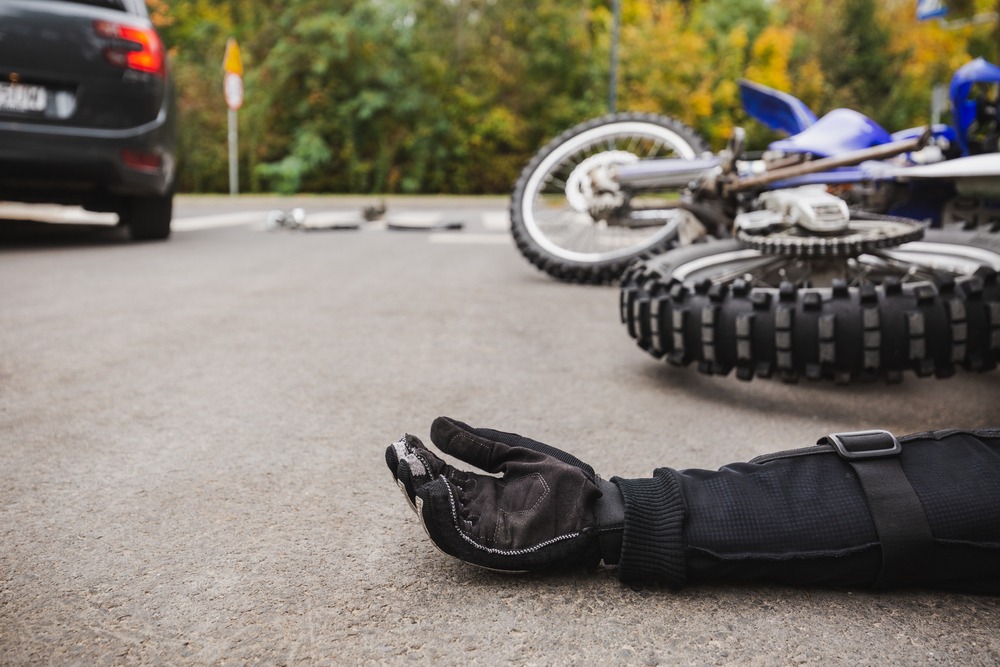
Here’s where the primary difference lies for motorcyclists: motorcycles are generally exempt from Florida’s mandatory PIP coverage requirement. This might sound like a relief, but it carries significant implications. Without mandatory PIP, motorcyclists do not automatically have the “no-fault” medical coverage that car drivers do. This means that if you are involved in an accident and are injured, you would typically need to rely on your own health insurance, other medical payments coverage, or pursue a claim against the at-fault driver’s Bodily Injury Liability insurance.
Minimum Liability Requirements
While PIP is not mandated, Florida law does require financial responsibility from motorcyclists. If you are involved in an accident that causes injury or property damage, you are legally responsible for those costs. The most common way to meet this financial responsibility is by carrying adequate liability insurance.
Specifically, if you are convicted of certain traffic offenses (like a DUI), or if you are found at fault in an accident resulting in bodily injury or property damage, the Florida Department of Highway Safety and Motor Vehicles (FLHSMV) may require you to provide proof of financial responsibility. This typically means obtaining insurance that meets the following minimums:
- $10,000 for Bodily Injury Liability per person
- $20,000 for Bodily Injury Liability per accident
- $10,000 for Property Damage Liability
Alternatively, you could provide a bond or cash deposit of $30,000 to the FLHSMV. However, for the vast majority of riders, carrying an insurance policy is the most practical and prudent way to meet these requirements.
It’s crucial to understand that while these are the minimums, they are often insufficient to cover significant expenses arising from a serious accident. Many riders opt for higher limits to ensure greater protection.
Understanding Your Coverage Options
Given the specific legal framework in Florida, understanding the various types of motorcycle insurance coverage available becomes paramount. This knowledge is not just about compliance; it’s about safeguarding your financial future and ensuring peace of mind during your rides across the Sunshine State.
Bodily Injury Liability
This coverage protects you financially if you are at fault for an accident that causes injury or death to another person. It pays for their medical expenses, lost wages, and pain and suffering, up to your policy limits. As mentioned, minimums are $10,000 per person/$20,000 per accident, but higher limits are highly recommended.
Property Damage Liability
Similar to Bodily Injury Liability, this coverage pays for damages you cause to another person’s property in an accident for which you are at fault. This could include damage to another vehicle, a fence, a building, or other personal property. The minimum required in Florida is $10,000, but repair costs for modern vehicles can quickly exceed this.
Uninsured/Underinsured Motorist Coverage (UM/UIM)
This is an incredibly valuable, though optional, coverage, especially in Florida where many drivers (car and motorcycle) may carry only minimum liability or, worse, no insurance at all. If an uninsured or underinsured driver causes an accident and injures you, UM/UIM coverage will pay for your medical expenses, lost wages, and pain and suffering, up to your policy limits. Given the high rates of uninsured drivers in some areas, this coverage offers vital protection.
Medical Payments (MedPay)
Since motorcycles are exempt from PIP, Medical Payments (MedPay) coverage becomes an essential consideration. MedPay is an optional coverage that pays for reasonable and necessary medical expenses for you and your passengers, regardless of who is at fault for the accident. It typically covers expenses like ambulance services, hospital stays, doctor visits, and X-rays, up to the policy limit. This can bridge the gap between an accident and a liability settlement or your primary health insurance kicking in, and it often covers deductibles or co-pays that your health insurance might require.
Comprehensive and Collision Coverage
These coverages protect your own motorcycle.
- Collision coverage pays for damages to your bike if you hit another vehicle or object, or if it overturns, regardless of fault.
- Comprehensive coverage protects your motorcycle from non-collision incidents such as theft, vandalism, fire, natural disasters (like hurricanes prevalent in Florida), and hitting an animal.
If you have a loan or lease on your motorcycle, your lender will almost certainly require you to carry both Comprehensive and Collision Coverage. Even if your bike is paid off, these coverages are highly recommended to protect your investment.
Accessories and Custom Parts Coverage
Many motorcycle enthusiasts personalize their bikes with custom paint jobs, chrome, upgraded parts, and other accessories. Standard Comprehensive and Collision Coverage often includes a small amount of coverage for these additions, but it’s usually minimal. If you’ve invested significantly in customizing your motorcycle, you’ll want to inquire about specific accessories and custom parts coverage to ensure these unique elements are adequately protected.
Practical Considerations for Riders in Florida
Beyond insurance, there are several other practical aspects crucial for any motorcyclist planning to ride in Florida. These considerations enhance safety, ensure legal compliance, and contribute to a smoother travel experience.
Helmets and Safety Gear
Florida has specific helmet laws. While riders over the age of 21 who have an insurance policy providing at least $10,000 in medical benefits for injuries incurred in a motorcycle crash are exempt from mandatory helmet use, wearing a helmet is always a wise safety precaution. For riders under 21, a U.S. Department of Transportation (DOT) compliant helmet is mandatory. Regardless of age or insurance, wearing appropriate safety gear, including eye protection, sturdy jackets, gloves, and boots, significantly reduces the risk of serious injury.
Motorcycle Endorsement and Licensing
To legally operate a motorcycle in Florida, you must have a motorcycle endorsement (“M” endorsement) on your Florida driver’s license, or a valid motorcycle-specific license from another state or country if you are a visitor. Obtaining this endorsement typically involves completing a basic rider course approved by the Motorcycle Safety Foundation (MSF) and passing a written and skills test. Ensure your licensing is up to date before hitting the roads.
Registering Your Motorcycle
All motorcycles operated in Florida must be properly registered with the FLHSMV and have a valid license plate. If you’re a new resident, you typically have a short grace period to transfer your out-of-state registration. Visitors with properly registered bikes from their home state are generally fine for the duration of their visit.
Choosing the Right Insurance Provider
Not all insurance providers are created equal, especially when it comes to motorcycles. Look for companies that specialize in motorcycle insurance or have robust motorcycle divisions. They often understand the unique risks and needs of riders, offering specialized coverages like roadside assistance, custom parts protection, and even rental reimbursement specifically for motorcycles. Compare quotes from several reputable insurers to find the best balance of coverage and cost.
Factors Influencing Premiums
Several factors will affect the cost of your motorcycle insurance in Florida:
- Your riding record: A clean record typically means lower premiums.
- Type of motorcycle: High-performance or expensive bikes usually cost more to insure.
- Your age and experience: Younger, less experienced riders often pay more.
- Location: Where you live and primarily ride in Florida can influence rates (e.g., urban areas with higher theft rates).
- Coverage limits and deductibles: Higher limits and lower deductibles will increase your premium.
- Discounts: Ask about potential discounts for completing safety courses, being part of a motorcycle club, or bundling policies.
Why Insurance is a Smart Choice, Even If Not Always Mandated
While Florida’s unique insurance laws for motorcycles mean that full coverage isn’t always strictly mandated by default for every rider, the decision to forego comprehensive insurance is fraught with risk. For anyone planning to enjoy the unparalleled thrill of riding through Florida, robust insurance isn’t just a legal consideration—it’s an indispensable component of responsible travel and personal safety.
Protecting Yourself and Others
Motorcycles, by their nature, offer less protection than enclosed vehicles. In the event of an accident, riders are significantly more vulnerable to serious injuries. Without adequate medical payments coverage or sufficient bodily injury liability, you could face immense out-of-pocket expenses for your own care, and potentially ruinous lawsuits if you are at fault for injuring someone else. Good insurance acts as a financial shield, ensuring that both your well-being and the well-being of others are protected.
Financial Security
The cost of a motorcycle accident can be astronomical. Medical bills, lost wages, property damage, and legal fees can quickly accumulate into hundreds of thousands of dollars. Relying solely on the bare minimum or hoping for the best is a gamble that few can afford to lose. Comprehensive motorcycle insurance provides a critical safety net, protecting your assets and financial future from the unpredictable nature of the road. It means that an unexpected incident won’t derail your life plans or force you into significant debt.

Peace of Mind for Florida Adventures
Ultimately, carrying robust motorcycle insurance, even beyond the minimum requirements, offers invaluable peace of mind. Whether you’re a Florida resident commuting daily or a visitor exploring the scenic routes from Key West to Jacksonville, knowing that you’re well-covered allows you to focus on the joy of the ride. It transforms potential anxieties about “what if” into confidence, enabling you to fully immerse yourself in the beauty and excitement of motorcycling in the Sunshine State. It’s an investment not just in your bike, but in your ability to travel freely and securely.
LifeOutOfTheBox is a participant in the Amazon Services LLC Associates Program, an affiliate advertising program designed to provide a means for sites to earn advertising fees by advertising and linking to Amazon.com. Amazon, the Amazon logo, AmazonSupply, and the AmazonSupply logo are trademarks of Amazon.com, Inc. or its affiliates. As an Amazon Associate we earn affiliate commissions from qualifying purchases.