
The question of how much time a tenant has after receiving an eviction notice in Florida is critical, often misunderstood, and rarely as straightforward as a blanket “30 days.” Unlike some states, Florida law generally provides much shorter timelines for most eviction scenarios, particularly those involving non-payment of rent or lease violations. Understanding the precise legal framework, the different types of notices, and the steps involved in the eviction process is paramount for anyone navigating these challenging circumstances within the state’s accommodation landscape. For tenants, knowing these timelines can mean the difference between adequately preparing for a move and facing an abrupt, court-ordered removal.
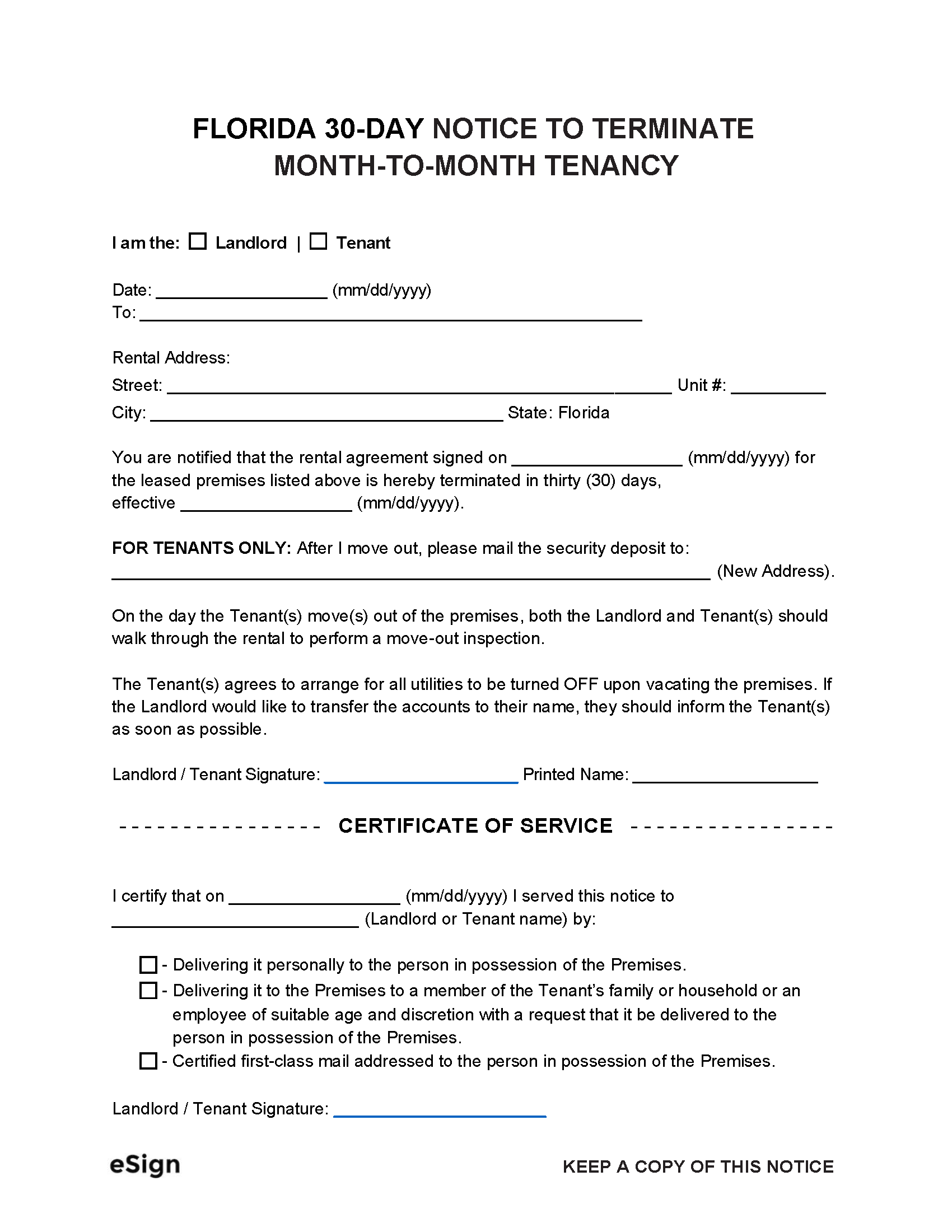
Understanding Florida’s Eviction Process
Eviction in Florida is a strictly legal procedure, not merely a landlord’s demand for a tenant to vacate. Landlords cannot unilaterally remove a tenant, change locks, shut off utilities, or engage in any “self-help” eviction tactics without going through the court system. Such actions are illegal under Florida Statutes § 83.67. The process typically begins when a landlord believes a tenant has violated the lease agreement or failed to meet their obligations, such as paying rent.
Legal Basis for Eviction
The primary reasons a landlord might initiate an eviction in Florida include:
- Non-payment of Rent: This is the most common reason for eviction. Even being a day late can initiate the process if the lease doesn’t specify a grace period.
- Lease Violations: This encompasses a wide range of breaches, such as having unauthorized pets, causing significant property damage, disturbing other tenants, or engaging in illegal activities on the premises.
- Holding Over: This refers to a tenant remaining in the property after their lease has expired and they have been given proper notice to vacate, or without the landlord’s consent.
The first formal step in any eviction is the issuance of a written notice to the tenant, outlining the alleged violation and the required action, if any. This notice is not yet an eviction lawsuit but a prerequisite for filing one.
Types of Eviction Notices and Their Timelines
The type of eviction notice issued by a landlord dictates the amount of time a tenant has to respond or rectify the situation before legal proceedings can commence. This is where the misconception of a universal “30 days” often arises, as many notices provide significantly less time.
3-Day Notice to Pay Rent or Quit
This is the most frequent notice used in Florida for non-payment of rent. Upon receiving this notice, the tenant has three business days (excluding weekends and legal holidays) to either pay the overdue rent in full or vacate the premises. If the tenant fails to do so, the landlord can then file an eviction lawsuit with the court on the fourth business day. It is crucial to understand that this notice provides no grace period beyond the three days for payment, nor does it allow for partial payments unless explicitly agreed upon by the landlord in writing.
7-Day Notice to Cure or Quit
This notice is used for curable lease violations other than non-payment of rent. Examples include unauthorized pets, excessive noise, or minor property damage. The tenant has seven days to correct the violation (e.g., remove the pet, clean up the damage). If the tenant cures the violation within the seven days, the tenancy can continue. If not, or if the tenant chooses not to cure, the landlord can proceed with filing an eviction lawsuit after the seven-day period.
7-Day Unconditional Quit Notice
This is for non-curable lease violations or repeated violations of the same provision within a 12-month period. For example, severe property damage, illegal activity on the premises, or repeated instances of unauthorized guests after prior warnings might warrant this notice. With an unconditional quit notice, the tenant has seven days to vacate the property with no option to cure the violation. If they do not leave, the landlord can file for eviction immediately after the seven days.
15-Day Notice to Terminate Tenancy (Month-to-Month)
While often confused with an eviction notice, this notice serves a different purpose: terminating a month-to-month tenancy without cause. If there is no specific lease term or the lease has expired and converted to a month-to-month agreement, either the landlord or the tenant can terminate the tenancy by providing at least 15 days’ notice before the end of a monthly period. For example, to terminate a tenancy at the end of May, the notice must be given no later than May 15th. This is not an eviction for cause but rather a termination of the rental agreement. If a tenant overstays this notice period, the landlord would then have to file for eviction based on “holding over.”
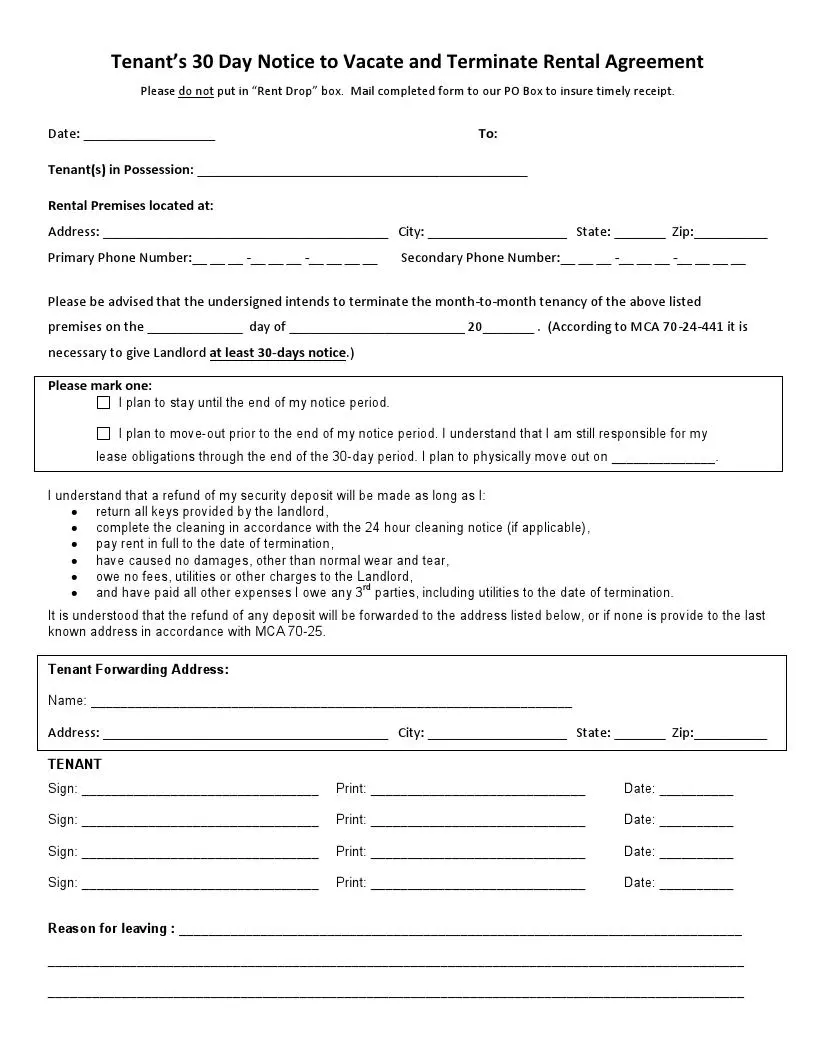
Therefore, the “30 days” typically does not apply to eviction notices in Florida. The 15-day notice is for terminating a month-to-month lease, while actual eviction notices due to violations are much shorter (3 or 7 days).
Tenant Rights and Defenses in Florida
Even after receiving an eviction notice, tenants in Florida retain significant rights and potential defenses that can be raised in court. It is crucial for tenants to understand these rights and, if possible, seek legal counsel.
- Improper Notice: A common defense is that the eviction notice itself was defective—for instance, it didn’t include the correct amount of rent due, wasn’t properly served, or didn’t provide the legally required notice period.
- Payment or Attempted Payment: If the tenant paid the rent or attempted to pay it within the 3-day notice period, but the landlord refused, this can be a valid defense. All payments should be documented, ideally with receipts or bank statements.
- Landlord Retaliation: Landlords are prohibited from evicting a tenant in retaliation for the tenant exercising their legal rights, such as reporting code violations to authorities or participating in a tenants’ union.
- Discrimination: Eviction based on a tenant’s race, religion, gender, national origin, familial status, or disability is illegal under both federal and Florida fair housing laws.
- Uninhabitable Conditions (Breach of Warranty of Habitability): While tenants cannot simply withhold rent due to poor conditions, if a landlord fails to maintain the premises as required by law (e.g., no running water, unsafe structural issues, pest infestations), and the tenant has given the landlord proper written notice and reasonable time to fix the issues, this can be a defense. It’s a complex defense and requires strict adherence to statutory notice requirements.
Documentation is paramount for any defense. Tenants should keep copies of the lease agreement, all notices received, rent payment receipts, communication with the landlord (emails, letters), and photographs or videos of property conditions.
Navigating the Post-Notice Period
Receiving an eviction notice is undoubtedly stressful, but prompt and informed action can significantly impact the outcome.
Immediate Steps After Receiving a Notice
- Read the Notice Carefully: Understand the reason for the eviction, the amount due (if applicable), and the deadline provided. Check for any inaccuracies.
- Do Not Panic: While urgent, hasty decisions can be detrimental.
- Communicate with the Landlord (in Writing): If there’s a possibility of resolving the issue (e.g., paying overdue rent, correcting a violation), communicate promptly and get any agreements in writing. Avoid verbal agreements, as they are harder to prove in court.
- Seek Legal Advice: Contact a landlord-tenant attorney, a legal aid society (like the Legal Aid Society of Palm Beach County), or a tenant advocacy group immediately. They can help you understand your rights, evaluate potential defenses, and guide you through the process.
- Gather Documentation: Collect all relevant documents related to your tenancy, payments, and communications.
What Happens if You Don’t Move Out?
If a tenant does not comply with the eviction notice (e.g., by paying rent, curing a violation, or vacating) within the specified timeframe, the landlord can then file an “unlawful detainer” lawsuit with the appropriate county court.
- Summons and Complaint: Once the landlord files, the tenant will be formally served with a summons and a complaint. This is a court document notifying the tenant of the lawsuit and requiring a response.
- Tenant’s Response: For evictions based on non-payment of rent, the tenant typically has only five business days after being served the summons to file a written answer with the court. For other types of evictions, the response period is generally 20 days. Failure to respond within this strict deadline can result in a default judgment, meaning the landlord wins automatically without a hearing.
- Court Hearing: If the tenant files an answer, a court hearing will be scheduled. Both parties present their cases and evidence to a judge.
- Writ of Possession: If the judge rules in favor of the landlord, a “Writ of Possession” will be issued. This is the final order that authorizes the sheriff to physically remove the tenant and their belongings from the property. Once the writ is posted on the tenant’s door, they typically have only 24 to 48 hours to vacate before the sheriff returns to enforce the eviction. This is the shortest and most immediate deadline in the entire process.
Seeking Assistance and Alternative Accommodation
Facing eviction is a daunting prospect, but resources are available. It is imperative to act quickly and explore all options.
Support and Aid
- Legal Aid Societies: Non-profit organizations across Florida provide free or low-cost legal assistance to eligible individuals.
- Tenant Advocacy Groups: These groups offer advice, support, and sometimes mediate disputes between tenants and landlords.
- Emergency Rental Assistance Programs: State and local governments, as well as non-profits, may offer financial assistance to help tenants pay overdue rent or security deposits for new accommodation, especially during economic hardship. These programs are often time-sensitive and have specific eligibility requirements.
Finding New Accommodation
Even while challenging an eviction, it is prudent to start planning for alternative housing. A prior eviction on one’s record can make finding future accommodation difficult. Therefore, proactively seeking out options for new long-term accommodation, understanding potential requirements for credit checks and security deposits, and considering transitional housing if needed, can help mitigate the disruption. While not ideal, sometimes even short-term rental solutions or staying with friends or family may become necessary during a contentious legal process. Early planning and seeking advice from housing counselors can make this transition smoother.
LifeOutOfTheBox is a participant in the Amazon Services LLC Associates Program, an affiliate advertising program designed to provide a means for sites to earn advertising fees by advertising and linking to Amazon.com. Amazon, the Amazon logo, AmazonSupply, and the AmazonSupply logo are trademarks of Amazon.com, Inc. or its affiliates. As an Amazon Associate we earn affiliate commissions from qualifying purchases.