
Florida, often lauded as the “Fishing Capital of the World,” beckons anglers from across the globe with its pristine freshwater lakes, winding rivers, and extensive saltwater coastlines stretching along the Atlantic Ocean and the Gulf of Mexico. For tourists planning to cast a line in the Sunshine State, a fundamental question often arises: do you need a license to fish in Florida? The unequivocal answer for most visitors is yes. Understanding the specific requirements, exemptions, and acquisition process is crucial for a hassle-free and enjoyable fishing experience, ensuring compliance with local regulations designed to conserve Florida’s rich aquatic biodiversity.
Understanding Florida’s Fishing Regulations for Tourists
The regulatory framework governing fishing in Florida is primarily managed by the Florida Fish and Wildlife Conservation Commission (FWC). These regulations are in place not to hinder recreational activities but to ensure the sustainability of fish populations and the health of aquatic ecosystems for generations to come. For tourists, navigating these rules can seem daunting initially, but with a clear understanding, it becomes a simple step in planning an exciting fishing adventure.
The General Rule: Yes, You Do
As a general principle, anyone aged 16 or older wishing to fish in the public waters of Florida is required to possess a valid Florida fishing license. This applies whether you’re a resident or a non-resident. The type of license needed depends on various factors, including the type of water you plan to fish (freshwater or saltwater) and your method of fishing. Ignoring this requirement can lead to significant fines and penalties, overshadowing what should be a memorable part of your trip. The FWC regularly patrols fishing areas, both inland and coastal, to ensure adherence to these rules.
Why the Regulations Exist
The primary purpose of fishing licenses and their associated fees is conservation. Funds generated from license sales directly support the FWC’s vital work in managing fish populations, restoring habitats, conducting research, enforcing regulations, and providing public access to fishing opportunities. For tourists, purchasing a license isn’t just about legal compliance; it’s a contribution to the preservation of the very natural resources that draw them to Florida’s waters. This sustainable approach ensures that the state’s reputation as a world-class fishing destination endures.
Types of Fishing Licenses and What They Cover
Florida‘s diverse aquatic environments necessitate different types of fishing licenses. Tourists must select the license that accurately reflects their fishing plans. Making an informed choice ensures full compliance and prevents any unexpected issues during your fishing excursion.
Freshwater vs. Saltwater Licenses
The first distinction to make is between freshwater and saltwater fishing.
- Freshwater Fishing License: Required for fishing in Florida’s inland rivers, lakes, and ponds. This license covers a vast array of species, including the renowned largemouth bass, various panfish, and other popular freshwater game fish. If your itinerary includes a visit to the Everglades or one of Florida’s many central lakes, this is the license you’ll need.
- Saltwater Fishing License: Essential for fishing in the coastal waters, estuaries, and the open Atlantic Ocean or Gulf of Mexico. This license covers a broad spectrum of species, from snook and redfish in the flats to king mackerel and mahi-mahi offshore. Even if you’re fishing from a bridge, pier, or beach directly connected to saltwater, this license is typically required.
It’s important to note that the boundaries between freshwater and saltwater can sometimes be subtle, particularly in brackish estuarine areas. When in doubt, it’s always safer to err on the side of caution or consult local experts.
Combination Licenses
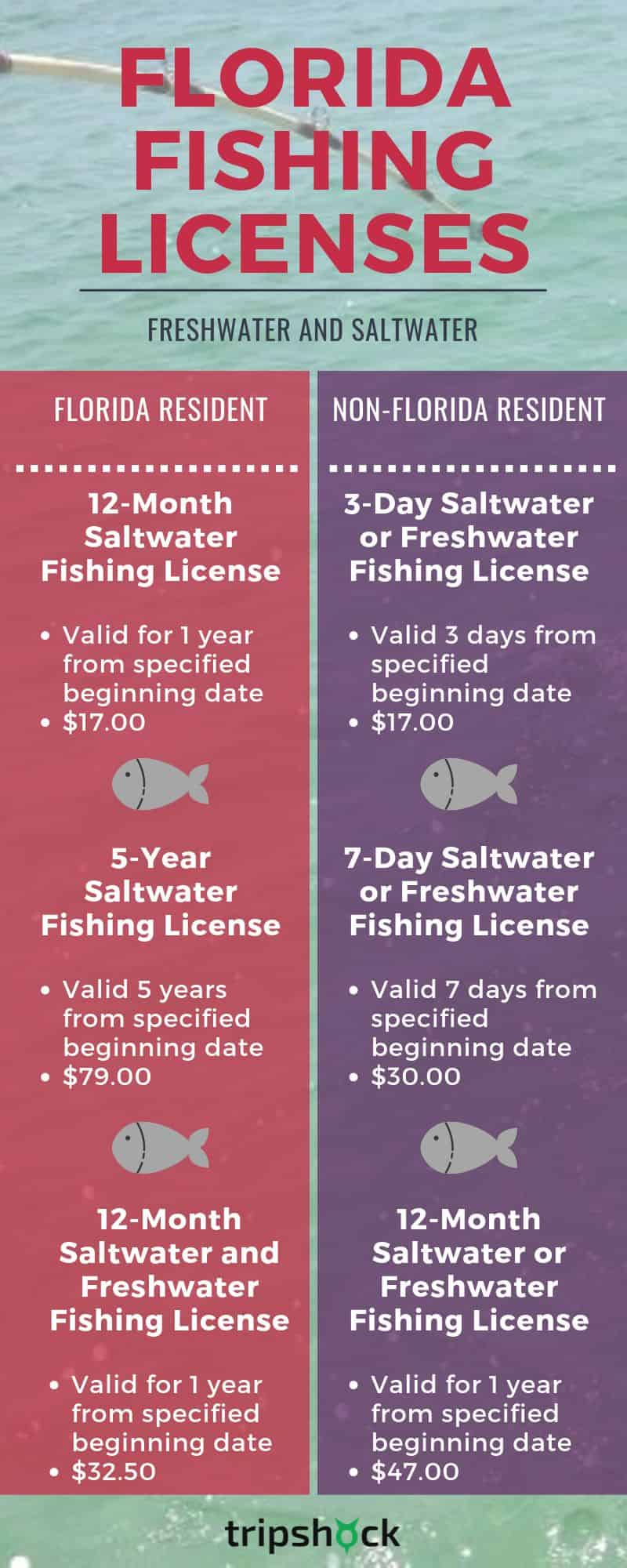
For those who wish to experience the best of both worlds – freshwater and saltwater fishing – Florida offers convenient combination licenses. These licenses provide authorization to fish in both environments with a single purchase, often at a reduced cost compared to buying two separate licenses. For a tourist planning an extended stay or diverse fishing activities, a combination license can be the most practical and economical choice. These are available for various durations, from three-day and seven-day options to annual licenses, catering to different visit lengths.
Shoreline vs. Vessel Fishing
Another critical distinction, particularly for saltwater fishing, involves the method of access.
- Shoreline Fishing: If you plan to fish from a beach, pier, bridge, or other land-based structure directly accessing saltwater, a saltwater fishing license is generally required. However, there is a significant exemption often misunderstood by tourists: non-residents are typically not exempt from needing a saltwater fishing license when fishing from shore, unlike Florida residents who often are. Always assume you need a license.
- Vessel Fishing: Any fishing undertaken from a boat, kayak, canoe, or other vessel in either freshwater or saltwater public waters necessitates the appropriate freshwater or saltwater license. This is straightforward and applies regardless of whether the vessel is privately owned, rented, or part of a guided trip (with certain charter exceptions discussed below).
Common Exemptions for Visitors
While the general rule is to obtain a license, several specific exemptions can apply to tourists, making it unnecessary for certain individuals or under particular circumstances. Understanding these can save time and money, though it’s crucial to verify if an exemption truly applies to your situation.
Children and Seniors
Age is a primary factor in license requirements.
- Children: Anyone under 16 years of age is exempt from all Florida fishing license requirements. This makes fishing an accessible and enjoyable activity for young visitors, encouraging family participation in Florida’s outdoors.
- Seniors: Florida residents who are 65 years of age or older are typically exempt from fishing license requirements. However, this exemption generally does not apply to non-resident seniors. Therefore, if you are a senior tourist, you will almost certainly need a license unless another specific exemption applies.
Fishing Charters and Piers
Certain commercial operations provide fishing opportunities where individual licenses may not be required.
- Licensed Fishing Charters: If you book a trip with a licensed fishing charter or guide service, you typically do not need to purchase your own Florida fishing license. The vessel itself holds a valid license that covers all paying passengers. This is a significant advantage for tourists, offering a hassle-free way to experience Florida’s fishing without the administrative step of acquiring a personal license. Always confirm this with your charter captain before your trip.
- Public Fishing Piers: Many public fishing piers along Florida’s coasts operate under a pier-wide fishing license. If you are fishing from a public pier that possesses such a license, individual anglers are generally exempt from needing their own saltwater fishing license. Look for signage at the pier indicating that a valid pier license is in effect. This is a common arrangement in popular tourist destinations like St. Petersburg, Clearwater Beach, or Sarasota. Again, check locally or with pier management to confirm.
Anglers with Certain Disabilities
Florida also provides exemptions for certain individuals with disabilities. For example, individuals who are certified as totally and permanently disabled and meet specific residency requirements may be eligible for a free fishing license or exemption. Non-residents typically do not qualify for these specific disability-based exemptions, though it’s always best to check the latest FWC guidelines if this applies to your situation.
How to Acquire Your Florida Fishing License
Acquiring a Florida fishing license is a straightforward process, designed to be accessible to residents and tourists alike. There are several convenient methods to obtain your license, ensuring you can be ready to fish quickly.
Online Purchase
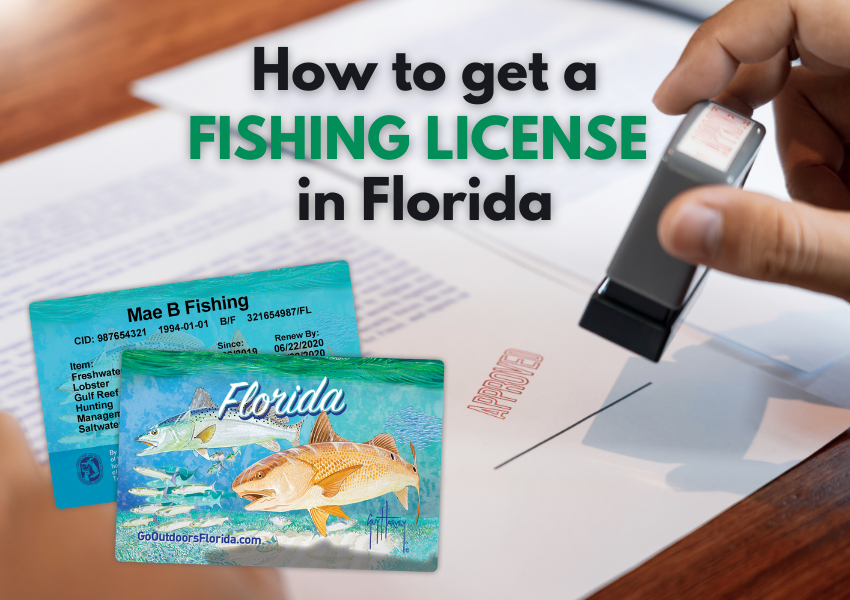
The quickest and most convenient way for most tourists to purchase a Florida fishing license is online through the FWC’s official licensing website. The process is user-friendly:
- Visit the FWC’s GoOutdoorsFlorida website.
- Select the “Guest” or “Non-Resident” option.
- Choose the desired type of license (freshwater, saltwater, or combination) and duration (e.g., 3-day, 7-day, annual).
- Provide the necessary personal information (name, address, date of birth, driver’s license number or other identification).
- Complete the secure payment process.
- You will receive a temporary license via email, which can be printed or displayed on a mobile device. Your official license card will typically be mailed to you, though the temporary one is valid immediately.
Purchasing online allows you to secure your license before you even arrive in Florida, saving valuable vacation time.
In-Person Retailers
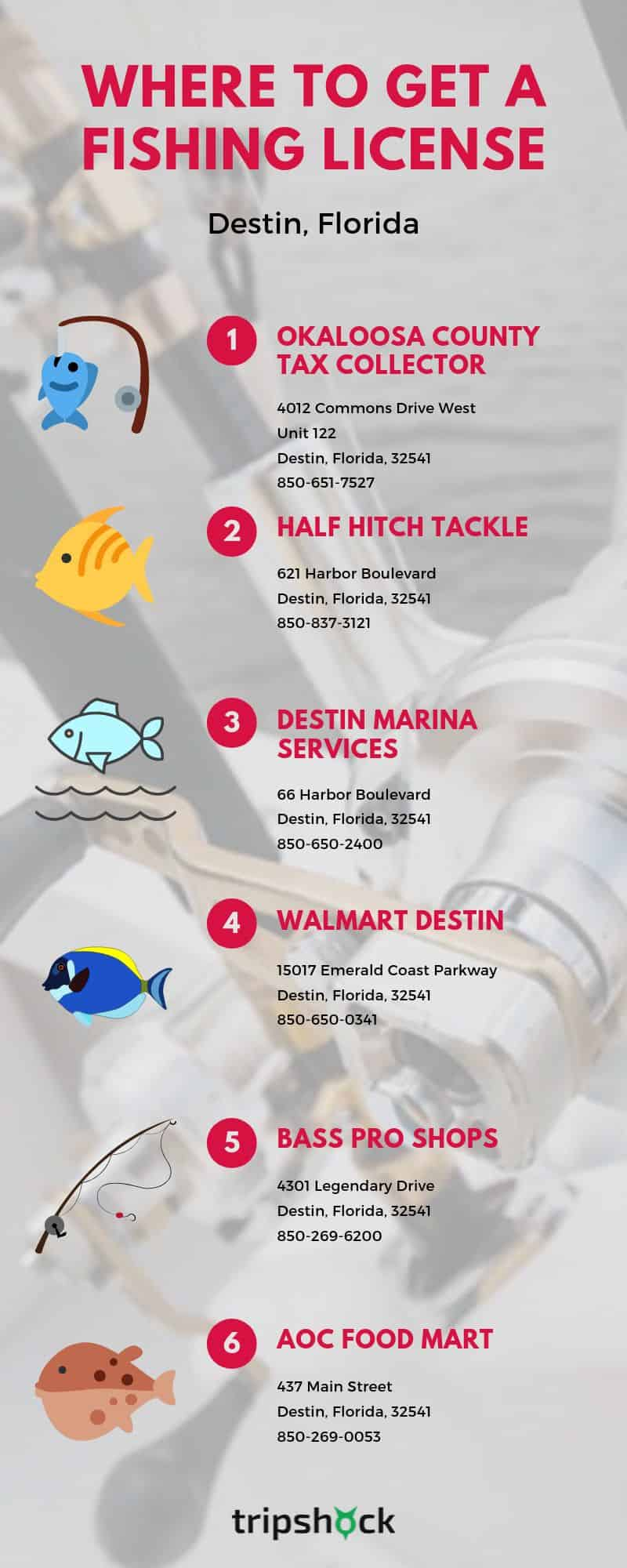
For those who prefer an in-person transaction or need last-minute assistance, Florida fishing licenses can be purchased at numerous licensed vendors throughout the state. These include:
- Walmart and K-Mart stores: Many large retail chains with sporting goods sections sell fishing licenses.
- Sporting goods stores: Local bait and tackle shops are excellent resources, not only for licenses but also for local fishing advice and gear.
- Tax collector’s offices: County tax collector’s offices often sell licenses.
When purchasing in person, be prepared to provide the same personal identification details as you would online. Staff at these locations can often help clarify which license type is best for your planned activities.
By Phone
Another option is to purchase your license over the phone. The FWC operates a toll-free number for license sales. This can be a convenient alternative if you have questions or prefer speaking to a representative directly. Have your identification and payment information ready.
Required Information
Regardless of the purchase method, non-residents typically need to provide:
- Full name
- Date of birth
- Physical address
- Driver’s license number or other government-issued identification number (e.g., passport number)
- Payment method (credit/debit card)
It’s always a good idea to keep your fishing license easily accessible while fishing, whether it’s a physical card or a digital copy on your phone, as wildlife officers may request to see it at any time.
Responsible Fishing as a Tourist Activity
Obtaining a license is just the first step in responsible fishing as a tourist in Florida. To truly contribute to the state’s conservation efforts and ensure a positive experience for yourself and others, understanding and adhering to additional regulations and ethical practices is vital.
Catch and Release Practices
Many anglers, particularly tourists, embrace catch and release to minimize their impact on fish populations. If you intend to practice catch and release, especially for certain species or in specific areas, familiarize yourself with best practices:
- Use appropriate gear: Lighter tackle can minimize stress on the fish.
- Handle fish gently: Minimize handling time and keep the fish in the water as much as possible. Wet your hands before touching fish.
- Use dehooking tools: These help remove hooks quickly and with less damage.
- Revive tired fish: Gently hold the fish upright in the water, allowing water to flow over its gills until it swims away under its own power.
Understanding Bag and Size Limits
Florida has specific bag limits (the maximum number of fish of a particular species an angler can keep per day) and size limits (minimum and/or maximum lengths for keeping a fish) for almost all recreational species. These limits vary by species, location, and time of year.
- Consult the FWC website or pamphlets: Before heading out, check the latest regulations for the specific species you plan to target in your chosen fishing area. Local bait shops are also excellent sources of current information.
- Measure accurately: Always carry a measuring device and know how to use it correctly (usually from the tip of the nose to the tip of the tail, or fork length for some species).
- Identify your catch: Be able to correctly identify the species of fish you catch to ensure compliance with its specific regulations.
Protecting Florida’s Marine Ecosystems
As a tourist, your actions on Florida’s waters can have a lasting impact.
- Do not litter: Always pack out what you pack in, including fishing lines, bait containers, and food wrappers. Monofilament fishing line recycling bins are often available at marinas and boat ramps.
- Respect private property and sensitive habitats: Avoid disturbing nesting birds, sea turtles, or delicate marine vegetation like seagrass beds.
- Be aware of protected species: Familiarize yourself with federally and state-protected species, such as manatees, sea turtles, and certain sharks. It is illegal to harass or harm these animals.
By understanding the license requirements, exploring the available exemptions, and committing to responsible fishing practices, tourists can fully embrace the incredible fishing opportunities Florida has to offer. Not only does this ensure a legal and ethical experience, but it also directly contributes to the preservation of the state’s precious natural beauty for future generations of anglers and visitors. So, grab your gear, get your license, and prepare for an unforgettable adventure on Florida’s abundant waters.
LifeOutOfTheBox is a participant in the Amazon Services LLC Associates Program, an affiliate advertising program designed to provide a means for sites to earn advertising fees by advertising and linking to Amazon.com. Amazon, the Amazon logo, AmazonSupply, and the AmazonSupply logo are trademarks of Amazon.com, Inc. or its affiliates. As an Amazon Associate we earn affiliate commissions from qualifying purchases.