
Florida, renowned for its sun-kissed beaches, vibrant theme parks, and rich cultural tapestry, attracts millions of tourists annually. Visitors flock to destinations like Orlando, Miami, and Tampa, seeking everything from thrilling adventures to serene relaxation. As the popularity of sports betting continues to sweep across the United States, a common question arises for many travelers planning a trip to the Sunshine State: Is sports betting allowed in Florida? The answer, like many things in the state’s intricate legal landscape, has been a dynamic and often complex one, with significant implications for how tourists can engage with this popular activity. Understanding the current status is crucial for anyone hoping to place a wager during their Florida visit.
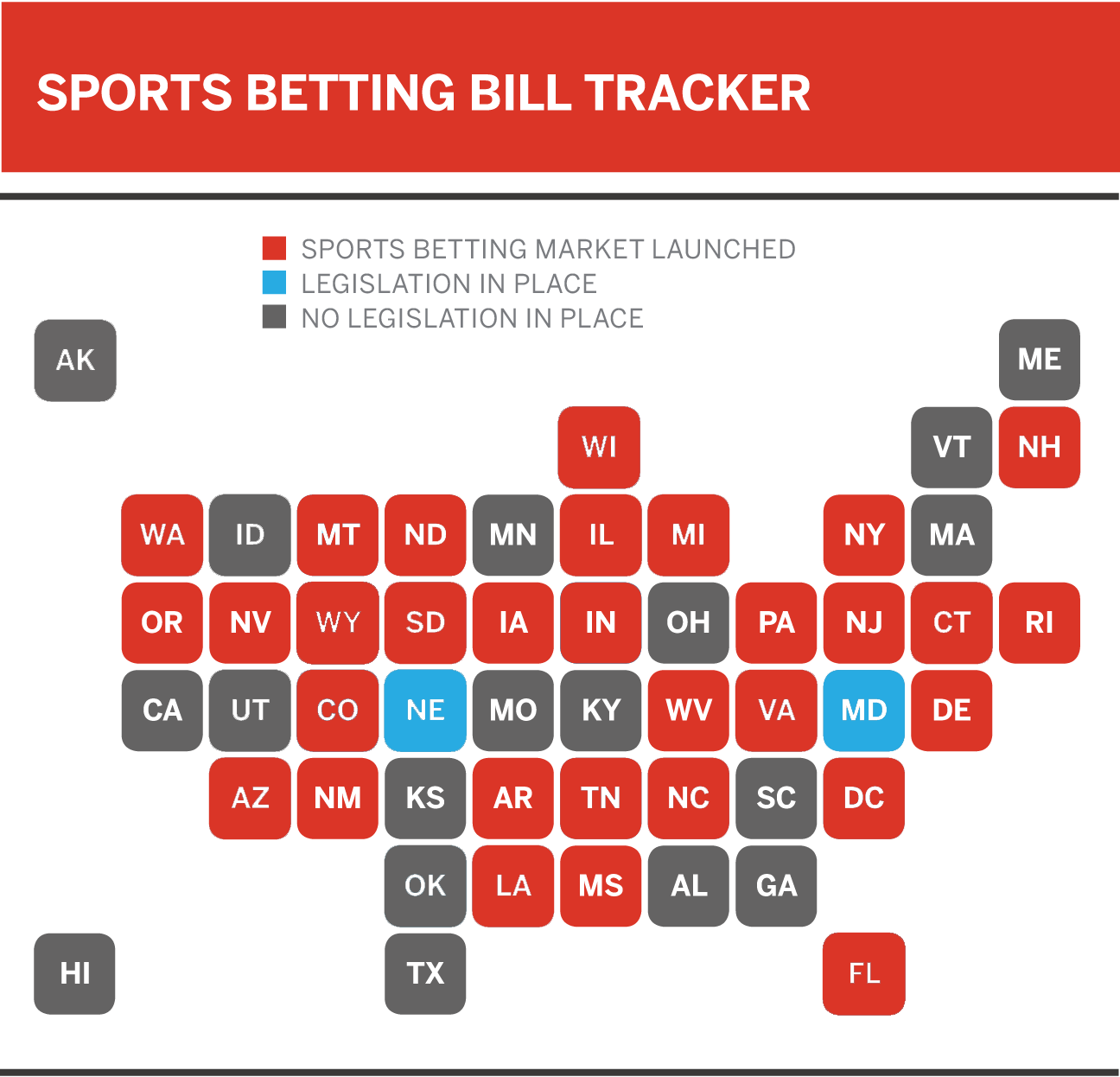
The Evolving Legal Landscape of Sports Betting in Florida
The journey to legalizing sports betting in Florida has been fraught with legal challenges, political maneuvering, and a landmark agreement with the Seminole Tribe of Florida. For years, the state grappled with how to integrate this burgeoning industry while balancing tribal gaming compacts, state constitutional amendments, and the interests of various stakeholders.
A Brief History of Florida’s Betting Saga
Prior to recent developments, legal gambling in Florida was primarily limited to tribal casinos, pari-mutuel wagering on horse and dog races (though dog racing has since been phased out), and the state lottery. The prospect of sports betting gained significant traction after the U.S. Supreme Court struck down the Professional and Amateur Sports Protection Act (PASPA) in 2018, opening the door for individual states to legalize and regulate sports wagering.
In Florida, the path was complicated by Amendment 3, a 2018 constitutional amendment requiring voter approval for any expansion of casino gambling. This amendment became a central point of contention, as proponents argued that sports betting constituted an expansion of gambling that required a statewide ballot initiative, while others contended it fell under existing tribal compacts.
The Seminole Tribe and Hard Rock Bet
The most significant development occurred in 2021 when Florida Governor Ron DeSantis signed a new gaming compact with the Seminole Tribe of Florida. This compact granted the Tribe exclusive rights to operate sports betting across the state, both at their land-based casinos and through online platforms. The theory behind the online aspect of the compact was a “hub-and-spoke” model, where online bets would be processed through servers physically located on tribal lands, thus technically originating on sovereign territory.
Following this agreement, the Seminole Tribe launched the Hard Rock Bet app in November 2021, briefly allowing residents and visitors within Florida to place online sports wagers. However, this initial launch was short-lived. Legal challenges quickly emerged, primarily from pari-mutuel operators who argued that the compact violated Amendment 3 by expanding gambling without voter approval and that the “hub-and-spoke” model for online betting was a legal fiction.
A federal judge sided with the plaintiffs, ruling that the compact violated the Indian Gaming Regulatory Act (IGRA) by allowing online sports betting off tribal lands without statewide voter approval. This decision led to the immediate suspension of the Hard Rock Bet app’s operations in Florida. The Tribe appealed this decision, and the legal battle continued through the appellate courts.
In late 2023, the legal tides turned again. An appeals court reversed the lower court’s decision, effectively reinstating the compact. This paved the way for the Seminole Tribe to relaunch its Hard Rock Bet mobile app. As of early 2024, online sports betting through the Hard Rock Bet app is indeed operational and available to individuals within Florida state lines. This means that if you are physically present in Florida, you can download the app and place sports bets. Additionally, the Seminole Tribe has also introduced retail sportsbooks at several of their Hard Rock casino properties across the state, including Hollywood (near Fort Lauderdale), Tampa Bay, and Immokalee.
Understanding the Implications for Tourists and Visitors
For tourists visiting Florida, the current legal framework means that sports betting is accessible, but predominantly through one specific channel. This is a significant consideration when planning activities and budgeting for your trip.
Accessing Sports Betting as a Visitor
If you are visiting Florida and wish to place a sports wager, the primary method is through the Hard Rock Bet mobile application. Like other legal betting apps in the U.S., it uses geo-location technology to confirm that users are physically located within the state’s borders. This means you can be anywhere in Florida – whether you’re enjoying the theme parks in Orlando, lounging on Miami Beach, or exploring the Gulf Coast – and still access the app.
For those who prefer a more traditional, in-person betting experience, the Seminole Tribe’s casinos now offer retail sportsbooks. These locations combine the excitement of a casino environment with dedicated areas for sports wagering. Popular Hard Rock casino resorts where you can find these facilities include:
- Seminole Hard Rock Hotel & Casino Hollywood
- Seminole Hard Rock Hotel & Casino Tampa
- Seminole Casino Coconut Creek
- Seminole Casino Immokalee
- Seminole Casino Brighton
- Seminole Classic Casino Hollywood
When signing up for an account, you will typically need to provide personal information for identity verification, including your name, address, date of birth, and the last four digits of your Social Security Number. While your permanent address might be outside Florida, as long as you can verify your identity and are physically present in the state, you should be able to register and place bets.

Responsible Gaming for Florida Travelers
While sports betting can add an extra layer of excitement to a trip, it’s crucial for tourists to practice responsible gaming. Florida, like other states, provides resources for individuals who may be struggling with problem gambling. The Hard Rock Bet app itself includes responsible gaming tools, such as deposit limits, spending limits, time limits, and self-exclusion options.
Visitors should view sports betting as entertainment, not a guaranteed source of income. Set a budget before you start, never bet more than you can afford to lose, and understand the odds. Enjoying Florida’s attractions responsibly extends to all activities, including wagering.
The Economic and Tourism Impact
The legalization and operation of sports betting have significant economic implications for Florida, particularly within the tourism sector. This new revenue stream contributes to tribal coffers and, by extension, to state finances through the compact agreement, which often involves revenue sharing.
Boost for Florida’s Tourism Economy?
The introduction of legal sports betting can potentially enhance Florida’s appeal as a tourist destination. For many travelers, the ability to legally bet on their favorite teams adds an exciting dimension to their vacation. This could attract a demographic of sports enthusiasts who might factor the availability of legal betting into their travel plans, similar to how destinations like Las Vegas or Atlantic City draw visitors for their gaming options.
The Hard Rock casinos, already major tourist draws with their entertainment, dining, and hotel offerings, become even more compelling with the addition of retail sportsbooks. This integration provides a comprehensive entertainment package for visitors, encouraging longer stays and increased spending within the state. Furthermore, the taxes and revenues generated from sports betting can be reinvested into state programs, infrastructure, or even further promotion of Florida’s tourism industry.
Learning from Other States
Looking at states like New Jersey, which quickly became a leader in sports betting after legalization, demonstrates the potential for significant economic growth. New Jersey saw a surge in gaming revenue, much of it attributed to mobile sports betting. Similarly, Colorado and Pennsylvania have reported substantial tax revenues from sports wagering, which are often directed towards public services.
For Florida, with its massive population and year-round tourist influx, the long-term potential for sports betting revenue is immense. This revenue can help stabilize state budgets and provide additional funds for community development, education, and environmental protection initiatives, further enhancing the state’s attractiveness for both residents and visitors.
Navigating the Legal Nuances: What Visitors Need to Know
Despite the current availability of sports betting, the legal landscape surrounding it in Florida has been turbulent. Tourists should always be aware that legal challenges or legislative changes could impact its status.
Residency vs. Visitor Access
A key aspect for tourists is understanding that access to the Hard Rock Bet app is based on physical location, not residency. You do not need to be a Florida resident to use the app, but you must be physically within the state’s geographical boundaries when placing a bet. The app’s geo-fencing technology is robust and will prevent wagering if you are outside Florida. This is a common practice across the U.S. for legal online sports betting.
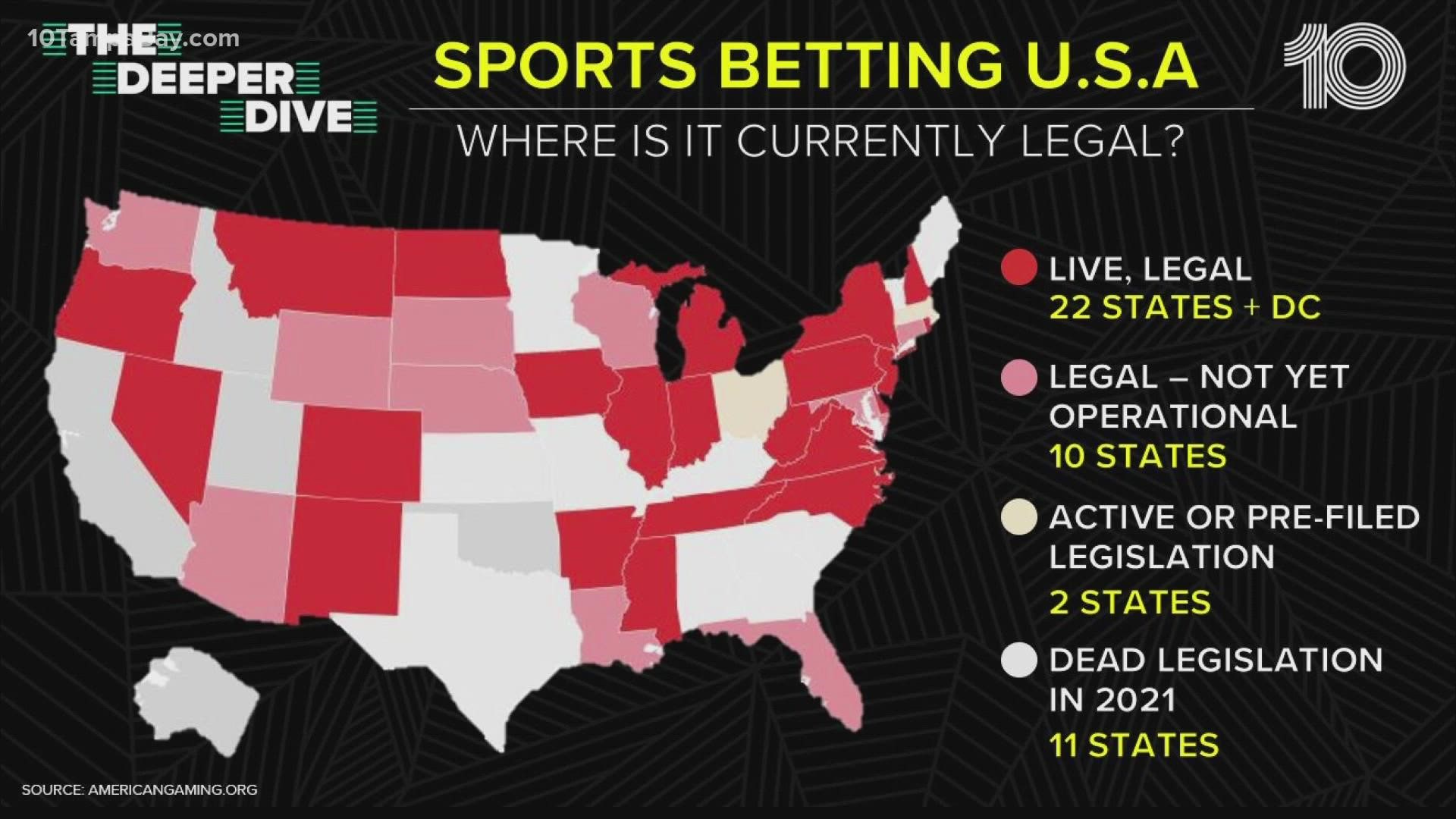
Staying Informed on Florida’s Evolving Regulations
Given the tumultuous history of sports betting in Florida, it is always advisable for tourists to check the most current regulations before their trip. While the appeals court ruling has provided a level of stability, legal challenges can always arise, or legislative action could introduce new rules. Reliable sources for up-to-date information include official state government websites, the Seminole Tribe of Florida’s gaming authority, and reputable sports betting news outlets.
For now, travelers to Florida can indeed enjoy the thrill of sports betting, whether through the convenience of the Hard Rock Bet app on their mobile device or by visiting one of the impressive Seminole Hard Rock casino resorts. This activity adds another dimension to the diverse range of experiences available in the Sunshine State, promising an even more engaging visit for sports fans and casual bettors alike.
LifeOutOfTheBox is a participant in the Amazon Services LLC Associates Program, an affiliate advertising program designed to provide a means for sites to earn advertising fees by advertising and linking to Amazon.com. Amazon, the Amazon logo, AmazonSupply, and the AmazonSupply logo are trademarks of Amazon.com, Inc. or its affiliates. As an Amazon Associate we earn affiliate commissions from qualifying purchases.