
Navigating Florida’s Roads: An Essential Guide for Travelers
Florida, often dubbed the Sunshine State, beckons millions of travelers each year with its pristine beaches, vibrant cities, and world-renowned attractions. From the magical theme parks of Orlando to the historic charm of St. Augustine and the breathtaking beauty of the Florida Keys, exploring this diverse state often involves hitting the open road. Whether you’re planning a road trip in your own vehicle or intending to rent a car upon arrival, understanding local driving laws and regulations is not just good practice—it’s absolutely essential for a smooth and legal travel experience. One of the most critical questions visitors and new residents often ask is regarding car insurance. The straightforward answer is a resounding yes: Florida unequivocally requires car insurance for all registered vehicles and drivers. Failing to comply can lead to significant penalties, disrupting your travel plans and potentially incurring substantial financial liabilities. This guide will delve into the specifics of Florida’s insurance requirements, helping you prepare for a worry-free journey through this popular destination.

Understanding Florida’s No-Fault Insurance System
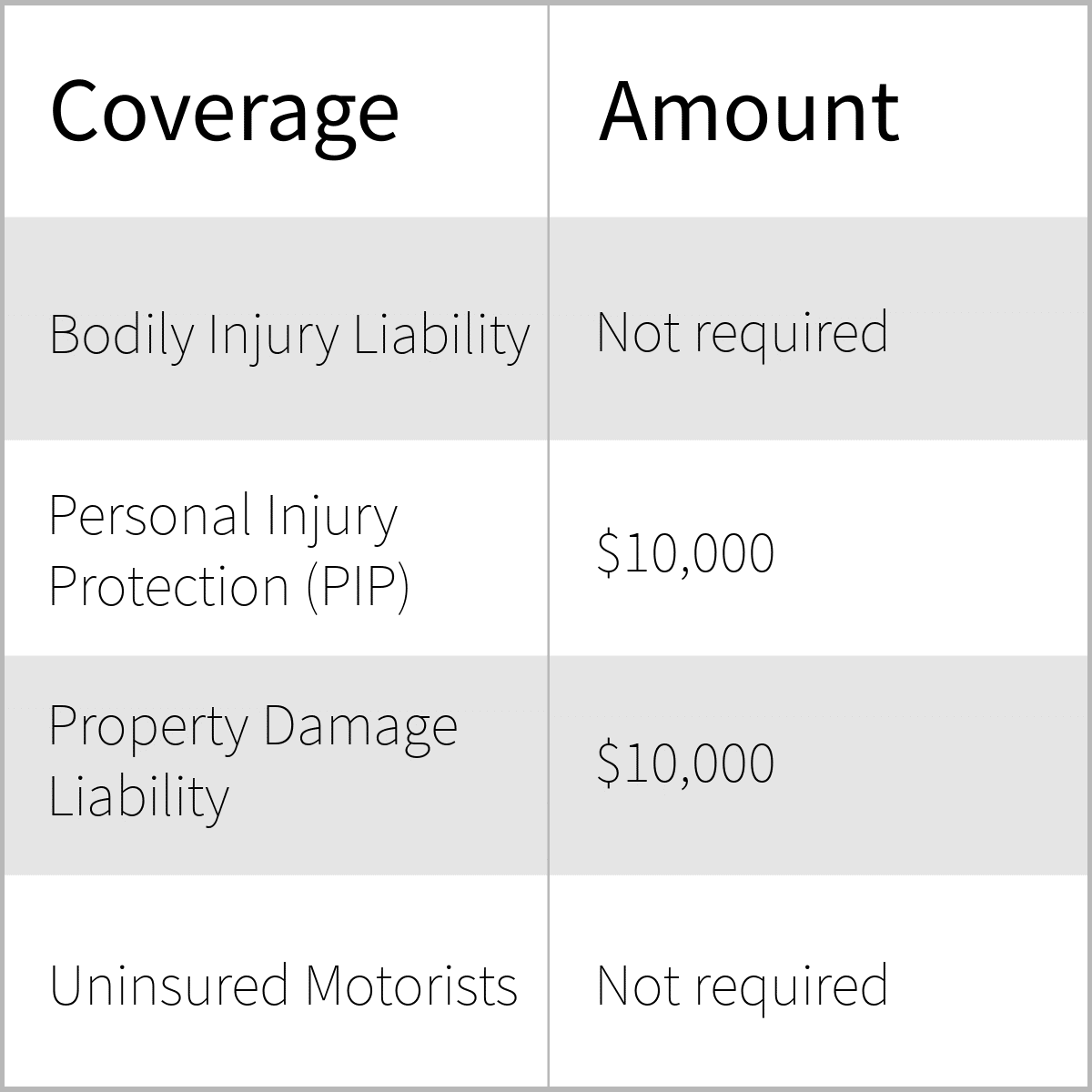
Florida operates under a “no-fault” insurance system, which significantly influences how claims are handled after an accident. Unlike “at-fault” states where the responsible driver’s insurance pays for the other party’s injuries, Florida’s no-fault law mandates that your own insurance company pays for your medical expenses and lost wages up to a certain limit, regardless of who caused the accident. This system is designed to expedite medical treatment and compensation for minor injuries, reducing the need for lengthy legal battles. For any vehicle registered or driven in Florida, two primary types of coverage are legally mandated: Personal Injury Protection (PIP) and Property Damage Liability (PDL).
Personal Injury Protection (PIP) – The Core Requirement
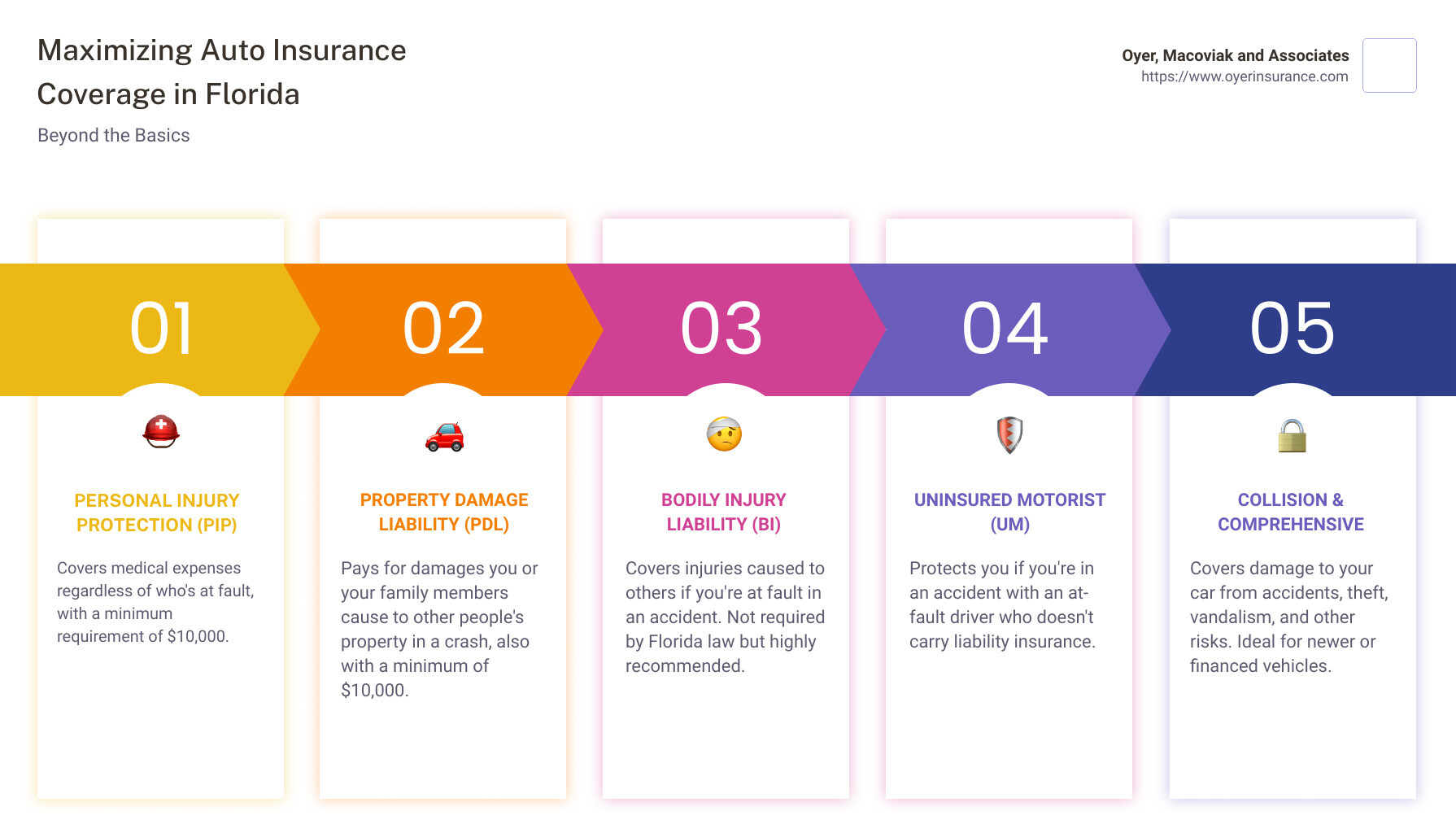
Personal Injury Protection, or PIP, is the cornerstone of Florida’s no-fault system. It is designed to cover your medical expenses and a portion of your lost wages resulting from an accident, irrespective of who was at fault. This coverage is crucial for both residents and visitors, as it ensures immediate access to medical care following a collision.
- What it covers: PIP typically covers 80% of your reasonable and necessary medical expenses, 60% of lost wages, and up to $5,000 for funeral expenses, up to the policy limit.
- Minimum coverage: The legally mandated minimum for PIP coverage in Florida is $10,000.
- Who it covers: Your PIP policy extends coverage to you, your resident relatives, passengers in your vehicle who do not own a car or have their own PIP coverage, and even certain pedestrians or cyclists injured in an accident involving your vehicle.
This coverage is vital for anyone driving in Florida, ensuring that initial medical costs are addressed swiftly, providing a crucial safety net for travelers exploring the state.
Property Damage Liability (PDL) – Protecting Against Damages
Alongside PIP, Property Damage Liability (PDL) is the second mandatory component of car insurance in Florida. While PIP addresses personal injuries, PDL is designed to cover the costs of damage your vehicle inflicts on another person’s property, which could include another car, a fence, a building, or other structures.
- What it covers: PDL pays for damages to property caused by an accident for which you are deemed at fault.
- Minimum coverage: Florida requires a minimum of $10,000 in PDL coverage.
It’s important to understand that PDL does not cover damage to your own vehicle. For that, you would need additional coverage, which will be discussed next.
Why No-Fault Matters for Travelers
For visitors to Florida, understanding the no-fault system is paramount. If you are involved in a minor accident, your own PIP coverage (either from your personal policy, if it extends to Florida, or via a rental car’s supplemental insurance) will be the primary source for your medical bills and lost wages. This system is intended to reduce disputes and delays, allowing you to address your immediate needs more quickly. While the no-fault system streamlines claims for minor injuries, it doesn’t preclude the possibility of suing an at-fault driver for more severe injuries that exceed the PIP limits, especially if they meet Florida’s “serious injury” threshold. Therefore, having adequate coverage, even beyond the minimums, is always a wise decision for comprehensive protection while traveling.
Beyond the Basics: Recommended Additional Coverage for Peace of Mind
While PIP and PDL are the only legally mandated coverages in Florida, relying solely on these minimums can leave travelers exposed to significant financial risks, especially in the event of a serious accident. For true peace of mind and robust financial protection, particularly when exploring a new destination, additional insurance coverages are highly recommended.
Bodily Injury Liability (BIL)
Surprisingly, Bodily Injury Liability (BIL) is not a mandatory coverage in Florida, unless you have previously been involved in an accident or have certain driving infractions. However, it is an absolutely critical addition to any policy. BIL coverage protects you financially if you are at fault for an accident that causes injuries or death to another person. It covers their medical expenses, lost wages, and pain and suffering, up to your policy limits. Without BIL, you could be personally responsible for these costs, which can easily run into hundreds of thousands or even millions of dollars, potentially leading to lawsuits and devastating financial consequences. Many insurance experts recommend at least $25,000 per person and $50,000 per accident for BIL, but higher limits offer greater protection.
Uninsured/Underinsured Motorist (UM/UIM)
Florida consistently ranks among the states with the highest percentage of uninsured drivers. This statistic alone makes Uninsured/Underinsured Motorist (UM/UIM) coverage an invaluable asset for anyone driving in the state. UM/UIM protects you and your passengers if you are injured by a driver who either has no insurance or insufficient insurance to cover your medical expenses and other damages. Given the prevalence of drivers without adequate coverage, UM/UIM acts as a critical safeguard against others’ negligence, ensuring your recovery is not hampered by the at-fault party’s lack of insurance.
Collision and Comprehensive Coverage
For those driving their own vehicle to Florida or concerned about a rental car, Collision and Comprehensive coverage are essential for protecting the vehicle itself.
- Collision coverage pays for damages to your own vehicle if it hits another car, an object, or if it overturns, regardless of who is at fault.
- Comprehensive coverage protects your vehicle from non-collision-related incidents, such as theft, vandalism, fire, natural disasters (like hurricanes, common in Florida), falling objects, or damage from striking an animal.
If you have a car loan or lease, these coverages are almost always required by the lender. For cash-paid vehicles, they are optional but highly recommended to avoid significant out-of-pocket expenses for repairs or replacement.
Insurance for Travelers: Rental Cars, Out-of-State Policies, and More
Understanding the general requirements is one thing, but how do these apply specifically to travelers visiting Florida? The nuances of rental car insurance and how your out-of-state policy functions within the Sunshine State are crucial considerations for a hassle-free trip.
Driving a Rental Car in Florida
Most travelers flying into Florida will opt for a rental car to explore popular destinations like Miami Beach, Tampa, or Key West. Rental car companies will always offer additional insurance, but it’s important to understand what you truly need.
- Rental Company’s Offerings: Typically, rental companies offer a Loss Damage Waiver (LDW) or Collision Damage Waiver (CDW), which covers damage to the rental car itself. They also offer Supplemental Liability Protection (SLP) or similar, which provides additional liability coverage beyond the state minimums (often meeting Florida’s PDL minimums but potentially insufficient for BIL if an accident occurs). They may also offer Personal Accident Insurance (PAI) for medical coverage, and Personal Effects Coverage (PEC) for your belongings.
- Your Personal Policy: Many personal auto insurance policies extend coverage to rental cars, often covering the same perils as your primary vehicle (e.g., collision, comprehensive, liability). It’s critical to call your insurance provider before your trip to confirm the extent of your coverage in Florida and any limitations.
- Credit Card Coverage: A significant number of credit cards offer secondary (or sometimes primary) rental car insurance, usually covering the LDW/CDW portion if you pay for the rental with that card. Again, verifying with your credit card company is essential, as terms and conditions vary widely.
It’s often recommended to avoid duplicating coverage, but ensuring you have adequate liability protection (BIL) is paramount, as the minimal state-required PDL only covers damage to other people’s property, not injuries you might inflict on others.
Driving Your Own Car from Out-of-State
If you’re embarking on a road trip to Florida in your personal vehicle, your existing auto insurance policy generally travels with you. Most out-of-state policies will fulfill Florida’s minimum PIP and PDL requirements through an “out-of-state coverage extension” or “financial responsibility clause.” However, it’s prudent to contact your insurance agent to:
- Confirm Coverage: Ensure your existing policy explicitly covers you in Florida and meets its specific no-fault requirements.
- Identify Gaps: Discuss if your current liability limits are sufficient for Florida’s traffic conditions and legal landscape, and consider adding UM/UIM if you don’t already have it.
- Proof of Insurance: Always carry physical or digital proof of your insurance coverage, as it is required by law.
Consequences of Driving Without Insurance
The penalties for driving without the legally mandated PIP and PDL coverage in Florida are severe and immediate:
- Driver’s License and Plate Suspension: Your driver’s license and vehicle registration (license plate) will be suspended for up to three years, or until you provide proof of active Florida insurance. There are fees to reinstate them.
- Vehicle Impoundment: Your vehicle can be impounded, leading to towing and storage fees.
- Fines: You will incur fines for non-compliance.
- Financial Liability: In an accident, you would be personally responsible for all damages and injuries you cause, which could be financially ruinous.
These consequences can quickly derail any travel plans and create a significant financial burden, underscoring the absolute necessity of complying with Florida’s insurance laws.
Practical Tips for Stress-Free Driving in the Sunshine State
Beyond understanding insurance, a few practical tips can further ensure a smooth and enjoyable driving experience across Florida’s diverse landscapes.
Always Carry Proof of Insurance
Whether you’re driving your own car or a rental, always have proof of insurance readily available. This can be a physical insurance card, a digital copy on your smartphone, or documentation from the rental car company. It’s legally required, and you’ll need it if pulled over or involved in an accident.
Understand Local Driving Laws
Florida has specific driving laws. Familiarize yourself with basic rules like speed limits (which can vary significantly), right-turn-on-red regulations, and pedestrian crossing laws, especially in bustling areas like South Beach or near Walt Disney World Resort. Awareness of these laws helps prevent tickets and ensures safety.
Be Prepared for Florida’s Unique Driving Conditions
Driving in Florida presents unique challenges. Be mindful of heavy tourist traffic, especially around popular attractions and during peak seasons. Afternoon thunderstorms can appear suddenly, leading to treacherous driving conditions with heavy rain and reduced visibility; slow down and use headlights. Be aware of wildlife, particularly in rural areas, as alligators, deer, and other animals can unexpectedly cross roads. Finally, many Florida highways are toll roads. Consider acquiring a SunPass transponder (often available with rental cars) or understanding pay-by-plate options to avoid unexpected fees.
Know What to Do in Case of an Accident
Even with the best preparation, accidents can happen. If you’re involved in a collision:
- Prioritize Safety: Move to a safe location if possible.
- Check for Injuries: Assess yourself and others for injuries and call 911 if necessary.
- Exchange Information: Obtain contact, insurance, and vehicle information from all parties involved.
- Document the Scene: Take photos of vehicle damage, the accident scene, and any relevant road signs.
- Notify Authorities: Call local police, especially if there are injuries, significant damage, or if the other driver is uninsured.
- Contact Insurance: Notify your insurance company or the rental car company as soon as possible.
Plan Your Routes
Utilize GPS navigation systems to plan your routes, especially when navigating larger metropolitan areas like Jacksonville or Fort Lauderdale. Be aware of peak traffic times, particularly during morning and evening commutes, which can add significant delays to your journey. Planning ahead ensures you spend more time enjoying Florida and less time stuck in traffic.
By understanding Florida’s car insurance requirements and following these practical tips, you can ensure your travels through the Sunshine State are not only memorable but also safe, legal, and stress-free.
LifeOutOfTheBox is a participant in the Amazon Services LLC Associates Program, an affiliate advertising program designed to provide a means for sites to earn advertising fees by advertising and linking to Amazon.com. Amazon, the Amazon logo, AmazonSupply, and the AmazonSupply logo are trademarks of Amazon.com, Inc. or its affiliates. As an Amazon Associate we earn affiliate commissions from qualifying purchases.