
Navigating the complexities of unemployment can be a significant challenge, fundamentally altering one’s lifestyle and financial outlook. For residents of Florida facing job loss, understanding the intricacies of the state’s Reemployment Assistance program – particularly the possibility of back pay – is crucial for strategic financial planning and maintaining a semblance of stability in an uncertain time. The prospect of receiving retroactive benefits can be a lifeline, influencing decisions from daily budgeting to future lifestyle aspirations, including the viability of budget travel or relocation.
The Financial Ripple Effect of Unemployment on Lifestyle
When a steady income stream ceases, the immediate impact on lifestyle is profound. What was once taken for granted – dining out, leisure activities, or planning a weekend getaway to the Florida Keys or a trip to Walt Disney World Resort – suddenly becomes a luxury, if not an impossibility. Unemployment forces a re-evaluation of every expenditure, often leading to a drastic shift towards essential spending. For many, the dream of luxury travel or even simple family trips fades, replaced by concerns over rent, groceries, and utilities.
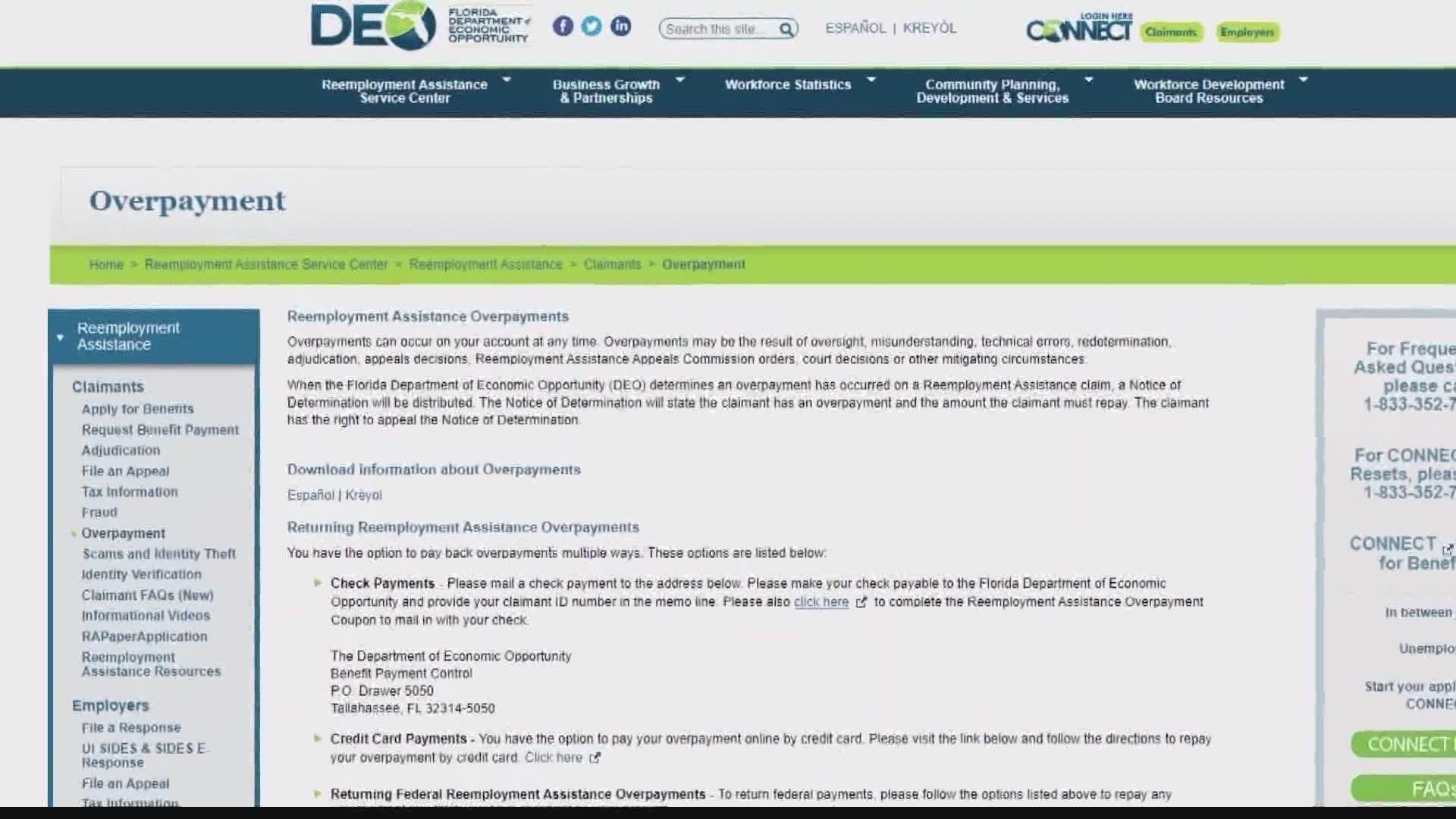
In this context, understanding how the state’s Reemployment Assistance program works, and specifically whether it offers back pay, becomes paramount. Back pay isn’t just a bureaucratic detail; it’s a potential financial buffer that can alleviate immediate pressures, help clear mounting debts, or even provide the necessary funds to pursue new opportunities, such as retraining or a geographical move for a fresh start. It can mean the difference between falling further behind and regaining some control over one’s financial destiny and lifestyle choices. Without a clear picture of potential benefits, including any retroactive payments, individuals struggle to create a realistic budget, hindering their ability to plan for both immediate needs and longer-term lifestyle goals.
Unpacking Florida’s Reemployment Assistance Program
Florida’s unemployment benefits are officially managed under the Reemployment Assistance program by the Florida Department of Economic Opportunity (now Florida Commerce). This program is designed to provide temporary financial aid to eligible individuals who have lost their jobs through no fault of their own. For those accustomed to a certain lifestyle, understanding this system is the first step in mitigating the financial shock of unemployment.
Eligibility and Application Process
Eligibility for Reemployment Assistance in Florida is determined by several factors, including past wages, reason for separation from employment, and availability for work. Generally, applicants must have worked for a certain period and earned a minimum amount of wages, and they must be actively seeking new employment. The application process typically involves submitting an online application through the official state portal, providing detailed information about past employers, wages, and the circumstances of job loss. This initial application sets the start date for potential benefits, which is crucial when discussing back pay. Delays in filing, or issues with initial applications, are common scenarios where the concept of back pay becomes highly relevant for maintaining financial stability.
Weekly Benefits and Duration
If deemed eligible, claimants receive weekly benefits, the amount of which is calculated based on their past earnings, up to a maximum cap. The duration of these benefits is also limited, typically ranging from 12 to 19 weeks, depending on the state’s unemployment rate. This finite period underscores the importance of every dollar, and any delayed payments or potential for back pay can significantly extend a claimant’s ability to cover essential living expenses, thus safeguarding their immediate lifestyle from further degradation. For those who rely on these benefits to keep their heads above water, even a few weeks of back pay can be transformative, allowing them to bridge gaps in income and prevent deeper financial distress.
The Nuance of Back Pay in Florida Unemployment
The straightforward answer to whether Florida unemployment offers back pay is “yes,” but it comes with specific conditions and scenarios. Back pay, in this context, refers to retroactive payments for weeks of unemployment that occurred before the claimant began receiving regular benefits. This can be critical for individuals whose financial health and lifestyle stability depend on timely support.
When Back Pay is Typically Awarded
Back pay is most commonly awarded in several key situations:
- Processing Delays: The most frequent reason for back pay. Sometimes, due to high claim volumes, system issues, or the need for additional verification, it can take several weeks for an initial claim to be processed and approved. If a claimant is found eligible from their initial application date, they will receive back pay for all approved weeks of unemployment leading up to their first regular payment. This lump sum can be invaluable for catching up on bills, restocking necessities, or even setting aside funds for a future budget trip that might offer a much-needed mental break.
- Appeals Process: If a claimant’s initial application is denied, they have the right to appeal the decision. If the appeal is successful, and the claimant is subsequently found eligible for benefits, they will typically receive back pay from their original application date or the date their eligibility was established. This can be a lengthy process, making the eventual back pay a significant financial relief that helps individuals recover from the prolonged period without income.
- Retroactive Eligibility: In rare cases, changes in state or federal unemployment laws, or specific policy decisions, might make individuals retroactively eligible for benefits for a period during which they were unemployed but not initially covered. This was particularly evident during economic crises where federal programs extended benefits retroactively.
How Back Pay Affects Financial Stability and Future Lifestyle Choices

The receipt of back pay can profoundly impact an individual’s financial stability and, by extension, their lifestyle choices. For someone living paycheck to paycheck before unemployment, or perhaps already dipping into savings, a lump sum of back pay offers a chance to reset. It can be used to:
- Eliminate or Reduce Debt: Paying down credit card balances or overdue utility bills can immediately relieve stress and improve one’s financial standing.
- Rebuild Emergency Savings: Even a modest emergency fund can provide a sense of security, which is fundamental to a stable lifestyle.
- Cover Essential Living Expenses: Catching up on rent, mortgage payments, or grocery bills ensures basic needs are met, preventing further financial hardship.
- Invest in Career Development: Funds can be used for online courses, certifications, or workshops that enhance employability, paving the way for a new career path and improved lifestyle in the long run.
- Plan for Future Lifestyle Adjustments: While luxury travel might be off the table, back pay could enable a “budget travel” experience to visit family, or cover relocation costs for a new job opportunity in another city like Miami or Orlando. It provides the flexibility to consider options that were previously out of reach.
Strategic Financial Planning During Unemployment
For anyone navigating unemployment in Florida, strategic financial planning is paramount. The possibility of back pay should be considered as part of this strategy, but not relied upon as a certainty.
Budgeting for the Unemployed Lifestyle
Creating a stringent budget is the cornerstone of managing finances during unemployment. This involves:
- Identifying Essential vs. Discretionary Spending: Prioritizing housing, food, and healthcare over entertainment, new clothes, or non-essential subscriptions.
- Tracking Every Dollar: Meticulously recording all income and expenditures to understand where money is going.
- Seeking Cost-Saving Measures: Exploring options like meal prepping, utilizing public transportation, or negotiating with service providers.
This lean approach ensures that even without immediate back pay, individuals can extend their existing resources as far as possible, safeguarding their basic lifestyle needs.
The Role of Back Pay in Reshaping Your Budget
When back pay is received, it presents a unique opportunity to adjust your budget and strengthen your financial position. Instead of viewing it as a windfall for immediate gratification, consider its strategic applications:
- Prioritize Debt Repayment: High-interest debts should be tackled first to minimize future financial drain.
- Bolster Emergency Funds: Aim to build at least a few months’ worth of living expenses in savings. This significantly enhances lifestyle security.
- Allocate for Job Search Expenses: Funds can be used for professional attire, transportation to interviews, or networking events, which are investments in securing future employment.
- Consider Mental Wellness: While primarily financial, unemployment takes a toll on mental health. A portion of back pay might be allocated for a small, budget-friendly “staycation” or a minimal cost experience that helps maintain morale, aligning with a broader definition of lifestyle well-being.
Navigating the System for a Smoother Transition
Effectively managing your unemployment claim, especially with an eye toward potential back pay, requires diligence and persistence.
Tips for Applicants Seeking Back Pay
- File Your Claim Immediately: Do not delay filing your initial claim. The effective date of your claim is critical for determining the start of any potential benefits, including back pay.
- Keep Meticulous Records: Document every interaction with the Florida Department of Economic Opportunity, including dates, names of representatives, and summaries of conversations. Keep copies of all submitted documents and correspondence.
- Respond Promptly to Requests: If the state requests additional information, provide it as quickly as possible to avoid further processing delays.
- Understand the Appeals Process: If your claim is denied, research the appeals process thoroughly. A successful appeal is often a pathway to back pay.
- Certify for Benefits Weekly: Even if your claim is pending or denied, continue to certify for benefits each week. This creates a record of your eligibility for those weeks, which is essential if back pay is later awarded.

Resources for Florida Residents
The state of Florida provides various resources to assist unemployed individuals. The official website for Florida Reemployment Assistance is the primary hub for information, application, and tracking claims. Additionally, career source Florida centers offer job search assistance, training programs, and workshops, all designed to help individuals transition back into the workforce and rebuild their desired lifestyle. Understanding and utilizing these resources can make a significant difference in navigating the unemployment landscape, ensuring that if back pay is available, claimants are well-positioned to receive it and integrate it into their financial recovery plan.
LifeOutOfTheBox is a participant in the Amazon Services LLC Associates Program, an affiliate advertising program designed to provide a means for sites to earn advertising fees by advertising and linking to Amazon.com. Amazon, the Amazon logo, AmazonSupply, and the AmazonSupply logo are trademarks of Amazon.com, Inc. or its affiliates. As an Amazon Associate we earn affiliate commissions from qualifying purchases.