
An Unwelcome Arrival: The Origins of the Invasion
The vibrant, venomous lionfish, a creature of mesmerizing beauty, is an iconic species in its native range of the Indo-Pacific Ocean. However, its presence in the warm coastal waters of Florida is an ecological anomaly, a dramatic narrative of unintended introduction with far-reaching consequences for the region’s natural marine landmarks. The story of how this invasive species came to dominate new territories is largely a tale of human activity, specifically linked to the ornamental aquarium trade.
Early Sightings and Speculation
The first confirmed sighting of a lionfish in Florida occurred in 1985 off the coast of Biscayne Bay, near Miami. For years, these sightings remained sporadic and isolated, treated more as curiosities than harbingers of an ecological crisis. Scientists and marine enthusiasts observed single individuals, speculating on their origins. Initial theories ranged from accidental ballast water transfers from ships to the notion of individuals escaping or being released from private aquariums.
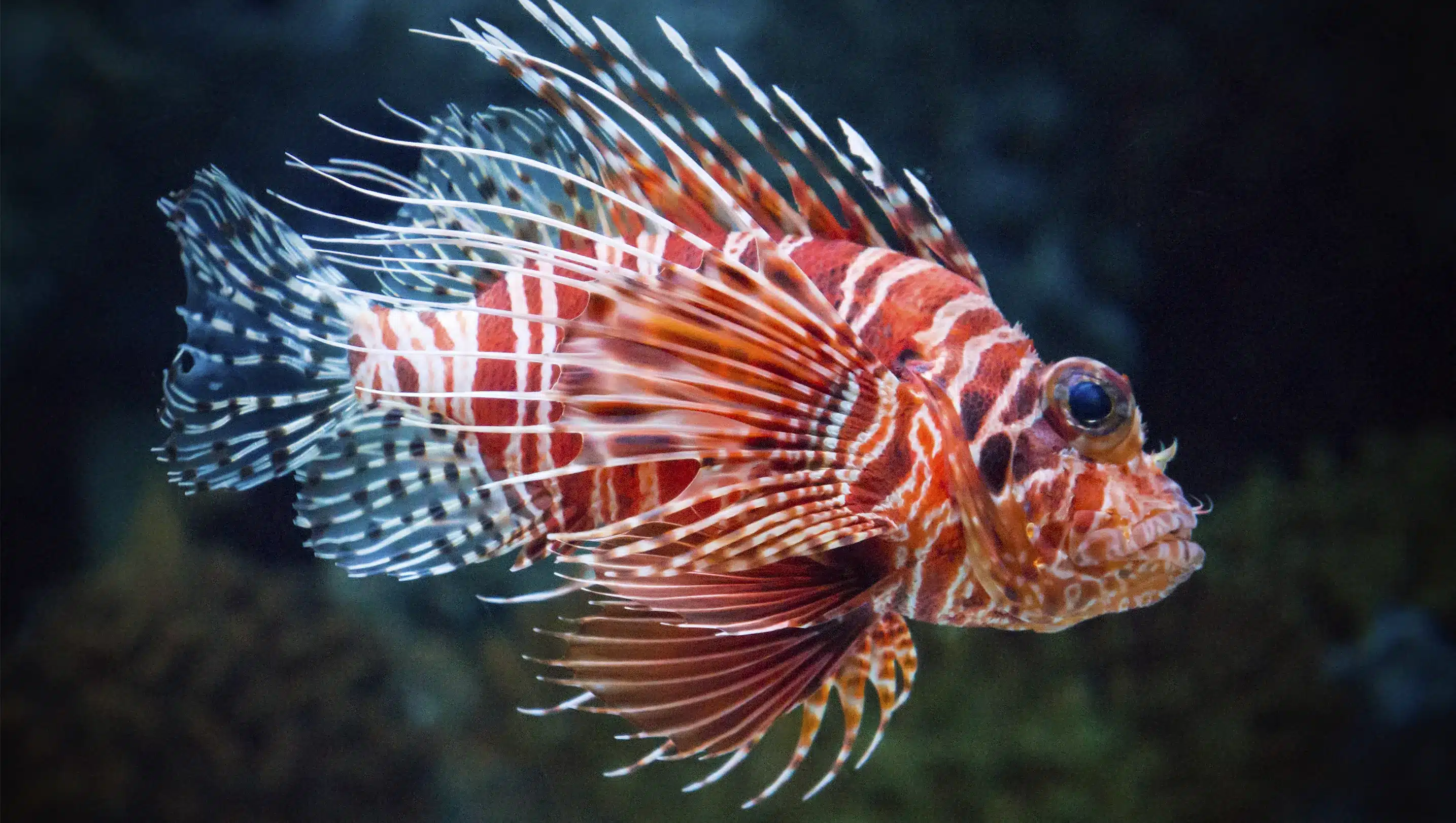
It wasn’t until the early 2000s that the frequency of sightings began to escalate dramatically, particularly along the southeastern coast of the United States and throughout the Caribbean Sea. This widespread increase signaled a self-sustaining, reproducing population, firmly establishing the lionfish as an invasive threat rather than a mere transient visitor. The United States Geological Survey (USGS) maintains a detailed database tracking the expansion, illustrating the species’ alarming spread from Florida outwards.
The Aquarium Trade Hypothesis
While direct, undeniable proof is elusive, the prevailing scientific consensus strongly points to the aquarium trade as the primary vector for the lionfish invasion. The popular perception is that a small number of aquarium owners, perhaps unaware of the ecological risks or simply unable to care for their rapidly growing pets, released their lionfish into the wild.
One often-cited anecdotal event, though never officially confirmed, involved the destruction of an aquarium during Hurricane Andrew in 1992, which allegedly released six lionfish into Biscayne Bay. While compelling, this singular event likely only contributed a small fraction to what became a massive, widespread invasion. Scientists now believe that multiple, independent releases likely occurred over time, providing the initial genetic diversity and population numbers needed for the species to establish a foothold and begin reproducing. The resilience and adaptability of the lionfish, combined with the lack of natural predators in their new environment, allowed these initial introductions to blossom into a full-scale colonization, irrevocably altering the natural history of Florida’s marine landmarks.
The Rapid Colonization of Florida’s Waters
Once established, the lionfish exhibited an astonishing capacity for rapid colonization, transforming from a localized novelty into a ubiquitous presence across diverse marine ecosystems. This swift expansion across Florida’s coasts and beyond underscores the profound vulnerability of native marine environments to well-adapted invasive species.
From Atlantic Ocean to the Gulf of Mexico
The initial introductions along Florida’s Atlantic Ocean coastline provided the springboard for the lionfish to expand its range exponentially. Ocean currents, particularly the powerful Florida Current and the Gulf Stream, played a crucial role in dispersing lionfish larvae across vast distances. Larval lionfish, which are planktonic, can drift for weeks before settling, allowing them to travel from the waters off Florida to destinations like the Bahamas, Bermuda, and throughout the Caribbean Sea and Gulf of Mexico.
Within a few years, lionfish populations exploded along the entire southeastern United States coast, extending southward to South America and westward deep into the Gulf of Mexico, reaching the coasts of Mexico, Belize, and Cuba. Their adaptability allowed them to colonize a wide range of habitats, from shallow reefs and seagrass beds to deep wrecks and even mangrove estuaries. This unparalleled spread transformed the marine landscape, creating a new, pervasive “natural feature” that now challenges the very definition of natural landmarks in these regions.
Biological Advantages of an Invasive Species
The lionfish’s success as an invader is largely attributable to a suite of biological traits perfectly suited for exploitation in new environments. Firstly, they possess extremely high reproductive rates. Females can spawn year-round, releasing tens of thousands of eggs every few days, which are contained within gelatinous masses that float and disperse easily, sometimes even within rafts of Sargassum seaweed.
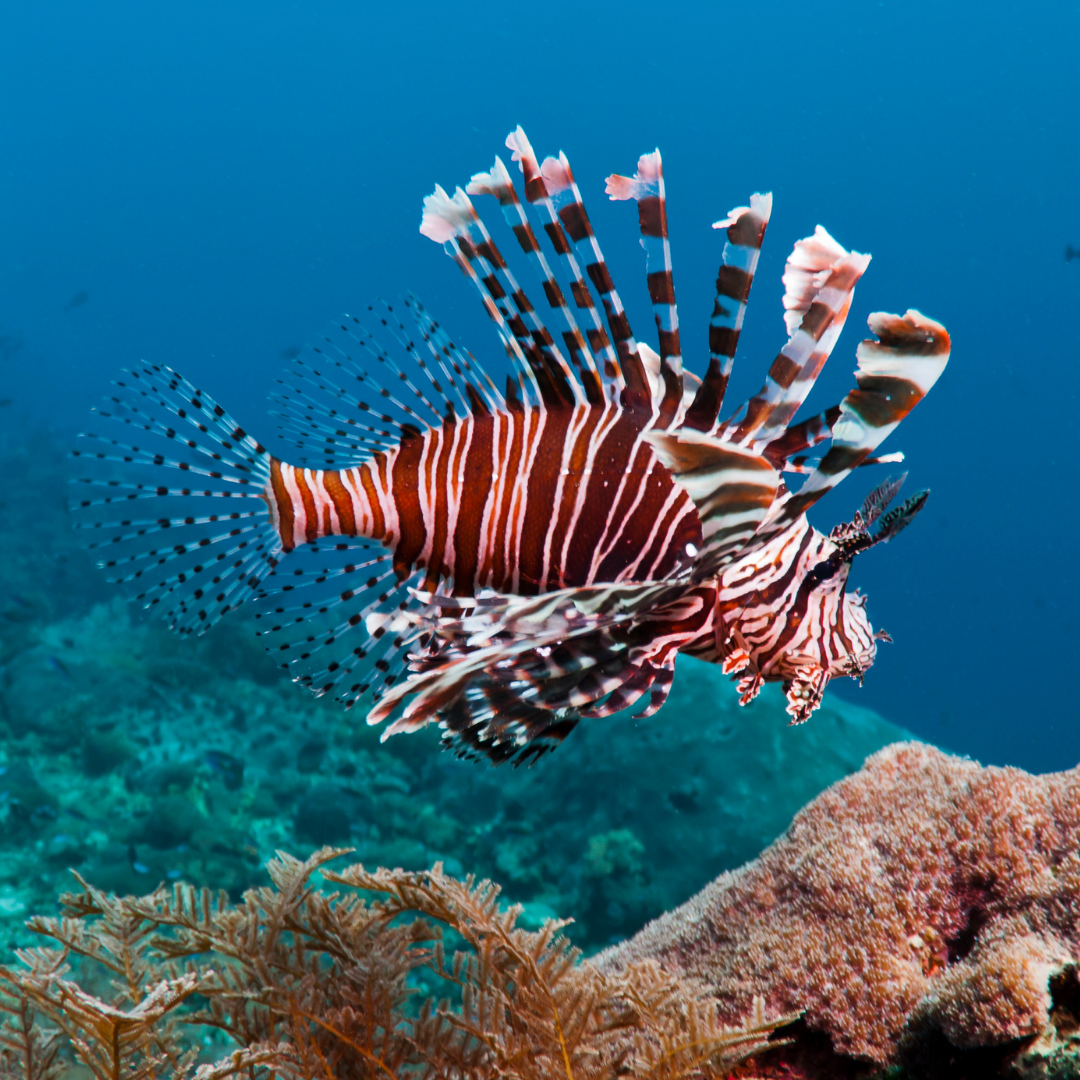
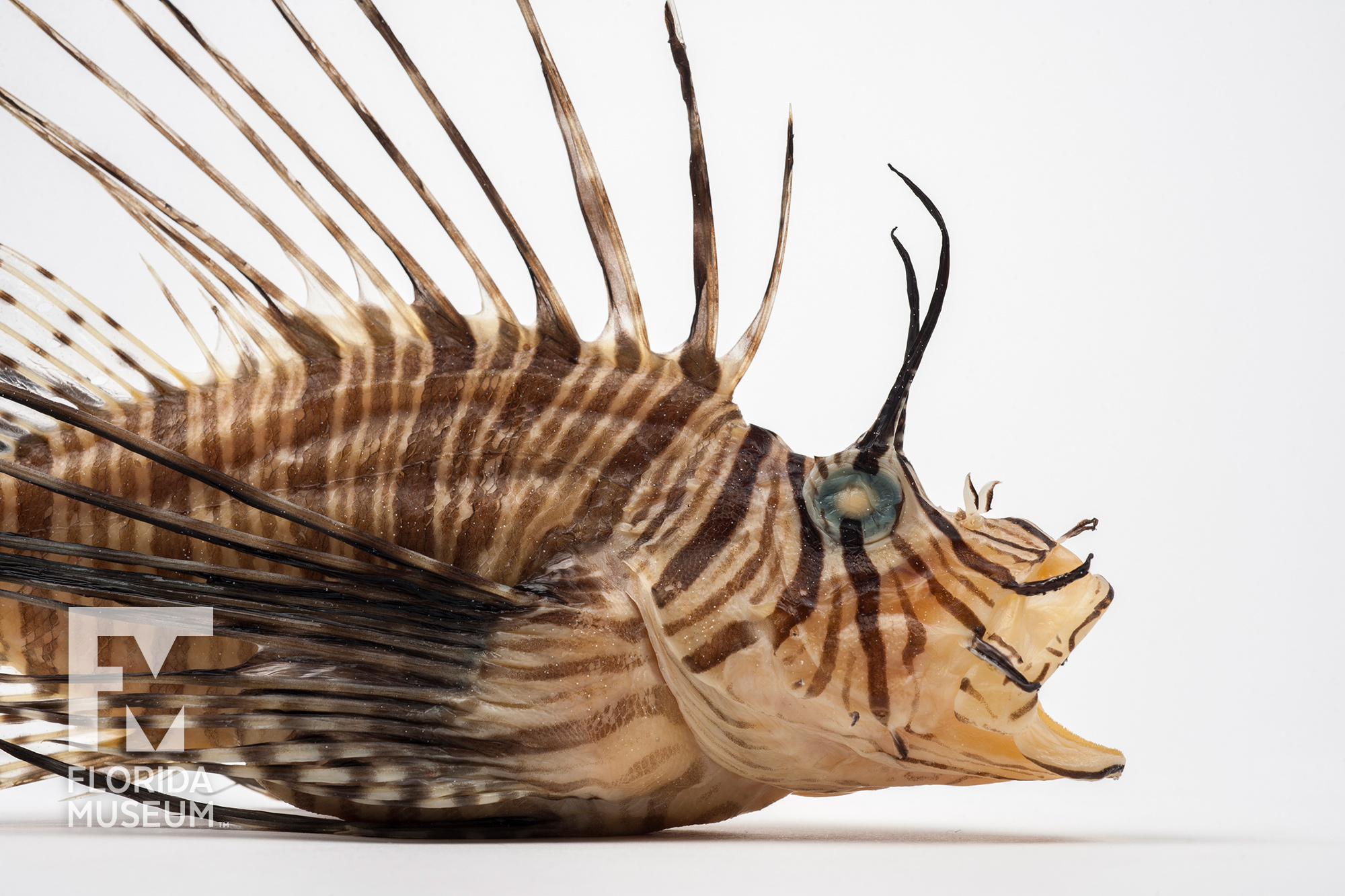
Secondly, lionfish are voracious, opportunistic predators with a broad diet, consuming over 70 species of native fish and invertebrates. Their unique hunting technique, using their large pectoral fins to herd prey, gives them an unfair advantage over native predators. Compounding this, they have few to no natural predators in their invaded range. Native sharks, groupers, and other large piscivores in the Atlantic Ocean and Caribbean Sea have not evolved to recognize lionfish as prey, due in part to their venomous spines that deter potential attackers. This lack of top-down control allows their populations to swell unchecked, placing immense pressure on native fish communities that are essential components of Florida’s marine landmarks.
Impact on Florida’s Natural Landmarks
The arrival and subsequent proliferation of lionfish represent one of the most significant ecological disruptions to Florida’s natural marine landmarks in recent history. These iconic ecosystems, from the vibrant coral reefs of the Florida Keys to the productive artificial reefs off Fort Lauderdale and Miami, face unprecedented pressure from this relentless predator.
Devastation of Coral Reefs and Native Species
Florida’s coral reefs, part of the third-largest barrier reef system in the world, are cherished natural landmarks teeming with biodiversity. These delicate ecosystems are now critically threatened by lionfish predation. Lionfish preferentially target small, juvenile reef fish, including economically important species like snapper and grouper, as well as ecologically vital herbivores. By consuming herbivorous fish that graze on algae, lionfish indirectly facilitate algal overgrowth, which smothers corals and prevents their recruitment and growth. This shifts the balance of the reef ecosystem, impacting its resilience and overall health.
Studies conducted within protected areas like the Florida Keys National Marine Sanctuary have shown significant declines in native fish populations where lionfish density is high. The loss of these native species not only diminishes the biological richness of these natural landmarks but also disrupts crucial food webs and ecological processes that have evolved over millennia. This trophic cascade effect can lead to a less diverse and less functional reef system, impacting everything from water quality to the reproductive success of other marine life.
Threat to Marine Biodiversity and Ecosystem Health
Beyond coral reefs, lionfish pose a broader threat to the overall marine biodiversity and health of Florida’s coastal waters. They can be found in seagrass beds, mangrove estuaries, and even deeper continental shelf habitats, preying on a variety of invertebrates and juvenile fish. This widespread predation can deplete prey resources, leading to competition with native predators and ultimately reducing the carrying capacity of these habitats for indigenous species.
The long-term impact on the health of these natural landmarks is profound. A reduction in native fish populations can destabilize ecosystems, making them more susceptible to other stressors such as climate change, pollution, and disease. The aesthetic and ecological value of Florida’s underwater landscapes, which draw countless visitors and support local economies, is directly imperiled. Protecting these landmarks now involves an ongoing battle against an entrenched invasive species, a historical shift in the region’s natural state.
Conservation and Control Efforts
Recognizing the severe threat posed by the lionfish invasion, governmental agencies, scientific institutions, and local communities in Florida have mobilized extensive efforts to understand, control, and mitigate its impact on the state’s invaluable natural marine landmarks. These initiatives represent a concerted endeavor to preserve the historical ecological integrity of Florida’s waters.
Research and Monitoring by NOAA and FWC
Leading the scientific response are organizations like the National Oceanic and Atmospheric Administration (NOAA) and the Florida Fish and Wildlife Conservation Commission (FWC). These agencies conduct critical research to better understand lionfish biology, population dynamics, and ecosystem impacts. NOAA’s dedicated programs investigate reproductive strategies, dietary preferences, and the effectiveness of various control methods. Their findings inform targeted management strategies aimed at protecting vulnerable native species and critical habitats, thereby safeguarding the natural features that define Florida’s marine landmarks.
The FWC spearheads monitoring efforts across Florida’s diverse marine environments, from the shallow reefs of the Florida Keys to the deeper wrecks off Tampa Bay and Key West. This monitoring helps track the spread and density of lionfish populations, identify hotspots for removal efforts, and assess the success of intervention strategies. Furthermore, the FWC plays a crucial role in public education, raising awareness about the invasion and encouraging participation in removal programs.
Community Involvement and Removal Initiatives
Given the scale of the lionfish problem, direct human intervention is currently the most effective control method. This has spurred a remarkable level of community involvement. Recreational divers, spearfishers, and commercial operators actively participate in organized lionfish removal derbies and tournaments. These events, often incentivized with prizes, serve a dual purpose: they significantly reduce local lionfish populations in specific areas and foster public engagement with marine conservation.
Technological advancements, such as remotely operated vehicles (ROVs) equipped with specialized collection devices, are being explored for removing lionfish from deeper waters beyond the reach of conventional diving. Moreover, efforts to create a market for lionfish as a sustainable seafood product are gaining traction. Promoting lionfish consumption not only helps reduce their numbers but also creates an economic incentive for their removal, transforming a threat into a resource. While complete eradication is unlikely, these ongoing, collaborative efforts are vital in managing the lionfish population, preserving the biodiversity, and maintaining the ecological integrity of Florida’s cherished natural landmarks for future generations.
LifeOutOfTheBox is a participant in the Amazon Services LLC Associates Program, an affiliate advertising program designed to provide a means for sites to earn advertising fees by advertising and linking to Amazon.com. Amazon, the Amazon logo, AmazonSupply, and the AmazonSupply logo are trademarks of Amazon.com, Inc. or its affiliates. As an Amazon Associate we earn affiliate commissions from qualifying purchases.