
For millions of visitors each year, the question “Where is the Chicago Bean sculpture?” isn’t just a geographical query; it’s the gateway to an unforgettable experience in the heart of one of North America’s most dynamic cities. Officially known as Cloud Gate, this iconic public art installation has become synonymous with the vibrant urban landscape of Chicago, drawing admirers from across the globe. Its unique, reflective surface mirrors the city’s breathtaking skyline, the ever-changing sky, and the delighted faces of countless tourists, making it a focal point for travel, photography, and cultural immersion.
As a beacon for urban exploration, Cloud Gate offers more than just a photo opportunity; it’s a living, breathing part of the Chicago experience. This guide will not only pinpoint its exact location but also delve into its artistic significance, the myriad of surrounding attractions, and practical tips to enhance your visit, ensuring your trip to see the Chicago Bean is as enriching as it is memorable. From luxury hotels to local culinary delights, we’ll help you craft a seamless and spectacular Chicago adventure.
Unveiling the Enigma: Locating Chicago’s Iconic “Bean”
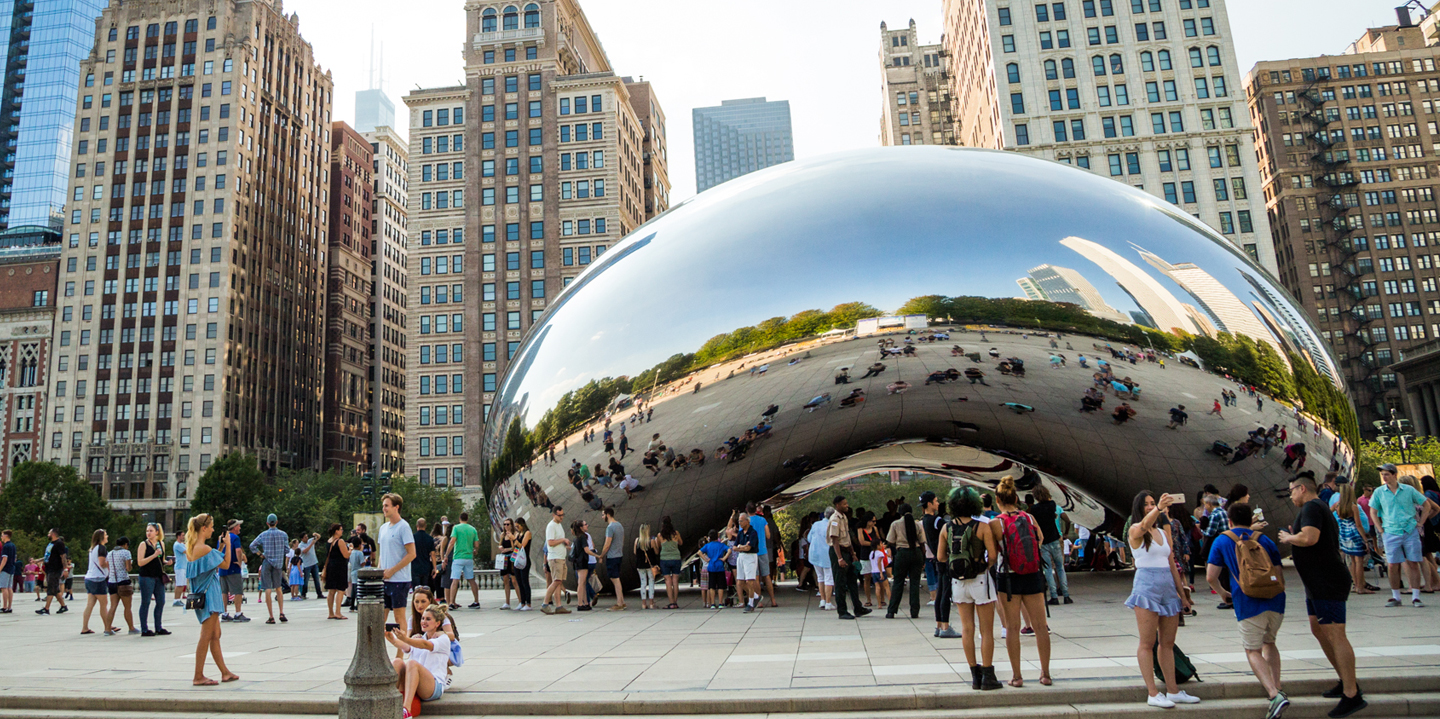
The answer to where you’ll find the Chicago Bean is simple yet profound: it resides within Millennium Park, a sprawling urban oasis in Chicago’s Loop community area. This masterpiece of modern public art stands proudly in the park’s AT&T Plaza, instantly recognizable even from a distance. Its location is deliberately central, allowing it to serve as a magnet for tourists and a gathering point for locals, embodying the city’s commitment to accessible art and green spaces.
A Jewel in Millennium Park’s Crown
Millennium Park itself is a premier destination, a testament to urban renewal and artistic ambition. Opened in 2004, it transformed a former industrial brownfield into a world-class civic space, attracting millions of visitors annually. The park is home to several other notable attractions, but it is undeniably Cloud Gate that captures much of the initial attention. Standing at 33 feet high, 42 feet wide, and 66 feet long, and weighing approximately 110 tons, the sculpture’s sheer scale is impressive. Its seamless, highly polished stainless steel surface acts as a convex mirror, distorting and reflecting the Chicago skyline, the sky above, and the throngs of people gathered around it.
The genius of its placement lies in its interaction with its surroundings. Visitors can walk around it, under its magnificent arch, and touch its cool, smooth surface. Each perspective offers a new reflection, a new angle on the city, making every interaction unique. This dynamic relationship between the art, the environment, and the viewer is what elevates Cloud Gate from a mere sculpture to an interactive experience.
The Vision Behind the Mirror: Anish Kapoor’s Masterpiece
The artistic vision for Cloud Gate belongs to the acclaimed British artist Anish Kapoor. His intent was to create a sculpture that would not only be visually striking but also engage deeply with its environment and the people within it. Kapoor’s work often explores themes of void, reflection, and perception, and Cloud Gate is a quintessential example of these interests. He envisioned a piece that would invite contemplation and play, blurring the lines between art and audience.
The construction of Cloud Gate was a monumental feat of engineering and artistry. Comprising 168 individual stainless steel plates meticulously welded together and then polished to a flawless, mirror-like finish, the absence of visible seams contributes significantly to its otherworldly appearance. The intricate process, spanning several years, required cutting-edge technology and skilled craftsmanship, resulting in a sculpture that looks as if it were a single, molten drop of mercury solidified in place. Kapoor’s ability to transform heavy industrial materials into something so ethereal and fluid is a hallmark of his genius, making the Chicago Bean a triumph of contemporary public art.
More Than Just a Sculpture: The Cloud Gate Experience
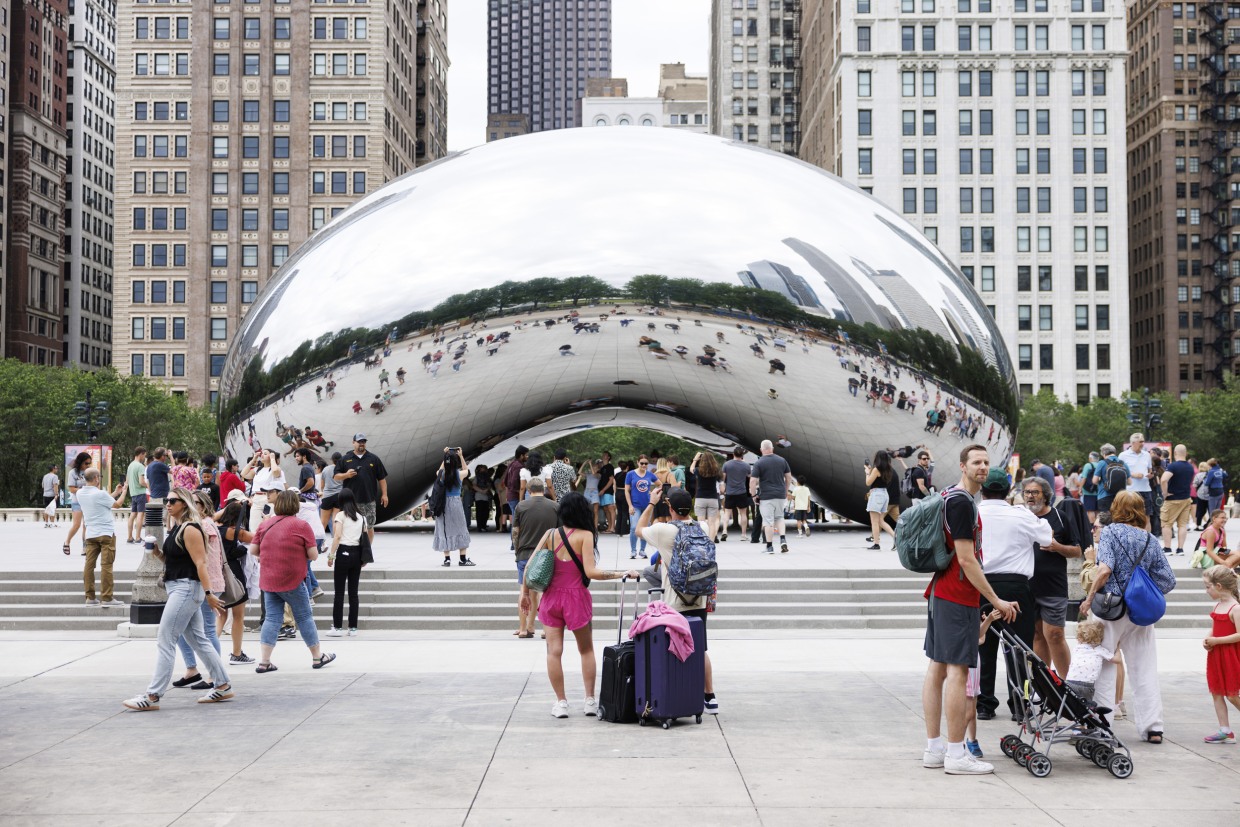
Visiting Cloud Gate is an experience in itself, one that engages all senses and invites interaction. It’s not uncommon to see families laughing as their reflections are distorted, photographers meticulously framing the perfect shot, or individuals simply standing in awe of its grandeur. The sculpture serves as a vibrant hub of activity, a place where people from all walks of life converge to share a moment of wonder.
Capturing the Moment: Photography Tips for the Bean
For many, a visit to the Chicago Bean is incomplete without capturing its iconic image. Its reflective surface offers endless photographic possibilities, from dramatic skyline reflections to playful distorted selfies. To make the most of your photographic endeavors, consider visiting during different times of the day. Sunrise offers soft light and fewer crowds, allowing for serene, unobstructed shots of the sculpture and its reflections. Sunset, on the other hand, bathes Cloud Gate in warm hues, creating stunning contrasts with the city lights.
Experiment with angles: crouch down for unique ground-level reflections, or step back to capture the full scope of its interaction with the surrounding architecture. Don’t forget to walk underneath the arch, known as the “omphalos” (Greek for “navel”), where the concave surface creates a mesmerizing kaleidoscope effect, pulling your reflection upward into an infinite vortex. A wide-angle lens can be particularly effective for capturing the sculpture’s expansive reflections and the grandeur of its setting within Millennium Park.
Embracing the Surroundings: Nearby Attractions
The beauty of the Chicago Bean’s location is its proximity to a wealth of other world-class attractions, making it an ideal starting point for a day of exploration. Within Millennium Park itself, you’ll find the stunning Crown Fountain, an interactive public art piece featuring two 50-foot glass block towers displaying digital videos of Chicago residents’ faces, periodically spouting water from their mouths. Nearby is the Jay Pritzker Pavilion, an outdoor concert venue designed by Frank Gehry, which hosts free concerts and cultural events throughout the warmer months.
Just a short stroll away lies the renowned Art Institute of Chicago, one of the oldest and largest art museums in the United States, boasting an encyclopedic collection spanning centuries and continents. For families, Maggie Daley Park offers an imaginative playground, a climbing wall, and an ice-skating ribbon in winter. Connecting seamlessly to Millennium Park, Grant Park extends further south, home to the magnificent Buckingham Fountain and a serene escape from the urban hustle. The historic Chicago Cultural Center, with its stunning stained-glass domes, is also within easy walking distance, offering free exhibits and performances. A walk along Michigan Avenue, often called the “Magnificent Mile,” reveals upscale shopping, dining, and architectural marvels. For those seeking even more, a slightly longer walk or short ride will take you to Navy Pier for entertainment or the Museum Campus, home to the Shedd Aquarium, Field Museum, and Adler Planetarium.
Planning Your Chicago Adventure: Beyond the Bean
While the Chicago Bean is undoubtedly a highlight, a comprehensive Chicago itinerary extends far beyond a single landmark. The city is a vibrant tapestry of culture, cuisine, architecture, and entertainment, offering something for every type of traveler, whether you’re seeking luxury travel experiences or budget-friendly adventures.
Finding Your Perfect Stay: Accommodation Options in Chicago
Chicago boasts an exceptional array of accommodation options, catering to every preference and budget. For those seeking the pinnacle of luxury, downtown Chicago offers world-renowned hotels with unparalleled service and amenities. The Langham Chicago, situated in a landmark Mies van der Rohe building, offers river views and exquisite dining. Other top-tier choices include the Peninsula Chicago, known for its elegant suites and prime Magnificent Mile location, and the Waldorf Astoria Chicago, offering a boutique luxury experience. The Four Seasons Chicago and Park Hyatt Chicago also stand out for their exceptional service and proximity to major attractions.
Mid-range options are plentiful and often provide excellent value without compromising on comfort or location. Hotels like the Hyatt Regency Chicago offer spacious rooms, multiple dining options, and easy access to Millennium Park and the Riverwalk. Numerous boutique hotels in neighborhoods like River North or the West Loop provide unique charm and a more localized feel. For budget-conscious travelers or those on family trips, various apartments and long-term stay options are available, particularly slightly outside the immediate downtown core, offering kitchenettes and more space. When booking, consider proximity to public transportation, reviews from other travelers, and amenities that align with your lifestyle, whether that’s a fitness center, pool, or pet-friendly policies.

Savoring the City: Culinary Delights and Cultural Immersion
No visit to Chicago is complete without indulging in its legendary food scene. From iconic deep-dish pizza at places like Lou Malnati’s or Giordano’s to gourmet Michelin-starred restaurants, the city is a culinary paradise. Explore diverse neighborhoods like Pilsen for authentic Mexican cuisine, Chinatown for exquisite Asian dishes, or the West Loop for its trendy eateries. Food tours are an excellent way to sample a variety of local flavors and learn about the city’s gastronomic history.
Beyond food, immerse yourself in Chicago’s rich cultural fabric. The city is a mecca for architecture enthusiasts, with famous places and historic buildings at every turn. Consider an architecture boat tour along the Chicago River for an unparalleled view of masterpieces like the Willis Tower (formerly the Sears Tower) and the 875 North Michigan Avenue (the former John Hancock Center). Visit the numerous museums on Museum Campus, catch a show in the historic Theatre District, or explore the vibrant street art in neighborhoods like Wicker Park. For sports fans, a game at Wrigleyville is a quintessential Chicago experience.
Why the Cloud Gate Remains a Must-Visit Landmark
The enduring popularity of Cloud Gate, or the Chicago Bean, lies in its ability to captivate and connect with people on multiple levels. It is a stunning visual spectacle, an interactive playground, and a symbol of Chicago’s innovative spirit. Its role as a landmark extends beyond its artistic merit, influencing tourism, local culture, and the very identity of the city.
A Testament to Modern Art and Urban Landscape
Cloud Gate stands as a powerful testament to the impact of modern art on the urban landscape. It transformed a public space into an art gallery without walls, making sophisticated contemporary art accessible to everyone. This integration of art and civic life enriches the daily experiences of residents and offers visitors a unique cultural encounter. It has inspired similar reflective sculptures in other cities, but none quite capture the magic and sheer magnetism of Kapoor’s original vision. The sculpture embodies a dynamic relationship between art, architecture, and human interaction, inviting passersby to become part of the artwork themselves through their reflections.
Practical Tips for a Seamless Visit
To ensure your visit to the Chicago Bean and Millennium Park is smooth and enjoyable, here are a few practical tips. The park is easily accessible via public transportation, with numerous bus routes and L train stops within walking distance. While the park is generally safe, especially during the day, always be aware of your surroundings and keep an eye on your belongings. Wear comfortable shoes, as you’ll likely do a lot of walking exploring Millennium Park and its environs. The best times to visit Cloud Gate to avoid the largest crowds are early mornings or late evenings, though the sculpture takes on a different, magical quality as the city lights illuminate its surface after dark.
In conclusion, the Chicago Bean sculpture is much more than just a large, reflective object in a park. It is a landmark of global significance, an architectural marvel, and a beacon for those seeking unique travel experiences. Its location in Millennium Park places it at the center of Chicago’s vibrant cultural scene, surrounded by attractions, world-class hotels, and endless opportunities for exploration. So, pack your bags, prepare your camera, and get ready to discover not just where the Chicago Bean is, but the entire captivating world of Chicago that surrounds it.
LifeOutOfTheBox is a participant in the Amazon Services LLC Associates Program, an affiliate advertising program designed to provide a means for sites to earn advertising fees by advertising and linking to Amazon.com. Amazon, the Amazon logo, AmazonSupply, and the AmazonSupply logo are trademarks of Amazon.com, Inc. or its affiliates. As an Amazon Associate we earn affiliate commissions from qualifying purchases.