
The Indispensable Role of a Power of Attorney in a Dynamic Lifestyle
In an increasingly mobile and interconnected world, individuals often juggle multiple residences, demanding careers that involve frequent travel, or enjoy extended periods exploring new destinations. For those embracing such a dynamic lifestyle, particularly with ties to the Sunshine State, understanding how to secure a Power of Attorney (POA) in Florida is not merely a legal formality but a cornerstone of proactive planning. A Power of Attorney grants a trusted individual—your “agent” or “attorney-in-fact”—the authority to make decisions or act on your behalf, ensuring your personal, financial, and even medical affairs are managed seamlessly, even when you are thousands of miles away or unable to act for yourself.
The essence of a well-crafted POA lies in its ability to provide peace of mind. Imagine you’re on an extended business trip across continents, or perhaps enjoying a sabbatical exploring the vibrant cultures of Southeast Asia. During this time, an unexpected need arises back in Florida – a property transaction requires immediate signatures, a utility bill needs contesting, or a medical decision needs to be made for a dependent. Without a Power of Attorney, these situations can quickly escalate into stressful, time-consuming, and potentially costly emergencies, disrupting your travel or professional commitments.
Why a POA is Essential for Travelers and Remote Livers
For anyone with a “lifestyle” that involves significant time away from their primary residence in Florida, a Power of Attorney offers critical advantages:
- Property Management: Snowbirds, expatriates, or long-term travelers who own property in Florida can authorize an agent to handle rentals, maintenance issues, property sales, or even hurricane preparations while they are absent. This avoids the logistical nightmare of returning for administrative tasks.
- Financial Oversight: Whether you are enjoying a luxury cruise or living on a budget across Europe, bills still need to be paid, investments managed, and banking transactions completed. A Power of Attorney allows your agent to manage these financial responsibilities, keeping your affairs in order regardless of your location.
- Medical Decisions: A medical Power of Attorney (often part of a broader Durable Power of Attorney or a separate healthcare surrogate designation) is crucial if you become incapacitated during your travels or while at home. It empowers a trusted individual to make healthcare decisions according to your wishes, alleviating stress for your loved ones.
- Business Continuity: For entrepreneurs or business professionals who frequently travel for work, a POA ensures that business operations, contract negotiations, or critical decisions can continue uninterrupted, protecting your livelihood and professional commitments.
- Peace of Mind: Perhaps the most valuable benefit is the psychological assurance that comes with knowing your affairs are in capable hands. This allows you to fully immerse yourself in your travel experiences, whether it’s a serene retreat in the Caribbean or an adventurous trek through the Andes, without constant worry about your responsibilities back home.
Navigating the Essentials: Types of POAs in Florida
Understanding the different types of Power of Attorney is crucial, as each serves a distinct purpose and carries specific limitations. In Florida, the choice of POA will depend on the scope of authority you wish to grant and the duration for which it should remain effective.
General vs. Durable Power of Attorney
- General Power of Attorney: This type grants broad authority to your agent to act on your behalf in a wide range of financial and legal matters. However, a general POA automatically terminates if you become incapacitated. While useful for specific, temporary situations where you are merely unavailable (e.g., you’re away on a trip and need someone to handle a closing), its inability to function during incapacitation makes it less suitable for comprehensive long-term planning, particularly for those whose lifestyle inherently carries varying degrees of risk or prolonged absence.
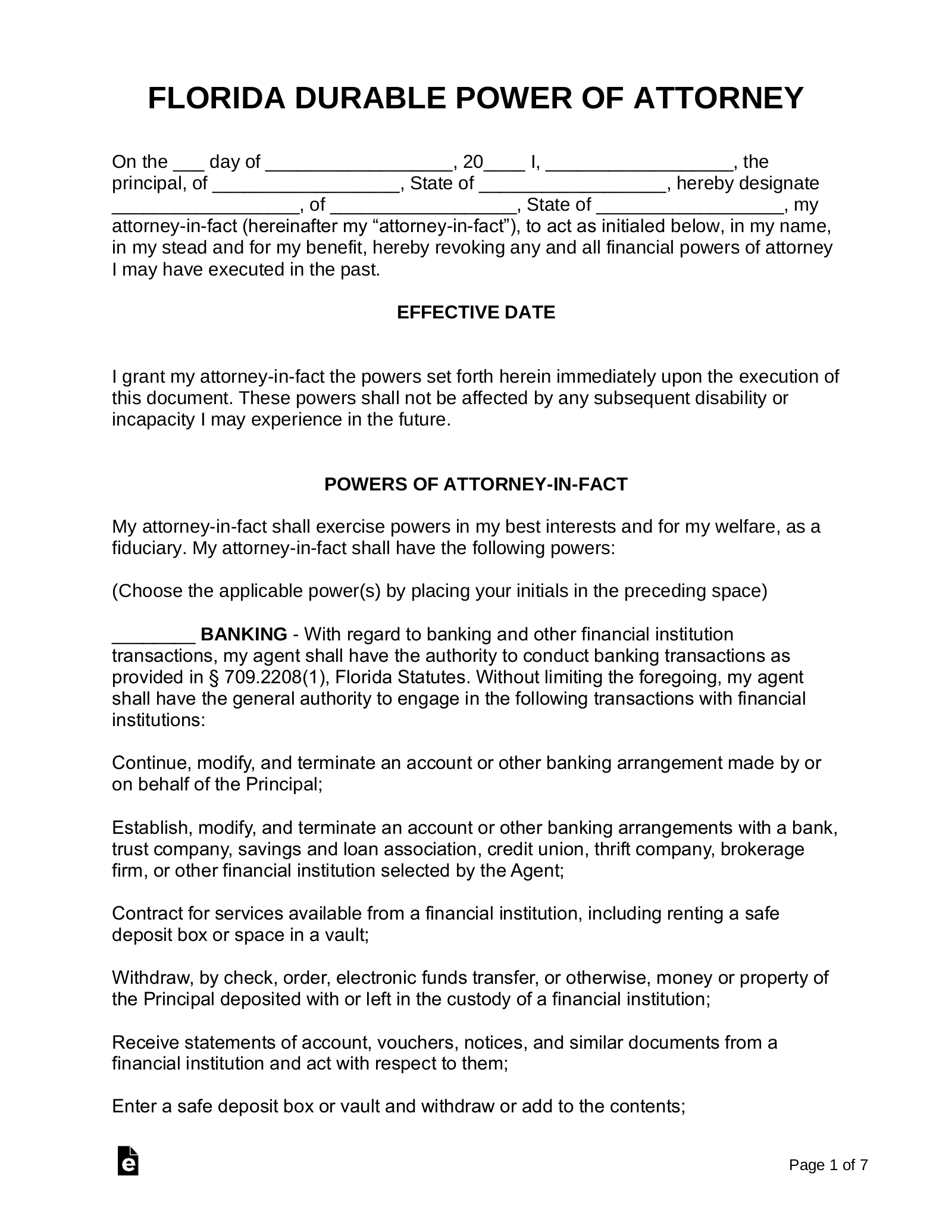
- Durable Power of Attorney: This is the most common and highly recommended type for lifestyle planning. A durable POA remains in effect even if you become incapacitated. This is incredibly important for travelers or individuals who might face unforeseen medical emergencies or accidents. In Florida, all POAs are presumed durable unless they specifically state otherwise. This durability is critical for ensuring continuous management of your affairs, whether you’re recovering from an illness abroad or managing a long-term health condition. It provides stability when life circumstances change unexpectedly.
Limited vs. Springing Power of Attorney
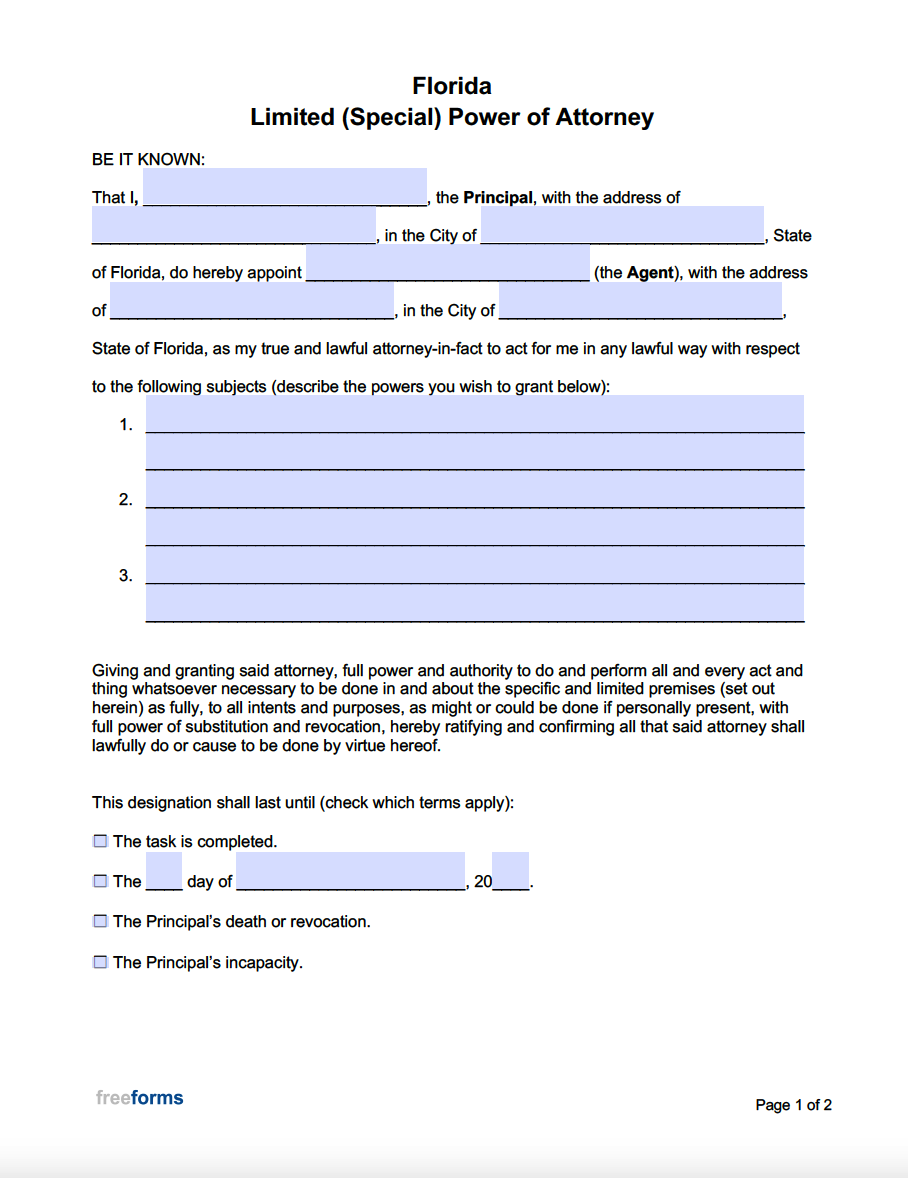
- Limited (or Special) Power of Attorney: If you only need to grant authority for a very specific task or for a defined period, a limited POA is appropriate. For instance, you might grant authority solely for the sale of a particular piece of property while you are on an extended vacation, or to manage specific business transactions while you attend a conference. This type restricts the agent’s powers to precisely what is outlined in the document, offering a precise way to delegate authority without broad generalization.
- Springing Power of Attorney: A springing POA becomes effective only upon the occurrence of a specified event or condition, usually your incapacitation. While this might seem appealing, Florida law generally disfavors springing POAs due to the potential for disputes over when the “triggering event” has actually occurred. Proving incapacitation can be a complex and sometimes contentious process, potentially delaying the very assistance you need. For this reason, a durable POA that is effective immediately is often preferred for its clear-cut implementation.
The Step-by-Step Process: Obtaining a POA in Florida
Obtaining a Power of Attorney in Florida involves several critical steps, each requiring careful consideration to ensure the document is legally sound and accurately reflects your intentions, especially given the intricacies of a globally mobile lifestyle.
Choosing Your Agent Wisely
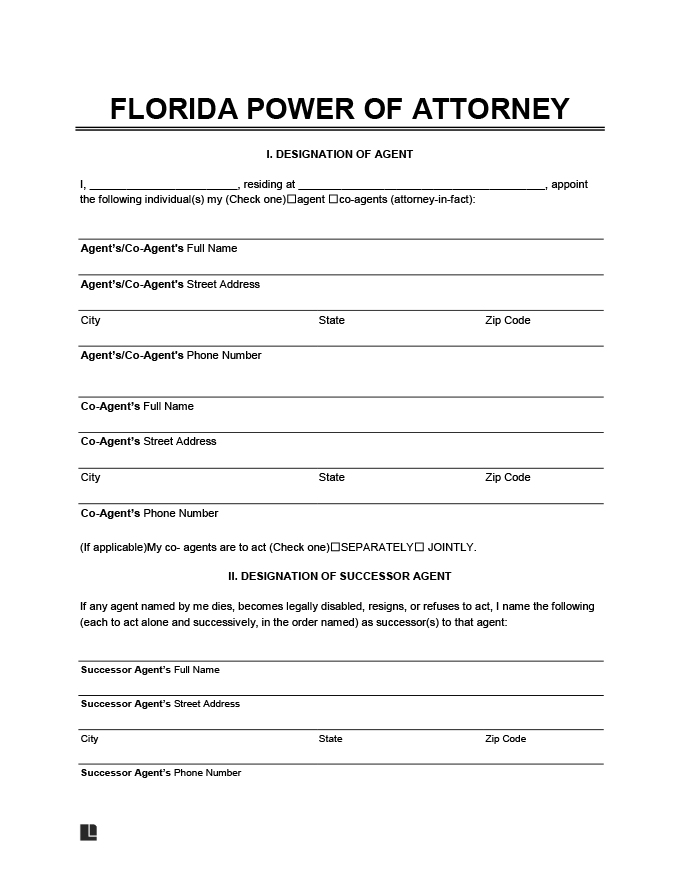
Selecting the right agent is paramount. This individual will have significant power over your personal and financial life, so trust, integrity, and capability are non-negotiable. Consider someone who:
- Is trustworthy: This is the most crucial factor. Your agent will handle sensitive information and assets.
- Is reliable and responsible: They should be organized, attentive to detail, and capable of managing the tasks you assign.
- Lives geographically close (or is easily accessible): While not always necessary, having an agent who can physically access documents, banks, or properties in Florida can be highly beneficial.
- Understands your wishes and values: Especially for medical decisions, your agent should be someone who knows your preferences and can advocate for them effectively.
- Is willing to serve: Discuss this role with your chosen individual beforehand to ensure they are comfortable and prepared for the responsibility.
- Name Successor Agents: Always designate at least one, preferably two, successor agents in case your primary agent is unable or unwilling to serve. This contingency planning is vital for maintaining continuity in your protective measures.
Drafting the Document: Key Provisions and Legal Requirements
While online templates exist, consulting with an experienced Florida estate planning attorney is highly recommended. An attorney can tailor the POA to your specific lifestyle, assets, and wishes, navigating Florida’s specific legal requirements. Key provisions to include:
- Specific Powers Granted: Clearly enumerate the powers you are granting (e.g., banking transactions, real estate transactions, investment management, healthcare decisions, accessing digital accounts). Be as specific as possible to avoid ambiguity. Florida Statutes outline various enumerated powers; simply checking boxes on a generic form may not fully capture your needs.
- Effective Date: Specify when the POA becomes effective (e.g., immediately upon signing, or upon the occurrence of a specific event if using a springing POA, though as mentioned, this is generally less advised).
- Duration: Indicate if the POA is perpetual, or if it terminates on a specific date or event (e.g., your return from a trip). For durability, ensure it explicitly states it remains valid upon incapacitation.
- Compensation for Agent: You can specify whether your agent will be compensated for their services.
- Reporting Requirements: You might include clauses requiring the agent to provide periodic accountings of their actions.
Execution and Witness Requirements
In Florida, for a Power of Attorney to be legally valid, it must meet specific execution requirements:
- Signed by the Principal: You, as the “principal” granting the power, must sign the document.
- Witnessed: The signing must be witnessed by two subscribing witnesses.
- Notarized: The principal’s signature must be acknowledged by a notary public.
These requirements ensure the authenticity of the document and help prevent fraud. While remote notarization may be available in some contexts, for a formal document like a POA, in-person execution with witnesses and a notary is the standard and most robust approach.
Ensuring Your Lifestyle and Legacy are Protected
A Power of Attorney is not a static document; it’s a living tool that should evolve with your life. For individuals whose lifestyles are characterized by change – new travel plans, property acquisitions, shifts in health, or family dynamics – regular review and potential updates are essential.
Regular Review and Updates
Periodically, perhaps every 3-5 years, or whenever a significant life event occurs, you should revisit your Power of Attorney.
Consider these factors:
- Changes in your personal circumstances: Marriage, divorce, birth of children, or the passing of a loved one might necessitate changing your designated agent or their scope of authority.
- Changes in your financial situation: Acquiring new assets, starting a business, or making significant investments could mean your current POA doesn’t adequately cover these new aspects.
- Changes in your travel plans or health: If you’re embarking on a particularly risky adventure or facing health challenges, you might want to review the medical provisions of your POA.
- Changes in Florida Law: While POAs are generally stable, legal statutes can change, making it prudent to ensure your document remains compliant.
By proactively addressing these considerations and working with a qualified Florida attorney, you can ensure your Power of Attorney remains a robust and effective instrument, perfectly complementing your lifestyle and safeguarding your interests, no matter where your journey takes you. It’s an investment in uninterrupted living and the ultimate peace of mind.
LifeOutOfTheBox is a participant in the Amazon Services LLC Associates Program, an affiliate advertising program designed to provide a means for sites to earn advertising fees by advertising and linking to Amazon.com. Amazon, the Amazon logo, AmazonSupply, and the AmazonSupply logo are trademarks of Amazon.com, Inc. or its affiliates. As an Amazon Associate we earn affiliate commissions from qualifying purchases.