
Navigating the Sunshine State, whether for an extended vacation, a seasonal stay, or a permanent move, often involves the use of a vehicle. For many, the need for a temporary vehicle registration, or “tag,” arises, presenting a unique set of circumstances and questions. Understanding the process for obtaining a temporary tag in Florida is crucial for a seamless experience, ensuring compliance with local regulations and allowing you to fully enjoy all that Florida has to offer, from its pristine beaches to its vibrant urban centers. This guide provides comprehensive tips for tourists, snowbirds, and new residents alike on securing the proper documentation for their vehicle.
Understanding Temporary Vehicle Registration in Florida
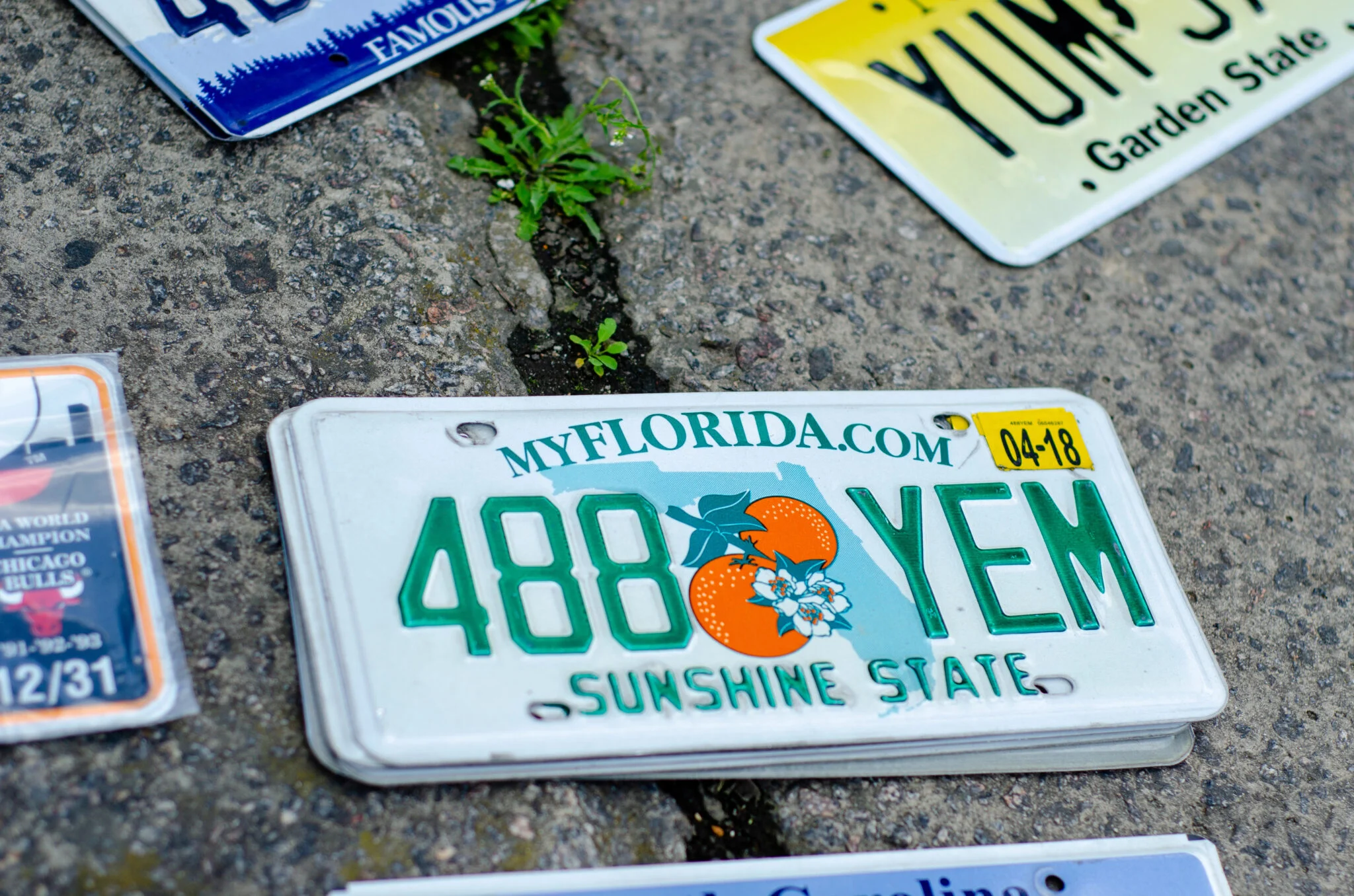
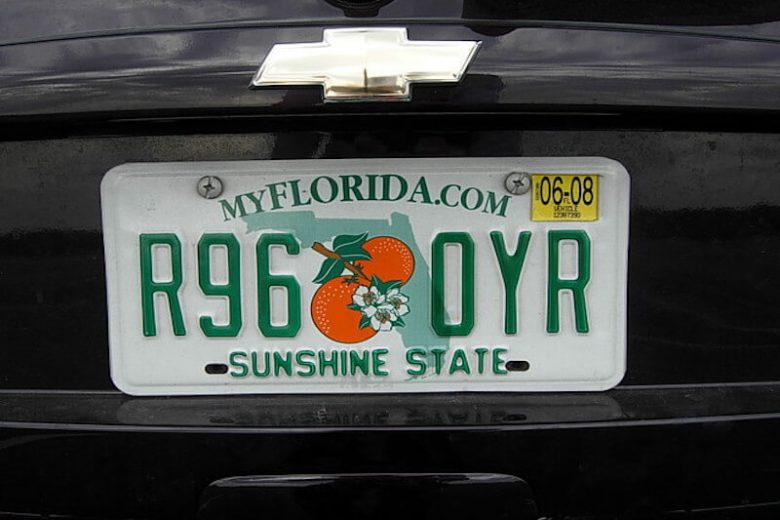
A temporary tag, often referred to as a temporary license plate or temporary registration, serves as an interim solution for operating a vehicle legally on public roads when a permanent license plate is not immediately available. In Florida, these tags are essential for various scenarios, ranging from newly purchased vehicles to those being transported into or out of the state by non-residents. The underlying purpose is to ensure that every vehicle on Florida’s roads is identifiable and accounted for, even if its permanent registration is still in process.
The necessity for a temporary tag in Florida can stem from several common situations. New residents moving to cities like Miami, Orlando, or Tampa who have recently purchased a vehicle or are in the process of transferring an out-of-state title will often require one while waiting for their permanent Florida plates to be issued. Similarly, individuals who buy a vehicle from a private seller and need time to title and register it under their name will use a temporary tag. Tourists or visitors who are transporting a vehicle through Florida but do not intend to register it permanently in the state may also need a temporary permit to ensure legal transit. Even in cases where a permanent plate is lost, stolen, or damaged, a temporary replacement can be issued to maintain vehicle operability. The key takeaway for anyone interacting with Florida’s roadways is that an unregistered vehicle is an illegal vehicle, making the temporary tag a critical administrative tool.
Types of Temporary Tags and Their Uses
Florida offers several types of temporary tags, each designed for specific circumstances and durations. Understanding which one applies to your situation is the first step toward a smooth application process.
Dealer-Issued Temporary Tags
Perhaps the most common type, these tags are provided by licensed dealerships when you purchase a new or used vehicle. A dealership typically issues a temporary tag that is valid for 30 days. This allows you to legally drive your newly acquired vehicle off the lot while the dealership processes the permanent title and registration paperwork with the Florida Department of Highway Safety and Motor Vehicles (FLHSMV) or a local County Tax Collector’s Office. This is particularly convenient for visitors who decide to make an impulse purchase of a vehicle during their stay and need to drive it home or to their seasonal residence.
30-Day Temporary Tags for Private Sales or Out-of-State Transfers
When purchasing a vehicle from a private seller in Florida, or if you’re a new Florida resident bringing in an out-of-state vehicle, you will typically need to apply for a 30-day temporary tag yourself. This tag provides a grace period to complete the necessary titling and registration processes. This is especially relevant for “snowbirds” or seasonal residents who decide to register a vehicle in Florida for their extended stay, or for new full-time residents who have recently moved to areas like Sarasota or Naples and are transitioning their vehicle registration.
Visitor/Non-Resident Temporary Permits
For non-residents transporting a vehicle through Florida that is not currently registered, or for those who have purchased a vehicle in Florida and intend to register it in another state, a temporary permit specifically for transit might be required. These permits are typically short-term and ensure that the vehicle can legally pass through Florida without being subject to immediate Florida registration requirements. This is a common scenario for tourists who purchase a classic car in Florida and plan to drive it back to their home state.
Special Circumstances Tags
Other less common temporary tags exist for specific situations, such as when a permanent plate is being replaced, for vehicles needing repair or inspection before permanent registration, or for transporters of mobile homes. While less common for the typical tourist or new resident, these options highlight Florida’s comprehensive system for managing vehicle movement.
The Application Process: Step-by-Step Guide
Securing a temporary tag in Florida involves a clear, albeit sometimes detailed, process. Being prepared with the correct documentation and knowing where to go can significantly streamline the experience.
Required Documentation
The exact documents needed can vary slightly depending on the type of temporary tag and your specific situation, but generally, you will need:
- Proof of Ownership: This is paramount. For a new purchase, this could be the manufacturer’s certificate of origin (MCO) or a bill of sale. For a used vehicle, it will be the vehicle’s title, properly signed over by the previous owner. If you’re transferring an out-of-state vehicle, you’ll need its current out-of-state title.
- Proof of Florida Insurance: Florida requires all registered vehicles to have personal injury protection (PIP) and property damage liability (PDL) insurance. You will need to provide proof of current Florida insurance coverage for the vehicle. This is a crucial step that often catches newcomers off guard.
- Identification: A valid government-issued photo ID, such as a Florida driver’s license or ID card, or an out-of-state driver’s license/passport if you are a non-resident.
- Proof of Residency (if applicable): If you are a new Florida resident, you might need to show proof of your Florida residential address, such as a utility bill, lease agreement, or bank statement.
- Vehicle Identification Number (VIN) Verification: For out-of-state vehicles, a VIN verification might be required. This confirms that the VIN on your vehicle matches the VIN on your ownership documents. This can typically be done by an officer from a law enforcement agency, a licensed dealership, or a designated motor vehicle inspection station.
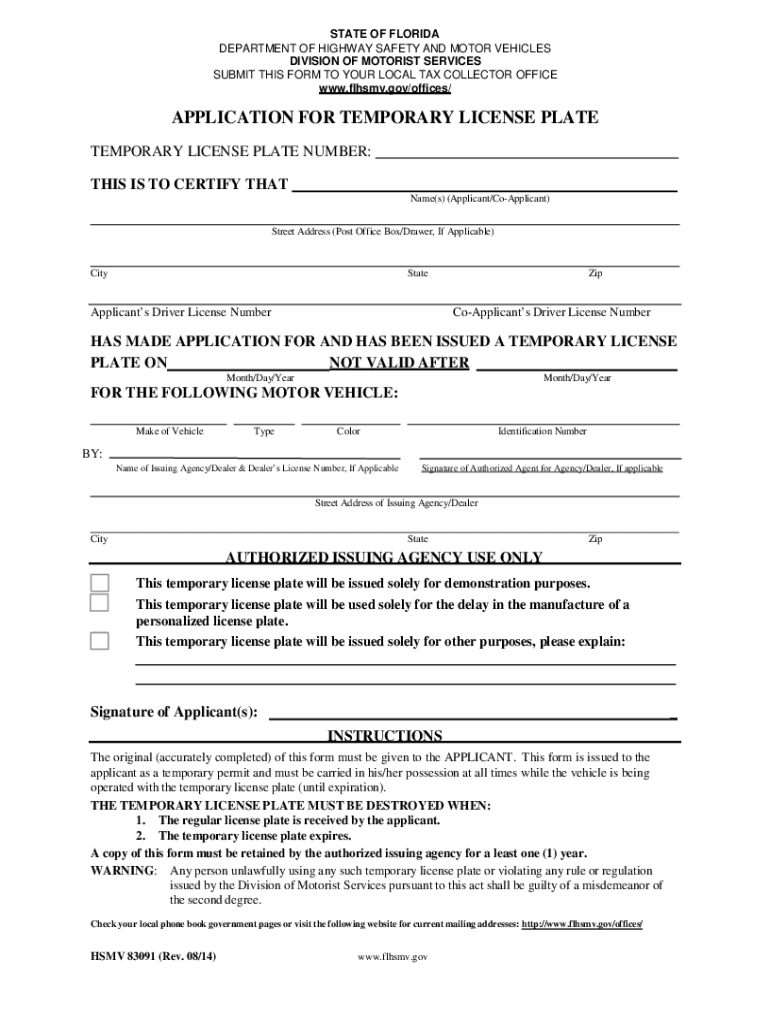
- Application Form: You will need to complete the appropriate application form for vehicle registration.
Where to Apply
While dealerships handle the temporary tags for new purchases, if you’re obtaining one for a private sale or out-of-state vehicle, you’ll visit one of these locations:
- County Tax Collector’s Offices: These are the primary points of contact for vehicle registration services in Florida. Each county, whether it’s Orange County for Orlando or Miami-Dade County for Miami, has an office or multiple branches. They are equipped to process temporary tags, permanent registrations, and title transfers.
- Florida Department of Highway Safety and Motor Vehicles (FLHSMV) Service Centers: While many services are delegated to county tax collectors, some FLHSMV service centers may also offer these services. It’s always best to check their website or call ahead to confirm.
Fees and Duration
There are fees associated with obtaining a temporary tag, which can vary. These fees typically cover administrative costs and, in some cases, a portion of future registration fees. The standard duration for most temporary tags obtained outside of a dealership is 30 days. It’s critical to adhere to this timeframe and initiate the process for permanent registration well before the temporary tag expires to avoid any legal issues or penalties.
Important Considerations for Tourists and Newcomers
For those visiting or newly settling in Florida, several nuances should be kept in mind regarding temporary tags and vehicle operation.
Insurance Requirements
Even with a temporary tag, your vehicle must be insured according to Florida law. If you are an out-of-state resident driving a vehicle with an out-of-state temporary tag, your home state’s insurance might suffice, but it’s vital to confirm coverage in Florida. If you are registering a vehicle in Florida, even temporarily, Florida-compliant insurance is a must.
Ensuring Compliance to Avoid Penalties
Driving with an expired temporary tag or without one when required can lead to fines, citations, and even your vehicle being impounded. Always keep your temporary registration documents and proof of insurance in your vehicle. For tourists enjoying the attractions of Kissimmee or the beaches of Fort Lauderdale, unexpected vehicle issues can quickly dampen a trip.
What to Do If Your Temporary Tag Expires
If your temporary tag is nearing expiration and you still haven’t received your permanent plates, contact your local County Tax Collector’s Office immediately. In some cases, extensions or new temporary tags can be issued, especially if delays are due to processing backlogs. Do not continue driving with an expired tag.
Tips for a Smooth Process in Florida
- Plan Ahead: Don’t wait until the last minute to apply for a temporary tag or begin your permanent registration process.
- Gather Documents in Advance: Having all your paperwork organized will save you time and potential repeat visits.
- Call Ahead: Confirm office hours, required documents, and any specific procedures with your local County Tax Collector’s Office before your visit.
- Be Patient: While Florida’s system is generally efficient, peak seasons or unexpected issues can lead to wait times.
Navigating Florida’s Roads with a Temporary Tag
Once you have your temporary tag, you’re ready to explore Florida. However, being aware of certain aspects of driving in the state can enhance your experience.
Understanding Local Traffic Laws
Florida has specific traffic laws, including those related to toll roads. Ensure you are familiar with the rules of the road. For instance, right turns on red are generally permitted after a stop unless otherwise posted, and school zone speed limits are strictly enforced.
Toll Roads and SunPass Implications
Florida has numerous toll roads, bridges, and express lanes, particularly around major metropolitan areas like Orlando and Miami. While some tolls accept cash, many are cashless, relying on electronic transponders like SunPass or “Toll-By-Plate” systems. If you have a temporary tag, especially an out-of-state one, be mindful of how tolls will be collected. Rental cars often come with a transponder, but private vehicles with temporary tags will be billed via their license plate number through the Toll-By-Plate system, which can sometimes incur additional administrative fees. Consider purchasing a SunPass mini or portable transponder for extended stays to save money on tolls.
Safety Tips
When driving in Florida, especially in tourist-heavy areas, remain vigilant. Be aware of cyclists, pedestrians, and motorcyclists. During hurricane season (June 1st to November 30th), monitor weather reports and be prepared for potential road closures or evacuation orders.
Obtaining a temporary tag in Florida is a straightforward process once you understand the requirements and where to go. By planning ahead and gathering the necessary documents, visitors and newcomers can quickly get their vehicles legally registered, allowing them to focus on enjoying the vibrant culture, delicious cuisine, and endless activities that make Florida a top destination.
LifeOutOfTheBox is a participant in the Amazon Services LLC Associates Program, an affiliate advertising program designed to provide a means for sites to earn advertising fees by advertising and linking to Amazon.com. Amazon, the Amazon logo, AmazonSupply, and the AmazonSupply logo are trademarks of Amazon.com, Inc. or its affiliates. As an Amazon Associate we earn affiliate commissions from qualifying purchases.