
Navigating the administrative landscape of vehicle ownership is a critical aspect of managing one’s lifestyle, especially when residing in or relocating to a dynamic state like Florida. A car title is far more than just a piece of paper; it’s the legal document proving ownership of your vehicle, essential for everything from selling your car to securing a loan, and even ensuring a seamless driving experience within the state’s vibrant communities. Understanding the process of obtaining, transferring, or replacing a car title in Florida is therefore a fundamental skill for any car owner. This guide delves into the specifics, offering a clear roadmap to ensure your vehicle ownership is legally sound and hassle-free, allowing you to focus on enjoying the Florida lifestyle.
Understanding the Florida Car Title System: A Lifestyle Essential
The Florida Department of Highway Safety and Motor Vehicles (FLHSMV) is the governing body responsible for issuing car titles throughout the state. Their system is designed to maintain a clear record of vehicle ownership, which is crucial for public safety, law enforcement, and consumer protection. For residents, understanding this system is paramount to maintaining legal compliance and protecting a valuable asset.
What is a Car Title?
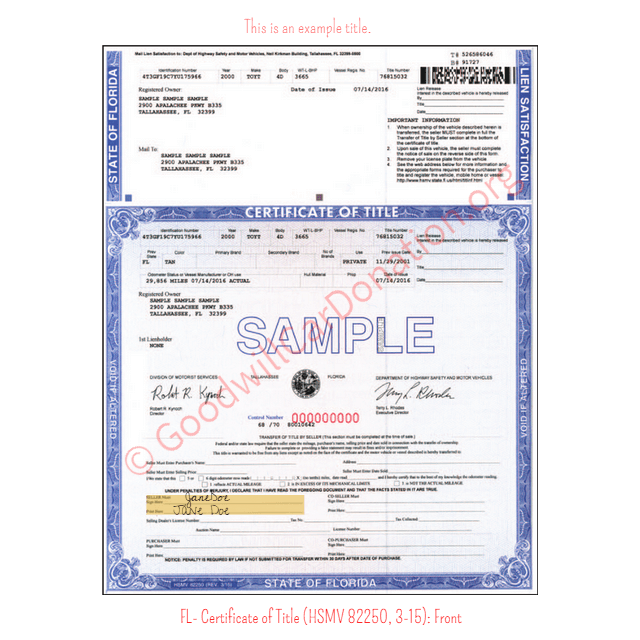
A car title, also known as a Certificate of Title, is the legal document that establishes a person or entity as the legal owner of a vehicle. It contains vital information about the car, including its Vehicle Identification Number (VIN), make, model, year, and odometer reading, as well as the names and addresses of the owner(s) and any lienholders. In essence, it’s the proof that you genuinely own your vehicle, separating you from mere possession. Without a valid title, selling your car, registering it, or even proving its legality in many situations becomes exceptionally difficult, hindering your ability to fully control a key aspect of your personal mobility and financial standing.
Why is it Crucial for Your Florida Lifestyle?
In Florida, where personal vehicles are often central to daily life, a clear and accessible car title is indispensable. For those who frequently travel, work, or engage in recreational activities across the state, ensuring legal ownership prevents complications. Whether you’re planning a weekend trip to Miami Beach, commuting to work in Orlando, or exploring the Everglades, your car is an extension of your freedom. A properly titled vehicle:
- Facilitates Sales and Transfers: When it’s time to upgrade or downsize, a clear title makes selling your vehicle straightforward and legitimate.
- Secures Financial Transactions: If you need to use your car as collateral for a loan, a title is essential proof of asset ownership.
- Ensures Legal Compliance: It’s required for proper vehicle registration and obtaining license plates, preventing legal issues and fines.
- Protects Your Investment: In case of theft or damage, the title helps prove ownership to insurance companies, streamlining claims.
Neglecting title requirements can lead to significant headaches, impacting your financial stability and daily routine.
Navigating New Car Title Acquisition
Obtaining your first Florida car title varies slightly depending on whether you purchase from a licensed dealership or a private party. Each scenario has specific steps designed to ensure a smooth transition of ownership.
Buying from a Dealership in Florida
When you purchase a new or used vehicle from a licensed dealership in Florida, the process of obtaining your title is largely handled for you, representing a convenience that often justifies the dealership premium. Dealerships are legally required to manage the title and registration paperwork on behalf of their customers.
- Paperwork Completion: The dealership will have you complete all necessary forms, including the Application for Certificate of Title With/Without Registration (HSMV Form 82040) and any relevant sales tax forms.
- Fees Collection: They will collect all applicable fees, including sales tax, title fees, and registration fees.
- Submission to FLHSMV: The dealership will submit all paperwork and fees to the local Tax Collector’s office or the FLHSMV.
- Title Issuance: The FLHSMV will process the application and mail the physical title to you or your lienholder (if financed). This typically takes a few weeks. In some cases, an electronic title (e-title) may be issued, meaning no physical paper title is printed unless requested.
This streamlined process allows new car owners to quickly integrate their new vehicle into their Florida lifestyle without getting bogged down in administrative details.
Private Party Purchase in Florida
Buying a vehicle from a private seller requires you, the buyer, to take a more active role in the title transfer process. While it can offer cost savings, it also places the responsibility for accurate and timely paperwork squarely on your shoulders.
- Secure the Original Title: Ensure the seller provides you with the original, physical Florida Certificate of Title. Verify that the VIN on the title matches the VIN on the vehicle.
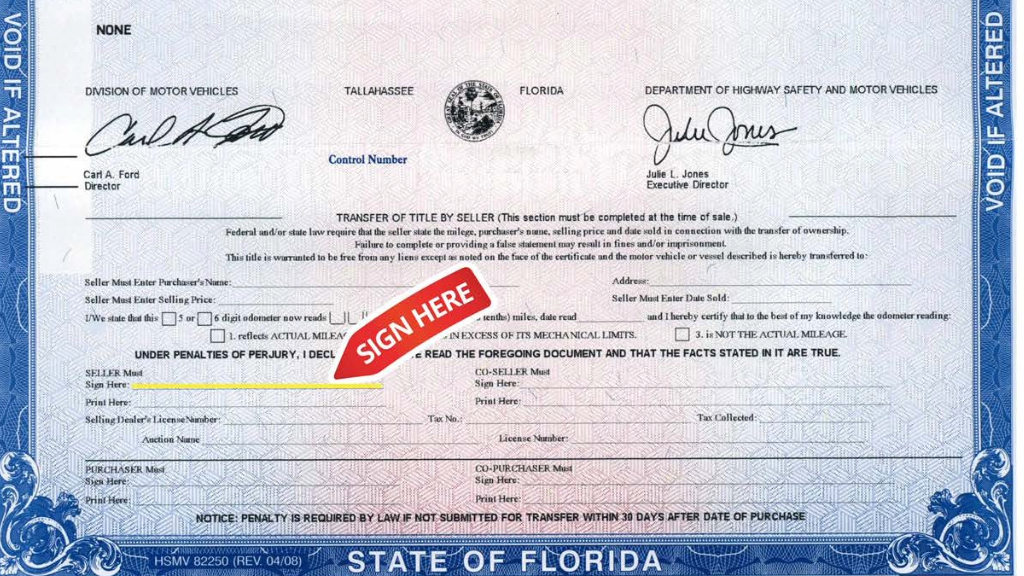
- Seller’s Endorsement: The seller must properly complete the “Transfer of Title” section on the front of the title. This includes signing the title, entering the odometer reading, and listing the sale price.
- Buyer’s Information: As the buyer, you will complete your sections, including your name, address, and signature.
- Application for Certificate of Title: You must complete an Application for Certificate of Title With/Without Registration (HSMV Form 82040).
- Proof of Insurance: You must have valid Florida auto insurance before you can register the vehicle.
- Visit a Tax Collector’s Office: Within 30 days of purchase, take the completed title, HSMV Form 82040, proof of insurance, and a valid photo ID to a local Florida Tax Collector’s office. You will pay sales tax (6% of the purchase price), title fees, and registration fees.
- Vehicle Identification Number (VIN) Verification: If the vehicle was previously titled out-of-state, a VIN verification (HSMV Form 82042) is required. This can often be done at the Tax Collector’s office, by a law enforcement officer, or by a dealer.
- Title Issuance: After processing, the FLHSMV will mail the title to you or your lienholder.
Missing any of these steps can delay your legal ownership and ability to drive the vehicle confidently.
Relocating to Florida: Titling Your Out-of-State Vehicle
Moving to Florida marks a significant lifestyle change for many, bringing with it a checklist of administrative tasks. Titling your out-of-state vehicle is a priority to establish your residency and comply with Florida law. You generally have 10 days to register your vehicle after becoming a Florida resident or obtaining gainful employment, and titling is part of this process.
The Initial Steps
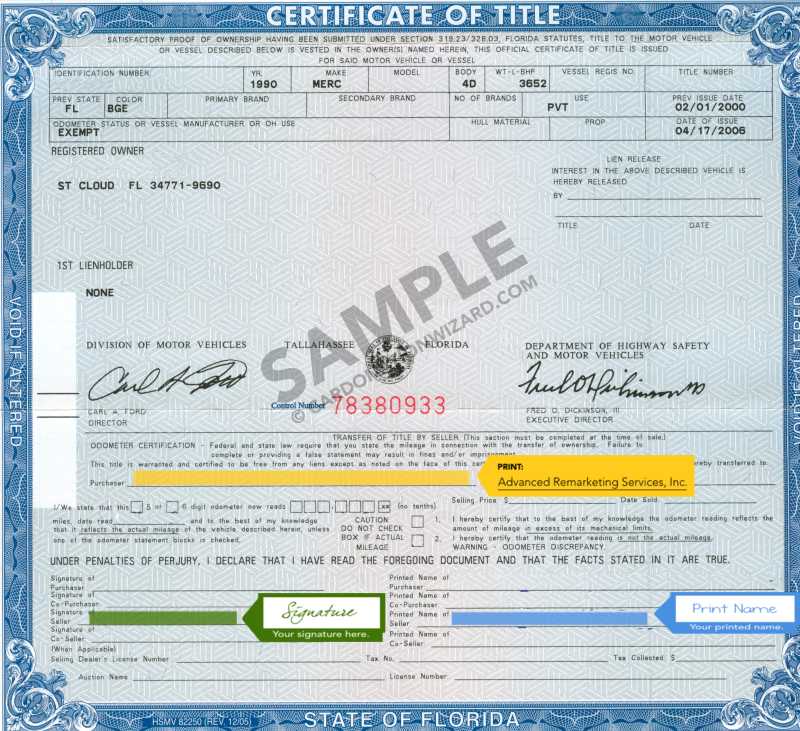
- Gather Out-of-State Title: You will need your original vehicle title from the state you are relocating from. If there is a lienholder, they may hold the title, requiring you to contact them to request its release or for the FLHSMV to request it directly.
- Florida Insurance: Obtain valid Florida auto insurance. Minimum coverage includes Personal Injury Protection (PIP) and Property Damage Liability (PDL).
- Odometer Reading: Be prepared to provide an accurate odometer reading.
Required Documentation
When you visit a local Florida Tax Collector’s office to title and register your out-of-state vehicle, you will need the following:
- Original Out-of-State Title: Essential for transferring ownership to Florida.
- Application for Certificate of Title With/Without Registration (HSMV Form 82040): Completed with all relevant information.
- Vehicle Identification Number (VIN) Verification (HSMV Form 82042): Required for all out-of-state vehicles. This form verifies the VIN and odometer reading. It can often be completed by a Florida notary, a law enforcement officer, or certain dealerships.
- Proof of Florida Auto Insurance: Your policy must meet the state’s minimum requirements.
- Proof of Identity: A valid driver’s license or state ID.
- Payment for Fees: Be prepared to pay for the initial Florida title fee, new resident tax (if applicable), and registration fees, which include license plate costs.
Once submitted and approved, the FLHSMV will process your application, and your new Florida title will be mailed to you or your lienholder. This ensures your vehicle is fully integrated into your new Florida lifestyle.
Replacing a Lost, Stolen, or Damaged Title
Life happens, and occasionally, an important document like a car title can get lost, stolen, or damaged. While stressful, replacing your Florida car title is a straightforward process managed by the FLHSMV, ensuring you retain legal ownership without prolonged inconvenience.
Applying for a Duplicate Florida Title
If your original Florida title is no longer available, you can apply for a duplicate. This is crucial for maintaining proper vehicle records, especially if you plan to sell the car or make any other ownership changes.
- Complete Application for Duplicate Title (HSMV Form 82101): This form specifically requests a duplicate of your existing title. You will need to provide information about the vehicle and affirm that the original is lost, stolen, or mutilated.
- Provide Proof of Identity: A valid driver’s license or state ID is required.
- Payment of Fees: There is a fee for a duplicate title.
- Submission: You can submit HSMV Form 82101 and the fee either in person at a local Florida Tax Collector’s office or by mail to the FLHSMV.
- Receipt of Duplicate Title: The duplicate title will typically be mailed to the owner’s address on record (or the lienholder if one is noted) within a few weeks.
Expedited Options
For those who require a duplicate title quickly—perhaps for an urgent sale or other time-sensitive transaction—Florida offers an expedited service. This service, often referred to as a “fast title” or “rush title,” allows you to obtain a duplicate title much faster, sometimes even on the same day if applying in person.
- Fast Title Application: To apply for a fast title, you generally follow the same steps as a standard duplicate title but indicate your request for an expedited service.
- Additional Fee: An additional fee is charged for the expedited processing.
- In-Person Requirement: Fast titles usually require in-person application at a designated Florida Tax Collector’s office that offers this service. It’s advisable to call ahead to confirm availability and requirements.
Utilizing the expedited option can significantly reduce downtime, ensuring your lifestyle and plans are not unduly interrupted by missing documentation.
Transferring a Florida Car Title: A Guide for Life Changes
Transferring a car title is a common occurrence reflecting various life changes, such as selling a vehicle, gifting it to a family member, or handling an inheritance. Each scenario requires careful attention to detail to ensure a legal and smooth transfer of ownership in Florida.
Selling Your Vehicle
When you sell your vehicle, accurately transferring the title is your primary responsibility as the seller to avoid future liabilities.
- Locate the Original Title: You must have the original Florida Certificate of Title. If a lien is present, it must be satisfied, and the lienholder should sign off or provide a lien satisfaction letter.
- Complete the “Transfer of Title” Section: On the front of the title, you, as the seller, must:
- Sign your name exactly as it appears on the title.
- Print your name and address.
- Enter the date of sale.
- Record the accurate odometer reading.
- State the selling price.
- Provide a Bill of Sale: While not always strictly required for title transfer, a Bill of Sale (HSMV Form 82050) is highly recommended. It serves as an additional record of the transaction, protecting both the buyer and the seller. It specifies the vehicle details, purchase price, and confirms the transfer of ownership.
- Release of Liability (Optional but Recommended): The FLHSMV offers an online “Notice of Sale” or “Report of Sale” which helps you officially notify the state that you are no longer the owner. This helps protect you from liabilities related to the vehicle after the sale.
- Remove License Plate: In Florida, license plates belong to the owner, not the vehicle. You must remove your plate and either transfer it to another vehicle you own or surrender it to a Florida Tax Collector’s office.
Gifting or Inheriting a Vehicle
Gifting or inheriting a vehicle involves specific title transfer procedures to correctly update ownership records.
- Gifting a Vehicle: If you are gifting a vehicle, the process is similar to a sale, but the “selling price” will be listed as zero or “GIFT.” Both parties must complete the title transfer section, and the recipient will still be responsible for title and registration fees. A notarized statement of gift (HSMV Form 82002) is also often used to verify the transaction as a gift and avoid sales tax for the recipient.
- Inheriting a Vehicle: When a vehicle is inherited, the transfer process depends on the specific circumstances of the estate.
- With a Will: If the deceased had a will and the vehicle is specifically bequeathed, the executor of the estate will typically sign the title over to the heir using certified copies of the will and probate documents.
- Without a Will (Intestate): If there is no will, the transfer may require court order or specific affidavits, such as a “Affidavit for Transfer of Title for a Motor Vehicle Without a Probate Proceeding” (HSMV Form 82152), often used for small estates to transfer ownership to the surviving spouse or immediate family members.
- Lienholders: If there is a lien on the inherited vehicle, the lien must be satisfied, or the new owner must assume responsibility for the debt.
In all transfer scenarios, the new owner must visit a Florida Tax Collector’s office with the properly assigned title, proof of insurance, and identification to complete the transfer, pay any applicable fees, and register the vehicle in their name. Successfully navigating these processes ensures continuity in managing your assets and enjoying your Florida lifestyle.
LifeOutOfTheBox is a participant in the Amazon Services LLC Associates Program, an affiliate advertising program designed to provide a means for sites to earn advertising fees by advertising and linking to Amazon.com. Amazon, the Amazon logo, AmazonSupply, and the AmazonSupply logo are trademarks of Amazon.com, Inc. or its affiliates. As an Amazon Associate we earn affiliate commissions from qualifying purchases.