
Navigating the aftermath of an unforeseen incident can be a stressful experience, especially when you are away from home or in an unfamiliar environment. Whether you are a visitor enjoying the sun-drenched beaches of Miami, exploring the theme parks of Orlando, or a long-term resident, understanding how to access an accident report in Florida is crucial for various reasons. This guide offers a comprehensive walkthrough for obtaining these essential documents, ensuring you have the information you need, when you need it.
Understanding Accident Reports in Florida
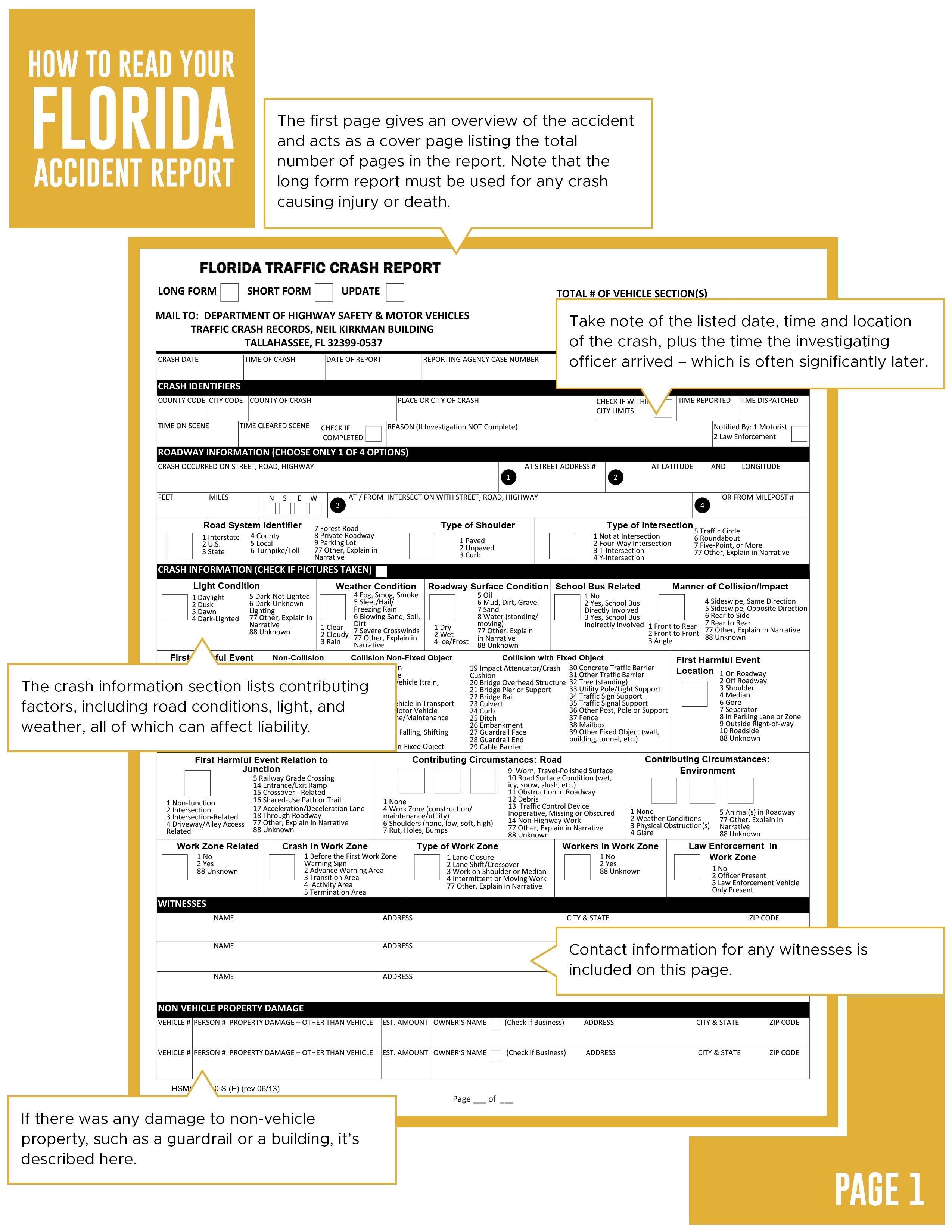
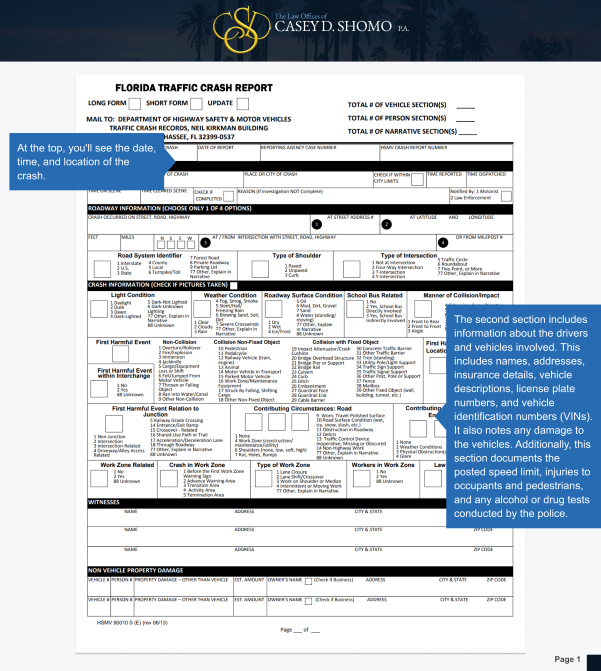
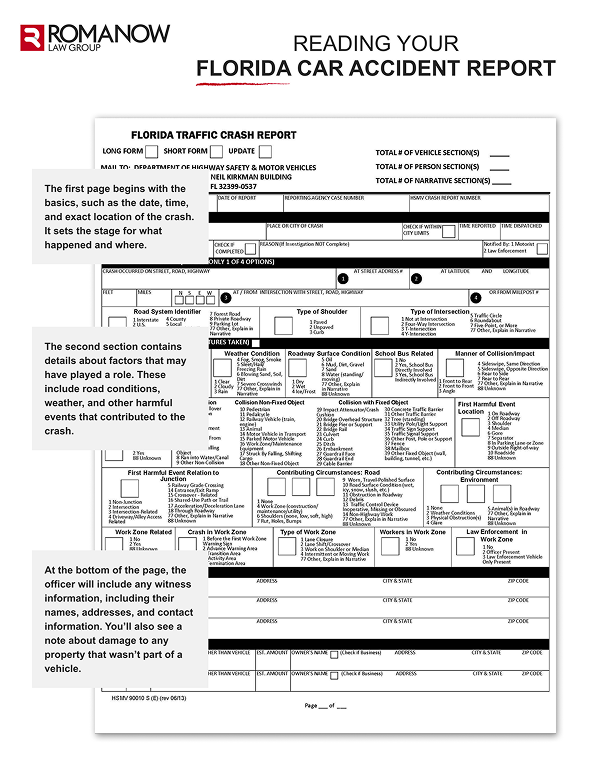
An accident report, also known as a crash report, is an official document compiled by law enforcement officers following a motor vehicle accident. These reports contain critical details about the incident, including the date, time, and location of the crash, the parties involved, witness statements, vehicle information, and often, an officer’s assessment of contributing factors. For anyone involved in a vehicular incident in Florida, or those seeking information about one, knowing how to retrieve these records is invaluable.
Why You Might Need an Accident Report
There are numerous reasons why an accident report becomes a necessary document. For travelers, it might be essential for filing an insurance claim with your provider back home, or with the other party’s insurer in Florida. It serves as official documentation for damages to a rental car, personal injuries sustained, or property damage. For residents, these reports are equally vital for insurance purposes, potential legal proceedings, or simply for personal record-keeping. Without a formal report, substantiating a claim or providing evidence in a dispute can become significantly more challenging. It acts as the definitive, unbiased account from an official source, making it a cornerstone for almost all post-accident procedures. Moreover, if you’re involved in a hit-and-run, obtaining the report can sometimes provide crucial details or lead to further investigation that could identify the responsible party.
The 10-Day Confidentiality Period
One of the most important aspects to understand about accident reports in Florida is the state’s confidentiality law. According to Florida Statutes § 316.066, crash reports are confidential for 60 days from the date the report is filed. During this period, access is restricted to individuals directly involved in the crash, their legal representatives, their insurance companies, or other specific authorized parties. After the 60-day period, the report generally becomes public record and can be accessed by anyone.
This confidentiality measure is designed to protect the privacy of individuals involved in an accident and to prevent immediate solicitation by third parties. If you are directly involved in an accident, you can usually obtain a copy of the report immediately from the investigating agency, provided you present valid identification. However, if you are not directly involved and need the report, you may have to wait until the 60-day period has elapsed, or demonstrate a legal right to access it earlier. This specific detail is particularly important for tourists or visitors who might need to quickly provide documentation to an out-of-state insurance company. Be prepared to provide proper identification and, if applicable, proof of involvement (e.g., driver’s license, vehicle registration, rental agreement) when requesting a confidential report.
Primary Sources for Florida Accident Reports
In Florida, accident reports are primarily managed and distributed through two main channels: the state-level Florida Department of Highway Safety and Motor Vehicles (FLHSMV) and local law enforcement agencies. The specific source you need to consult depends largely on which agency investigated the accident.
The Florida Department of Highway Safety and Motor Vehicles (FLHSMV)
The FLHSMV serves as the central repository for crash reports statewide. If the accident was investigated by the Florida Highway Patrol (FHP) or a local law enforcement agency that submits its reports to the state, you can typically find it through the FLHSMV’s online portal. This is often the most convenient option for many, especially those who may have left Florida and need to access a report from afar. The FLHSMV system is designed to streamline the process for authorized individuals and, after the confidentiality period, for the general public. Their online platform allows users to search for reports using various criteria, making it a powerful tool for information retrieval. It’s important to note that not all local agency reports are immediately available on the FLHSMV portal; there can be a delay as local agencies submit their reports to the state.
Local Law Enforcement Agencies
In many cases, the quickest way to obtain a copy of an accident report is directly from the local law enforcement agency that responded to the scene. This includes city police departments (e.g., Tampa Police Department, Orlando Police Department, Jacksonville Sheriff’s Office) and county sheriff’s offices (e.g., Miami-Dade County Police Department, Pinellas County Sheriff’s Office). Each agency maintains its own records and often has a specific procedure for requesting crash reports. Many larger agencies now offer online portals or dedicated sections on their websites for this purpose. If you know which specific agency investigated your accident, starting your search directly with them can save time, especially during the 60-day confidentiality period when direct involvement grants immediate access. Be prepared to search their specific website or contact their records division.
Step-by-Step Guide to Accessing Reports Online
For many, accessing accident reports online is the most convenient method. Both state and local agencies have developed systems to facilitate this process, which is particularly beneficial for those who are no longer in Florida or prefer digital access.
Using the FLHSMV Crash Portal
The Florida Department of Highway Safety and Motor Vehicles provides an online portal for obtaining crash reports. To use this service, you will typically need to provide specific information about the accident.
- Visit the FLHSMV Crash Portal: Navigate to the official FLHSMV website and locate their crash report search portal.
- Provide Required Information: You will likely need one or more pieces of information to locate the report, such as:
- The date of the crash.
- The county where the crash occurred (e.g., Orange County, Hillsborough County).
- The name of a party involved (driver, passenger, owner of vehicle).
- The report number (if known).
- Certify Your Eligibility: Due to the 60-day confidentiality rule, you will be required to certify that you are an authorized party (e.g., involved in the crash, an attorney, an insurance company representative) or that the 60-day period has elapsed. Misrepresenting your eligibility is a criminal offense under Florida Statutes.
- Review and Purchase: Once located, you can review a summary of the report and then proceed to purchase and download the official copy. There is usually a small fee associated with obtaining the report electronically.
This portal is generally user-friendly and provides a straightforward way to obtain reports after the initial processing by the investigating agency and the state.
Navigating Local Police Department Websites
Many city police departments and county sheriff’s offices in Florida also offer online services for accessing accident reports. The process can vary slightly from one agency to another, but generally follows a similar pattern.
- Identify the Investigating Agency: This is critical. You must know which specific police department (e.g., Orlando Police Department, Fort Lauderdale Police Department) or sheriff’s office (e.g., Broward County Sheriff’s Office, Collier County Sheriff’s Office) handled the accident. This information is typically provided to you at the scene of the accident.
- Visit Their Official Website: Navigate to the official website of the identified agency. Look for a section related to “Records,” “Public Records,” “Traffic Crash Reports,” or similar.
- Use Their Online Portal/Form: Many agencies use third-party services or have their own proprietary systems for report retrieval. You will likely need to enter details such as the crash date, location, and the names of involved parties.
- Verify Identity/Eligibility: Similar to the FLHSMV portal, you may need to certify your eligibility, especially during the 60-day confidential period.
- Download or Request: After locating the report, you can usually download it directly or follow instructions to have it sent to you, often for a fee. Some agencies may only provide a reference number online and require an in-person visit or mail-in request for the full document.
Always double-check that you are on an official government website to ensure the security and legitimacy of the service.
Obtaining Reports In Person or By Mail
While online access is convenient, there are situations where obtaining a report in person or via mail might be necessary or preferred. This is often the case if you need the report immediately, encounter issues with online portals, or require certified copies.
Visiting a Local Agency
If you are still in Florida or return shortly after the accident, visiting the investigating agency in person can be the fastest way to secure a copy of the report, especially within the 60-day confidentiality period.
- Determine the Correct Agency: Confirm whether the Florida Highway Patrol, a city police department (e.g., St. Petersburg Police Department, Clearwater Police Department), or a county sheriff’s office (e.g., Sarasota County Sheriff’s Office) handled the crash.
- Locate Their Records Division: Most agencies have a dedicated records or public information division. Check their website or call their non-emergency line for specific office hours and location.
- Bring Required Identification and Information: You will need a valid government-issued photo ID. If you are an involved party, bring proof of involvement (e.g., driver’s license, vehicle registration, accident exchange information). Have the crash date, location, and case number (if available) ready.
- Pay Any Applicable Fees: There is usually a nominal fee for printed copies of accident reports. Some agencies may only accept cash or specific forms of payment, so it’s wise to inquire beforehand.
Obtaining a report in person allows for immediate verification of your identity and often results in receiving the document on the spot, which can be crucial for time-sensitive matters.
Requesting by Mail
For those who have left Florida and prefer not to use online services, requesting an accident report by mail is another viable option. This method requires patience due to mailing and processing times.
- Identify the Correct Agency: As with other methods, confirm which agency investigated the crash.
- Locate Mail-In Request Form/Instructions: Visit the agency’s official website or the FLHSMV website for specific instructions on how to request a report by mail. They often provide a downloadable form.
- Complete the Form and Include Necessary Documents: Fill out the form thoroughly, providing all requested details about the crash. You will also need to include a self-addressed, stamped envelope, a copy of your valid photo ID, and payment for the report (usually a check or money order). If you are requesting within the 60-day confidentiality period, you will need to complete an affidavit of involvement.
- Mail Your Request: Send the complete package to the agency’s records division address. Ensure all information is accurate to avoid delays.
While slower, the mail-in option provides a paper trail and is suitable for those who are not in a rush to obtain the report.
Important Considerations for Travelers and Residents
Regardless of your status as a visitor or a long-term resident, navigating the process of obtaining an accident report comes with practical considerations that can streamline your experience.
Required Information for Your Request
To efficiently locate an accident report, having as much detail as possible is key. The more information you can provide, the quicker the search process will be for the agency. Essential details typically include:
- Date of the Accident: The exact date the incident occurred.
- Time of the Accident: While not always strictly necessary, the approximate time can help narrow down searches.
- Location of the Accident: This includes the specific street, intersection, city, and county (e.g., Sarasota, Clearwater, Fort Lauderdale).
- Names of Involved Parties: The full names of drivers, passengers, or registered owners of vehicles involved.
- Vehicle Information: License plate numbers, vehicle identification numbers (VINs), make, and model of involved vehicles.
- Agency Case/Report Number: If you were provided with a case number by the investigating officer at the scene, this is the most direct way to find the report.
Always try to collect this information at the scene of the accident or immediately afterward.
Fees and Processing Times
There is generally a small fee associated with obtaining a copy of an accident report in Florida, whether online, in person, or by mail. These fees are usually minimal, often ranging from a few dollars to twenty dollars, depending on the agency and method of retrieval. It’s advisable to check the specific agency’s website for their current fee schedule.
Processing times can vary. Online requests, especially through the FLHSMV portal for public records (after 60 days), can be almost instantaneous once located. In-person requests can often be fulfilled immediately. Mail-in requests, however, can take several weeks, factoring in mail delivery, processing by the agency, and return mail. During the 60-day confidentiality period, even if you are an authorized party, there might be a slight delay as the report is officially processed and made available by the investigating agency. Always factor these timelines into your plans, especially if you have an urgent need for the document.
Legal Assistance and Insurance Claims
For travelers, navigating an accident in a different state can be particularly daunting. An accident report is a critical piece of evidence for any insurance claim, whether it’s for vehicle damage, personal injury, or property loss. Your insurance provider will almost certainly require a copy of this official document to process your claim. If you find yourself in a complex situation, particularly involving significant injuries or disputes over fault, it may be prudent to consult with an attorney specializing in personal injury or traffic law in Florida. They can assist with obtaining the report, understanding its implications, and guiding you through any legal proceedings. While this guide focuses on the practical steps of retrieval, understanding the broader context of how this report impacts your legal and financial standing is equally important.
LifeOutOfTheBox is a participant in the Amazon Services LLC Associates Program, an affiliate advertising program designed to provide a means for sites to earn advertising fees by advertising and linking to Amazon.com. Amazon, the Amazon logo, AmazonSupply, and the AmazonSupply logo are trademarks of Amazon.com, Inc. or its affiliates. As an Amazon Associate we earn affiliate commissions from qualifying purchases.