
Navigating the extensive highway network in Florida is an essential part of exploring the Sunshine State, whether you’re heading to the theme parks of Orlando, the beaches of Miami, or the tranquility of the Florida Keys. However, a significant portion of Florida’s roads, bridges, and causeways operate on a toll system. For tourists unfamiliar with these systems, understanding how to pay tolls can prevent unexpected fees, delays, and frustration. This comprehensive guide will equip you with the knowledge needed to traverse Florida’s toll roads with ease, ensuring a smoother and more enjoyable vacation experience.
The Florida Toll Road Network: An Overview
Florida boasts one of the most extensive toll road systems in the United States, designed to fund the construction and maintenance of its critical transportation infrastructure. This network helps manage traffic flow, particularly in densely populated areas and popular tourist corridors.
Why Florida Has Tolls
Tolls in Florida serve as a primary funding mechanism for the state’s transportation projects. Rather than relying solely on gas taxes or general state funds, tolls provide a dedicated revenue stream for building new expressways, expanding existing ones, and maintaining bridges and tunnels. This user-fee approach aims to ensure that those who benefit most directly from the roads contribute to their upkeep and development, helping to keep traffic moving and supporting economic growth across the state. The Florida Turnpike system, managed by Florida’s Turnpike Enterprise, is perhaps the most well-known example, stretching over 300 miles from Miami to beyond Orlando.
Types of Toll Roads and Bridges
Florida’s toll infrastructure includes a variety of roads and bridges. Major arteries like the Florida Turnpike and parts of Interstate 4 and I-95 feature express lanes. Regionally, you’ll encounter toll roads managed by local authorities such as the Central Florida Expressway Authority (CFX) in the Orlando area and the Miami-Dade Expressway Authority (MDX) in South Florida. Many bridges and causeways, especially those leading to popular barrier islands or coastal destinations, also have tolls. It’s crucial for tourists to understand that most of these toll facilities are now cashless, relying exclusively on electronic payment methods.
Understanding Florida’s Electronic Toll Collection Systems
Florida has largely transitioned to electronic toll collection (ETC) systems, making cash payment lanes increasingly rare. This move streamlines traffic flow but requires tourists to be prepared with appropriate payment methods.
SunPass: The Primary Solution
SunPass is Florida’s official prepaid toll program and the most widely accepted electronic toll payment method throughout the state. A small, portable transponder attached to your vehicle’s windshield communicates with overhead sensors at toll gantries, deducting the toll amount from a prepaid account. SunPass offers significant advantages, including discounted toll rates compared to cash or “Toll-by-Plate” options, and seamless travel across virtually all Florida toll roads. There are two main types: the SunPass Mini (a sticker transponder that adheres permanently to the windshield) and the SunPass PRO (a portable transponder that can be moved between vehicles and is also interoperable with toll systems in 18 other states).
E-PASS and Other Regional Transponders
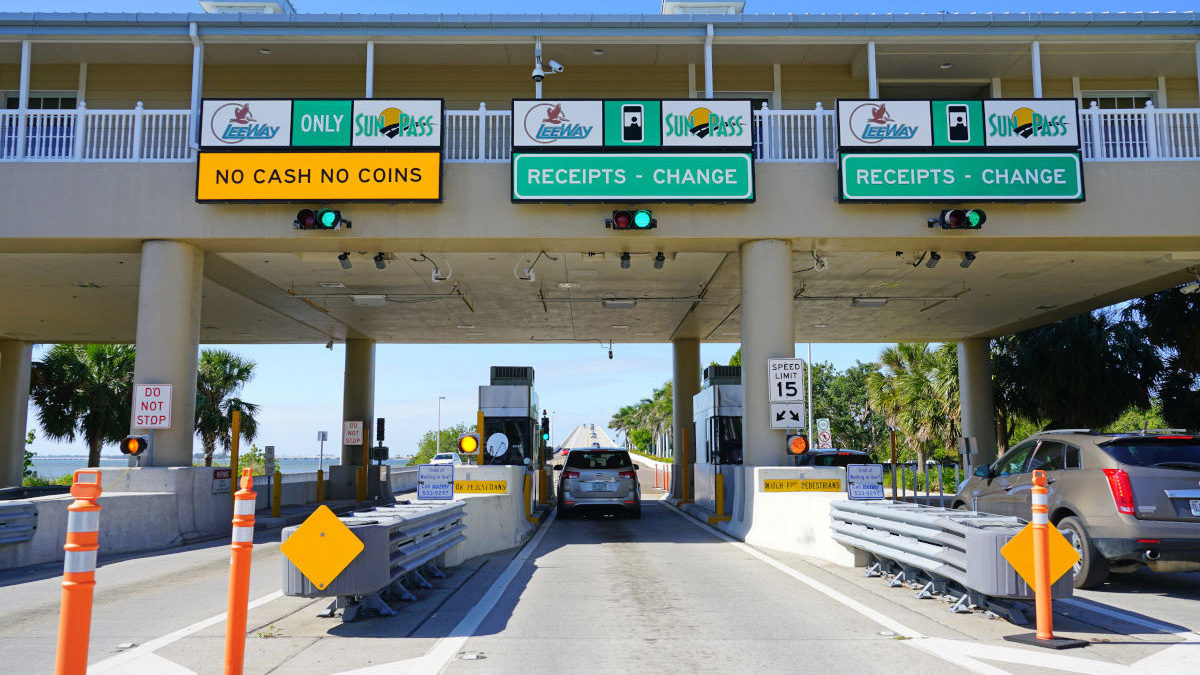
While SunPass is statewide, some regions operate their own local transponder systems that are largely interoperable with SunPass. The most prominent of these is E-PASS, operated by the Central Florida Expressway Authority (CFX) for toll roads primarily around Orlando. If you have an E-PASS transponder, it will work on all SunPass facilities and vice versa. Similarly, other regional transponders like LeeWay in Lee County or Toll-by-Plate systems in Miami-Dade generally integrate with SunPass, ensuring broad coverage for most electronic payment devices.
Toll-by-Plate: The Default for Visitors Without Transponders
For vehicles without a valid transponder, Florida’s toll agencies utilize a system called “Toll-by-Plate” or “Pay By Mail.” Cameras at toll gantries capture an image of the vehicle’s license plate. An invoice for the toll amount, plus an administrative fee, is then mailed to the registered owner of the vehicle. This system is the default for most rental cars and personal vehicles from out-of-state that haven’t opted into a transponder program. While convenient in the sense that no immediate action is required at the toll plaza, “Toll-by-Plate” is typically the most expensive option due to the added fees and does not offer the discounts available with SunPass or E-PASS.
Practical Payment Options for Tourists
Tourists have several practical options for managing Florida tolls, each with its own benefits and drawbacks. Understanding these will help you choose the best approach for your trip.
Rental Cars and Toll Programs
Most major car rental companies operating in Florida offer their own toll payment solutions, often automatically enrolling renters into a program unless they opt out. These programs typically involve a daily or per-rental administrative fee in addition to the actual tolls incurred.

- How They Work: Rental car companies (Hertz, Avis, Enterprise, Budget, Alamo, National, etc.) use their own transponders or rely on the “Toll-by-Plate” system, linking tolls to your rental agreement. They then charge your credit card on file for the tolls plus their service fees.
- Examples: Hertz offers PlatePass, Avis and Budget use TollPass, and Enterprise, Alamo, and National use TollPass as well.
- Pros: Extremely convenient, requiring no proactive action from the driver. You can drive through any electronic toll lane without worry.
- Cons: These programs can be significantly more expensive due to daily or per-use service fees, even if you only use toll roads infrequently. These fees can quickly add up, sometimes exceeding the actual toll costs. It’s crucial to read your rental agreement carefully to understand the specific terms and fees.
Before accepting a rental car’s toll program, consider how much you anticipate using toll roads. If your itinerary involves frequent toll road use, purchasing your own SunPass might be more cost-effective.
Purchasing a SunPass Transponder
For tourists planning an extended stay or frequent visits to Florida, purchasing a SunPass transponder can be the most economical and hassle-free option.
- Where to Buy: SunPass transponders are widely available for purchase at major retailers throughout Florida, including Publix supermarkets, CVS Pharmacy, Walgreens, and AAA offices. They can also be purchased online at the official SunPass website or at Florida Turnpike Service Plazas.
- Types of SunPass: The SunPass Mini sticker transponder costs a nominal fee (e.g., $4.99) and is activated by registering it online and loading an initial prepaid balance (e.g., $10). The SunPass PRO is a portable device costing slightly more (e.g., $14.99), offering the added benefit of being movable between vehicles and working in numerous other states.
- Activation and Management: Once purchased, you must activate your SunPass online or by phone and link it to your vehicle’s license plate. You’ll then load funds into your account. You can manage your account, add funds, and view toll usage on the SunPass website or mobile app.
- Rental Cars with SunPass: If you buy a SunPass for a rental car, make sure to add the rental car’s license plate to your SunPass account for the duration of your rental. Crucially, inform your rental car company that you will be using your own transponder to avoid being double-billed or automatically enrolled in their program. Remember to remove the rental car’s license plate from your SunPass account after you return the vehicle.
Using Cash Lanes (When Available)
The availability of cash toll lanes in Florida has dramatically decreased, with many major toll roads now being completely cashless. For example, the entire Florida Turnpike is cashless. While some older facilities or smaller bridges might still accept cash, it’s generally unwise to rely on this option. Trying to pay cash where it’s not accepted will likely result in a “Toll-by-Plate” invoice with additional fees. Always look for “Cash” signs if you intend to pay this way; otherwise, assume electronic payment is required.
Handling Toll-by-Plate Invoices
If you inadvertently pass through a cashless toll lane without a transponder or rental car program, you will receive a “Toll-by-Plate” invoice.
- What to Do: The invoice will be mailed to the registered owner of the vehicle (which will be the rental car company if you’re driving one, or your home address if it’s your personal vehicle). It will detail the tolls owed and any administrative fees. Pay the invoice promptly according to the instructions provided to avoid further penalties.
- Avoiding Penalties: Unpaid “Toll-by-Plate” invoices can lead to late fees, additional penalties, and even holds on vehicle registration in some cases. If using a rental car, the company will typically pay the invoice and then charge your credit card, often with their own substantial administrative fees.
Tips for a Smooth Tolling Experience
To make your journey through Florida as smooth as possible, keep these practical tips in mind:
Plan Your Route
Before you set out, use GPS apps like Google Maps, Waze, or Apple Maps to check for toll roads on your intended route. Most navigation apps allow you to select “avoid tolls” if you prefer to bypass them, though this may significantly increase travel time, especially in areas like Miami or Orlando. Understanding where tolls are located helps you decide if a SunPass or rental car program is right for you.
Understand Signage
Pay close attention to road signs as you approach toll plazas or gantries. Signs will clearly indicate “SunPass Only,” “E-PASS Only,” “Toll-by-Plate,” or if cash lanes are available. Driving into a “SunPass Only” lane without a transponder will result in a “Toll-by-Plate” charge.
Monitor Your Account
If you purchase a SunPass, regularly check your account balance to ensure sufficient funds. You can set up auto-recharge to prevent your balance from running low. This prevents tolls from being processed as “Toll-by-Plate” due to insufficient funds.
Don’t Panic if You Miss a Toll
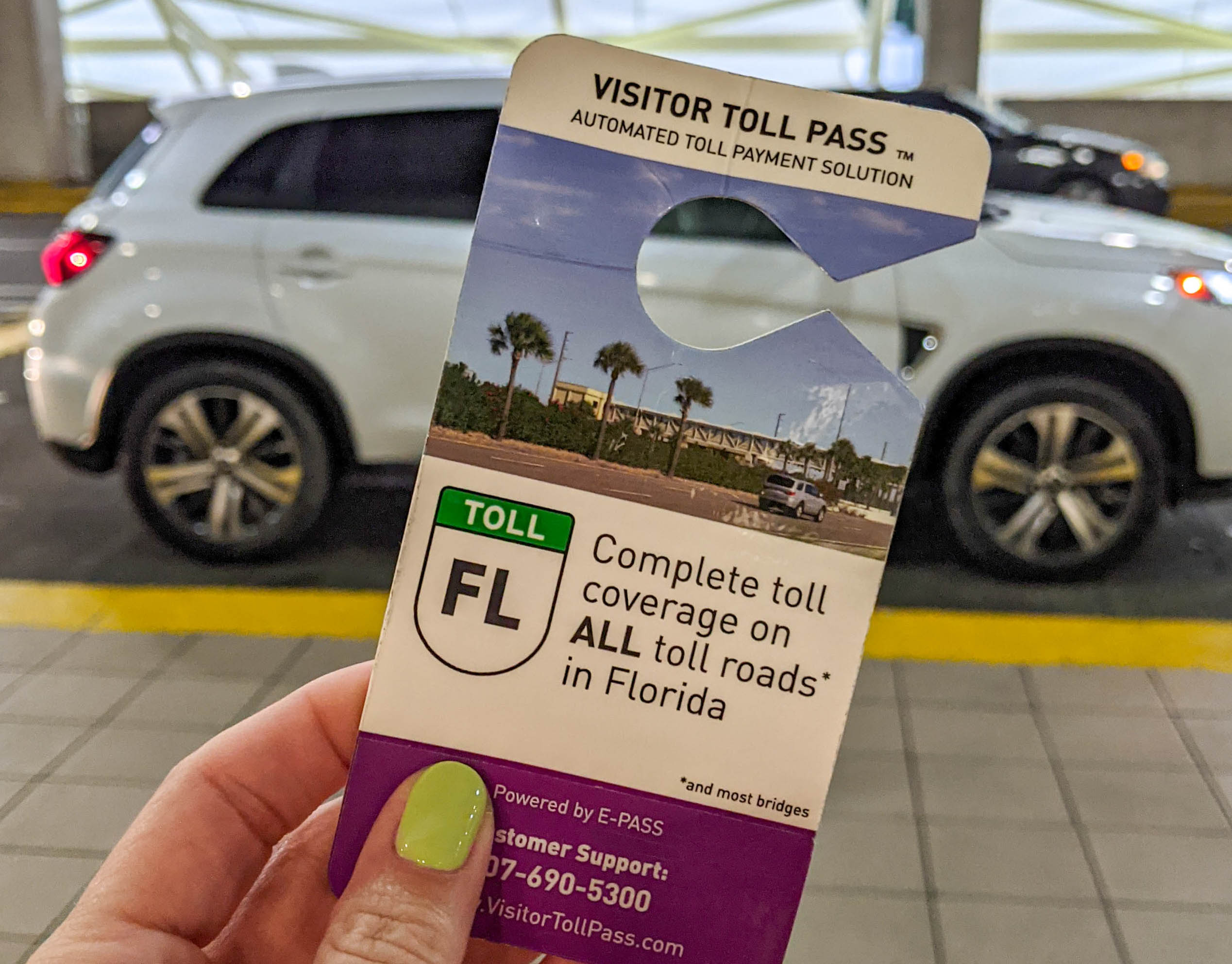
It happens to the best of us. If you accidentally drive through a cashless toll lane without a transponder and you’re in your own vehicle, you can proactively pay missed tolls online on the SunPass website within a few days of your travel. This allows you to pay the exact toll amount without additional administrative fees that would be included in a mailed “Toll-by-Plate” invoice. For rental cars, inform the company about the missed toll, or simply wait for them to process the charge to your credit card.
By understanding Florida’s toll systems and preparing your preferred payment method in advance, you can enjoy the state’s beautiful destinations without the added stress of unexpected toll charges. A little planning goes a long way in ensuring a smooth and economical journey on the Sunshine State’s roads.
LifeOutOfTheBox is a participant in the Amazon Services LLC Associates Program, an affiliate advertising program designed to provide a means for sites to earn advertising fees by advertising and linking to Amazon.com. Amazon, the Amazon logo, AmazonSupply, and the AmazonSupply logo are trademarks of Amazon.com, Inc. or its affiliates. As an Amazon Associate we earn affiliate commissions from qualifying purchases.