
The Journey: Unpacking the Distance and Drive Time
Embarking on a road trip from Atlanta, Georgia, to Tampa, Florida, is a classic Southern adventure, connecting the vibrant urban heart of Georgia with the dynamic Gulf Coast of Florida. Understanding the specifics of this journey—the distance, estimated driving time, and primary routes—is the first step in crafting an unforgettable travel experience.
Direct Route Considerations
The most common and efficient route between Atlanta and Tampa primarily involves a straightforward drive south on major interstate highways. Travelers will typically begin by heading south out of Atlanta on Interstate 75 (I-75). This well-maintained highway serves as the backbone of the journey, traversing the length of Georgia and continuing deep into Florida. Upon reaching the central Florida area, near Wildwood or Ocala, the route typically transitions to Interstate 4 (I-4) West, which leads directly into Tampa.
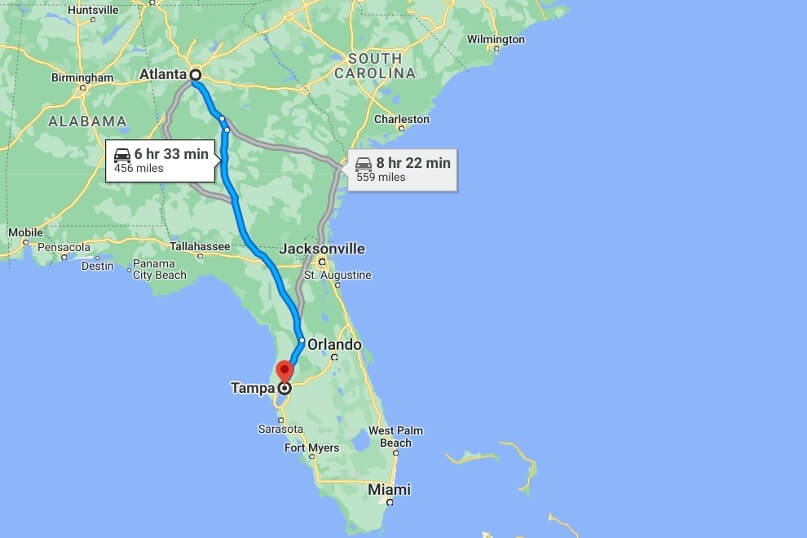
The total driving distance for this route is approximately 450 to 470 miles, depending on the exact starting point in Atlanta and the final destination within Tampa. This distance positions the trip as a substantial but manageable one-day drive for most travelers.
Estimated Driving Duration
The estimated driving duration for the Atlanta to Tampa route typically ranges from 6.5 to 8 hours of actual driving time. This estimate, however, is a bare minimum and does not account for crucial variables that every road-tripper must consider:
- Traffic Conditions: Both Atlanta and Tampa are major metropolitan areas prone to significant traffic congestion, especially during peak commuter hours (early mornings and late afternoons on weekdays). Exiting Atlanta can add considerable time, as can navigating the final approach into Tampa or any major city along I-75 such as Macon or Orlando.
- Fuel Stops and Rest Breaks: Essential for safety and comfort, these stops can add 30-60 minutes or more to the journey, depending on their frequency and duration. Planning for at least one to two substantial breaks is advisable.
- Meal Stops: Whether grabbing a quick bite or enjoying a sit-down meal, dining can easily extend the trip by an hour or more.
- Roadside Attractions or Detours: For those who prefer a more leisurely pace, stopping at points of interest along the way will naturally increase the overall travel time, transforming a direct drive into a more immersive travel experience.
Considering these factors, a realistic total travel time, including necessary stops, is often closer to 8 to 10 hours. Planning for this extended duration ensures a less rushed and more enjoyable journey.
Alternative Transportation
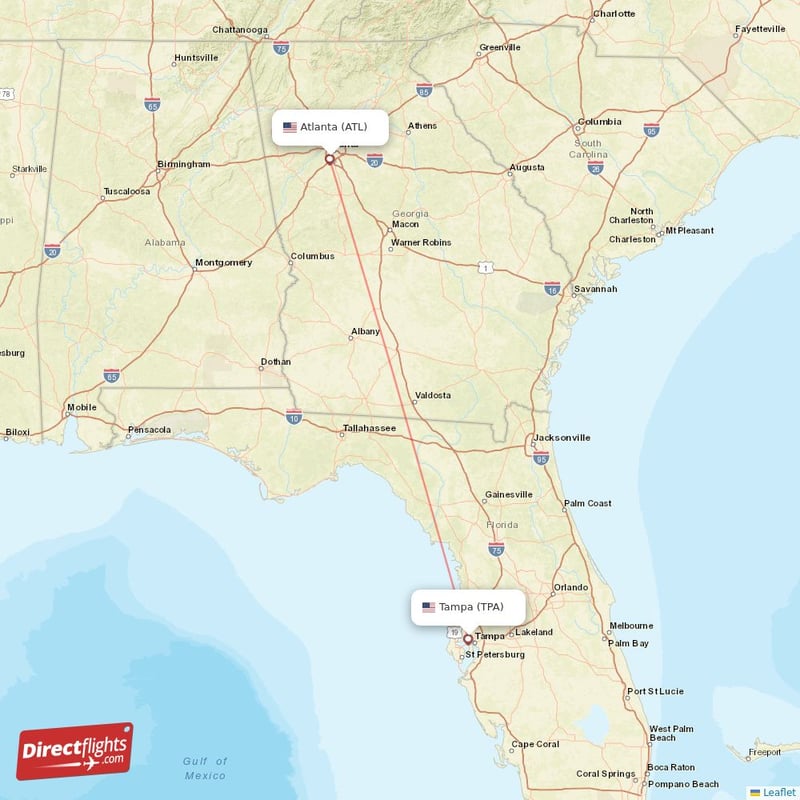
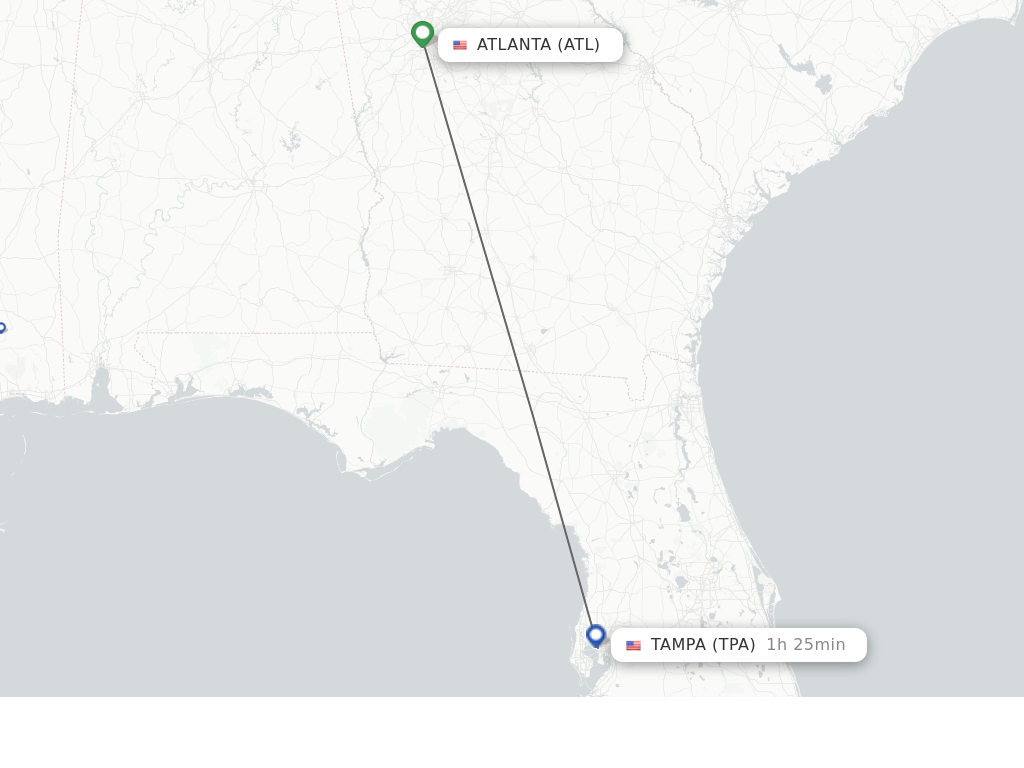
While driving is the most popular choice for flexibility and cost, other transportation options exist for those less inclined to hit the road. Direct flights are available from Hartsfield-Jackson Atlanta International Airport to Tampa International Airport, typically lasting just over an hour. This is the fastest option but lacks the scenic opportunities and personal control of a road trip. Bus services also connect the two cities, offering a more economical but considerably longer travel time, often exceeding 10 hours. Train travel is an option as well, with Amtrak operating routes that, while relaxing, generally take longer than driving due to multiple stops and route configurations. For the true essence of exploring the American South, however, the open road remains unparalleled.
Scenic Detours and Memorable Stops Along the Way
The journey from Atlanta to Tampa doesn’t have to be a race to the finish line. With a little planning, the drive itself can become an integral part of your vacation, offering opportunities to explore charming Southern towns, natural wonders, and unique cultural experiences. Breaking up the drive not only combats fatigue but also enriches your understanding of the diverse landscapes and heritage of Georgia and Florida.
Georgia’s Southern Charms
As you depart Atlanta and head south on I-75, Georgia unfolds with a mix of historical cities and serene landscapes.
- Macon, Georgia: Located roughly an hour and a half south of Atlanta, Macon offers a rich tapestry of American history and music heritage. It’s home to the Ocmulgee Mounds National Historical Park, preserving ancient Native American earthworks. Music lovers might appreciate its connections to Southern rock legends like The Allman Brothers Band and Otis Redding, with various museums and sites dedicated to their legacies. A stop here can provide a fascinating cultural interlude.
- Cordele, Georgia: Known as the “Watermelon Capital of the World,” Cordele is a quaint agricultural town about halfway through your Georgia leg. If you’re traveling during the summer, you might catch a local festival or enjoy fresh produce from roadside stands. It’s also home to the SAM Shortline Excursion Train, offering a unique vintage rail experience.
- Valdosta, Georgia: Situated close to the Florida border, Valdosta makes for an excellent final stop in Georgia before entering the Sunshine State. It’s a larger city with ample dining and lodging options. For families, Wild Adventures Theme Park offers a fun distraction, combining a theme park, water park, and animal park.
Florida’s Gateway and Beyond
Upon crossing into Florida, the landscape begins to shift, becoming flatter and often more lush, characterized by vast pine forests and numerous springs.
- Gainesville, Florida: Approximately an hour and a half south of the Georgia border, Gainesville is a vibrant university town known for its natural beauty. The Paynes Prairie Preserve State Park offers incredible opportunities for wildlife viewing, including wild horses and alligators, accessible via elevated boardwalks. The Florida Museum of Natural History is another worthwhile stop for its impressive exhibits, including a butterfly rainforest.
- Ocala, Florida: Known as the “Horse Capital of the World,” Ocala boasts rolling green pastures and thoroughbred horse farms. The area is also famous for its crystal-clear natural springs, such as those at Silver Springs State Park, where glass-bottom boat tours provide a unique view of the underwater ecosystem. This is also where you would typically transition from I-75 to I-4 to head towards Tampa.
- Orlando, Florida: While directly on the route to Tampa via I-4, stopping in Orlando means diving into the world’s theme park capital. If your primary goal is Tampa, you might opt to bypass Orlando to avoid potential theme park-related traffic. However, if time allows, a detour could involve visiting Walt Disney World or Universal Orlando Resort, turning your road trip into an extended adventure.
Fueling Up and Resting Points
Throughout the entire I-75 corridor in both Georgia and Florida, you’ll find numerous opportunities for fuel, food, and rest. Major truck stops and service plazas are conveniently located at regular intervals. Look for established brands that offer clean restrooms and a variety of dining options. Utilizing mobile apps for gas prices and rest stop reviews can enhance the efficiency and comfort of these essential breaks.
Preparing for Your Road Trip: Essentials and Tips
A successful road trip hinges not just on knowing the route, but on thorough preparation. From ensuring your vehicle is road-ready to packing strategically and knowing when to hit the road, a little foresight can prevent headaches and enhance the overall travel experience from Atlanta to Tampa.
Vehicle Maintenance Checklist
Before embarking on a journey of nearly 500 miles, a comprehensive check of your vehicle is paramount. This ensures safety and reduces the risk of unexpected breakdowns.
- Tires: Check tire pressure, including the spare. Inspect for wear and tear, and ensure adequate tread depth.
- Fluids: Top off engine oil, coolant, brake fluid, and windshield wiper fluid.
- Brakes: Listen for any unusual sounds and ensure brake pads are not overly worn.
- Lights: Verify all headlights, taillights, brake lights, and turn signals are functioning correctly.
- Wipers: Ensure wiper blades are in good condition for potential Florida rain showers.
- Emergency Kit: Pack jumper cables, a first-aid kit, a flashlight, basic tools, and roadside flares or reflective triangles.
Packing Smart
Efficient packing contributes significantly to a comfortable road trip. Consider the duration of the trip and the needs of all passengers.
- Snacks and Drinks: Non-perishable snacks, water bottles, and other beverages can save money and time otherwise spent at convenience stores.
- Entertainment: For passengers, especially children, books, tablets, headphones, and portable games are invaluable. For drivers, a diverse playlist or engaging podcasts can keep the mind active.
- Comfort Items: A small pillow, blanket, or comfortable clothing can make long stretches more bearable.
- Navigation Essentials: Beyond your car’s built-in GPS, have a smartphone with reliable navigation apps (like Google Maps or Waze) and a car charger or power bank. Consider downloading offline maps for areas with spotty cell service.
- Documents: Keep your driver’s license, vehicle registration, and insurance cards readily accessible.
Navigation and Connectivity
Modern navigation tools are indispensable for road trips. Ensure your devices are fully charged and ready to go. A reliable car charger is a must-have. While GPS apps are excellent for real-time traffic updates and route adjustments, it’s wise to have a general idea of your route and perhaps a physical map as a backup, especially when venturing into less populated areas where cellular reception might be weak. Consider a mobile hotspot if you need consistent internet access for work or entertainment on the go.
Best Times to Travel
Timing your departure can significantly impact your travel experience.
- Avoid Peak Traffic: Try to depart Atlanta early in the morning (before 6 AM) or later in the morning (after 9 AM) to avoid rush hour congestion. Similarly, be mindful of peak hours when approaching Tampa or major cities like Orlando on I-4.
- Weekdays vs. Weekends: Weekday travel often sees less recreational traffic but more commercial vehicles. Weekends can be busier with tourists.
- Seasonal Considerations: Florida’s weather is generally pleasant, but summers can bring afternoon thunderstorms. Hurricane season runs from June to November, so monitoring weather forecasts is crucial during these months. Winter months offer cooler, drier weather, ideal for driving.
Arriving in Tampa: Gateway to Florida’s Gulf Coast
After traversing the miles from Atlanta, the arrival in Tampa, Florida, marks the successful culmination of your journey. This bustling city on Florida’s Gulf Coast is a fitting reward for the long drive, offering a blend of urban sophistication, historical charm, and easy access to some of the state’s most beautiful beaches and natural attractions.
Tampa’s Allure
Tampa itself is a vibrant destination, constantly evolving while retaining its rich history, particularly its Cuban heritage evident in areas like Ybor City. The city boasts a stunning waterfront, with the Riverwalk connecting many of its key attractions and offering picturesque views. The metropolitan area is characterized by its dynamic culinary scene, diverse neighborhoods, and a laid-back, yet energetic, atmosphere. As a travel destination, Tampa provides an excellent balance for those seeking both relaxation and activity, making the journey worthwhile.
Beyond Tampa
One of Tampa’s greatest strengths as a travel hub is its strategic location. Your arrival in Tampa positions you perfectly to explore other popular destinations along the Gulf Coast with minimal additional driving.
- St. Petersburg, Florida: Just across the bay from Tampa, St. Petersburg is renowned for its award-winning beaches, vibrant arts scene, and the Dalí Museum. It offers a slightly different vibe, often considered more artsy and beach-focused than its urban counterpart.
- Sarasota, Florida: A bit further south, Sarasota is celebrated for its cultural institutions, including the Ringling Museum, and its exquisite barrier islands with pristine white sand beaches like Siesta Key.
- Clearwater Beach, Florida: North of St. Petersburg, Clearwater Beach consistently ranks among the best beaches in the United States, famous for its soft sands and calm, shallow waters. It’s home to the Clearwater Marine Aquarium, a rescue and rehabilitation center.
The journey from Atlanta to Tampa, while a significant drive, is a rewarding experience for those who appreciate the open road and the opportunity to explore the diverse landscapes and cultures of the American South. With careful planning and an adventurous spirit, this road trip offers not just a means to an end, but a memorable part of your overall travel narrative.
LifeOutOfTheBox is a participant in the Amazon Services LLC Associates Program, an affiliate advertising program designed to provide a means for sites to earn advertising fees by advertising and linking to Amazon.com. Amazon, the Amazon logo, AmazonSupply, and the AmazonSupply logo are trademarks of Amazon.com, Inc. or its affiliates. As an Amazon Associate we earn affiliate commissions from qualifying purchases.