
Traveling between two of the Southeastern United States’ most vibrant cities, Atlanta, Georgia, and Orlando, Florida, is a popular journey for both leisure and business travelers. Understanding the distance, optimal travel methods, and key considerations can significantly enhance your trip planning and overall experience. This guide delves into the practicalities of making this approximately 440-mile trek, offering insights for a seamless adventure.
The Direct Route: Unpacking the Distance and Drive Time
The straight-line distance between Atlanta and Orlando, Florida might be less, but when considering actual road travel, the journey spans a considerable distance. The most common and direct driving routes typically involve a combination of major interstate highways designed for efficient long-distance travel.

Geographical Overview and Primary Highways
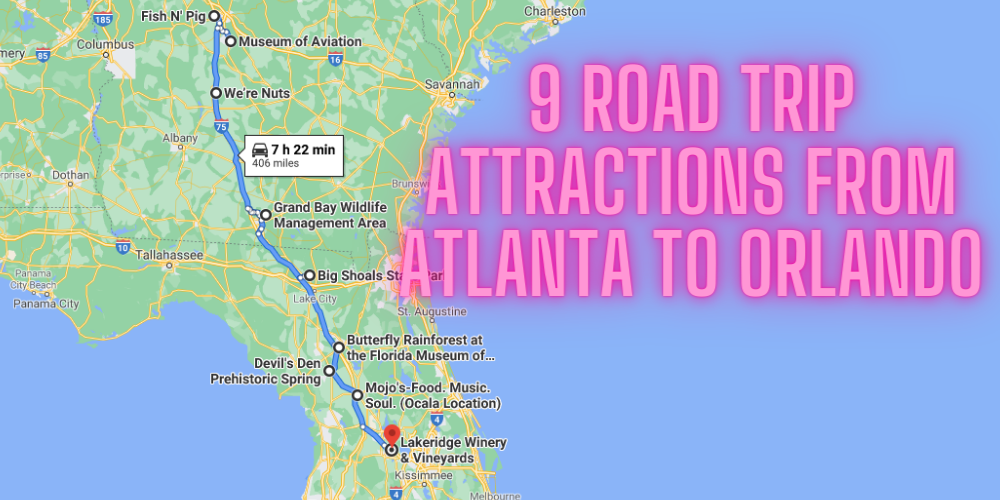
The approximate driving distance from downtown Atlanta to downtown Orlando, Florida ranges from 430 to 450 miles, depending on the specific starting and ending points and the chosen route. The primary highway connecting these two metropolitan hubs is Interstate 75 (I-75) heading south through Georgia and into Florida. Once in Florida, travelers typically transition to Florida’s Turnpike (a toll road) or Interstate 95 (I-95) combined with Interstate 4 (I-4) to reach Orlando.
The most straightforward route involves taking I-75 South from Atlanta through cities like Macon and Valdosta in Georgia, and then Gainesville in Florida. Near Wildwood, Florida, you would typically merge onto Florida’s Turnpike South, which provides a direct, generally faster, though tolled, route into the Orlando area. This route is favored for its directness and fewer city traffic interruptions compared to alternatives that might involve more surface streets or congested bypasses.
Calculating Drive Time: Factors to Consider
Under ideal driving conditions, the journey by car from Atlanta to Orlando, Florida can take approximately 6.5 to 7.5 hours. However, this estimate is highly susceptible to various factors that can extend travel time significantly.
- Traffic Congestion: Both Atlanta and Orlando are major metropolitan areas prone to rush hour traffic. Departing or arriving during peak times (typically 7-9 AM and 4-6 PM on weekdays) can add an hour or more to your journey, especially when navigating the urban sprawl at either end. Weekends, particularly holiday weekends, can also see increased traffic volume.
- Road Construction: Ongoing road maintenance and construction projects on I-75, Florida’s Turnpike, or I-4 can cause unexpected delays and detours. Utilizing real-time navigation apps is crucial for staying informed and finding alternative routes if necessary.
- Rest Stops and Fuel: A trip of this duration necessitates at least one or two stops for fuel, meals, and stretching. Factoring in 30-60 minutes for each stop is wise, easily adding an hour or two to the total elapsed time.
- Tolls: Florida’s Turnpike is a major toll road. While it offers efficiency, ensure you have a SunPass or cash/credit card ready. Toll costs can vary but expect around $20-$30 for the Turnpike portion of the trip.
- Weather Conditions: Heavy rain, thunderstorms, or fog, particularly common in Florida during certain seasons, can reduce visibility and necessitate slower driving speeds, thereby increasing travel time.
Alternative Travel Methods: Beyond the Automobile
While driving offers flexibility, several other transportation options exist for traveling between Atlanta and Orlando, Florida, each with its own advantages regarding speed, cost, and convenience.
Air Travel: Speed and Convenience
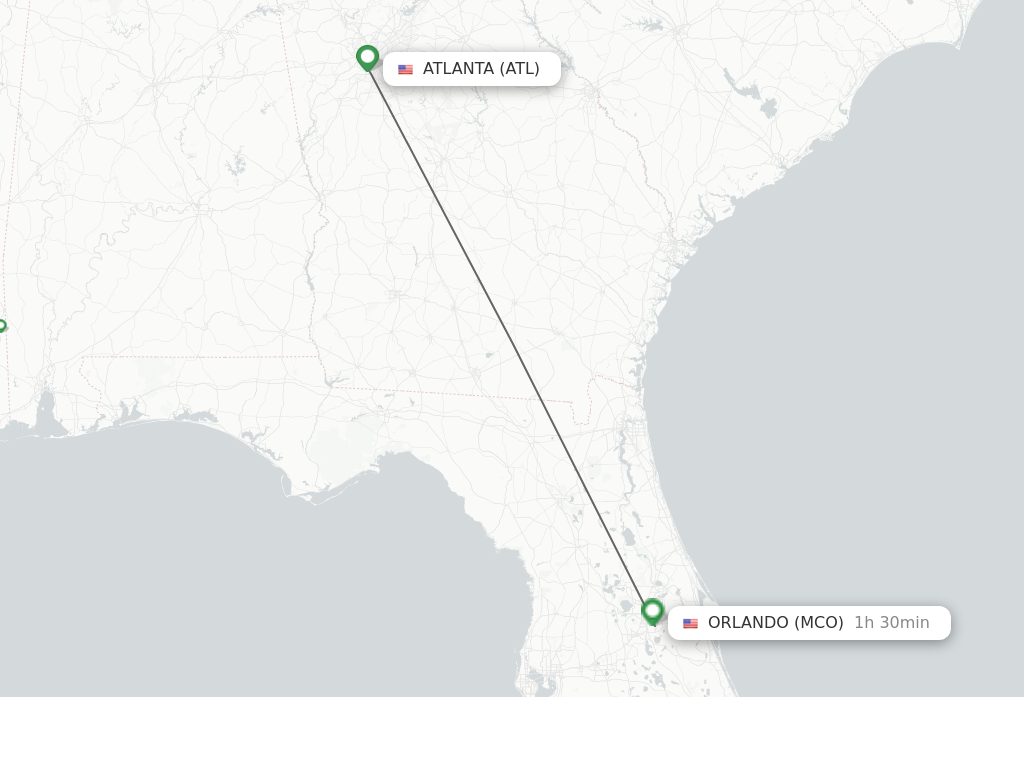
For those prioritizing speed, flying is the most efficient option. Direct flights from Hartsfield-Jackson Atlanta International Airport (ATL) to Orlando International Airport (MCO) typically take around 1 hour and 15 minutes to 1 hour and 30 minutes in the air.
- Major Airlines: Multiple airlines, including Delta Air Lines (which has its hub in Atlanta), Southwest Airlines, and Spirit Airlines, offer frequent direct flights between the two cities.
- Total Travel Time: While the flight itself is short, remember to account for travel to and from airports, security checks, boarding, and baggage claim. This can add 2-3 hours on either end, making the total door-to-door air travel time comparable to a long drive, often around 4-6 hours, depending on efficiency.
- Cost: Airfare can fluctuate widely based on booking in advance, time of year, and airline. While sometimes more expensive than driving (especially for solo travelers), competitive pricing can make it a viable option, particularly during off-peak seasons or with budget carriers.
Bus and Train Journeys: Economical Alternatives
For budget-conscious travelers or those who prefer not to drive or fly, bus and train services offer alternatives, albeit with longer travel times.
- Bus Services: Companies like Greyhound operate multiple daily services between Atlanta and Orlando. A bus journey typically takes 8 to 10 hours, factoring in stops and transfers. This can be the most economical option, with ticket prices often significantly lower than airfare or the cost of gas for driving.
- Train Services: Amtrak provides train service connecting Atlanta and Orlando. The journey often requires a transfer, typically in Jacksonville, Florida, as there isn’t a direct line. Total travel time by train can range from 12 to 16 hours or even more, making it the slowest option but offering a unique travel experience with more space and amenities than a bus.
Planning Your Journey: Essential Tips for a Smooth Trip
Regardless of your chosen mode of transport, a well-planned itinerary can alleviate stress and enhance the enjoyment of your trip from Atlanta to Orlando, Florida.
Best Times to Travel and Avoiding Congestion
- Off-Peak Hours: For drivers, leaving early in the morning (before 6 AM) or later in the evening (after 7 PM) can help avoid the worst of Atlanta’s and Orlando’s rush hour traffic. Mid-day travel on weekdays also tends to be smoother.
- Seasonal Considerations: Spring (March-May) and Fall (September-November) generally offer the most pleasant weather for driving, avoiding the intense summer heat and hurricane season in Florida and potential winter ice storms in Georgia. These seasons can also coincide with peak tourist times in Orlando, so expect more crowded roads and attractions.
- Holiday Weekends: Avoid major holiday weekends (e.g., Memorial Day, Labor Day, Thanksgiving) if possible, as traffic volumes on I-75 and Florida’s Turnpike can be exceptionally heavy, leading to significant delays.
Road Trip Essentials: Preparing for the Drive
If driving, meticulous preparation can make all the difference.
- Vehicle Check: Ensure your car is in good condition, with tires properly inflated, fluids checked, and a full tank of gas before departure.
- Navigation: Use reliable GPS or navigation apps like Google Maps, Waze, or Apple Maps for real-time traffic updates and alternative route suggestions.
- Toll Pass: Consider purchasing a SunPass for Florida’s Turnpike to avoid fumbling for cash and to speed through toll plazas. Many rental cars offer transponders, but confirm the associated fees.
- Entertainment: Prepare playlists, podcasts, or audiobooks to keep passengers entertained, especially children.
- Snacks and Drinks: Pack a cooler with water, drinks, and snacks to minimize stops and save money.
- Emergency Kit: A basic emergency kit including jumper cables, a flashlight, a first-aid kit, and a car charger for your phone is always a good idea.
Breaking Up the Journey: Scenic Stops and Overnights
For those who prefer a more leisurely pace, breaking the journey with an overnight stay can be a great option. Roughly midway points along I-75 include cities like Macon, Georgia, or Valdosta, Georgia, offering various lodging and dining options. Alternatively, taking a slight detour east to Savannah, Georgia, can provide a charming historical stop, though it adds significant mileage and time. This approach allows for exploring local attractions, trying regional cuisine, and arriving at your destination refreshed.
Exploring the Destinations: What Awaits in Atlanta and Orlando
Understanding the journey is one thing, but knowing what treasures await at either end truly completes the travel picture. Both Atlanta and Orlando, Florida are major tourist destinations, each boasting unique appeal.
Atlanta’s Charms: Culture, History, and Culinary Delights
Atlanta, the capital of Georgia, is a sprawling metropolis rich in history, culture, and modern attractions. Visitors can explore the civil rights movement’s legacy at the Martin Luther King, Jr. National Historical Park, marvel at marine life at the Georgia Aquarium, or delve into the history of a global beverage at the World of Coca-Cola. The city also offers vibrant neighborhoods like Ponce City Market and Krog Street Market for culinary exploration, a thriving arts scene, and extensive green spaces such as Piedmont Park and Stone Mountain Park nearby.
Orlando’s Allure: Theme Parks and Family Fun
Orlando, Florida, is globally renowned as the “Theme Park Capital of the World.” Home to the Walt Disney World Resort, Universal Orlando Resort (including The Wizarding World of Harry Potter), and SeaWorld Orlando, it draws millions of visitors annually for unparalleled entertainment. Beyond the major parks, Orlando offers numerous other attractions, including water parks, dinner shows, shopping outlets, and diverse dining experiences. For those seeking adventure beyond the city limits, the Kennedy Space Center Visitor Complex is an easy drive, and the stunning beaches of Florida’s Atlantic Coast are just an hour away.
Whether you choose to embrace the open road, opt for the speed of air travel, or settle into a leisurely bus or train journey, the trip from Atlanta to Orlando, Florida, promises an exciting transition between two distinct and captivating destinations. By understanding the distances, factoring in travel times, and preparing for your mode of transport, you can ensure your journey is as enjoyable as the destinations themselves.
LifeOutOfTheBox is a participant in the Amazon Services LLC Associates Program, an affiliate advertising program designed to provide a means for sites to earn advertising fees by advertising and linking to Amazon.com. Amazon, the Amazon logo, AmazonSupply, and the AmazonSupply logo are trademarks of Amazon.com, Inc. or its affiliates. As an Amazon Associate we earn affiliate commissions from qualifying purchases.