
Navigating the diverse landscape of Florida offers travelers a spectrum of experiences, from the vibrant urban pulse of Miami to the serene, sun-drenched shores of Fort Myers. For those planning an itinerary that encompasses both South Florida gems, a common and crucial question arises: “How far is Fort Myers, Florida from Miami?” Understanding the distance, travel time, and various transportation options is fundamental to crafting a seamless and enjoyable journey between these two distinctive destinations.
The Journey: Distance and Drive Time
The primary mode of transport connecting Miami and Fort Myers for most travelers is by car. The journey, while significant, is manageable and offers a scenic cross-state experience, particularly if you appreciate Florida’s unique ecological zones.
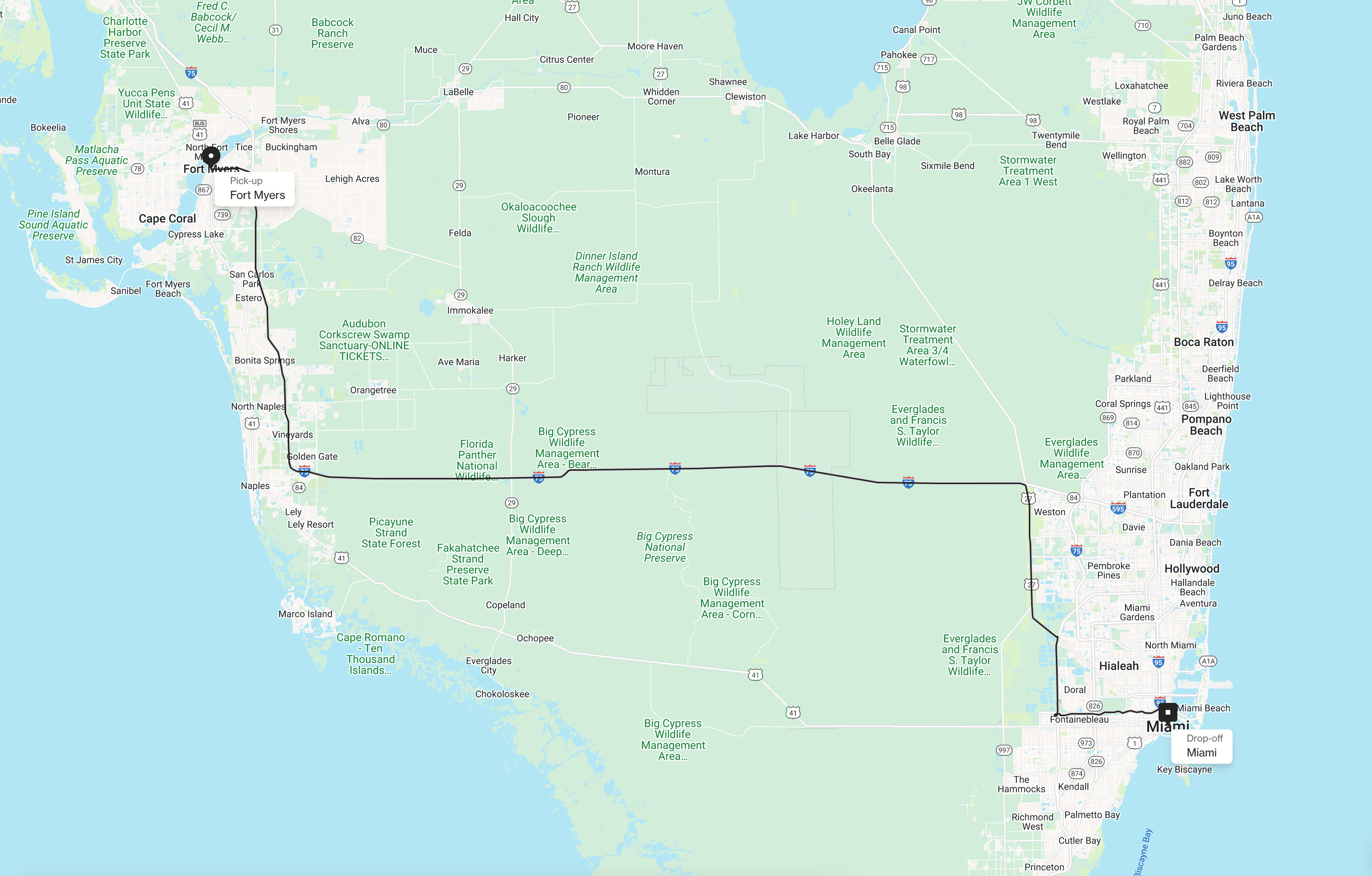
Direct Route Breakdown via I-75 (Alligator Alley)
The most direct and commonly used route is via Interstate 75, famously known as “Alligator Alley” as it traverses the northern edge of the Everglades National Park.
- Distance: The approximate driving distance between downtown Miami and downtown Fort Myers is around 150 to 160 miles (240-257 kilometers). This can vary slightly depending on your exact starting point in Miami and your final destination within Fort Myers.
- Drive Time: Under ideal conditions, with no significant traffic or stops, the drive typically takes 2 hours and 30 minutes to 3 hours. This makes it an achievable day trip or a convenient leg of a longer Florida adventure.
- Tolls: Be aware that I-75 (Alligator Alley) is a toll road. Travelers should have a SunPass or be prepared for “Tolls By Plate” charges, which typically involve higher fees. Renting a car with a transponder is often the most convenient option.
Alternative Scenic Routes
While Alligator Alley is the quickest, adventurers might consider slightly longer, more scenic alternatives that skirt the edges of Florida’s interior.
- U.S. Highway 41 (Tamiami Trail): Running parallel to I-75 but further south, the Tamiami Trail offers a more intimate encounter with the Everglades ecosystem. While the distance is similar (around 150-160 miles), the drive time is considerably longer, typically 3 hours to 4 hours, due to lower speed limits and more frequent small towns. However, it provides opportunities for airboat tours, roadside fruit stands, and glimpses of wildlife, making it a journey for those who prefer the scenic route over speed.
- Coastal Routes (U.S. Highway 1 & State Road A1A, then west): This would be an extremely circuitous route, heading south through the Florida Keys and then attempting to cut west, or heading north along the east coast and then cutting across. This is not a practical direct route but might be part of an extended multi-day exploration of Florida’s coastlines.
Factors Affecting Travel Time
Several elements can influence your actual travel time:
- Traffic: Peak travel times, especially during holiday weekends, spring break, or rush hour in or around Miami and Fort Myers, can add significant delays. Weekday mornings and late afternoons are generally busier.
- Construction: Roadwork can occasionally cause lane closures and slowdowns on major interstates.
- Weather: Florida is known for its sudden, heavy rain showers, particularly in the summer months. These can reduce visibility and necessitate slower driving speeds.
- Stops: Fuel stops, rest breaks, or impromptu detours for sightseeing will naturally extend the overall journey duration.
Beyond the Wheel: Other Transportation Options
While driving is king, other options exist for those who prefer not to drive or are seeking alternative travel experiences.
Air Travel: Quickest but with Caveats
For the fastest transit, flying is an option, though it involves more logistics than the drive.
- Airports: You would typically fly from Miami International Airport (MIA) to Southwest Florida International Airport (RSW) in Fort Myers.
- Flight Time: The actual flight time is very short, usually around 45 minutes to 1 hour.
- Overall Time & Cost: However, when you factor in travel to and from airports, security checks, boarding, and waiting for luggage, the total door-to-door time can easily equal or exceed the driving time, often taking 3-5 hours. Furthermore, direct flights might be limited, and the cost can be significantly higher than driving, especially for groups. This option is best for those prioritizing speed for time-sensitive connections or who prefer not to drive long distances.
Bus Services: Economical and Convenient
Bus travel offers a budget-friendly alternative for solo travelers or those without a car.
- Providers: Companies like Greyhound operate routes between Miami and Fort Myers.
- Journey Time: Bus journeys typically take longer than driving, averaging 3.5 to 5 hours, depending on the number of stops and the specific route.
- Benefits: It’s an economical choice, eliminates the need for parking, and allows passengers to relax or work during the journey. However, flexibility is limited to the bus schedule.
Train Travel: Limited Direct Options
Currently, direct train service between Miami and Fort Myers is not a practical option. Amtrak serves other parts of Florida, but its routes do not directly connect these two cities in a convenient manner. Any train journey would involve multiple transfers and significantly extended travel times, making it unfeasible for this particular trip.
Why Make the Trip? Exploring Fort Myers as a Destination

Understanding the logistics is one thing, but knowing why you should make the journey to Fort Myers from Miami elevates the travel experience. Fort Myers, situated on Southwest Florida‘s Gulf Coast, offers a distinctly different vibe from Miami’s Atlantic vibrancy, focusing more on natural beauty, relaxed charm, and historical richness.
Beaches and Coastal Charms
The region is renowned for its pristine white-sand beaches and tranquil island escapes.
- Fort Myers Beach: Located on Estero Island, it’s famous for its soft sands, calm waters, and the lively Times Square pier area, perfect for sunsets and casual dining.
- Sanibel Island & Captiva Island: Just a short drive from Fort Myers, these barrier islands are world-famous for shelling, offering unique opportunities to find exquisite seashells along their shores. They also boast protected wildlife refuges like the J.N. “Ding” Darling National Wildlife Refuge, ideal for birdwatching and nature photography.
Historical and Cultural Gems
Beyond the beaches, Fort Myers provides a glimpse into Florida’s past.
- Edison and Ford Winter Estates: This iconic attraction showcases the winter homes, laboratories, and gardens of two of America’s greatest inventors, Thomas Edison and Henry Ford. It’s a fascinating journey into their lives and innovations.
- Southwest Florida Museum of History: Located in the city’s historic downtown, this museum delves into the rich past of Southwest Florida, from its early Calusa inhabitants to the railroad era.
Nature and Wildlife Encounters
Fort Myers is a haven for nature lovers, offering diverse ecosystems to explore.
- Lakes Park: A sprawling 279-acre park with freshwater lakes, walking and biking trails, paddle boat rentals, and a mini railroad, perfect for family outings.
- Six Mile Cypress Slough Preserve: A preserved wetland ecosystem offering a mile-long boardwalk trail through a cypress forest, where visitors can observe alligators, turtles, and various bird species in their natural habitat.
Planning Your Expedition: Tips for a Seamless Journey
To ensure your trip from Miami to Fort Myers is as smooth as possible, consider these travel tips.
Best Time to Travel
- Season: The optimal time to visit Fort Myers and Southwest Florida is during the dry season, from November to May. The weather is cooler, drier, and less humid, making outdoor activities more enjoyable. The summer months (June to October) are hot, humid, and prone to afternoon thunderstorms.
- Day of Week/Time of Day: For driving, aim for mid-week travel (Tuesday-Thursday) and avoid rush hours (7-9 AM, 4-6 PM) in both cities to minimize traffic delays. Early morning departures are often the most pleasant.
Essentials to Pack
- Sun Protection: Sunscreen, hats, and sunglasses are non-negotiable, given Florida’s strong sun.
- Comfortable Footwear: Essential for exploring beaches, nature trails, and historical sites.
- Insect Repellent: Especially important if you plan to visit natural areas like the Everglades or preserves, particularly during warmer months.
- Hydration: Always carry water, especially during long drives or outdoor activities.
Road Trip Ready: Vehicle Checks and Entertainment
- Vehicle Maintenance: Before embarking on a road trip, ensure your car is in good condition, with checked tires, oil, and fluids.
- Navigation: Use a reliable GPS or mapping app. Offline maps can be useful in areas with spotty cell service.
- Entertainment: Prepare playlists, podcasts, or audiobooks for the drive, especially for Alligator Alley, which can be monotonous for long stretches.
- Snacks and Drinks: Pack a cooler with refreshments to avoid frequent stops.
The Contrast and Complement: Miami vs. Fort Myers
The journey from Miami to Fort Myers is not just a change in geographical location but a shift in atmosphere and experience. Understanding this contrast can help travelers tailor their Florida itinerary to match their preferences.
Urban Energy vs. Relaxed Coastal Vibe
- Miami: Known for its pulsating nightlife, vibrant Art Deco architecture, Latin influences, high-end shopping, and bustling South Beach. It’s a city of energy, fashion, and constant activity.
- Fort Myers: Offers a more laid-back, family-friendly atmosphere. Its charm lies in its natural beauty, calm waters, slower pace of life, and focus on outdoor recreation like fishing, boating, and beachcombing.
Dining and Entertainment Differences
- Miami: Boasts a sophisticated culinary scene with world-class restaurants, diverse international cuisines, and trendy bars and clubs. Entertainment is often geared towards high-energy experiences and cultural events.
- Fort Myers: Features a robust seafood dining scene, casual beachfront eateries, and local breweries. Entertainment often revolves around live music at relaxed venues, sunset cruises, or family-oriented attractions.

Tailoring Your Florida Experience
Visiting both Miami and Fort Myers in a single trip allows you to experience the full breadth of Florida’s appeal. You can start with the cosmopolitan glamour of Miami for a few days, immersing yourself in its culture and nightlife, then transition to the tranquility and natural beauty of Fort Myers for a relaxing coastal escape. The approximately 150-mile journey between them is a manageable distance, bridging two distinct worlds within the Sunshine State, offering travelers a truly comprehensive and enriching Florida adventure.
LifeOutOfTheBox is a participant in the Amazon Services LLC Associates Program, an affiliate advertising program designed to provide a means for sites to earn advertising fees by advertising and linking to Amazon.com. Amazon, the Amazon logo, AmazonSupply, and the AmazonSupply logo are trademarks of Amazon.com, Inc. or its affiliates. As an Amazon Associate we earn affiliate commissions from qualifying purchases.