
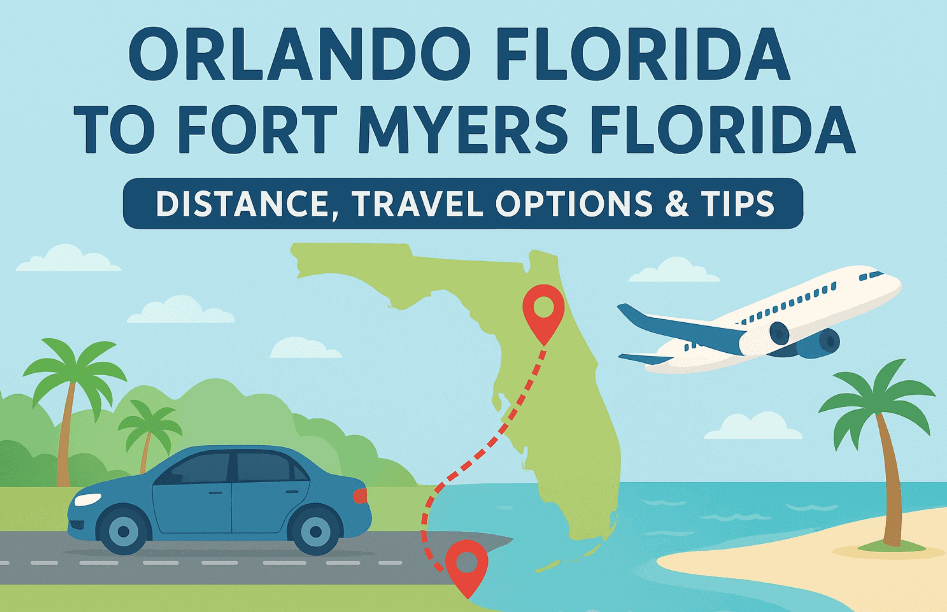
Traveling between Fort Myers on Florida’s Gulf Coast and the inland attractions of Orlando is a common journey for both tourists and residents. Understanding the distance, primary routes, and various transportation options is crucial for planning an efficient and enjoyable trip. While the exact mileage can vary slightly depending on your specific starting and ending points within each city, the journey typically covers approximately 140 to 160 miles. This translates to an average driving time of about 2.5 to 3 hours under ideal conditions, without significant traffic or extended stops.
Understanding the Distance and Primary Routes
The most direct and frequently utilized route connecting Fort Myers to Orlando primarily involves two major interstate highways. Travelers generally begin by heading northeast on Interstate 75 (I-75) from the Fort Myers area. This stretch of highway offers a smooth, multi-lane thoroughfare through central Florida. Upon reaching the Tampa area, or slightly before, drivers will transition onto Interstate 4 (I-4), which serves as the primary artery into Orlando and its surrounding tourist districts.

This combination of I-75 and I-4 is the quickest and most straightforward option for most travelers, offering direct access to key Orlando destinations such as Walt Disney World Resort, Universal Orlando Resort, and the International Drive corridor. While there might be alternative state roads that offer a more scenic, albeit longer, journey through rural Florida, they are generally not recommended for those prioritizing speed and efficiency. The well-maintained interstate system remains the preferred choice for this inter-city travel.
Driving: The Most Common Mode of Transport
Driving remains the predominant method for traveling between Fort Myers and Orlando due to its flexibility and the relative proximity of the two cities. The journey offers a relatively straightforward drive, but several factors can influence the overall experience and duration.
Route Options and Key Considerations
The main driving route involves taking I-75 North from Fort Myers until you reach Interstate 4 (I-4) East near Lakeland. From there, I-4 leads directly into the heart of Orlando. An alternative, though often slightly longer or involving tolls, is to take I-75 North, then merge onto Florida’s Turnpike (a toll road) northbound at Exit 279, which also leads to Orlando. While the Turnpike can sometimes offer a slightly faster run due to fewer exits and less local traffic, it comes with the added cost of tolls. Drivers should consider purchasing a SunPass transponder or ensuring their rental car has one, as many toll gantries in Florida are cashless.
Traffic patterns are a significant consideration. Peak travel times, particularly during morning and evening rush hours (7 AM – 9 AM and 4 PM – 6 PM) on weekdays, can extend travel times, especially near metropolitan areas like Tampa and as you approach Orlando itself. Weekend travel, particularly on Friday afternoons and Sunday evenings, and major holiday periods, can also see substantial increases in traffic volume. It is advisable to utilize real-time navigation apps, such as Google Maps or Waze, which can provide up-to-the-minute traffic updates and suggest alternative routes if major delays occur.
Along the primary routes, numerous rest stops, gas stations, and dining options are available. These are typically concentrated at major highway exits, providing ample opportunities to refuel, refresh, and grab a meal. Planning a single strategic stop can break up the journey nicely without adding significant time.
Estimated Travel Time and Factors Influencing It
The baseline driving time from Fort Myers to Orlando is approximately 2 hours and 30 minutes to 3 hours. However, this is an optimistic estimate. Factors that can influence the actual travel time include:
- Traffic Congestion: As mentioned, rush hour traffic in and around Tampa and Orlando can easily add 30-60 minutes or more to your journey.
- Road Construction: Florida frequently undertakes road improvement projects, particularly on major interstates like I-4. These can lead to lane closures and slower speeds.
- Weather Conditions: Heavy rain, common during Florida’s summer thunderstorm season, or dense fog can necessitate reduced speeds for safety.
- Number and Duration of Stops: Even a quick stop for gas and a snack can add 15-20 minutes. Multiple stops for meals or stretching will naturally extend the total travel time.
- Driver Speed: Adhering strictly to speed limits versus driving at the typical flow of traffic (often slightly above the posted limit) will also impact the duration.
For planning purposes, it is prudent to allocate at least 3.5 to 4 hours for the drive to account for minor delays and a brief stop.
Alternative Transportation Methods
While driving offers the most flexibility, other options exist for traveling between Fort Myers and Orlando, each with its own advantages and disadvantages.
Flying Between Fort Myers and Orlando
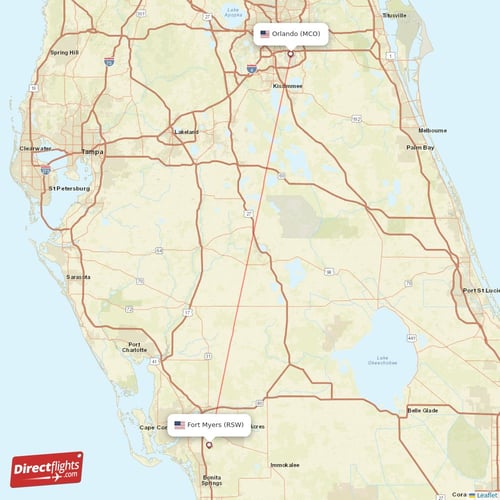
Although both cities have major airports—Southwest Florida International Airport (RSW) in Fort Myers and Orlando International Airport (MCO)—direct flights between them are infrequent and often more expensive than the overall benefit suggests for this relatively short distance. Most flights would involve a layover, usually in Atlanta or Charlotte, significantly extending travel time and negating the advantage of air travel.
For this journey, flying is generally not the most practical or cost-effective option unless it’s part of a larger, multi-leg itinerary where air travel is already integrated. The time spent getting to and from airports, going through security, and waiting for boarding can often make the total door-to-door travel time comparable to or even longer than driving, without the convenience of having your own vehicle upon arrival.
Bus and Train Services
Bus services offer a more budget-friendly alternative. Companies like Greyhound operate routes connecting Fort Myers to Orlando. However, bus travel typically takes longer than driving, often ranging from 4 to 6 hours due to multiple stops and less direct routes. It’s a viable option for those without access to a car or looking to save money on transportation, but it sacrifices speed and personal space.
Train service via Amtrak is not a direct or convenient option for this specific route. While Amtrak does operate in Florida, a journey from Fort Myers to Orlando would likely involve multiple transfers and significantly extended travel times, making it impractical for most travelers.
Ridesharing and Private Shuttles
Ridesharing services like Uber or Lyft are available in both cities, but a ride covering 140-160 miles would be exceptionally expensive, potentially costing hundreds of dollars. This option is generally not recommended for inter-city travel of this distance due to cost.
Private shuttle services, on the other hand, can be a comfortable and efficient option, especially for groups or those willing to pay a premium for door-to-door service without the hassle of driving. These services can be pre-booked and offer reliability, but their cost is considerably higher than driving yourself or taking a bus.
Making the Journey Part of the Adventure: Stopover Suggestions
For those with a bit more time or who enjoy breaking up a drive, there are a few opportunities to turn the journey into a mini-adventure.
Coastal Detours and Nature Stops
Instead of a direct inland route, travelers could consider a slight detour towards Florida’s west coast, passing through cities like Sarasota. While this adds considerable mileage and time, Sarasota offers beautiful beaches, cultural attractions like the Ringling Museum, and vibrant downtown areas.
For nature enthusiasts taking the direct I-75 route, there aren’t many direct “stops” without significant detours. However, the path around Lake Okeechobee could be considered, although it’s largely off the most direct interstate path and adds time. Simpler nature breaks would involve finding a state park or recreation area off one of the main exits for a quick stretch and fresh air.
Family-Friendly Breaks
If traveling with family, a stop in Lakeland, roughly halfway, can be a good idea. Lakeland is home to the Detroit Tigers spring training facility, Joker Marchant Stadium, and features several beautiful lakes where one can stretch legs and enjoy the scenery. Legoland Florida Resort in Winter Haven is also a significant attraction that could serve as a stop, although it requires a short detour off I-4 and is typically a full-day experience itself. For a quicker stop closer to Orlando, Kissimmee offers numerous dining options and some smaller attractions that can provide a brief respite before the final leg into the theme park capital.
Maximizing Your Arrival in Orlando
Upon nearing Orlando, particularly on I-4, be prepared for increased traffic, especially if your destination is near Walt Disney World Resort, Universal Orlando Resort, or the International Drive corridor. These areas are prone to congestion during peak visitor times. Parking at major attractions can be expensive, so factoring this into your budget and arrival strategy is important. Consider using public transportation options within Orlando such as the Lynx bus system or the I-RIDE Trolley along International Drive once you’ve settled into your accommodation to avoid constant driving and parking fees. Strategic timing of your arrival, perhaps mid-morning or late afternoon, can sometimes help mitigate the worst of the traffic snarls.
LifeOutOfTheBox is a participant in the Amazon Services LLC Associates Program, an affiliate advertising program designed to provide a means for sites to earn advertising fees by advertising and linking to Amazon.com. Amazon, the Amazon logo, AmazonSupply, and the AmazonSupply logo are trademarks of Amazon.com, Inc. or its affiliates. As an Amazon Associate we earn affiliate commissions from qualifying purchases.