
The journey between the vibrant metropolis of Miami, Florida, and the bustling southern hub of Atlanta, Georgia, is a frequent route for business travelers, vacationers, and those relocating between these two significant East Coast cities. Understanding the distance and the various travel options is key to planning an efficient and enjoyable trip. This guide delves into the specifics, offering insights into each mode of transport and what to expect along the way.
The Direct Distance: A Geographical Overview
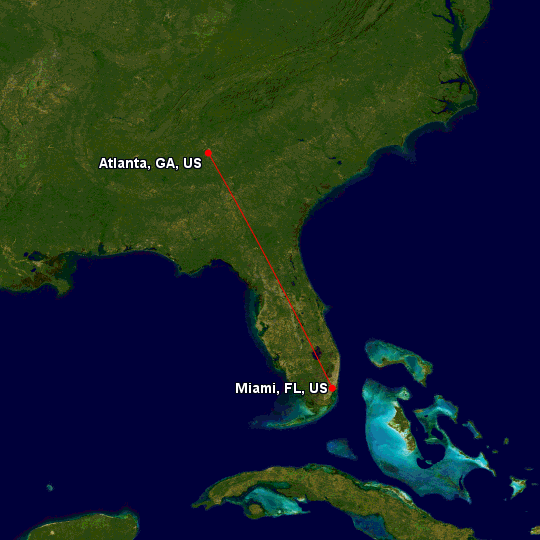
Geographically, the direct line distance, or “as the crow flies,” between Miami and Atlanta is approximately 597 miles (961 kilometers). However, actual travel routes, which follow roads and flight paths, inevitably cover more ground. The most common land routes typically range between 650 to 700 miles (1046 to 1126 kilometers), while flight paths generally adhere closer to the direct aerial distance.

This substantial distance means that a quick jaunt is not feasible; any trip between these two cities requires significant planning. The choice of travel mode—be it driving, flying, or taking public transportation—will drastically influence the total travel time, cost, and the overall experience. Each option presents its own set of advantages and considerations, catering to different priorities, from speed and convenience to scenic routes and budget-friendliness.
Driving the Atlantic Coast Route: An In-Depth Guide
Driving offers the most flexibility for travelers moving between Miami and Atlanta, allowing for personalized schedules and the opportunity to explore points of interest along the way. The typical driving distance is around 660-680 miles (1060-1090 kilometers), and without significant stops, the journey generally takes between 10 to 12 hours. However, factoring in breaks for meals, fuel, and rest, it’s more realistic to allocate 12 to 14 hours for the drive, or even plan an overnight stop.
Popular Driving Routes
There are primarily two main routes to consider:
- The Interstate 95 (I-95) Coastal Route: This is often the most direct and widely used path. From Miami, you’ll head north on I-95 through Florida and into Georgia. In Georgia, you’ll typically connect to Interstate 16 (I-16) West near Savannah, which then merges into Interstate 75 (I-75) North towards Atlanta. This route offers views of the Atlantic coast and passes through several notable cities.
- The Interstate 75 (I-75) Inland Route: This option involves taking the Florida Turnpike northwest from Miami to connect with I-75 North near Orlando. You’ll then follow I-75 all the way up through central Florida and into Georgia, leading directly to Atlanta. This route bypasses some of the coastal traffic but can still be prone to congestion around major cities like Orlando and Gainesville.
Potential Stops and Attractions Along the Way
Breaking up the drive can transform a tedious journey into an enjoyable road trip.
- Florida Highlights: Along I-95, consider a stop in Daytona Beach for its iconic racetrack and sandy shores, or delve into history in St. Augustine, the nation’s oldest continuously inhabited European-established settlement. If taking the I-75 route, Orlando offers world-renowned theme parks, while the natural springs of Ocala National Forest provide a refreshing break.
- Georgia Charms: Once in Georgia, the historic city of Savannah (if on the I-95 route) is an absolute must-see, with its cobblestone streets, picturesque squares, and antebellum architecture. Further north, cities like Macon offer rich musical heritage and historic sites.
Driving Tips
- Traffic Considerations: Both Miami and Atlanta are known for heavy traffic, especially during peak commuting hours. Plan to depart early in the morning or later in the evening to avoid the worst congestion.
- Tolls: The Florida Turnpike is a toll road. It’s advisable to have a SunPass or compatible transponder, as some exits may not accept cash.
- Vehicle Maintenance: Before embarking on such a long drive, ensure your vehicle is in good condition: check tire pressure, oil levels, and fluid levels.
- Rest Stops: Utilize the numerous rest areas and travel centers along both interstates for breaks, refueling, and stretching. Prioritizing rest helps maintain alertness and safety.
Taking to the Skies: The Fastest Option
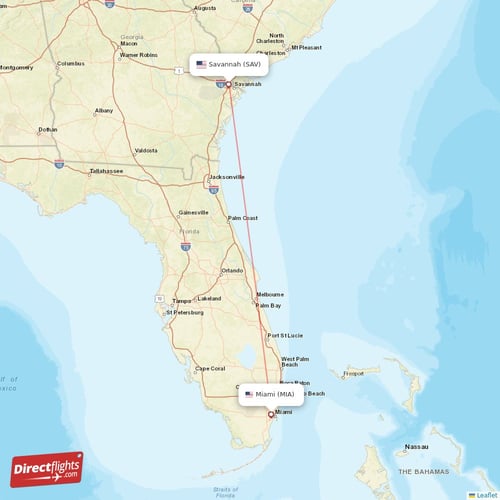
For those prioritizing speed and minimizing travel time, flying is unequivocally the best option. The average flight duration between Miami International Airport (MIA) and Hartsfield-Jackson Atlanta International Airport (ATL) is approximately 1 hour and 45 minutes to 2 hours, making it significantly faster than any ground transportation.
Airports and Airlines
- Departure Airports: Travelers from South Florida can choose between MIA and Fort Lauderdale-Hollywood International Airport (FLL). Both offer numerous daily direct flights to Atlanta. FLL is often preferred by budget airlines, potentially offering more competitive fares.
- Arrival Airport: All direct flights from South Florida land at Hartsfield-Jackson Atlanta International Airport (ATL), which is one of the busiest airports in the world. Its extensive network makes it a major hub, ensuring frequent flight options.
Total Travel Time and Considerations
While the flight itself is under two hours, the total travel time from door-to-door will be longer. Factors to consider include:
- Airport Commute: Travel time to and from the airports.
- Security and Check-in: Arriving at the airport 1.5 to 2 hours before departure for domestic flights.
- Boarding and Deplaning: The actual time spent on the plane, plus the time to board and deplane.
- Baggage Claim: Waiting for checked luggage.
- Ground Transportation: From ATL to your final destination in Atlanta. MARTA ( Atlanta’s public transportation system) offers direct rail service from the airport to downtown and other key areas, which is often the quickest way to navigate.
When these factors are combined, the total travel time for flying can range from 4 to 6 hours, still considerably faster than driving, especially if delays are minimal.
Alternative Ground Travel: Bus and Train
For those who prefer not to drive or fly, or are looking for more budget-friendly options, bus and train services provide viable alternatives. These modes typically take significantly longer than driving but allow passengers to relax and avoid the stresses of navigation and traffic.
Bus Travel
- Providers: Greyhound is the primary bus service operating between Miami and Atlanta.
- Duration: Bus journeys are the longest option, typically ranging from 12 to 18 hours, depending on the number of stops and transfers.
- Cost: Bus tickets are often the most economical choice, especially when booked in advance.
- Experience: Buses offer a no-frills travel experience, but modern coaches usually come equipped with Wi-Fi and power outlets. Passengers can enjoy the scenery, read, or work without the responsibility of driving.
Train Travel
- Provider: Amtrak operates services that can get you from Miami to Atlanta, though it often requires transfers.
- Route and Duration: The most common Amtrak route from Miami would involve taking the Silver Service (e.g., Silver Star or Silver Meteor) northbound, typically requiring a transfer in Washington D.C. or Jacksonville, Florida, to connect to a service heading to Atlanta. This can make the total journey time significantly longer, often exceeding 24 hours.
- Cost and Experience: Train travel can be more expensive than bus travel but offers a more spacious and comfortable experience, often with dining cars and sleeper options for overnight segments. It’s a choice for those who enjoy the journey itself and are not constrained by time.
Planning Your Journey: Essential Travel Tips
Regardless of your chosen mode of transportation, a well-planned trip will enhance your experience between Miami and Atlanta.
Best Time to Travel
- Avoid Peak Seasons: Holidays and school breaks generally lead to higher prices for flights and accommodations, and heavier traffic on the roads.
- Weather Considerations: Florida summers are hot and prone to afternoon thunderstorms, while hurricane season (June to November) can impact both air and road travel. Georgia also experiences hot, humid summers. Spring and fall offer the most pleasant weather for travel.
Packing Essentials
- Layered Clothing: Both cities can experience temperature fluctuations, so packing layers is advisable.
- Entertainment: For long drives or bus/train journeys, bring books, podcasts, music, or movies.
- Snacks and Water: Especially important for road trips to avoid frequent stops and stay hydrated.
- Chargers: Keep all your devices charged, including power banks for on-the-go use.
Booking in Advance
- Flights: Booking flights several weeks or months in advance typically yields better fares.
- Rental Cars: If driving a rental, secure your booking early, especially during high demand periods.
- Accommodations: If you plan an overnight stop during a long drive, book your hotel or motel ahead of time to ensure availability and potentially better rates.
Safety First
- Driving: Always adhere to speed limits, take frequent breaks to combat fatigue, and avoid driving drowsy.
- Public Transport: Keep an eye on your belongings, especially at bus or train stations and airports.
Traveling from Miami, Florida, to Atlanta, Georgia, is a journey of significant distance, but one made accessible by a variety of transportation options. Whether you seek the speed of air travel, the flexibility of a road trip, or the relaxed pace of public transit, careful planning will ensure a smooth and enjoyable trip between these two iconic southern cities.
LifeOutOfTheBox is a participant in the Amazon Services LLC Associates Program, an affiliate advertising program designed to provide a means for sites to earn advertising fees by advertising and linking to Amazon.com. Amazon, the Amazon logo, AmazonSupply, and the AmazonSupply logo are trademarks of Amazon.com, Inc. or its affiliates. As an Amazon Associate we earn affiliate commissions from qualifying purchases.