
Embarking on a journey across the Sunshine State often involves traversing significant distances, and the route between Jacksonville and Miami is a quintessential Florida expedition. Understanding the precise distance and the various travel options available is crucial for planning an efficient and enjoyable trip, whether for business or leisure. This guide delves into the logistical considerations, offering insights into travel times, routes, and modes of transport for navigating the length of Florida from its northern gateway to its vibrant southern tip.
The Core Distance: Miles, Hours, and Realities
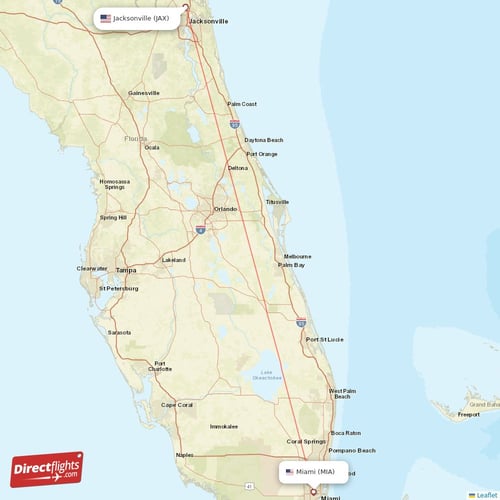
The geographical span separating Jacksonville in Northeast Florida and Miami in the Southeast is substantial, making it one of the longest inter-city routes within the state. On average, the driving distance between these two major urban centers is approximately 340 to 350 miles (547 to 563 kilometers), depending on the exact starting and ending points within each metropolitan area and the specific route taken.

Translating this distance into travel time, a non-stop drive typically ranges from 5.5 to 6 hours. However, this estimate is largely theoretical. Real-world travel almost invariably involves variables that extend this duration. Factors such as traffic congestion, particularly around major cities like Orlando and Fort Lauderdale, mandatory stops for fuel, meals, or rest, and potential road construction can easily add an extra hour or two to the journey. For practical planning, it’s prudent to allocate at least 7 to 8 hours for a comfortable and stress-free drive, allowing for brief breaks and unexpected delays.
Understanding this core distance is the first step in any travel plan, setting the stage for decisions regarding the mode of transport, necessary preparations, and scheduling. It underscores the fact that this is not a short hop but a significant cross-state transit that requires thoughtful consideration.
Navigating the Journey: Road Trip Insights
For many, the road trip remains the preferred method of travel between Jacksonville and Miami, offering flexibility and the opportunity to experience the diverse landscapes of Florida. The primary arterial connecting these cities is Interstate 95 (I-95), a major north-south highway that spans the entire eastern seaboard of the United States.
The I-95 Corridor
The most direct and widely used route is to take I-95 South from Jacksonville all the way to Miami. This route is predominantly flat and well-maintained, passing through several key Florida cities and regions.
- Northern Segment: From Jacksonville, I-95 heads south, passing by historic St. Augustine and then through the Daytona Beach area, known for its iconic international speedway and vibrant beach scene.
- Central Segment: Further south, the highway skirts the Space Coast, offering glimpses of the Kennedy Space Center near Titusville. While I-95 does not directly pass through Orlando, it provides convenient exits to connect with Interstate 4 (I-4) if a detour to the theme park capital is desired.
- Southern Segment: The final stretch of I-95 leads into the heavily populated South Florida region, passing through West Palm Beach and Fort Lauderdale before reaching Miami. This segment is often the most congested, especially during peak travel hours and holidays.
Scenic Alternatives and Road Trip Tips
While I-95 is the most efficient, some travelers might prefer a more scenic approach, albeit one that adds to the travel time.
- Coastal Route (A1A): For those with ample time, taking portions of A1A (Florida State Road A1A) offers stunning ocean views and passes through charming coastal towns. This route is much slower, often winding through local communities, but provides a richer, more relaxed travel experience. It can be integrated with I-95 by taking exits to the coast and rejoining the interstate later.
- Inland via Florida’s Turnpike: Another option for travelers originating slightly west of Jacksonville or those wishing to bypass some I-95 traffic is to utilize Florida’s Turnpike. This toll road runs roughly parallel to I-95 for a significant portion of the journey and is often less congested. However, tolls apply, and entry points from Jacksonville are slightly less direct.
Regardless of the chosen route, essential road trip tips include:
- Vehicle Check: Ensure your vehicle is in good condition, especially tires, oil, and fluid levels.
- Snacks and Hydration: Pack plenty of water and snacks to avoid frequent stops and maintain energy.
- Entertainment: Audiobooks, podcasts, and curated playlists can make the long drive more enjoyable.
- Traffic Apps: Utilize real-time navigation apps like Google Maps or Waze to monitor traffic conditions and identify potential detours.
- Rest Stops: Plan for regular breaks every 2-3 hours to stretch, refuel, and re-energize.
Alternative Travel Methods Beyond the Wheel

While driving offers unparalleled flexibility, it’s not the only way to travel between Jacksonville and Miami. Air, rail, and bus services provide viable alternatives, each with its own set of advantages and considerations.
Air Travel
For those prioritizing speed, flying is the most efficient option.
- Airports: Travelers would typically fly out of Jacksonville International Airport (JAX) and arrive at either Miami International Airport (MIA) or Fort Lauderdale-Hollywood International Airport (FLL), which is often a more cost-effective option and still conveniently located near Miami.
- Flight Duration: The actual flight time is remarkably short, usually around 1 hour to 1 hour and 15 minutes.
- Overall Travel Time: However, when factoring in travel to and from airports, security checks, boarding, and potential delays, the total door-to-door travel time can accumulate to 4-6 hours. This makes flying comparable to driving in terms of overall duration once all factors are considered, but with significantly less personal effort during transit. Costs can vary widely based on booking lead time, airline, and seasonality.
Rail Service
Train travel offers a unique, often more relaxed, experience.
- Amtrak: Amtrak provides service between Jacksonville and Miami on its Silver Service route (Silver Star and Silver Meteor lines).
- Duration: The journey is considerably longer than driving or flying, typically taking 6.5 to 8 hours or more, depending on the specific train and stops.
- Experience: Amtrak offers a comfortable way to travel, with amenities like dining cars, spacious seating, and the ability to relax or work en route without the stress of driving. It’s an excellent choice for those who prefer to avoid driving and enjoy the scenery.
- Brightline: Brightline offers high-speed rail service in South Florida and recently expanded to Orlando. While it doesn’t currently connect directly to Jacksonville, travelers could potentially combine Amtrak to Orlando and then switch to Brightline for a faster journey to Miami, though this would involve transfers and additional planning.
Bus Service
For budget-conscious travelers, bus services present the most economical option.
- Operators: Companies like Greyhound operate multiple daily services between Jacksonville and Miami.
- Duration: Bus journeys are typically the longest, often ranging from 7 to 9 hours, due to multiple stops and potential transfers.
- Cost-Effectiveness: Despite the longer travel time, bus tickets are generally the most affordable, making them an attractive choice for those on a tight budget. Modern buses often offer amenities like Wi-Fi and power outlets, enhancing comfort during the extended trip.
Why Make the Journey? Gateway Cities of Florida
The journey between Jacksonville and Miami isn’t just about covering distance; it connects two distinct and significant urban centers that serve as vital gateways to different facets of Florida’s allure. Understanding what each city offers reinforces the purpose and value of this cross-state travel.
Jacksonville: The River City by the Sea
As Florida’s largest city by land area, Jacksonville boasts a unique blend of urban sophistication and natural beauty. Situated on the St. Johns River and close to the Atlantic coastline, it serves as a hub for business, culture, and outdoor recreation.
- Starting Point: For many travelers, Jacksonville is the entry point into Florida from the north, whether by car via I-95 or by air into JAX. Its strategic location makes it an ideal launchpad for exploring the state’s northeastern coast, including the historic city of St. Augustine and the pristine beaches of the Timucuan Ecological and Historic Preserve.
- Regional Significance: From Jacksonville, travelers can easily access other parts of North Florida before heading south, positioning it as a key regional travel nexus.
Miami: The Magic City’s International Flair
At the southern end of the journey lies Miami, a globally recognized metropolis famous for its vibrant arts scene, stunning beaches, diverse culture, and dynamic nightlife. It’s a gateway to Latin America and the Caribbean, offering a unique blend of influences.
- Destination Appeal: Arriving in Miami after a long journey is to enter a different world. Its iconic South Beach, the art deco architecture of Ocean Drive, the cultural richness of Little Havana, and the upscale shopping of the Design District attract millions of visitors annually.
- Further Exploration: Miami also serves as a crucial departure point for cruises, trips to the Florida Keys, and excursions into the Everglades National Park.
Connecting Jacksonville and Miami bridges two distinct Florida experiences, making the journey an integral part of understanding the state’s diverse appeal. Whether one seeks the laid-back charm of the north or the cosmopolitan pulse of the south, the trip between these cities is a definitive Florida travel experience. Careful planning, considering the distance and available transport options, ensures a smooth transition between these captivating destinations.
LifeOutOfTheBox is a participant in the Amazon Services LLC Associates Program, an affiliate advertising program designed to provide a means for sites to earn advertising fees by advertising and linking to Amazon.com. Amazon, the Amazon logo, AmazonSupply, and the AmazonSupply logo are trademarks of Amazon.com, Inc. or its affiliates. As an Amazon Associate we earn affiliate commissions from qualifying purchases.