
Embarking on a journey across the United States often brings up questions of scale and distance. For travelers contemplating a trip between the northern reaches of Minnesota and the sunny shores of Florida, understanding the vast expanse separating these two states is the first step in planning an unforgettable adventure. This isn’t just a simple hop; it’s a significant cross-country traverse, offering diverse landscapes, climates, and experiences along the way.
The Great American North-South Journey
The distance between Minnesota and Florida is substantial, spanning the heart of the North American continent. At its shortest, the straight-line (as the crow flies) distance between the approximate geographic centers of the two states is roughly 1,200 to 1,300 miles. However, when planning actual travel, this aerial measurement is less relevant than the driving or flying routes.

For practical travel purposes, the distance can range anywhere from approximately 1,500 to over 2,000 miles, depending on specific starting and ending cities. For instance, a journey from Minneapolis, Minnesota’s largest city, to a major Florida hub like Orlando typically covers around 1,600 to 1,700 miles by road. If your destination is further south, such as Miami, the total distance can stretch to nearly 1,900 miles. This considerable range highlights the need for precise planning, whether you’re embarking on a leisurely road trip or seeking the quickest flight.
Modes of Transportation and Travel Times
The method of travel you choose will dramatically impact the overall journey time and experience. Each option presents its own set of advantages, catering to different travel preferences and budgets.
Driving: The Classic American Road Trip
A road trip from Minnesota to Florida is an epic undertaking, typically requiring multiple days and offering the flexibility to explore along the way.
The most common driving routes from Minneapolis generally involve heading southeast through the Midwest and then south through the southeastern states. A popular path might take you south on I-35 or I-94 to I-80 or I-70 eastbound, eventually connecting to major southbound interstates like I-57, I-65, I-75, or even I-59 which leads to I-10 across the Florida panhandle.
For a trip from Minneapolis to Orlando, the driving distance is approximately 1,600 to 1,700 miles. At an average driving speed, this translates to about 24-28 hours of pure driving time. Given the need for rest, meals, and fuel stops, this journey is typically broken into at least two, if not three, days.
- Two-Day Plan: This is an aggressive pace, requiring long driving days (12-14 hours each). You would likely need one overnight stop, perhaps in central Kentucky or Tennessee, depending on your exact route and how far south you push on the first day.
- Three-Day Plan: This is a more comfortable approach, allowing for 8-10 hours of driving per day. This would involve two overnight stays, perhaps in Illinois and then Georgia or Alabama. This schedule provides opportunities for shorter breaks and less fatigue.
When planning a road trip, factor in fuel costs, potential tolls (especially in Florida), and accommodation expenses for overnight stops. Vehicle maintenance is also crucial for such a long journey.
Flying: The Fastest Option
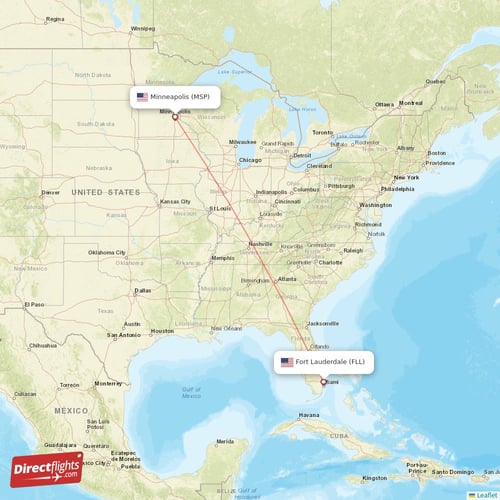
For those prioritizing speed and minimizing travel time, flying is undoubtedly the most efficient choice. The journey by air from Minnesota to Florida is significantly shorter.
- Major Airports: The primary airport for departures from Minnesota is Minneapolis-Saint Paul International Airport (MSP). In Florida, major arrival hubs include Orlando International Airport (MCO), Miami International Airport (MIA), Tampa International Airport (TPA), and Fort Lauderdale-Hollywood International Airport (FLL).
- Flight Duration: A direct flight from Minneapolis-Saint Paul International Airport to Orlando International Airport typically takes approximately 3 to 3.5 hours. To Miami International Airport or Fort Lauderdale-Hollywood International Airport, it might be closer to 3.5 to 4 hours.
- Connecting Flights: While direct flights are often available, especially to major Florida cities, connecting flights can add significant time, ranging from 5 to 8 hours or more, depending on the layover duration and location.
- Total Travel Time: When considering airport check-in, security, boarding, and deplaning, the total door-to-door travel time for a direct flight can still be around 6-8 hours. For connecting flights, this could extend to 10-12 hours or even longer.
Other Transportation Methods
While less common for this specific route, other transportation options exist:
- Bus Services: Long-distance bus services offer a more economical but significantly longer journey. A bus trip from Minneapolis to Orlando could easily take 30-40 hours or more, often involving multiple transfers.
- Train (Amtrak): Amtrak offers routes that can get you from Minnesota to Florida, but these journeys are typically very long and involve multiple transfers. For example, a route might involve taking the “Empire Builder” from St. Paul to Chicago, then connecting to a southbound train like the “City of New Orleans” or “Cardinal” which connects to other lines that eventually reach Florida. Total travel time could easily exceed 35-48 hours, not including layovers. It’s often chosen for the experience rather than efficiency.
What to Expect Along the Way: A Glimpse into the Journey
Traveling from the Upper Midwest to the Deep South involves crossing numerous state lines and experiencing significant changes in scenery and climate.
The journey will take you through diverse American landscapes. From the plains and agricultural lands of Iowa or Wisconsin and Illinois, you’ll transition into the rolling hills and forested regions of states like Kentucky and Tennessee. As you continue further south into Georgia, Alabama, and eventually Florida, the landscape becomes flatter, dominated by pine forests, wetlands, and eventually coastal vegetation.
You will likely pass through or near major metropolitan areas such as Chicago, St. Louis, Nashville, Atlanta, and Jacksonville, each offering potential stopover points or cultural detours. The change in climate is particularly noticeable; you’ll move from Minnesota’s often chilly or snowy weather to Florida’s subtropical warmth. This dramatic shift means careful packing is essential, especially if traveling during shoulder seasons.
Planning Your Journey: Essential Tips
Thorough planning is key to a smooth and enjoyable trip between Minnesota and Florida.
Best Time to Travel
- Spring (April-May): Generally pleasant weather across the entire route, with blooming landscapes in the south. Avoid late spring for Florida if you dislike heat and humidity.
- Fall (September-October): Ideal for road trips, offering cooler temperatures, fall foliage in the northern parts of the route, and lower hurricane risk in Florida compared to summer.
- Winter (November-March): While Florida winters are mild and popular, driving through Minnesota and the Midwest can present challenges with snow and ice, potentially delaying your journey. Flying is often preferred during this season.
- Summer (June-August): Hot and humid conditions are prevalent through the southern states, making driving less comfortable. Florida also enters its rainy season with a higher chance of afternoon thunderstorms and hurricane season concerns.
Budgeting for Your Trip
- Driving: Factor in fuel costs (which fluctuate), potential tolls (especially on Florida turnpikes), and accommodation for overnight stays. Food and beverage expenses will also add up.
- Flying: Airfare can vary widely based on seasonality, booking in advance, and airline choice. Don’t forget costs for airport parking, transportation to and from airports, and baggage fees.
- Accommodation: Research hotels or motels along your chosen route for road trips, or near your Florida destination. Booking in advance can often secure better rates.

Packing Considerations
Due to the significant climate difference, especially if traveling during shoulder seasons, pack layers. You might start in a jacket in Minnesota and end up in shorts and a t-shirt in Florida. For road trips, essentials include a spare tire, jumper cables, first-aid kit, snacks, water, entertainment, and a reliable GPS. For flying, adhere to airline baggage restrictions and pack light if possible.
Whether you choose the expansive experience of a road trip or the swift efficiency of air travel, the journey from Minnesota to Florida is a quintessential American travel experience, connecting two incredibly distinct parts of the country.
LifeOutOfTheBox is a participant in the Amazon Services LLC Associates Program, an affiliate advertising program designed to provide a means for sites to earn advertising fees by advertising and linking to Amazon.com. Amazon, the Amazon logo, AmazonSupply, and the AmazonSupply logo are trademarks of Amazon.com, Inc. or its affiliates. As an Amazon Associate we earn affiliate commissions from qualifying purchases.