
Embarking on a journey from the bustling metropolis of New York to the sunny shores of Florida is a quintessential American travel experience, offering a stark contrast in landscapes, climates, and cultural vibes. Understanding the distance, travel options, and planning considerations is key to transforming this significant trek into an enjoyable adventure, whether you seek speed, scenery, or savings. This comprehensive guide will illuminate the path from the Empire State to the Sunshine State, preparing you for a memorable voyage.
The Geographic Span: Understanding the Distance
The vast expanse between New York and Florida varies significantly depending on your specific departure and arrival points, as well as the mode of transportation chosen. It’s crucial to distinguish between a straight-line (as the crow flies) distance and the actual travel distance, which accounts for roads, flight paths, or rail lines.
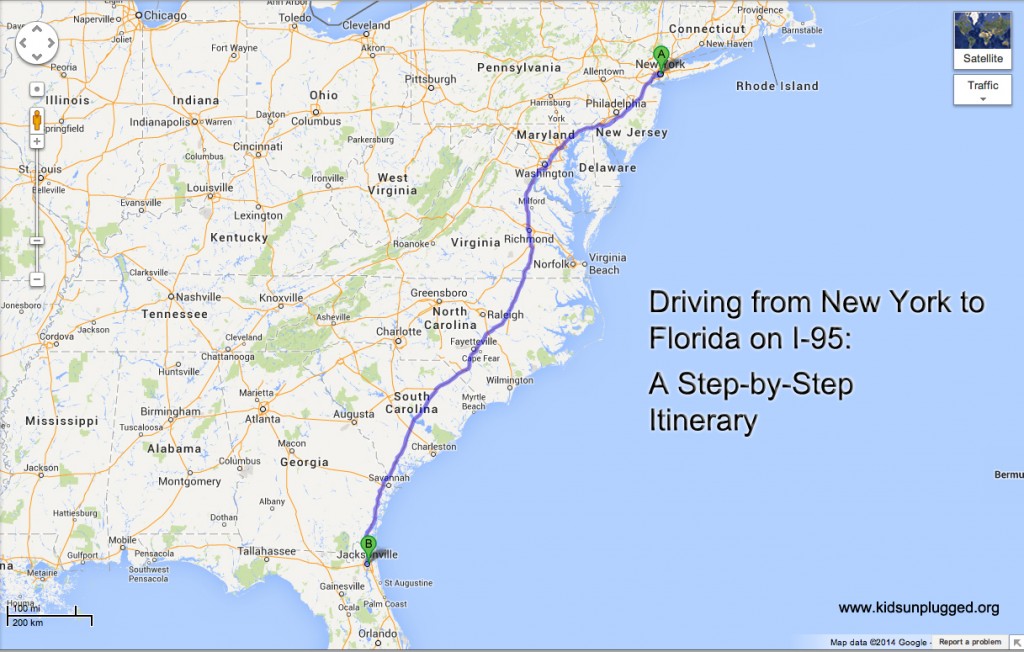
Straight-Line vs. Driving Distance
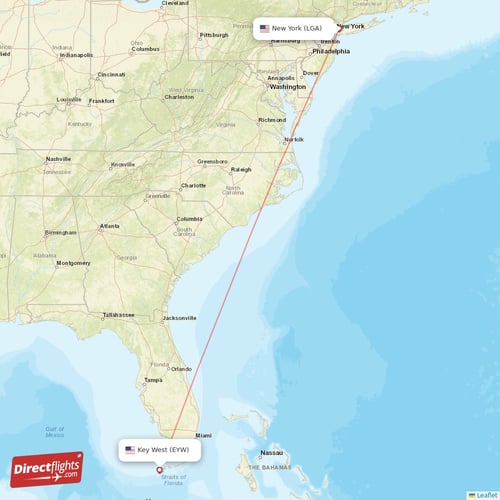
As the crow flies, the distance between, for example, New York City and Miami, Florida, is approximately 1,090 miles (1,754 kilometers). However, ground travel requires navigating roadways, which rarely follow a perfectly straight line. The driving distance typically ranges from about 1,100 to 1,300 miles (1,770 to 2,092 kilometers) depending on the exact start and end cities and the chosen route. This translates to a considerable journey, necessitating careful planning for stops, fuel, and rest.
Key Cities and Their Variations
The choice of cities within both states dramatically impacts the total distance and travel time.
- New York City to Jacksonville, Florida: As the closest major Florida city to New York, this route spans approximately 950-1,000 miles (1,530-1,610 km) by road.
- New York City to Orlando, Florida: A popular destination known for its theme parks, Orlando is roughly 1,070-1,100 miles (1,720-1,770 km) from New York City by car.
- New York City to Miami, Florida: At the southern tip of the state, Miami represents the longest common journey, typically around 1,280-1,300 miles (2,060-2,092 km) by road.
These variations highlight the importance of pinpointing your precise origin and destination when calculating travel logistics.
Modes of Travel: Choosing Your Journey
The choice of transportation from New York to Florida is often dictated by factors such as budget, time constraints, desired experience, and the amount of luggage you plan to carry. Each mode offers a unique set of advantages and disadvantages.
By Air: The Quickest Route
Flying is, unequivocally, the fastest way to bridge the distance between New York and Florida. Direct flights typically take between 2.5 to 3.5 hours, depending on the specific airports and wind conditions.
- Major Airports: In New York, travelers can depart from JFK, LaGuardia, or Newark Liberty International Airport. Florida boasts numerous international airports, with the most popular being Miami International Airport (MIA), Orlando International Airport, and Fort Lauderdale-Hollywood International Airport.
- Travel Time and Cost: While the flight itself is short, remember to factor in travel to and from airports, security checks, and potential delays. The total door-to-door time often averages 6-8 hours. Ticket prices fluctuate significantly based on seasonality, booking in advance, and airline choice, ranging from under $100 for budget carriers to several hundred dollars for premium services. Flexibility with travel dates can yield substantial savings.
By Road: The Classic American Road Trip
For those who enjoy the journey as much as the destination, driving offers unparalleled freedom and the opportunity to explore sights along the way. The primary route for this north-south journey is Interstate 95.
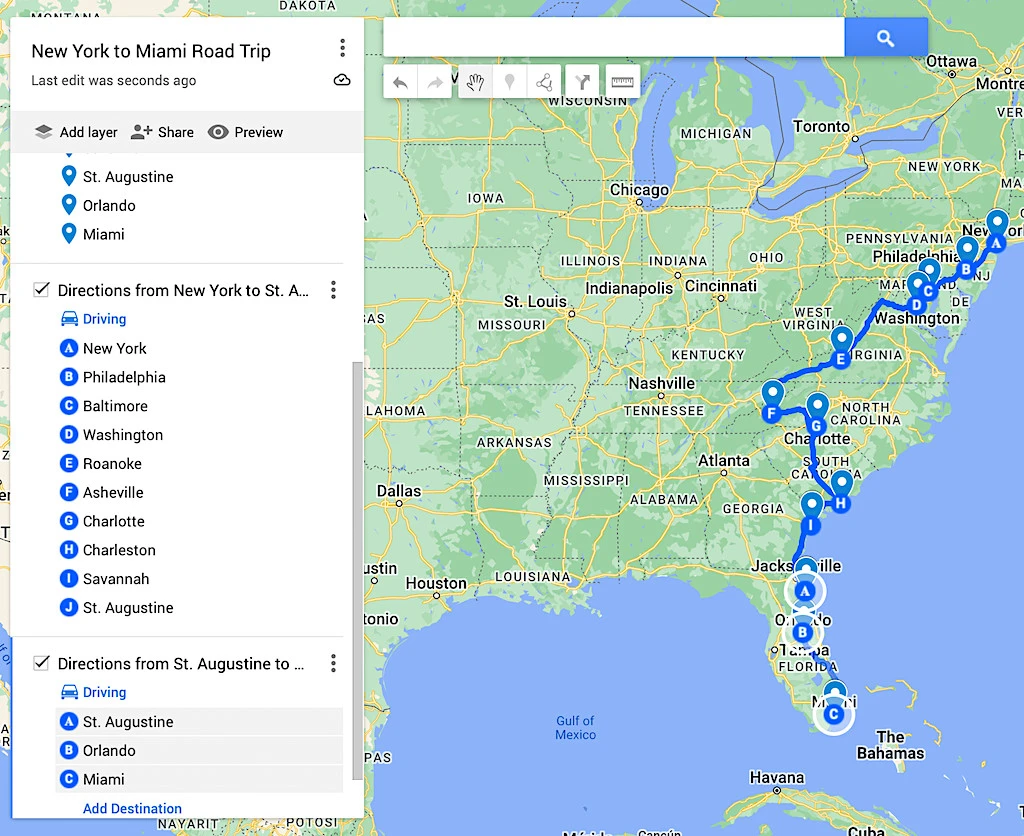
- Driving Distance and Time: A non-stop drive from New York City to Miami would theoretically take about 18-20 hours. However, this is highly impractical and unsafe. Most travelers break the journey into two days, with an overnight stop.
- Major Interstate Routes: I-95 is the most direct and heavily trafficked route, running straight down the East Coast. It traverses through New Jersey, Delaware, Maryland, Virginia, North Carolina, South Carolina, and Georgia before reaching Florida.
- Stopover Suggestions: Popular overnight stops or points of interest include Washington D.C., Richmond, Virginia, and Savannah, Georgia, each offering a unique charm and historical significance.
- Fuel, Tolls, and Accommodation: Budget for considerable fuel costs, as well as tolls, particularly in New York, Delaware, Maryland, and Florida. Accommodation for an overnight stop should be booked in advance, especially during peak travel seasons.
By Rail: Scenic and Relaxed Travel
Train travel offers a more leisurely and often scenic alternative, allowing passengers to relax and enjoy the landscape without the stress of driving or airport procedures. Amtrak provides several services connecting New York City’s Moynihan Train Hall (formerly Penn Station) to various Florida destinations.
- Amtrak Routes: The main lines serving this corridor are the Silver Meteor and Silver Star, which provide daily service to cities like Orlando, Tampa, and Miami. The Auto Train is a unique option for those wanting to bring their car; it travels non-stop between Lorton, Virginia (just south of Washington D.C.), and Sanford, Florida (near Orlando).
- Travel Duration and Amenities: Train journeys are significantly longer than flights, typically ranging from 20 to 28 hours from New York City to Florida cities. However, passengers can enjoy comfortable seating, dining cars, and even sleeper accommodations, turning the travel itself into part of the vacation experience.
By Bus: Economical Travel
Bus travel is often the most budget-friendly option, though it typically entails the longest travel times.
- Operators: Companies like Greyhound and FlixBus offer regular services between major cities in New York and Florida.
- Duration and Comfort: A bus trip from New York City to Miami can take upwards of 24-30 hours, often involving transfers and multiple stops. While modern buses offer amenities like Wi-Fi and power outlets, the extended duration can be challenging for some travelers.
Planning Your Trip: Essential Considerations
Regardless of your chosen mode of transport, a well-thought-out plan ensures a smoother and more enjoyable journey.
Best Time to Travel
Consider the season when planning your trip. Fall and spring generally offer pleasant weather along the entire route and can avoid peak crowds and prices in Florida. Winter travel to Florida is popular, but roads can be busy, and flights more expensive. Summer means hotter temperatures and potential hurricane season considerations in Florida.
Budgeting for Your Journey
Costs can vary widely. Flights can be cheap if booked in advance or expensive last-minute. Driving involves fuel, tolls, and potentially overnight stays. Train tickets offer various classes. Always compare costs across different modes and book ahead, especially for peak seasons, to secure better rates. Don’t forget to account for food, drinks, and incidentals during your travel.
Packing Essentials
Pack according to the climate differences. New York might be chilly, while Florida will likely be warm and humid. Layers are always a good idea. For road trips, prepare a car emergency kit, entertainment, and snacks. For flights, adhere to luggage restrictions.
Technology and Navigation
For road trips, a reliable GPS or smartphone navigation app is indispensable. Download offline maps in case of patchy service. Keep your devices charged and consider a portable power bank. For all modes of travel, essential apps for weather, flight tracking, or public transport can significantly enhance your experience.
Experiences Along the Way: More Than Just a Destination
The journey from New York to Florida is more than just covering miles; it’s an opportunity to witness the diverse tapestry of the East Coast. From the historic landmarks of Virginia and Maryland to the charming Southern hospitality of North Carolina, South Carolina, and Georgia, each state offers its own unique flavor. A road trip allows for impromptu detours to coastal towns, national parks, or vibrant cities. Even flying provides panoramic views of this geographical transition. Embrace the travel experience itself, as it’s an integral part of understanding the vastness and variety of the American landscape before arriving at the sun-drenched beaches and vibrant cities of Florida.
LifeOutOfTheBox is a participant in the Amazon Services LLC Associates Program, an affiliate advertising program designed to provide a means for sites to earn advertising fees by advertising and linking to Amazon.com. Amazon, the Amazon logo, AmazonSupply, and the AmazonSupply logo are trademarks of Amazon.com, Inc. or its affiliates. As an Amazon Associate we earn affiliate commissions from qualifying purchases.