
Navigating the vast and vibrant landscape of Florida often involves traversing significant distances, and the journey between its southernmost major metropolis, Miami, and its state capital, Tallahassee, is a prime example. This journey connects the bustling, multicultural energy of South Florida with the historic charm and governmental gravitas of the Panhandle. Understanding the distance, travel time, and available routes is crucial for planning an efficient and enjoyable trip, whether for business, leisure, or relocation.
The Direct Distance and Driving Routes
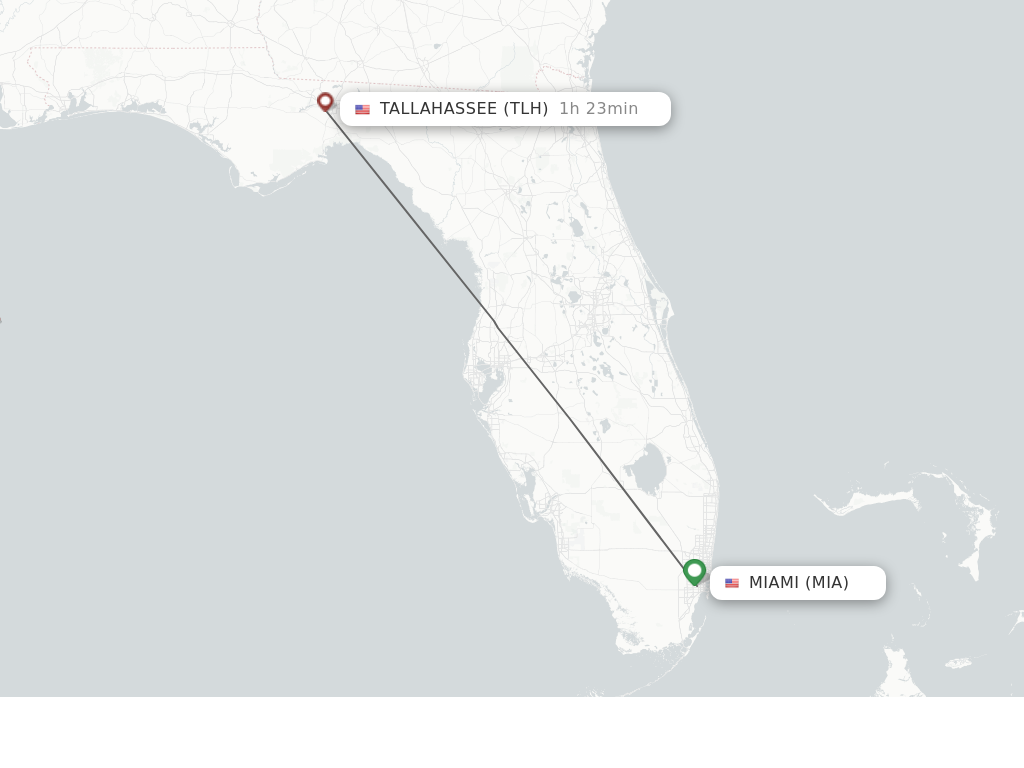
The straight-line distance, or “as the crow flies,” between Miami and Tallahassee is approximately 380 miles (612 kilometers). However, actual road travel significantly increases this figure due to the necessity of following established roadways.

Driving North: The I-75 Corridor
The most common and generally fastest driving route involves utilizing Interstate 75 (I-75) for a significant portion of the trip. From Miami, travelers typically head west on Interstate 75, which cuts across the Everglades (often called “Alligator Alley”) towards Naples on the Gulf Coast. From there, Interstate 75 turns north, passing through major cities like Fort Myers, Tampa, and Gainesville. Near Gainesville, drivers will typically transition to U.S. Route 27 or Interstate 10 (I-10) west to reach Tallahassee.
- Estimated Driving Distance: Approximately 475-500 miles (764-805 kilometers), depending on the exact start and end points within each city and minor route variations.
- Estimated Driving Time: Without significant stops, the journey typically takes between 7.5 to 9 hours. This estimate can fluctuate significantly based on traffic conditions, particularly around urban areas like Miami, Fort Lauderdale, Tampa, and Orlando (if the route deviates slightly east). Peak travel times, especially holiday weekends or rush hour, can add several hours to the trip.
This route is largely flat and well-maintained, offering consistent highway speeds. Services, including fuel stations, restaurants, and rest areas, are abundant along Interstate 75.
Driving Coastal: US-27 and US-19 Options
While longer, some travelers prefer routes that hug the coast or offer a more scenic, less interstate-dominated experience.
-
U.S. Route 27 North (Inland Alternative): Instead of continuing west on Interstate 75 across Alligator Alley, one could take U.S. Route 27 north from South Florida. This route travels through central Florida, often passing through agricultural lands and smaller towns. It eventually connects with Interstate 75 or other state roads that lead to Tallahassee. While potentially less direct in terms of highway speed, it offers a glimpse into a different side of the state.
-
U.S. Route 19 (Gulf Coast Scenic Route): For a truly different experience after reaching the Gulf Coast (e.g., via Interstate 75 to Fort Myers or Tampa), one could follow U.S. Route 19 north. This road meanders along the “Nature Coast” of Florida, offering access to charming coastal towns, natural springs, and state parks. It’s a significantly slower journey, likely adding several hours to the drive, but it’s rich in opportunities for exploration and a break from highway monotony.
These alternative routes can extend the trip to 9-12 hours or more, making them suitable for those with ample time who prioritize the journey itself rather than just the destination.
Alternative Modes of Transport
Driving is the most popular choice for this route, offering flexibility and cost-effectiveness for groups. However, other options exist.
Air Travel Considerations
Flying is the quickest way to cover the distance between Miami and Tallahassee.

- Airports: Direct flights typically operate between Miami International Airport (MIA) or Fort Lauderdale-Hollywood International Airport (FLL) and Tallahassee International Airport (TLH).
- Flight Time: The actual flight time is approximately 1 hour and 15 minutes to 1 hour and 30 minutes.
- Total Travel Time: When factoring in check-in, security, boarding, deplaning, and travel to/from airports, the total door-to-door travel time can often be comparable to or slightly less than driving, usually around 4-6 hours.
- Cost: Airfare can vary wildly based on demand, booking time, and airline. For solo travelers or those with time constraints, flying is often the preferred option despite the potentially higher cost.
Rail and Bus Options
For those who prefer not to drive or fly, bus and train services provide alternatives, albeit with longer travel times.
- Bus Services: Companies like Greyhound offer daily routes connecting Miami and Tallahassee. The journey can take anywhere from 9 to 12+ hours, often involving transfers in cities like Orlando or Jacksonville. While economical, comfort and travel time are significant considerations.
- Train Services: Amtrak does not offer a direct route between Miami and Tallahassee. Travelers would need to take the Silver Service/Palmetto north from Miami to a station like Jacksonville or even further north, and then arrange alternative transport (bus or car rental) for the remainder of the journey to Tallahassee. This makes train travel a less practical and significantly longer option for this specific city pair.
Breaking Up the Journey: Scenic Stops and Overnights
Given the substantial driving distance, many travelers opt to break up the journey with an overnight stay or at least significant stops to rest and explore.
Central Florida Highlights
The central corridor of Florida offers numerous attractions that can serve as excellent stopover points.
- Orlando: Roughly halfway, Orlando is a popular choice for an overnight stay. Home to world-renowned theme parks like Walt Disney World Resort and Universal Orlando Resort, it offers abundant dining, lodging, and entertainment options. Even a brief stop can include a nice meal or a quick walk around a charming area like Winter Park.
- Tampa / St. Petersburg: Located on the Gulf Coast, these cities offer beautiful beaches, cultural institutions like the Dalí Museum in St. Petersburg, and family attractions such as Busch Gardens Tampa Bay. This would be a slight detour off the most direct Interstate 75 route but well worth it for those with extra time.
- Natural Springs: Florida is famous for its stunning natural springs. Places like Silver Springs State Park near Ocala or Weeki Wachee Springs State Park offer opportunities for swimming, kayaking, and wildlife viewing, providing a refreshing break from the road.
Panhandle Pit Stops
As you approach Tallahassee, towns along Interstate 10 or U.S. Route 90 offer smaller, more localized experiences. These could include historical sites, local eateries, or simply a quieter place to stretch your legs before reaching the capital.
What Awaits in Tallahassee and Miami
The journey itself is a passage through diverse Florida landscapes, leading to two distinct destinations, each offering its unique appeal to travelers.
Highlights in South Florida
Miami is a global hub renowned for its vibrant arts scene (especially in areas like Wynwood and the Art Deco Historic District in South Beach), world-class dining, and stunning beaches. Its Latin American influence is palpable in neighborhoods like Little Havana, offering a rich cultural tapestry. The city also serves as a gateway to the Florida Keys and the vast wilderness of Everglades National Park.
Northern Florida’s Charms
Tallahassee, in contrast, presents a more Southern charm combined with its role as the state capital. Visitors can explore the Florida Historic Capitol Museum, the Mission San Luis de Apalachee (a living history museum), and the beautiful campuses of Florida State University and Florida A&M University. The city boasts numerous parks and green spaces, reflecting the natural beauty of North Florida, including Alfred B. Maclay Gardens State Park. Its culinary scene, while different from Miami’s, offers a taste of traditional Southern cuisine and local favorites.
Whether you choose the speed of air travel, the flexibility of a road trip with scenic detours, or the economy of bus travel, the journey from Miami to Tallahassee is a significant one. Planning ahead for routes, rest stops, and potential attractions along the way will ensure a smooth and memorable travel experience across the diverse heart of Florida.
LifeOutOfTheBox is a participant in the Amazon Services LLC Associates Program, an affiliate advertising program designed to provide a means for sites to earn advertising fees by advertising and linking to Amazon.com. Amazon, the Amazon logo, AmazonSupply, and the AmazonSupply logo are trademarks of Amazon.com, Inc. or its affiliates. As an Amazon Associate we earn affiliate commissions from qualifying purchases.