
The journey between Tallahassee, Florida‘s capital nestled in the Panhandle, and the vibrant metropolis of Miami, situated at the state’s southeastern tip, represents a significant traverse across the Sunshine State. Understanding this distance is crucial for anyone planning travel, whether for business, leisure, or a move between these two distinct cultural and geographical hubs. This comprehensive guide breaks down the mileage, travel times, modes of transport, and what to expect when navigating this substantial route.
The Geographic Stretch: Understanding the Distance
Florida is a long and relatively narrow state, stretching vertically from its northern border to the Florida Keys in the south. This unique geography means that traveling between its northern capital and its southern economic and cultural powerhouse involves covering a considerable expanse.

Driving Distance and Time
The most common and practical way to travel between Tallahassee and Miami is by car. The driving distance typically ranges from 470 to 500 miles, depending on the exact starting and ending points within each city and the specific route taken.
Under ideal conditions, with minimal traffic and consistent highway speeds, the estimated driving time is between 7.5 and 9 hours. However, this is a best-case scenario. Factors that frequently influence actual travel time include:
- Traffic Congestion: Miami and its surrounding metropolitan areas (Fort Lauderdale, West Palm Beach) are notorious for heavy traffic, especially during rush hours, holidays, and weekends. Approaching or departing Miami can easily add an hour or more to the journey.
- Road Construction: Florida’s growing infrastructure often means construction zones along major interstates, which can cause delays.
- Rest Stops and Breaks: For a journey of this length, frequent stops for fuel, meals, and stretching are essential for safety and comfort. These stops will naturally extend the overall travel time.
- Weather Conditions: Florida’s climate can bring heavy summer thunderstorms, which might necessitate slowing down or pulling over. Hurricane season (June through November) can also introduce unpredictable and severe weather.
Considering these variables, it is prudent to budget at least 9 to 10 hours for the drive to account for necessary breaks and potential delays.
A North-South Journey Across Florida
The trip underscores the vast differences within Florida. Tallahassee exudes a Southern charm, with rolling hills, live oak trees, and a more relaxed pace, characteristic of the Florida Panhandle and the Deep South. Miami, in stark contrast, is a bustling international city known for its Latin American influence, vibrant nightlife, stunning beaches, and high-energy atmosphere. The drive itself showcases a transition from more rural landscapes and natural springs in the northern and central parts of the state to the dense urban sprawl of South Florida.
Navigating the Sunshine State: Primary Travel Routes
Understanding the most efficient and common driving routes is key to a smooth journey between Tallahassee and Miami.
The Most Direct Route: Florida’s Turnpike and I-75
The vast majority of travelers opt for a route that primarily utilizes major interstate highways, designed for efficient long-distance travel. The most common and direct path involves a combination of I-75 and Florida’s Turnpike.
Starting from Miami, drivers will typically head north on Florida’s Turnpike. This is a well-maintained toll road that bypasses many of the smaller towns and local traffic, offering a more direct path through central Florida. Key cities and areas passed on the Turnpike include Fort Lauderdale, West Palm Beach, and the greater Orlando area. It’s important to note that the Turnpike has numerous tolls, and travelers are advised to have a SunPass transponder for the most convenient and cost-effective experience. Cash payment options are limited, and “toll-by-plate” incurs higher fees.
North of Orlando, the Turnpike typically merges with or provides direct access to I-75 North. From this point, I-75 becomes the primary artery leading towards Tallahassee. This segment of the journey passes through more rural parts of central and northern Florida, including near cities like Ocala and Gainesville. After Gainesville, drivers will need to transition from I-75 to I-10 West, which leads directly into Tallahassee. This interchange is clearly marked and relatively straightforward.
Alternative Scenic Routes (and why they add time)
While the Turnpike and I-75 offer the most expeditious path, some travelers might consider alternative routes for a more scenic experience. These typically involve using U.S. highways or state roads that run closer to the coasts or through the state’s interior.
For instance, driving along the US-27 or US-19 routes through the middle of Florida can offer glimpses of small towns, agricultural areas, and natural landscapes, including the vicinity of Lake Okeechobee or the western edge of Everglades National Park. Similarly, coastal routes like US-1 or A1A would snake through numerous beach towns and cities, providing ocean views.
However, these alternatives significantly increase both the driving distance and the travel time. They often involve lower speed limits, more traffic lights, frequent stops, and a less direct path, easily adding several hours to the journey. For travelers focused on reaching their destination promptly, these routes are generally not recommended.
Modes of Transport: Beyond the Car
While driving is the most common way to bridge the distance, other transportation options exist, each with its own advantages and disadvantages.
Flying: The Fastest Option
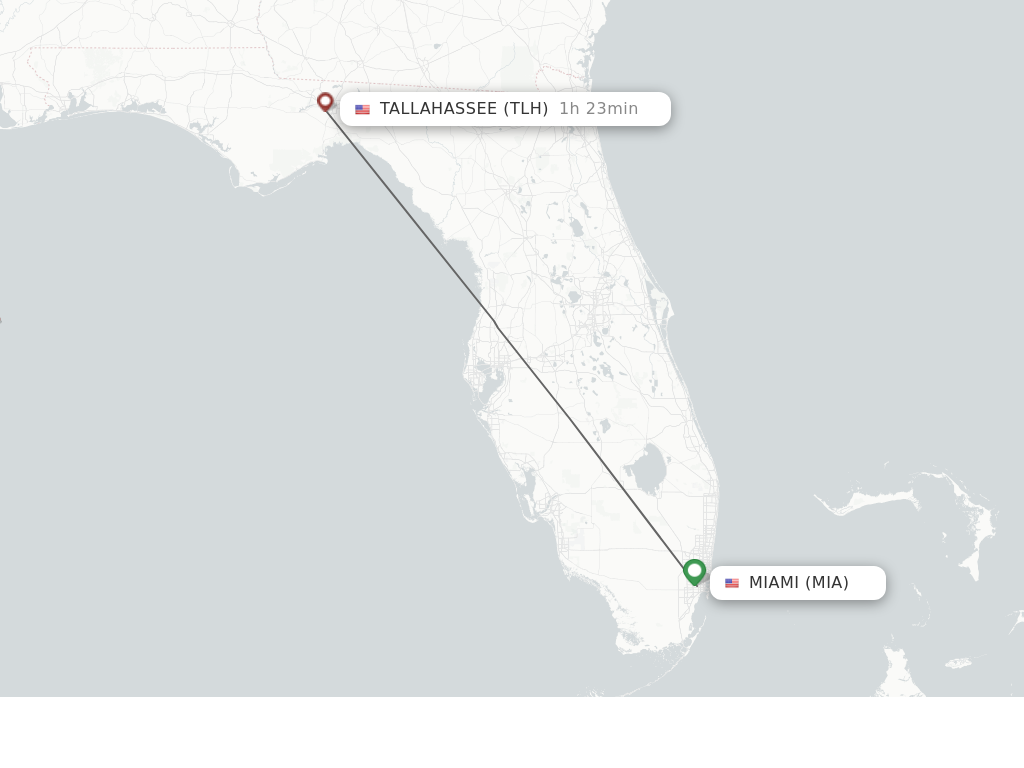
For those prioritizing speed and willing to pay a premium, flying is the quickest way to get from Miami to Tallahassee.
- Airports: Flights typically depart from Miami International Airport (MIA) and arrive at Tallahassee International Airport (TLH).
- Flight Duration: Direct flights have an in-air time of approximately 1 to 1.5 hours.
- Considerations: While the flight itself is short, the overall door-to-door travel time needs to account for travel to and from airports, security checks, check-in, and potential delays. When factoring these, the total travel time can often be around 4-6 hours, making it significantly faster than driving but not instantaneous. Availability of direct flights can vary, and layovers will naturally extend the journey.
Bus Services: Economical Yet Lengthy
Bus services, primarily through providers like Greyhound, offer an economical alternative for travelers without a car or those looking to save on fuel and tolls.
- Travel Time: Bus journeys are significantly longer than driving, often taking 10 to 12 hours or more, depending on the number and duration of stops. The route typically follows similar interstate paths but includes multiple stops in various cities (Orlando, Gainesville, etc.) for passenger pickup/drop-off and driver changes.
- Cost-Effectiveness: Bus tickets are generally the cheapest option, making them attractive for budget-conscious travelers.
- Comfort: Bus travel can be less comfortable than driving one’s own vehicle, especially on such a long journey.
Train Travel: Limited Direct Options
Currently, there is no direct Amtrak train service connecting Tallahassee and Miami in a practical manner. While Florida has a rail network, direct connections between these two specific cities often involve significant detours, sometimes via other major hubs like Jacksonville or even Tampa, making the journey extremely long and inefficient. For this reason, train travel is not a viable direct option for this particular route.
Making the Journey: Tips for Travelers
Preparing for a long journey can significantly enhance the travel experience and ensure a smoother trip.
Best Time to Travel
- Avoiding Peak Traffic: For drivers, departing early in the morning (before 6 AM) from Miami can help avoid the worst of the city’s notorious rush hour traffic. Similarly, avoiding travel during major holidays, school breaks (like spring break), and Friday/Sunday afternoons can help mitigate congestion.
- Weather Considerations: While Florida is known as the Sunshine State, summer afternoons (June-September) often bring heavy thunderstorms. Planning to drive during the morning or late afternoon can help avoid the most intense weather. During hurricane season, always check forecasts and advisories.
Essential Road Trip Stops and Diversions
For those driving, building in strategic stops is essential.
- Mid-Point Rest: Cities like Ocala or Gainesville, roughly halfway or a bit further north, offer excellent opportunities for a substantial meal, refueling, and a stretch break.
- Family Fun (if time allows): If the journey is part of a longer vacation and time permits, Orlando and nearby Kissimmee are major attractions. However, incorporating a visit to theme parks or other Orlando attractions will transform the trip from a direct drive into a multi-day itinerary.
- Natural Beauty: Along the I-75 corridor, particularly north of Orlando, there are numerous state parks and natural springs (e.g., Blue Spring State Park, Ginnie Springs) that offer a refreshing break with a dip in clear, cool waters. These are great if you are willing to extend your drive slightly.
Preparing for a Long Drive
- Vehicle Check: Ensure your car is in good condition, tires are properly inflated, and fluids are topped off.
- Navigation: Utilize reliable GPS apps (Google Maps, Waze) for real-time traffic updates and estimated arrival times.
- Supplies: Pack snacks, water, a phone charger, and a first-aid kit. Consider having an emergency kit in your vehicle.
- Entertainment: Audiobooks, podcasts, and curated music playlists can make the miles fly by. For passengers, consider movies or games.
- Breaks: Plan to stop every 2-3 hours to stretch, rehydrate, and rest. If traveling with others, consider sharing driving duties.
Why Make the Journey? The Appeal of Each Destination
The significant distance between Tallahassee and Miami highlights the distinct appeal of each city and the broader geographical diversity of Florida.
The Allure of Miami
Miami is a global magnet for its stunning beaches, vibrant Art Deco Historic District, pulsating nightlife, and rich multicultural tapestry, particularly its strong Cuban influence found in Little Havana. It’s a hub for international business, fashion, and art, offering world-class dining, luxury shopping, and a dynamic arts scene. Many travelers use Miami as a gateway to cruises to the Caribbean or further exploration of the Florida Keys.
Tallahassee’s Unique Charm
As the state capital, Tallahassee offers a different, more historical, and naturally abundant experience. It is home to significant historical sites like the Old Florida State Capitol and Mission San Luis de Apalachee. The city is also a major academic center, hosting Florida State University and Florida A&M University. Beyond its urban core, Tallahassee provides easy access to pristine natural springs, lush forests, and the tranquil Gulf Coast beaches of the Panhandle, offering a slower pace and a deeper dive into Florida’s natural heritage.

Connecting Florida’s Diverse Landscapes
The journey between these two cities, though long, is a microcosm of Florida’s varied identity. From the tropical, cosmopolitan energy of the south to the historical, natural beauty of the north, it’s a trip that underscores the state’s incredible diversity. Whether flying over the landscape or driving through it, bridging the gap between Tallahassee and Miami offers a profound appreciation for all that Florida has to offer.
LifeOutOfTheBox is a participant in the Amazon Services LLC Associates Program, an affiliate advertising program designed to provide a means for sites to earn advertising fees by advertising and linking to Amazon.com. Amazon, the Amazon logo, AmazonSupply, and the AmazonSupply logo are trademarks of Amazon.com, Inc. or its affiliates. As an Amazon Associate we earn affiliate commissions from qualifying purchases.