
Chicago, the bustling metropolis on the shores of Lake Michigan, is renowned for its iconic architecture, vibrant cultural scene, and deep-dish pizza. Millions of visitors flock to the Windy City each year to experience its unique charm, from the heights of the Willis Tower to the artistic wonders of Millennium Park. However, beneath the gleaming skyline and bustling streets, a less visible but equally critical issue often emerges: air quality. For both residents and those planning to travel to Chicago, understanding why the air quality can sometimes be poor is essential, not just for health but also for appreciating the broader environmental context of urban living and travel.
In recent years, Chicago has experienced several periods of noticeably degraded air quality, sometimes ranking among the worst globally. This isn’t merely a local phenomenon but a complex interplay of regional and global environmental factors, combined with urban and industrial contributions. This article delves into the various reasons behind Chicago’s air quality challenges, exploring the impacts on daily life and tourism, and the efforts being made to breathe cleaner air.
Unveiling the Haze: Understanding Chicago’s Air Quality Challenges
When we talk about air quality, we’re referring to the cleanliness of the air we breathe and the potential presence of pollutants that can harm human health and the environment. For a major urban hub like Chicago, this is a dynamic and often challenging aspect of city management and public health.
Decoding the Air Quality Index (AQI)
The most common tool for measuring and communicating air quality is the Air Quality Index (AQI). Developed by the Environmental Protection Agency (EPA), the AQI converts concentrations of various air pollutants into a single scale from 0 to 500. A higher AQI value indicates a greater level of air pollution and a greater health concern. The primary pollutants measured include ground-level ozone, particulate matter (PM2.5 and PM10), carbon monoxide, sulfur dioxide, and nitrogen dioxide.
When the AQI climbs to “unhealthy for sensitive groups” (101-150), “unhealthy” (151-200), “very unhealthy” (201-300), or even “hazardous” (301-500) levels, it triggers public health advisories. These alerts often recommend that individuals, particularly children, the elderly, and those with respiratory or cardiovascular conditions, limit prolonged outdoor exertion. For travelers planning outdoor activities in Chicago, such as exploring Grant Park or strolling along the Riverwalk, checking the daily AQI becomes as important as checking the weather forecast.
A City at the Crossroads of Environmental Factors
Chicago’s geographical location in the Midwest of the United States positions it at a unique crossroads for various environmental influences. It’s a major transportation hub, a historical industrial center, and lies downwind from numerous sources of pollution. This combination makes it susceptible to both locally generated emissions and pollutants transported from thousands of miles away. Understanding this dual nature of air pollution—both localized and widespread—is key to grasping why the air quality in Chicago can be so variable and, at times, alarmingly poor.
The Multifaceted Sources of Pollution in the Windy City
The degradation of air quality in Chicago is rarely attributable to a single cause. Instead, it’s often a confluence of factors, each contributing to the atmospheric burden of pollutants. From far-flung natural disasters to persistent urban emissions, the sources are diverse and complex.
Distant Wildfires: A Transcontinental Threat
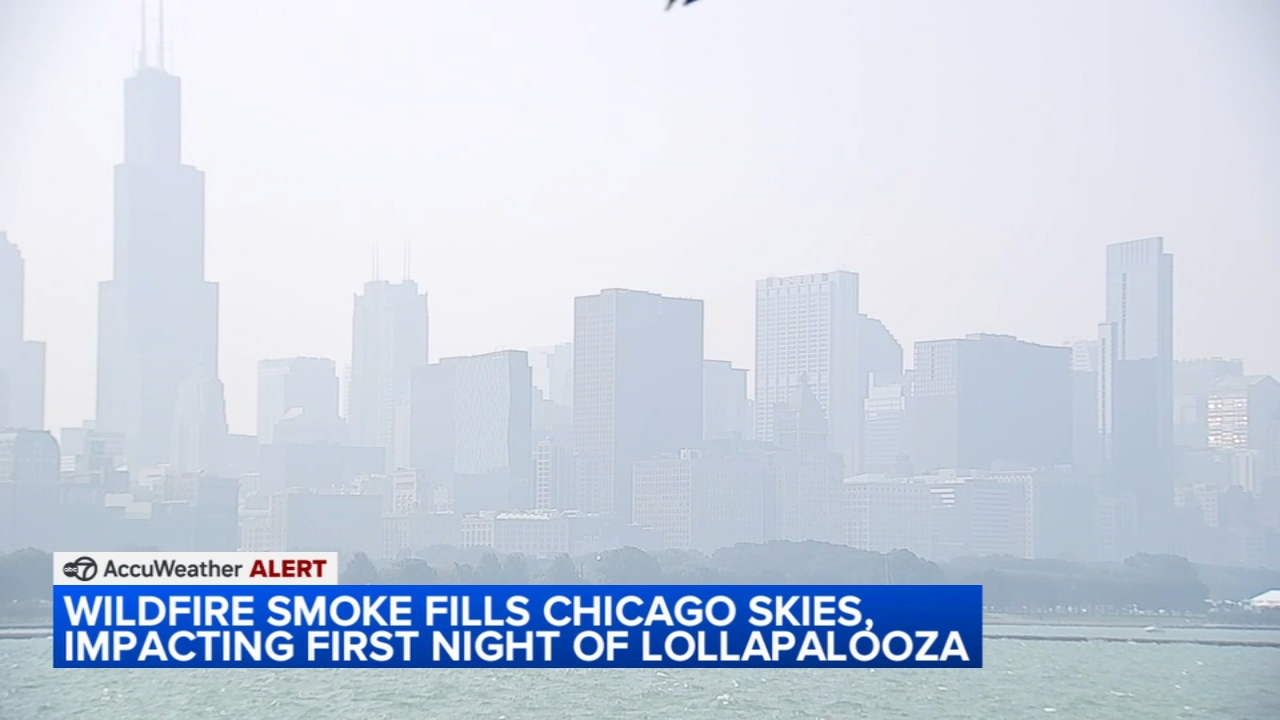
Perhaps the most dramatic and increasingly frequent cause of poor air quality in Chicago in recent years has been wildfire smoke. Massive wildfires, particularly those raging across Canada and, at times, the western United States like California, Oregon, and Washington State, produce colossal plumes of smoke. These plumes, laden with fine particulate matter (PM2.5), can travel thousands of miles across continents, carried by prevailing winds.
When these smoke fronts reach the Great Lakes region, they can blanket cities like Chicago in a thick haze, causing the sky to appear orange or sepia-toned and creating a distinct, acrid smell. The PM2.5 in wildfire smoke is particularly dangerous because its microscopic size allows it to penetrate deep into the lungs and even enter the bloodstream, posing significant health risks. This phenomenon highlights how interconnected our global environment is, where a fire started thousands of miles away can directly impact the daily lives and breathing air of urban dwellers in the heart of America.

Local Contributors: Industrial Activity and Urban Emissions
While distant wildfires grab headlines, Chicago’s inherent industrial legacy and urban intensity remain consistent contributors to air pollution. The city and its surrounding areas in Illinois and Indiana host numerous industrial facilities, including steel mills, chemical plants, oil refineries, and other manufacturing operations. These industries can release a variety of pollutants, including particulate matter, volatile organic compounds (VOCs), and other hazardous air pollutants.
Communities on Chicago’s South Side and Southeast Side, which have historically been industrial hubs, often bear a disproportionate burden of this localized pollution. These areas frequently experience higher levels of PM2.5 and other harmful emissions, raising serious environmental justice concerns.
Beyond heavy industry, everyday urban activities significantly contribute to Chicago’s air quality issues. Vehicular emissions from millions of cars, trucks, and buses traversing the city’s vast network of expressways and streets are a major source of nitrogen oxides, carbon monoxide, and fine particulate matter. Chicago’s status as a major transportation and logistics hub means constant movement of goods and people, all powered by combustion engines.
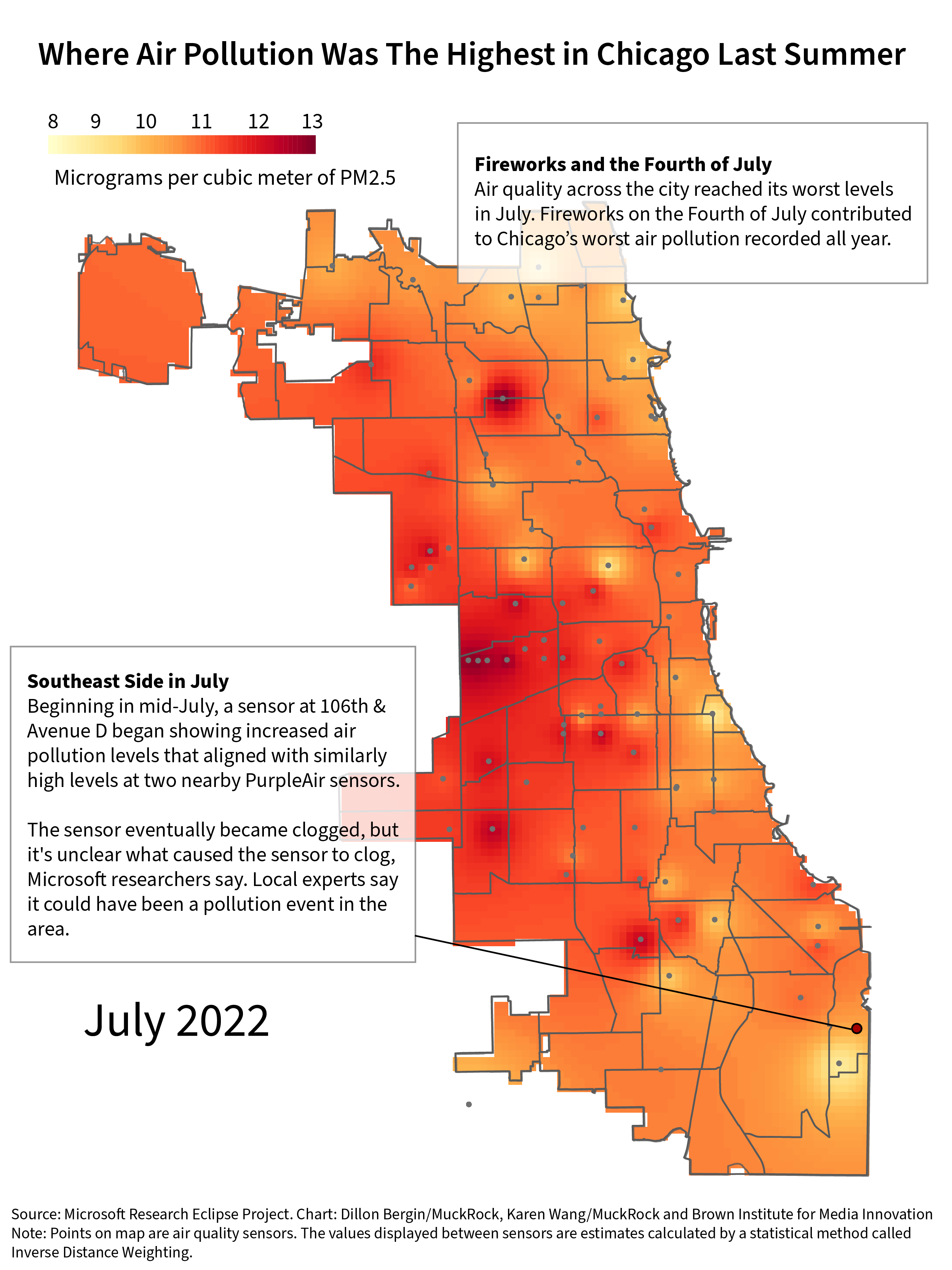
Furthermore, emissions from older, smaller industrial facilities, commercial operations, residential heating, and even everyday consumer products add to the mix, forming a complex soup of urban air pollution. The cumulative effect of these local sources ensures that even on days without wildfire smoke, Chicago’s air quality can fluctuate, often hovering in the moderate to unhealthy-for-sensitive-groups range.
Meteorological Phenomena: The Role of Inversions
Weather patterns play a crucial, albeit often overlooked, role in determining how pollutants behave in the atmosphere. One particular phenomenon known as a temperature inversion can trap pollutants close to the ground, leading to rapid degradation of air quality. Normally, air temperature decreases with altitude, allowing warm, polluted air to rise and dissipate. During an inversion, a layer of warm air sits above cooler air, acting like a lid and preventing vertical mixing.
When an inversion occurs over Chicago, whether due to specific frontal systems, high-pressure cells, or the cooling effect of Lake Michigan, locally generated pollutants—from traffic, industry, and even residential activities—become concentrated at breathing level. This can quickly push AQI levels into the unhealthy categories, even without external sources like wildfire smoke. The unique microclimate created by Lake Michigan can also influence local wind patterns and temperature gradients, sometimes exacerbating these inversion effects.
Additionally, hot, stagnant summer days are conducive to the formation of ground-level ozone. Unlike the protective ozone layer in the stratosphere, ground-level ozone is a harmful air pollutant formed when nitrogen oxides and volatile organic compounds (VOCs) react in the presence of sunlight and high temperatures. This means that Chicago can experience poor air quality not just from PM2.5 but also from ozone during peak summer months, often associated with heatwaves exacerbated by climate change.
The Far-Reaching Impact on Residents, Visitors, and the Urban Landscape
Poor air quality isn’t just an abstract number on an AQI chart; it has tangible consequences that touch every aspect of urban life, from individual health to the broader economic landscape of tourism.
Health Implications for Travelers and Locals Alike
The most immediate and concerning impact of poor air quality is on public health. Exposure to high levels of particulate matter, especially PM2.5, and ground-level ozone can lead to a range of health problems. Short-term exposure can cause respiratory symptoms like coughing, wheezing, shortness of breath, and exacerbation of asthma. Individuals with pre-existing heart or lung conditions are particularly vulnerable.
For travelers, this can mean a disrupted trip. A planned scenic boat tour on the Chicago River might be accompanied by throat irritation, or a leisurely stroll through the Lincoln Park Zoo might leave them feeling unwell. In severe cases, high pollution levels can lead to emergency room visits for respiratory distress. Long-term exposure to chronic air pollution is linked to more serious health issues, including increased risk of heart attacks, strokes, lung cancer, and premature death. The Centers for Disease Control and Prevention (CDC) and the World Health Organization (WHO) have extensively documented these risks, emphasizing the global challenge of urban air pollution.
Disruptions to Tourism and Outdoor Experiences
Chicago’s allure often lies in its vibrant outdoor spaces and architectural marvels best viewed from open vantage points. Poor air quality can significantly diminish the visitor experience. Smoky skies obscure the iconic skyline and panoramic views from observation decks like 360 Chicago or the Skydeck at Willis Tower. Outdoor festivals, concerts in Grant Park, and even simple dining on a patio become less appealing or even unsafe.
Travelers might reconsider their itineraries, opting for indoor attractions like the Art Institute of Chicago, the Field Museum, or the Shedd Aquarium instead of planned outdoor excursions. While Chicago boasts world-class indoor venues, a persistent period of poor air quality could deter some visitors altogether, impacting the city’s vital tourism economy. Tour operators might face cancellations, and hotels could see a dip in bookings if the city gains a reputation for unhealthy air, thereby affecting the tourism and accommodation sectors significantly.
How Accommodation Adapts: Hotels as Sanctuaries
In response to fluctuating air quality, the accommodation sector in cities like Chicago has a role to play. High-end hotels and even budget-friendly options increasingly focus on providing a comfortable and safe indoor environment. This can include:
- Advanced HVAC Systems: Hotels often employ sophisticated heating, ventilation, and air conditioning (HVAC) systems with high-efficiency particulate air (HEPA) filters to ensure indoor air quality remains pristine, even when outdoor levels are poor.
- Guest Communication: Proactive hotels, like the Hyatt Regency Chicago or The Peninsula Chicago, might inform guests about current AQI levels and recommend indoor activities or precautions.
- Wellness Amenities: Some establishments might highlight their indoor wellness facilities, such as gyms, pools, or spas, as safe havens during periods of elevated pollution.
- In-room Air Purifiers: Luxury hotels might offer in-room air purifiers as an added amenity, particularly in suites or for guests who request them.
For travelers, knowing that their chosen accommodation prioritizes indoor air quality can be a significant factor in booking decisions, especially for those with sensitivities or who plan longer stays.
Charting a Course Towards Cleaner Air: Solutions and Proactive Measures
Addressing Chicago’s air quality challenges requires a multi-pronged approach, involving governmental action, technological innovation, and individual responsibility.
Government Initiatives and Public Awareness
Both federal and local governments play a crucial role. The EPA sets national air quality standards that states like Illinois must meet. The Illinois Environmental Protection Agency (IEPA) and the Chicago Department of Public Health (CDPH) are responsible for monitoring air quality, issuing advisories, and implementing strategies to reduce emissions. These strategies include stricter regulations on industrial facilities, promoting cleaner energy sources, and investing in public transportation infrastructure to reduce vehicular emissions.
For instance, the closure of coal-fired power plants in the region has significantly reduced sulfur dioxide and particulate matter emissions over the past decades. Ongoing efforts to transition to renewable energy sources, electrify vehicle fleets, and improve urban planning are all critical steps towards long-term air quality improvement. Public awareness campaigns are also vital, educating residents and visitors about the AQI and protective measures during high pollution events.
Individual Actions and Sustainable Lifestyle Choices
While systemic changes are paramount, individuals also have a role to play. For residents and long-term visitors, adopting sustainable lifestyle choices, such as using public transportation, cycling, or walking instead of driving, can collectively reduce vehicular emissions. Supporting businesses that prioritize environmental responsibility and advocating for stronger environmental policies also contribute to the cause.
For travelers, being informed is the first step. Checking the AQI before and during a trip to Chicago allows for better planning of outdoor activities. When air quality is poor, opting for indoor attractions or choosing hotels with robust air filtration systems can significantly enhance comfort and safety. Furthermore, travelers can choose airlines and tour operators committed to reducing their carbon footprint, thereby subtly contributing to the global fight against climate change, which, in turn, impacts the severity and frequency of events like wildfires.
Ultimately, Chicago’s battle with air quality is a microcosm of a larger global challenge. By understanding the causes, recognizing the impacts, and supporting proactive solutions, both the city and its visitors can contribute to ensuring that the Windy City remains a breathtaking and healthy destination for generations to come. The effort to breathe cleaner air is a shared responsibility, essential for maintaining the appeal and livability of one of America‘s greatest urban jewels.
LifeOutOfTheBox is a participant in the Amazon Services LLC Associates Program, an affiliate advertising program designed to provide a means for sites to earn advertising fees by advertising and linking to Amazon.com. Amazon, the Amazon logo, AmazonSupply, and the AmazonSupply logo are trademarks of Amazon.com, Inc. or its affiliates. As an Amazon Associate we earn affiliate commissions from qualifying purchases.