
Unpacking Florida’s Tropical and Subtropical Climate
Florida, often dubbed the Sunshine State, is synonymous with warmth and sunshine, but the true extent of its heat and humidity can often surprise first-time visitors. The state’s climate is predominantly subtropical across its northern and central regions, transitioning to a truly tropical climate in its southernmost parts, including Miami and The Keys. This geographical positioning near the equator dictates a climate characterized by high temperatures for much of the year, distinct wet and dry seasons, and a pervasive sense of humidity. Understanding these climatic nuances is crucial for any traveler planning a trip to this popular destination, influencing everything from packing choices to activity scheduling.
Geographic Influences on Temperature
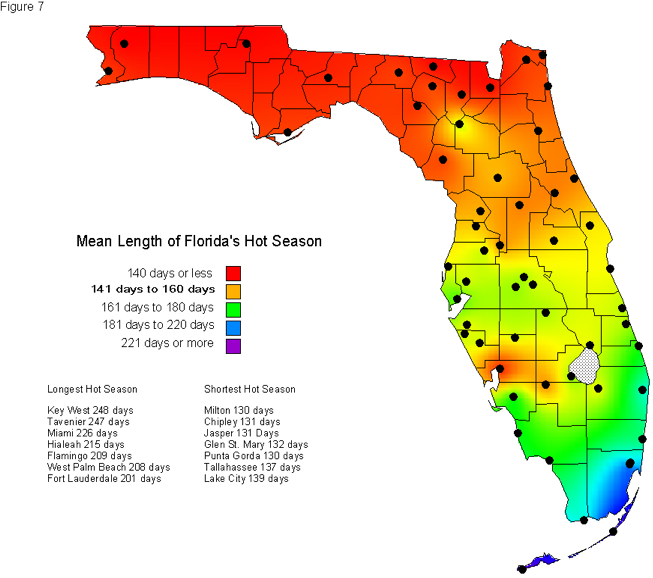
Florida’s unique peninsular geography, surrounded by the Gulf of Mexico to the west and the Atlantic Ocean to the east, plays a significant role in moderating and, paradoxically, intensifying its heat. The vast bodies of water contribute to the state’s high humidity levels by evaporating moisture into the atmosphere, creating that characteristic “sticky” feeling. Sea breezes often provide a welcome respite along coastal areas, making beaches feel slightly cooler than inland regions, even when ambient temperatures are similar. However, these same breezes can also carry moisture-laden air, contributing to the state’s frequent afternoon thunderstorms during the warmer months. Latitude is another key factor; southern Florida experiences warmer winters and higher year-round averages compared to northern Florida, which can occasionally see cold snaps and even frost.
Humidity: The Unsung Partner to Heat
While temperature readings provide a baseline, it’s the humidity that truly defines Florida’s heat experience. High humidity levels mean that the air holds more moisture, making it harder for sweat to evaporate from the skin, which is the body’s natural cooling mechanism. This leads to a higher “feels like” temperature, often significantly above the actual air temperature. For travelers, this means that a 90°F day with high humidity can feel far more oppressive than a 90°F day in a dry desert climate. The average relative humidity in Florida often hovers around 70-90% in the mornings and 50-60% in the afternoons, particularly during the summer. This pervasive moisture impacts comfort levels, energy expenditure during outdoor activities, and even how long one can comfortably spend outside.
Seasonal Temperature Breakdown for Travelers
Florida’s climate is marked by distinct seasonal shifts, each offering a different experience for the traveler. Understanding these patterns is key to planning the ideal trip.
Summer (June – August): Peak Heat and Humidity
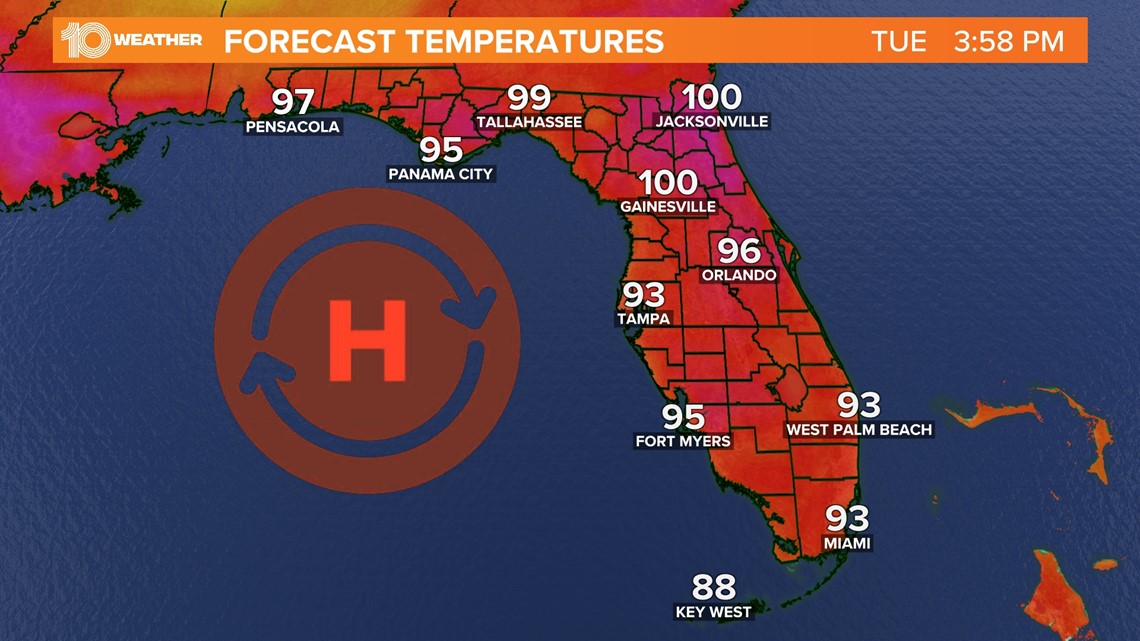
Summer in Florida is undeniably hot and humid. Average daytime temperatures typically range from the high 80s to low 90s Fahrenheit (30-34°C), but with the high humidity, the heat index can often push these figures well into the 100s°F (38°C+). This period also marks the heart of the rainy season, characterized by frequent, intense, but usually brief, afternoon thunderstorms.
What to Expect in Miami or Orlando
In Miami, the tropical influence means consistent heat, with average highs rarely dipping below 90°F (32°C) and overnight lows in the upper 70s°F (25-26°C). The humidity is relentless. In Orlando, home to theme parks like Walt Disney World Resort and Universal Studios, similar temperatures prevail, often coupled with afternoon downpours that provide temporary relief but leave behind steamy conditions. Crowds can still be significant due to school holidays, making early mornings and evenings the most comfortable times for outdoor park exploration.
Rainy Season Considerations
From late May through October, daily showers are common. While they rarely last all day, they can disrupt outdoor plans. Travelers should be prepared with umbrellas or ponchos and plan indoor activities for peak storm times, usually between 2 PM and 5 PM. The rain does little to diminish the humidity, often intensifying it immediately after a downpour.
Fall (September – November): Gradual Cooling and Hurricane Season
Fall sees a slow transition from the intense summer heat. September and early October remain quite warm, with average highs still in the upper 80s°F (30-31°C). By November, a noticeable crispness enters the air, particularly in northern and central Florida, with average highs dropping into the mid-70s°F (24-25°C). This period also coincides with the peak of hurricane season, which officially runs from June 1st to November 30th. While direct hits are rare, tropical systems can bring heavy rain and strong winds.
Transitioning from Summer Swelter
As October progresses, the oppressive humidity begins to recede, making outdoor activities more enjoyable. St. Petersburg and Clearwater on the Gulf Coast often experience pleasant conditions as sea temperatures remain warm enough for swimming well into the fall.
Coastal vs. Inland Differences
Coastal areas like Fort Lauderdale benefit from sea breezes longer into the fall, while inland cities such as Gainesville may feel the drop in temperature more acutely overnight.
Winter (December – February): The ‘Sweet Spot’ for Many
Winter is arguably the most pleasant time to visit Florida, particularly for those escaping colder climates. The humidity is at its lowest, and temperatures are mild and comfortable.
Northern Florida vs. Southern Florida Variances
Northern cities like Jacksonville and Tallahassee can experience cooler temperatures, with average highs in the 60s°F (15-20°C) and occasional dips into the 30s°F (0-4°C) overnight, sometimes even bringing frost. Southern Florida, including Key West and Naples, enjoys idyllic conditions with daytime highs typically in the 70s°F (21-26°C), perfect for beach days and outdoor adventures.
Ideal for Outdoor Activities
This season is prime time for exploring natural attractions like Everglades National Park or enjoying outdoor festivals without the intense heat. Beaches across the state, from Sarasota to Daytona Beach, are inviting, though northern Gulf waters can be chilly.
Spring (March – May): Warming Up to Summer’s Embrace
Spring offers a beautiful progression from mild winter weather to warmer, sunnier days. Temperatures steadily climb, and humidity levels begin their ascent.
Spring Break Weather
March and April are popular for Spring Break, with temperatures in the 70s and 80s°F (21-30°C) across most of the state. This period is generally dry and sunny, making it ideal for beach-goers and theme park visitors.
Enjoying Beaches Before Peak Heat
By May, temperatures consistently reach the high 80s°F (30-32°C), and humidity starts to become more noticeable. This month offers a sweet spot for those who enjoy significant warmth without the full intensity of summer’s humidity and daily rain. Beach towns like Pensacola and Panama City Beach are delightful before the peak summer crowds arrive.
Navigating the Heat: Traveler’s Guide to Staying Comfortable
Regardless of when you visit, being prepared for Florida’s warmth is essential for a comfortable and enjoyable trip.
Packing Essentials for Florida Weather
Lightweight, breathable clothing made from cotton, linen, or moisture-wicking synthetic fabrics is paramount. Pack shorts, t-shirts, sundresses, and swimwear. A wide-brimmed hat, sunglasses, and reef-safe sunscreen are non-negotiable for sun protection. Even in winter, a light jacket or sweater is advisable for cooler evenings, especially in northern Florida or air-conditioned indoor spaces. Comfortable walking shoes are a must, as are sandals for the beach or pool. For the rainy season, a compact umbrella or lightweight rain jacket will be invaluable.
Hydration and Sun Protection Strategies
Staying hydrated is critical. Carry a reusable water bottle and refill it frequently. Avoid excessive alcohol or sugary drinks in direct sunlight, as these can contribute to dehydration. Apply and reapply sunscreen generously, especially after swimming or sweating. Seek shade whenever possible, particularly during peak sun hours (10 AM to 4 PM). Utilizing hotel pools or visiting water parks can also offer refreshing breaks from the heat.
Planning Activities Around the Sun
Strategic scheduling can significantly enhance your travel experience.
Early Morning/Late Afternoon Excursions
Plan outdoor activities, such as beach walks, theme park rides, or exploring natural parks, for the cooler morning hours or late afternoon/early evening. This allows you to avoid the most intense sun and heat of midday.
Indoor Attractions
Florida offers a plethora of air-conditioned indoor attractions. Consider visiting museums, aquariums (like the Florida Aquarium in Tampa), shopping malls, or enjoying indoor shows at theme parks during the hottest parts of the day. The Kennedy Space Center Visitor Complex also offers many indoor exhibits and air-conditioned buses for tours.
Best Times to Visit Based on Your Heat Tolerance
Choosing the best time to visit Florida largely depends on your personal preference for heat and your planned activities.
For Sun Worshippers and Warmth Seekers
If your primary goal is to bask in intense sunshine, enjoy warm ocean waters, and experience classic Florida humidity, then the summer months (June-August) or late spring (May) are ideal. Be prepared for high temperatures, frequent rain, and dense crowds at popular attractions.
For Those Who Prefer Milder Climates
Travelers seeking comfortable, drier weather with moderate temperatures will find winter (December-February) to be the perfect season. The pleasant conditions are excellent for outdoor sports, sightseeing, and enjoying the beaches without the oppressive heat. Early spring (March-April) also offers a fantastic balance of warmth and lower humidity.
Considering Budget and Crowds Alongside Weather
The peak travel season often aligns with the most desirable weather (winter and spring break), leading to higher prices for flights and accommodations, and larger crowds at attractions. Conversely, the summer and fall (especially during hurricane season) can offer better deals and fewer crowds, albeit with higher heat and humidity risks. Traveling in the shoulder seasons—late spring (May) or late fall (November)—can provide a good compromise, balancing agreeable weather with more manageable crowds and potentially better value.
Regional Temperature Nuances
Florida is a large state, and its climate varies significantly from north to south, creating distinct regional experiences.
South Florida: Miami, Fort Lauderdale, The Keys
This region, including cities like Miami, Fort Lauderdale, and the entire chain of The Keys, experiences a truly tropical climate. Winters are short, warm, and dry, with average highs in the 70s°F (21-26°C), making it a popular escape. Summers are long, hot, and extremely humid, with daily highs consistently in the upper 80s to low 90s°F (31-34°C). This area rarely sees temperatures below freezing, even in the coldest months.
Central Florida: Orlando, Tampa
Central Florida, home to major attractions in Orlando and the vibrant Tampa Bay area, falls into the subtropical zone. Winters are generally mild, with average highs in the low to mid-70s°F (21-24°C), though occasional cold fronts can bring temperatures into the 40s°F (4-9°C). Summers are hot and humid, very similar to South Florida’s, with frequent afternoon thunderstorms and temperatures regularly in the low 90s°F (32-34°C).
North Florida: Jacksonville, Panhandle
Northern Florida, encompassing Jacksonville, Tallahassee, and the Panhandle region, has the most distinct four-season climate within the state, albeit a mild version. Winters here can be noticeably cooler than in the south, with average highs in the 60s°F (15-20°C) and overnight lows that can dip below freezing, necessitating warmer clothing. Summers are still hot and humid, with highs in the upper 80s to low 90s°F (31-34°C), but they tend to be slightly less prolonged than in the southern parts of the state. Spring and fall offer very pleasant conditions, making them excellent times to explore this region’s historic sites and natural beauty.
LifeOutOfTheBox is a participant in the Amazon Services LLC Associates Program, an affiliate advertising program designed to provide a means for sites to earn advertising fees by advertising and linking to Amazon.com. Amazon, the Amazon logo, AmazonSupply, and the AmazonSupply logo are trademarks of Amazon.com, Inc. or its affiliates. As an Amazon Associate we earn affiliate commissions from qualifying purchases.