
The allure of the Sunshine State remains as potent as ever, even in the wake of significant natural events. Hurricane Milton, a powerful storm, undoubtedly left its mark, prompting many prospective travelers to wonder about the current state of Florida. Far from being deterred, the spirit of resilience and recovery that defines this vibrant destination shines through. Travelers considering a visit post-Milton will discover a state actively engaged in rebuilding, reopening, and reaffirming its status as a premier global travel destination. The journey through Florida’s diverse landscapes, from its sun-drenched beaches to its world-renowned theme parks and charming historic towns, is an experience that continues to evolve, offering unique insights into the state’s enduring charm and robust recovery efforts.

The Resilient Spirit of the Sunshine State: A Testament to Recovery
Florida’s history is intertwined with its natural environment, including its susceptibility to hurricanes. Over decades, the state has cultivated a highly effective emergency response and recovery infrastructure, a system that proved invaluable in the aftermath of Milton. The speed and coordination of these efforts are often remarkable, focusing on restoring essential services, clearing debris, and, critically for the travel industry, reopening transportation routes and popular attractions. This rapid response is a cornerstone of Florida’s ability to bounce back, ensuring that the impact on travelers is minimized and that the beauty and functionality of the state are swiftly reinstated.
Immediate Response & Recovery Efforts
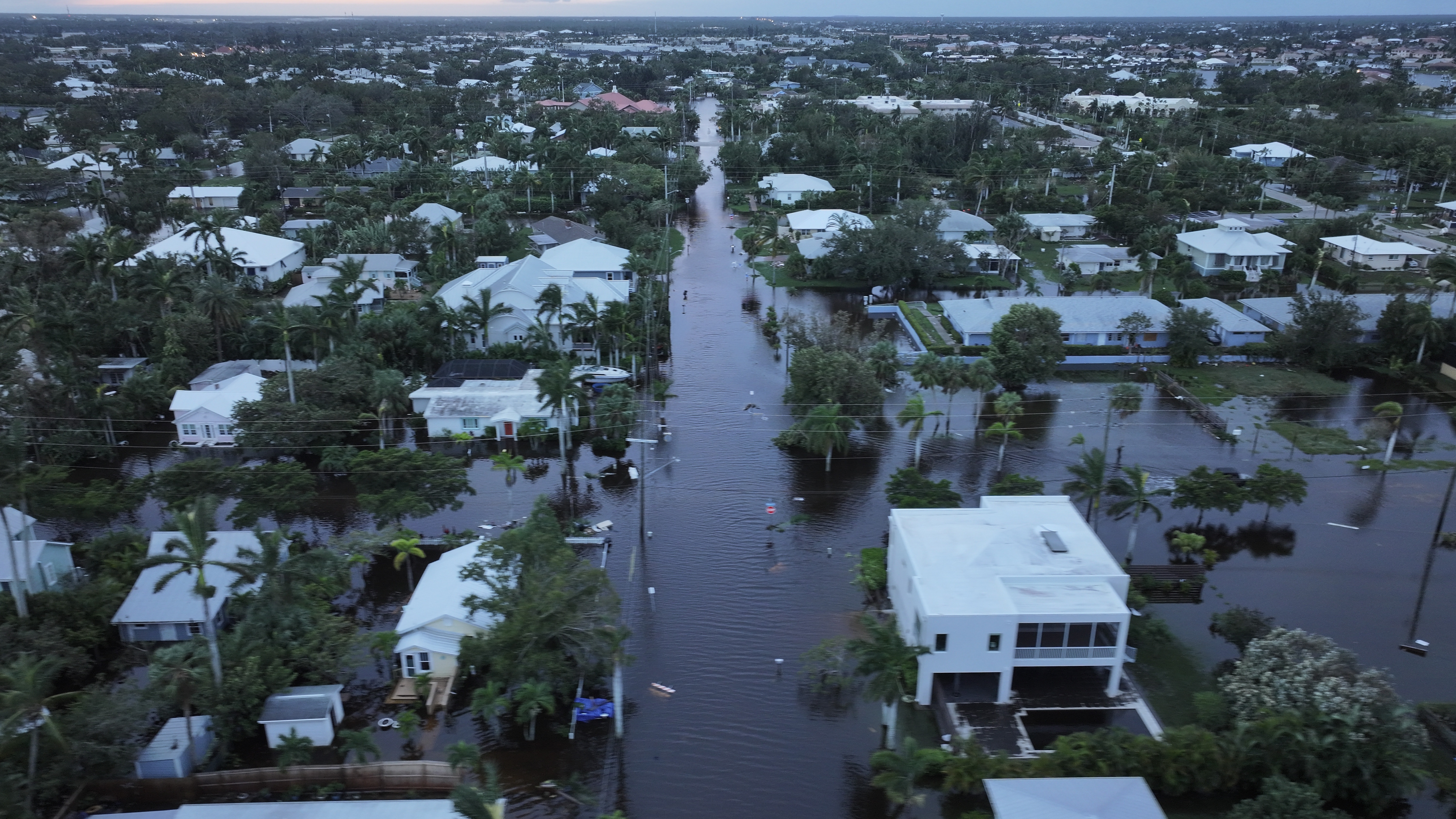
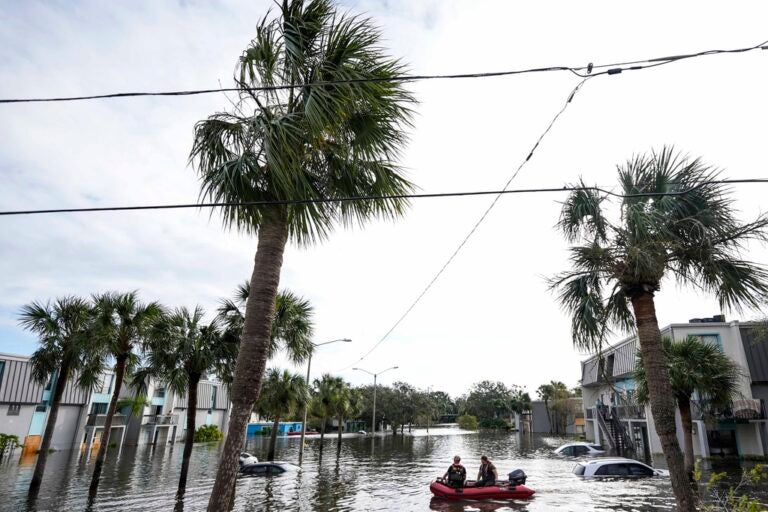
In the immediate aftermath of Hurricane Milton, state and local agencies, alongside countless volunteers, mobilized with extraordinary efficiency. Priorities focused on search and rescue, restoring power, and ensuring access to affected communities. Roadways were cleared quickly, enabling supply chains to resume and allowing residents and visitors alike to navigate safely. The collaborative efforts between the Florida Division of Emergency Management, local municipalities, and utility companies were pivotal. This coordinated approach not only expedited the recovery but also demonstrated the state’s deep commitment to its residents and its thriving tourism sector. For travelers, this means that most major infrastructure – including airports, highways, and bridges – were assessed, repaired, and operationalized remarkably fast, allowing for continued accessibility to key destinations.
Infrastructure Resilience
Years of experience with tropical weather events have led to significant investments in Florida’s infrastructure. Building codes are robust, designed to withstand hurricane-force winds, and regular maintenance programs ensure that utilities and transportation networks are as resilient as possible. While some localized damage is inevitable, the vast majority of Florida’s travel-related infrastructure, from its extensive highway system to its bustling international airports, is built to recover quickly. This resilience is a key factor in why post-Milton Florida is still very much open for business, offering the same high standards of travel convenience and safety that visitors have come to expect.
Navigating Florida’s Top Travel Destinations Post-Milton
The impact of Hurricane Milton was, like all hurricanes, not uniform across the entire state. Different regions experienced varying degrees of disruption and have, consequently, progressed through recovery at different paces. Understanding these regional nuances is key for travelers planning their post-Milton itineraries.
Florida’s Panhandle
The Panhandle, often referred to as Florida’s Forgotten Coast or the Emerald Coast, with its stunning white sand beaches and charming coastal towns, was among the areas that required significant attention. Towns like Pensacola, Destin, and Panama City Beach worked tirelessly to restore their natural beauty and visitor amenities. Many of the celebrated beaches have been meticulously cleaned and are once again welcoming sun-seekers. While some smaller, more remote natural areas or historical sites might have had longer recovery periods for vegetation or structural repairs, the main tourist hubs, including their hotels, restaurants, and attractions, rapidly reopened. Travelers to the Panhandle will likely find the iconic Gulf Coast experience largely intact, characterized by the persistent charm of its communities and the breathtaking views that define the region. Local businesses, especially, appreciate the patronage as they continue to rebuild and thrive. Destinations like St. George Island, known for its tranquility, also saw concerted efforts to restore its unique appeal.
Central Florida
Central Florida, home to the state’s powerhouse theme parks and vibrant metropolitan areas, typically experiences less direct impact from hurricanes that make landfall on the coasts. For example, Orlando, the heart of family entertainment, was largely spared significant damage from Milton. The vast majority of its world-famous attractions, including Walt Disney World Resort, Universal Orlando Resort, and the myriad of other entertainment venues in Kissimmee and surrounding areas, operated without extended disruption. Travelers planning a trip to Central Florida can expect business as usual, with parks bustling, resorts fully operational, and the lively atmosphere that makes this region a perennial favorite entirely preserved. Similarly, the Tampa Bay area, including St. Petersburg and Clearwater, quickly returned to normal operations, with beaches, museums, and sports venues ready to welcome visitors.
South Florida
South Florida, encompassing iconic cities like Miami and Fort Lauderdale, as well as the unique ecosystem of the Florida Keys, also demonstrated remarkable resilience. Depending on Milton’s specific path, these areas might have experienced tropical storm force winds or heavy rainfall rather than direct hurricane impact. Miami’s vibrant arts scene, luxurious hotels, and famous beaches were quickly back to their bustling best. Fort Lauderdale’s canals and beachfront promenade also saw swift restoration. The Florida Keys, stretching down to Key West, with their unique marine environment and laid-back charm, are accustomed to weather challenges and have well-established protocols for recovery, ensuring that the snorkeling, fishing, and island hopping experiences remain exceptional.
Attractions and Experiences: What’s Open and Thriving
A primary concern for travelers post-hurricane is the availability of attractions and activities. Thankfully, Florida’s diverse offerings have largely rebounded, providing a full spectrum of experiences.
Theme Parks and Major Attractions
As mentioned, Central Florida’s world-class theme parks, including Walt Disney World Resort (Magic Kingdom, Epcot, Hollywood Studios, Animal Kingdom), Universal Orlando Resort (Universal Studios Florida, Islands of Adventure), SeaWorld Orlando, and Busch Gardens Tampa Bay, typically have robust hurricane preparedness plans that allow for quick reopening. These attractions prioritize visitor safety and often have minimal downtime, making them a reliable choice for travel after a storm. Similarly, Legoland Florida Resort also resumed normal operations swiftly, ensuring family fun continues uninterrupted. The Kennedy Space Center Visitor Complex on the Space Coast, a testament to human ingenuity, also recovers quickly due to its critical infrastructure and operational importance.
Beaches and Coastal Activities
For many, Florida means beaches. While coastal areas were most directly affected by Milton, extensive efforts have gone into beach replenishment and debris removal. Popular stretches like Clearwater Beach, the shores of Sarasota, and the tranquil Gulf beaches near Naples have seen incredible community-led clean-up drives, restoring them to their pristine conditions. Water quality is closely monitored by state environmental agencies, and advisories are issued as needed, typically clearing quickly. Boating, fishing charters, and other water sports also resumed swiftly in most areas once marinas and waterways were deemed safe.
Natural Parks and Wildlife Sanctuaries
Florida’s natural beauty, from the unique wetlands of Everglades National Park to the diverse ecosystems of its numerous Florida State Parks, is a major draw. While some trails or specific park sections might require longer to recover from storm damage, especially in areas with dense foliage or sensitive coastal environments, many parks are often quick to reopen. Parks like Biscayne National Park and Dry Tortugas National Park which are largely water-based, focus on assessing marine health and accessibility for boats. It’s always advisable to check the official websites for specific park closures or advisories before visiting.
Cultural and Historical Sites
The state’s rich history, exemplified by sites in St. Augustine, the nation’s oldest city, and various museums across its major cities, also recovers well. Historical buildings are often built to endure, and cultural institutions are typically among the first to reopen, offering a sense of normalcy and continuity. Walking tours, art galleries, and live performance venues often quickly resume their schedules, providing cultural enrichment to visitors.
Essential Travel Tips for Post-Milton Florida
Traveling to Florida after a hurricane like Milton can be a deeply rewarding experience, contributing directly to the state’s recovery. However, a few practical considerations can enhance your trip.
Planning Ahead: Checking Official Sources
The most crucial advice for post-storm travel is to stay informed. Before and during your trip, consult official state tourism websites (like Visit Florida), local tourism boards for specific cities, and the websites of individual attractions, hotels, and transportation providers. These sources will provide the most up-to-date information on closures, operational changes, and any localized advisories. Road conditions can be checked via Florida’s Department of Transportation. While the broader message is one of recovery, minor, localized disruptions can still occur.
Supporting Local Businesses
One of the most impactful ways travelers can contribute to Florida’s recovery is by supporting local businesses. Dining at local restaurants, shopping at independent boutiques, booking tours with local operators, and staying at locally-owned accommodations directly injects much-needed revenue into communities working to rebuild. This not only aids economic recovery but also offers a more authentic travel experience, connecting visitors with the resilient spirit of Floridians.
Flexibility and Patience
While the recovery efforts are swift and comprehensive, a degree of flexibility and patience on the part of the traveler can go a long way. There might be instances of temporary reroutes, adjusted schedules, or ongoing construction in localized areas. Embracing these minor inconveniences with understanding allows for a smoother, more enjoyable trip, fostering a positive interaction with the communities that are working diligently to restore their beautiful state.
In essence, Florida after Milton is a testament to perseverance. Its diverse travel offerings are largely intact and ready to welcome visitors, showcasing the enduring beauty, vibrant culture, and unwavering spirit of its people. Travelers will find a state eager to share its wonders, inviting them to be part of its ongoing story of resilience and recovery.
LifeOutOfTheBox is a participant in the Amazon Services LLC Associates Program, an affiliate advertising program designed to provide a means for sites to earn advertising fees by advertising and linking to Amazon.com. Amazon, the Amazon logo, AmazonSupply, and the AmazonSupply logo are trademarks of Amazon.com, Inc. or its affiliates. As an Amazon Associate we earn affiliate commissions from qualifying purchases.