
Understanding the timeline for evictions in Florida is crucial for both property owners and long-term renters navigating the complexities of accommodation. The process, governed by Florida Statutes Chapter 83, Part II, can vary significantly in length, influenced by a myriad of factors from tenant responsiveness to court backlogs. While some evictions can be resolved relatively quickly, others may drag on for months, impacting financial stability and future accommodation prospects. This detailed guide illuminates the typical stages and potential delays inherent in the Florida eviction journey, providing clarity for those involved in long-term residential leases.

Understanding the Florida Eviction Process for Long-Term Accommodation
The eviction process in Florida is a formal legal procedure that property owners must follow to remove a tenant from a rental property. It is not a swift, unilateral action, but rather a multi-stage sequence designed to protect the rights of both landlords and tenants. The typical timeline, under ideal circumstances, can range from a few weeks to a couple of months, but complexities can extend this significantly.
Initial Steps: Notice Requirements
Before a property owner can even file an eviction lawsuit, they must provide the tenant with a formal written notice. The type of notice depends on the reason for eviction:
- Three-Day Notice to Pay Rent or Quit: This is the most common notice for non-payment of rent. It demands that the tenant pay the overdue rent within three full business days (excluding weekends and legal holidays) or vacate the property. If the tenant complies, the eviction process stops. If not, the property owner can proceed to court. This initial notice period is critical and usually adds 3-5 days to the overall timeline, depending on when it’s served.
- Seven-Day Notice to Cure or Quit: Used for lease violations other than non-payment of rent that are curable. Examples include unauthorized pets, excessive noise, or violating property rules. The tenant has seven days to remedy the violation or move out. If cured, no eviction. If not, the eviction can proceed.
- Seven-Day Unconditional Quit Notice: Reserved for serious or repeated lease violations that cannot be cured, or if the tenant commits the same curable violation within 12 months. In these cases, the tenant is given seven days to vacate with no opportunity to fix the issue.
The service of these notices must be done correctly, typically by hand delivery to the tenant, leaving it at the dwelling, or by certified mail. Improper notice can lead to delays or even dismissal of the eviction case, forcing the property owner to restart the process.
The Legal Filing: Unlawful Detainer Complaint
If the tenant fails to comply with the notice, the property owner can then file an “Unlawful Detainer” complaint with the clerk of the appropriate County Court. This step marks the official commencement of the legal proceedings.
- Filing the Complaint: This involves preparing legal documents outlining the eviction grounds and filing them with the court, along with the required filing fees. This usually takes a property owner or their legal counsel 1-3 days after the notice period expires.
- Summons and Service: Once the complaint is filed, the court issues a summons, which must be served on the tenant by a sheriff or private process server. The tenant then has five business days (excluding weekends and holidays) from the date of service to file a written response with the court. The time taken for service can vary, from a few days to a couple of weeks, depending on the availability of process servers and the ease of locating the tenant. In some busy areas like Miami-Dade or Broward County, this can take longer.
At this point, from the initial notice to the service of the summons, roughly 10-20 days might have passed in an ideal scenario.
The Courtroom Phase: Navigating the Legal System
The period following the filing of the complaint and service of the summons is often the most variable and can significantly impact the overall eviction timeline.
Tenant’s Response and Potential Defenses
When served with the summons, the tenant has a crucial five-business-day window to respond. Their response dictates the next steps:
- No Response (Default): If the tenant fails to respond within the five-day period, the property owner can file a Motion for Default and then a Motion for Final Judgment. The court typically grants a default judgment fairly quickly, usually within a few days to a week. This is the quickest path to eviction, often leading to a final judgment within 2-4 weeks of the initial complaint filing.
- Tenant Files a Response: If the tenant files an answer, they might raise defenses, dispute the claims, or deposit the disputed rent into the court registry (if the eviction is for non-payment of rent). When a response is filed, the case typically moves to a court hearing or mediation. This immediately extends the timeline, as court dockets can be crowded, especially in populous areas like Orlando or Tampa. Scheduling a hearing can take anywhere from two weeks to several months, depending on the County Court’s workload.
- Deposit of Rent into Registry: For non-payment cases, Florida Statutes require the tenant to deposit the disputed rent amount into the court registry as they defend their case. Failure to do so can result in the property owner being granted a default judgment without a hearing.
The Hearing and Judgment
If a hearing is scheduled, both parties present their arguments and evidence to a judge. The judge will then make a ruling.
- Judgment for Property Owner: If the judge rules in favor of the property owner, a Final Judgment of Eviction will be issued.
- Judgment for Tenant: In rare cases, if the tenant successfully proves their defense, the eviction might be dismissed.
- Mediation or Settlement: Sometimes, the court may order mediation, or the parties may reach a settlement agreement. These can resolve the eviction without a full trial but can also add time to the process.

From the filing of the complaint to a judgment (assuming a contested case), the timeframe can easily stretch from 1-3 months.
The Final Stage: Writ of Possession and Execution
Even after a property owner secures a Final Judgment of Eviction, the tenant is not immediately removed from the property. There’s a final, critical step.
What Happens After Judgment?
Once the judgment is issued, the property owner must obtain a “Writ of Possession.” This is a court order directing the sheriff to remove the tenant.
- Issuing the Writ: The property owner requests the clerk of court to issue the Writ of Possession, which usually happens within a day or two of the judgment.
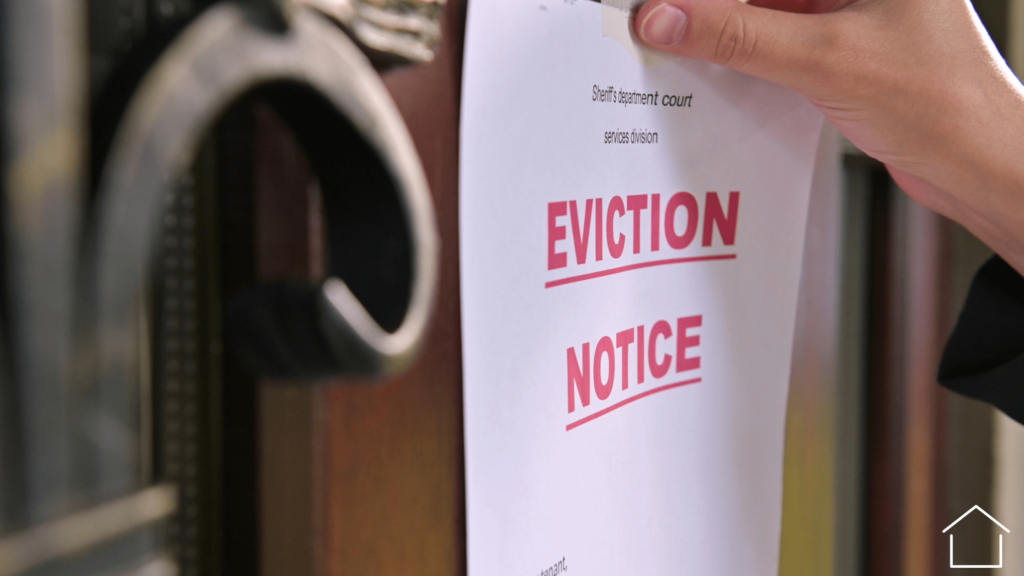
- Sheriff’s Service: The Writ of Possession is then delivered to the local Sheriff’s office. The Sheriff will then post a 24-hour notice on the tenant’s door. This notice informs the tenant that they have 24 hours to vacate the premises. The time it takes for the Sheriff’s office to receive and post the writ can range from a few days to over a week, depending on their workload.
The Role of the Sheriff
If the tenant has not vacated the property after the 24-hour period, the Sheriff’s deputies will return to the property to physically remove the tenant and their belongings. The property owner must be present, often with a locksmith and movers, to secure the property and handle any remaining personal property in accordance with Florida Statutes.
This final enforcement stage, from judgment to actual removal, typically adds another 5-10 days to the process.
Factors Influencing Eviction Timelines in Florida
The timeline outlined above represents a general path. In reality, several variables can significantly compress or expand these estimates:
Tenant Cooperation and Legal Representation
- Tenant Cooperation: A tenant who vacates voluntarily upon receiving notice or after a judgment dramatically shortens the process.
- Tenant Disputes: A tenant who actively disputes the eviction, files defenses, requests hearings, or seeks legal counsel can prolong the process substantially, sometimes for several months, especially if the case involves complex legal arguments or appeals.
- Legal Aid: Tenants with legal aid or pro bono representation often navigate the system more effectively, identifying technicalities or defenses that can delay or even defeat an eviction.
Court Caseloads and Administrative Delays
- Jurisdiction: Eviction timelines can vary considerably across different counties in Florida. Courts in highly populated areas like Miami-Dade, Orange County (serving Orlando), or Hillsborough County (serving Tampa) often have heavier caseloads, leading to longer wait times for hearings and processing of documents. Smaller counties like Monroe County might process cases faster.
- Administrative Efficiency: The efficiency of the clerk of court’s office and the local Sheriff’s department in processing paperwork and serving writs can also impact speed.
- Holiday Periods: Court operations and Sheriff’s services can slow down significantly around major holidays, adding unexpected delays.
Types of Evictions and Lease Agreements
- Non-Payment vs. Other Violations: Evictions for non-payment of rent are generally more straightforward and quicker than evictions based on other lease violations, which may require more evidence and testimony.
- Lease Specifics: Ambiguities or specific clauses within the lease agreement can sometimes be challenged by tenants, leading to further court deliberation.
- Federal Protections: In some cases, tenants living in properties with federal subsidies or under specific federal programs (e.g., Section 8 housing) may be entitled to additional protections and longer notice periods, further extending the timeline.
Implications for Property Owners and Long-Term Renters
For property owners, understanding these timelines is essential for financial planning and risk management associated with their long-term accommodation investments. Vacant units, legal fees, and lost rent can accrue quickly during a lengthy eviction process. Having a clear lease agreement, thorough tenant screening, and prompt legal action when necessary are key strategies to mitigate these risks.
For long-term renters, knowledge of the eviction process empowers them to understand their rights and responsibilities. Being aware of notice periods and court procedures is vital, whether to rectify a lease violation, prepare a defense, or simply understand the timeframe they have to secure alternative accommodation. The formal nature of the Florida eviction process means it’s not a hasty affair, but rather a structured legal journey that demands respect for due process from all parties involved in a rental accommodation.
LifeOutOfTheBox is a participant in the Amazon Services LLC Associates Program, an affiliate advertising program designed to provide a means for sites to earn advertising fees by advertising and linking to Amazon.com. Amazon, the Amazon logo, AmazonSupply, and the AmazonSupply logo are trademarks of Amazon.com, Inc. or its affiliates. As an Amazon Associate we earn affiliate commissions from qualifying purchases.