
Colorado, affectionately known as the Centennial State, beckons with its majestic Rocky Mountains, vibrant cities, and unparalleled outdoor recreation opportunities. From the bustling streets of Denver to the serene alpine villages of Aspen and Vail, Colorado offers a lifestyle that appeals to a diverse range of individuals, including a growing number of retirees seeking adventure, natural beauty, and a high quality of life. For those contemplating a move to this picturesque state, or even an extended stay to soak in its charm, a crucial financial question often arises: “Does Colorado tax Social Security benefits?” Understanding the nuances of Colorado’s tax policies is paramount for effective retirement planning, ensuring your dream lifestyle in the mountains is not only enjoyable but also financially sustainable.
The decision of where to spend your golden years is multifaceted, encompassing considerations like climate, access to healthcare, community, and, inevitably, the cost of living and tax burden. For many, Social Security benefits form a significant portion of their retirement income, making state-level taxation policies a critical factor in their financial calculations. While Colorado does have an income tax, its approach to Social Security benefits is more nuanced than a simple yes or no answer, offering significant exemptions that can make the state an attractive option for retirees. This article delves into the specifics of Colorado’s Social Security tax policies, explores the broader financial landscape for retirees and travelers, and offers insights into how understanding these policies can empower you to maximize your enjoyment of all the Centennial State has to offer, from world-class resorts to breathtaking national parks.
Unpacking Colorado’s Social Security Tax Policy: What Retirees Need to Know
When considering Colorado as a retirement destination or a place for an extended stay, one of the first financial hurdles to clear is understanding how your income, particularly Social Security benefits, will be taxed. Unlike some states that entirely exempt Social Security from income tax, Colorado applies a more conditional approach, offering substantial relief to seniors through specific deductions and exemptions. This policy aims to make the state more appealing to its older residents, allowing them to retain more of their hard-earned benefits to enjoy their lifestyle and travel endeavors.
The General Rule: Is Social Security Taxed in Colorado?
In Colorado, Social Security benefits are generally considered taxable income at the state level, but with significant caveats that often result in a net zero tax burden for many retirees. The state allows for an income tax subtraction for retirement income, which includes Social Security benefits, private and public pensions, and certain other retirement distributions. This subtraction is designed to reduce the taxable portion of these income streams, effectively lowering a retiree’s overall state income tax liability.
The key to understanding Colorado’s approach lies in its age-based exemptions. For residents aged 65 and older, a substantial portion, or even all, of their qualifying retirement income can be subtracted from their state taxable income. This means that while Social Security benefits are initially included in the calculation of gross income, the subsequent subtraction often renders them non-taxable for state purposes. It’s a system that requires a bit of attention to detail but ultimately benefits many seniors. For those under 65 receiving Social Security disability benefits, there can also be specific provisions, though the primary focus for most retirees revolves around the standard age-based exemptions.
This policy contrasts with states that have no state income tax at all, or those that fully exempt Social Security benefits regardless of age or income level. Colorado’s system falls somewhere in the middle, offering considerable relief but requiring retirees to meet certain criteria, primarily related to their age and total retirement income. This balance allows Colorado to maintain a relatively competitive tax environment for retirees while still generating revenue for state services and infrastructure that benefit all residents and visitors, from maintaining scenic highways to supporting cultural institutions.

Key Exemptions and Income Thresholds: Maximizing Your Retirement Income
The specifics of Colorado’s retirement income subtraction are crucial for financial planning. For those aged 65 and older, Colorado allows a significant subtraction for various types of retirement income, including Social Security benefits. The amount of this subtraction can vary by tax year, but historically it has been a generous figure, often in the tens of thousands of dollars per individual. This means that if your total retirement income (including Social Security, pensions, and other qualifying distributions) falls below this annual subtraction amount, you effectively pay no state income tax on those benefits.
For example, a common threshold has been around $24,000 per taxpayer for those 65 and older. If your annual Social Security benefits, combined with any other eligible retirement income, do not exceed this amount, they would be fully exempt from Colorado state income tax. For married couples filing jointly, this subtraction essentially doubles, offering an even higher threshold. It’s important to note that this subtraction applies to the total amount of qualifying retirement income, not just Social Security. This comprehensive approach means that many retirees with moderate income levels will find their Social Security benefits effectively untaxed at the state level.

Moreover, Colorado’s flat income tax rate, currently at 4.40%, means that once the subtractions are applied, any remaining taxable income is taxed at a consistent rate. This predictability can be a significant advantage for financial planning compared to states with graduated income tax brackets. It’s always advisable to consult the latest tax laws or a qualified financial advisor in Colorado to get the most up-to-date information, as tax codes can change. Understanding these exemptions and thresholds is not just about avoiding taxes; it’s about freeing up more of your retirement funds to explore Colorado’s countless attractions, from a relaxing stay at a luxury resort like The Broadmoor in Colorado Springs to adventurous treks through Rocky Mountain National Park.
The Financial Impact on Your Colorado Lifestyle and Travel Plans
The financial implications of Colorado’s Social Security tax policy extend far beyond just the tax return. They directly influence your disposable income, affecting how much you can allocate to housing, daily expenses, and, critically for a state like Colorado, leisure activities and travel. A favorable tax environment can significantly enhance a retiree’s lifestyle, allowing for more experiences, better accommodations, and a deeper engagement with the local culture and natural beauty.
Budgeting for Life in the Rockies: Beyond Social Security Taxes
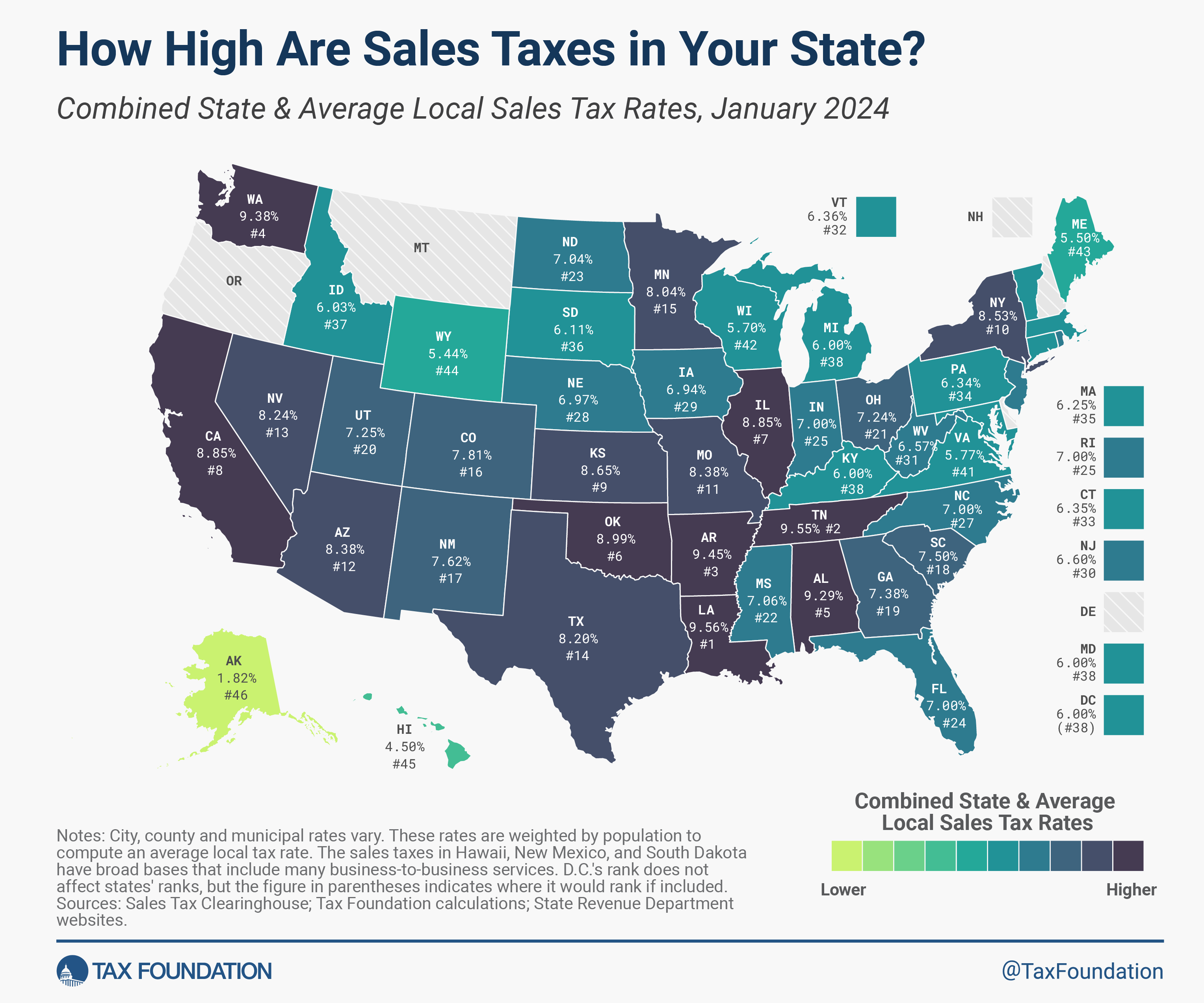
While Social Security taxation is a key consideration, a holistic view of the financial landscape in Colorado is essential for any retiree or long-term visitor. The state’s cost of living, particularly in popular areas like Denver, Boulder, and Aspen, can be higher than the national average, especially concerning housing. However, other expenses, such as sales tax and property tax, are also important to factor in. Colorado has a relatively low state sales tax rate, though local jurisdictions can add their own, resulting in varying combined rates across cities. Property taxes are generally lower than in many other states, which can offset some of the higher housing costs, especially for those who own their homes outright.
Understanding these broader financial elements allows retirees to budget effectively. If a significant portion of your Social Security benefits is exempt from state income tax, those savings can be redirected. This might mean investing in a more comfortable home in a charming town, enjoying more frequent dining experiences at Colorado’s farm-to-table restaurants, or funding regular trips to explore new corners of the state. For instance, the money saved on taxes could allow for a stay at a luxurious mountain lodge during ski season in Vail or a multi-day hike with comfortable accommodation along the Colorado Trail. Effective budgeting, informed by a clear understanding of tax policies, transforms potential financial worries into opportunities for richer experiences.
Moreover, the availability of diverse accommodation options in Colorado, from independent living communities designed for seniors to short-term rental apartments in bustling urban centers, means that retirees can tailor their living situation to their budget and lifestyle preferences. Whether you seek the tranquility of a mountain town, the cultural vibrancy of Denver, or the academic atmosphere of Boulder, Colorado’s tax structure on Social Security helps ensure that a greater portion of your income remains available to support these choices.
Exploring Colorado on a Retirement Budget: Destinations and Activities
The financial relief offered by Colorado’s Social Security tax exemptions directly translates into enhanced travel and tourism opportunities for retirees. With more disposable income, the grandeur of the Centennial State becomes more accessible. Imagine being able to afford that extra night at a boutique hotel in Telluride, a gourmet meal in Aspen, or a guided tour through the ancient cliff dwellings of Mesa Verde National Park. These are the tangible benefits of smart financial planning rooted in understanding state tax policies.
Colorado offers an endless array of destinations and activities tailored for every interest. For nature lovers, Rocky Mountain National Park provides stunning vistas and hiking trails, while the otherworldly rock formations of Garden of the Gods near Colorado Springs offer accessible natural beauty. Ski resorts like Vail, Breckenridge, and Steamboat Springs are perfect for winter sports enthusiasts, offering everything from gentle slopes to challenging terrain, often accompanied by luxurious lodging and vibrant après-ski scenes.
For those interested in culture and history, Denver’s museums, art galleries, and performing arts venues provide ample entertainment. Historical landmarks such as the Royal Gorge Bridge and Park offer thrilling experiences combined with rich history. With more funds available, retirees can indulge in a wider range of experiences, from hot air balloon rides over the Front Range to exploring local breweries and distilleries that dot the state. The ability to travel comfortably, whether by staying in top-rated hotels or booking unique villas for an extended period, significantly enriches the retirement experience in Colorado. This financial freedom allows retirees to truly embrace the “Life Out of the Box” philosophy, experiencing diverse destinations and creating lasting memories without undue financial strain.
Strategic Retirement Planning in Colorado: More Than Just Taxes
Retirement planning in Colorado is a holistic endeavor that integrates financial considerations with lifestyle aspirations. While understanding Social Security taxation is a crucial piece of the puzzle, it’s part of a larger strategy that includes choosing the right community, considering all aspects of the cost of living, and planning for ongoing travel and leisure activities. The synergy between favorable tax policies and the abundance of natural and cultural attractions makes Colorado a compelling choice for many.
Choosing Your Colorado Home: Cities, Towns, and Tax Considerations
The diverse geography of Colorado means that the “ideal” retirement spot varies greatly from person to person. From the metropolitan buzz of Denver to the academic charm of Boulder, the Olympic City focus of Colorado Springs, or the quiet beauty of smaller mountain towns like Salida or Durango, each location offers a unique blend of lifestyle, amenities, and cost implications. While the state’s Social Security tax policy is uniform, other local taxes, such as sales tax and property tax, can differ significantly, influencing your overall financial picture.
For example, real estate values in Aspen or Vail are considerably higher than in some of the more rural areas of the state. However, the services and amenities, including world-class ski resorts, luxury hotels, and high-end dining, also reflect these price points. Conversely, opting for a community in the eastern plains or southern Colorado might offer a lower cost of living, potentially allowing your retirement savings, including tax-exempt Social Security benefits, to stretch further.
It’s also worth noting that accessibility to healthcare, proximity to family, and personal preferences for climate (e.g., warmer, drier southern Colorado vs. snowier mountain regions) should heavily influence your choice of residence. Many retirees find that the tax benefits on Social Security in Colorado free up funds to either live in a more desirable, albeit pricier, area or to invest in home improvements and travel. Consulting with local real estate agents and financial planners can provide invaluable insights tailored to your specific needs and help you navigate the various options across the Centennial State.
Travel and Tourism Opportunities for Colorado Residents
Becoming a resident of Colorado and benefiting from its tax policies on Social Security doesn’t just mean a comfortable daily life; it unlocks unparalleled opportunities for sustained travel and tourism within the state and beyond. With more discretionary income, retirees can transition from occasional visitors to seasoned explorers of their home state. This means regular trips to national parks, frequent visits to ski resorts or summer hiking trails, and the luxury of spontaneous weekend getaways.
Imagine being able to book a cozy cabin in Estes Park for a week every year to explore Rocky Mountain National Park at your leisure, or to regularly enjoy the sophisticated amenities and spa treatments at The Broadmoor. Residents also often benefit from local discounts and season passes to attractions, further enhancing the value of their retirement dollars. From exploring the vibrant arts scene in Grand Junction to rafting down the Arkansas River, Colorado offers an endless playground for active retirees.
Furthermore, Colorado’s central location in the United States makes it an excellent base for broader travel. The major airport in Denver (Denver International Airport) provides direct access to numerous domestic and international destinations. The financial flexibility gained from favorable Social Security tax policies can therefore fuel not only adventures within Colorado but also further afield, allowing retirees to pursue their lifelong travel dreams, whether that involves luxury travel to distant lands or budget-friendly road trips across the USA. This integrated approach to financial and lifestyle planning truly allows retirees to live “Life Out of the Box” in the majestic setting of the Centennial State.
In conclusion, for those asking “Does Colorado tax Social Security?”, the answer is nuanced but largely favorable for retirees. While benefits are technically subject to state income tax, significant age-based subtractions often result in little to no actual tax liability for most seniors. This policy, combined with a relatively low property tax burden and a flat income tax rate, makes Colorado an attractive financial haven for retirees. By understanding these tax advantages, individuals can better budget for a vibrant lifestyle, allowing them to fully embrace the abundant travel, accommodation, and tourism opportunities that the Centennial State so richly offers. Whether your dream retirement involves scaling mountain peaks, exploring historic towns, or simply enjoying the serene beauty of the Rockies, Colorado’s financial landscape is designed to help you achieve it.
LifeOutOfTheBox is a participant in the Amazon Services LLC Associates Program, an affiliate advertising program designed to provide a means for sites to earn advertising fees by advertising and linking to Amazon.com. Amazon, the Amazon logo, AmazonSupply, and the AmazonSupply logo are trademarks of Amazon.com, Inc. or its affiliates. As an Amazon Associate we earn affiliate commissions from qualifying purchases.