
For anyone involved in accommodation in Florida, whether as a property owner, a long-term renter, or an investor, understanding the lifespan of a shingle roof is paramount. The roof isn’t just a covering; it’s a critical component that protects the entire structure, its inhabitants, and the substantial investment it represents. In the unique climate of the Sunshine State, a shingle roof’s durability can be significantly different from other regions, influencing everything from maintenance budgets to property appeal and insurance premiums.
The Foundation of Florida Accommodation: Understanding Shingle Roof Lifespans
A roof over one’s head is the most basic requirement for any accommodation, and its integrity directly impacts safety, comfort, and habitability. For properties in Florida, whether they are cozy bungalows, sprawling family homes, or multi-unit rental complexes, the shingle roof remains a popular choice due to its cost-effectiveness and aesthetic versatility. However, the anticipated lifespan of these roofs is subject to a potent cocktail of environmental factors unique to the region.
Standard Lifespan vs. Florida’s Unique Challenges
Under ideal conditions, an asphalt shingle roof—the most common type—might be expected to last anywhere from 20 to 30 years. Architectural or laminate shingles, with their thicker, multi-layered construction, can sometimes extend this to 30 to 50 years. These are national averages, however, and Florida is far from an “ideal” environment for roofing materials. The state’s aggressive climate acts as a formidable adversary to even the most robust roofing systems, often shortening their effective lifespan by several years, sometimes even a decade or more, if not properly maintained or installed. This disparity is crucial for anyone managing or residing in accommodations in areas like Miami, Orlando, Tampa, or Jacksonville, where property values and rental markets are highly competitive.
Climate’s Relentless Toll: Factors Affecting Roof Longevity in the Sunshine State
The beautiful weather that draws millions to Florida each year is precisely what poses the greatest threat to its roofs. Understanding these specific challenges is key to anticipating replacement schedules and budgeting for accommodation upkeep.
Intense UV Radiation and Heat
Florida receives an abundance of sunlight, which, while great for beaches and tourism, is detrimental to asphalt shingles. The sun’s powerful ultraviolet (UV) rays degrade the asphalt in shingles, causing them to dry out, become brittle, and lose their protective granules. These granules are not just for aesthetics; they provide a crucial layer of protection against UV radiation. Once they start to shed, the underlying asphalt is exposed, accelerating the deterioration process. The constant high temperatures further exacerbate this, leading to thermal expansion and contraction cycles that stress the shingles and their underlying deck, potentially leading to cracking and warping. This relentless exposure can significantly reduce the flexibility and waterproofing capabilities of the roof, making it vulnerable to leaks, which are a nightmare for any accommodation provider.
Hurricane and Tropical Storm Activity
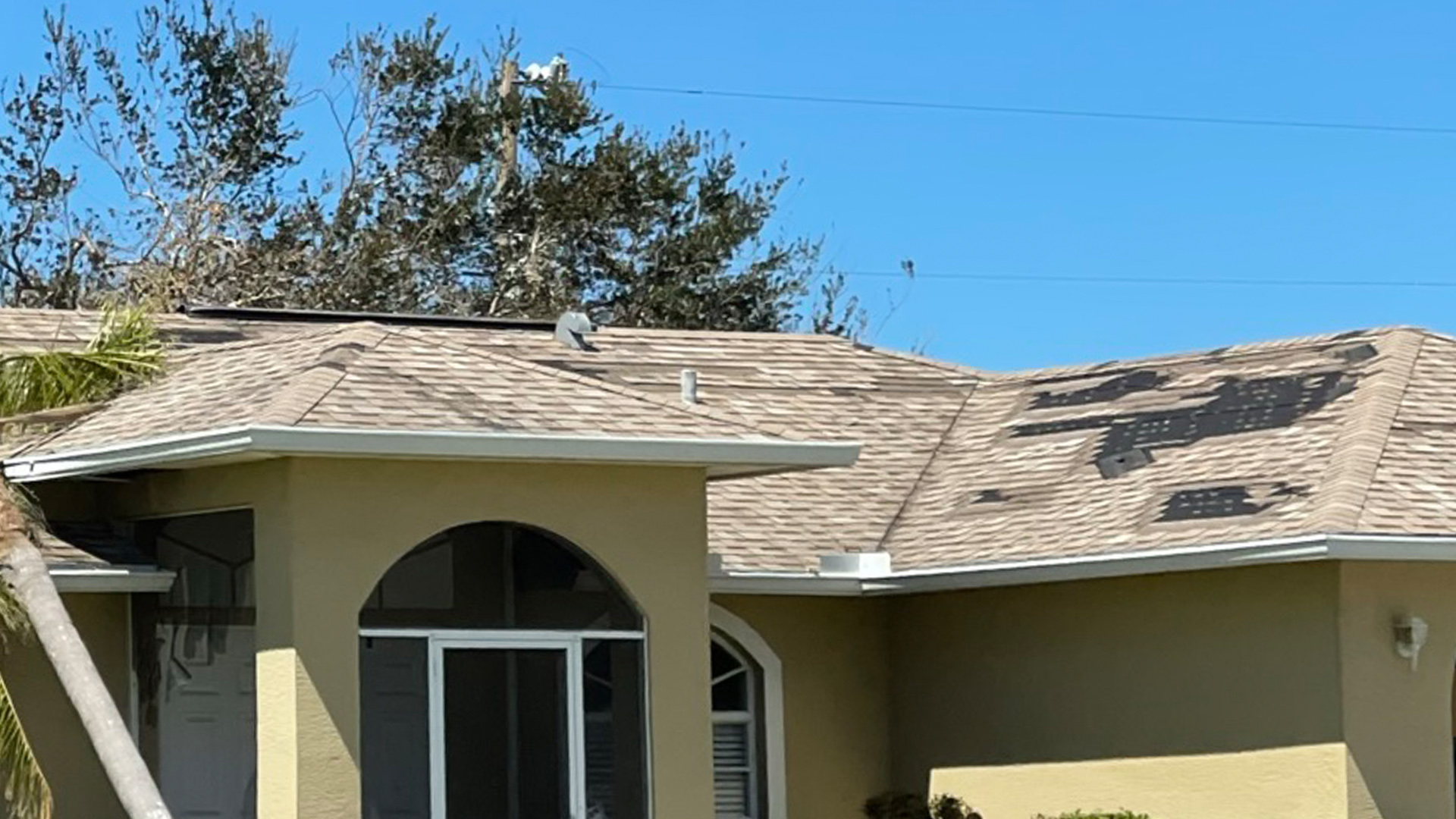
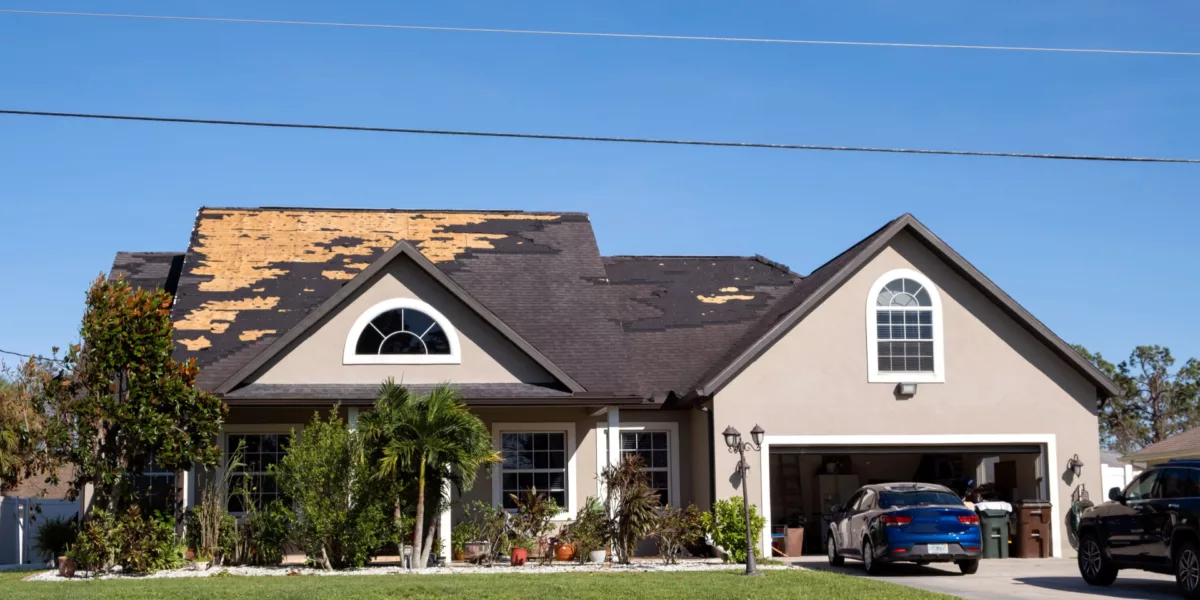
Perhaps the most dramatic threat to Florida roofs comes from its annual hurricane season. The state is frequently in the path of tropical storms and hurricanes, bringing with them torrential rains and extreme winds. These powerful winds can lift, tear, and completely strip shingles from a roof, even those that appear relatively new. Even if a roof isn’t completely destroyed, the repeated stress from high winds can loosen shingles, compromise seals, and create vulnerabilities that lead to leaks over time. Water intrusion from such events can cause extensive damage to the interior of an accommodation, leading to mold, structural damage, and significant disruption for long-term residents or guests. Building codes in Florida are among the strictest in the nation precisely because of this threat, requiring specific installation methods and materials designed to withstand these forces.
High Humidity and Biological Growth
The state’s pervasive high humidity, combined with warmth, creates an ideal breeding ground for algae, moss, and mildew. While not immediately damaging, these growths can trap moisture against the shingles, accelerating their breakdown. Algae, often appearing as black streaks, can feed on the limestone filler in shingles, gradually reducing their lifespan and diminishing their aesthetic appeal, which is important for attracting and retaining quality long-term tenants or guests. Moss can lift shingles, allowing water to penetrate underneath, while mildew can cause surface degradation. Proper ventilation and regular cleaning are crucial for mitigating these issues, but they add to the ongoing maintenance costs associated with accommodation in Florida.
The Economic Impact on Florida Accommodation
Understanding roof longevity isn’t merely a technical concern; it has direct and significant financial implications for property owners, investors, and even long-term renters.
Property Value and Resale Considerations
A roof is a major component of a property’s value. A nearing-end-of-life roof can significantly detract from a property’s market appeal and resale value. Buyers, especially those looking for long-term accommodation, are keenly aware of the cost of roof replacement and will factor this into their offers. Conversely, a recently replaced roof or one with significant remaining life can be a strong selling point, signaling a well-maintained property and reducing immediate capital expenditure concerns for the new owner. For investors in Florida’s dynamic real estate market, timely roof replacement can be a strategic investment to maximize returns.
Insurance and Maintenance Costs
Homeowner’s insurance in Florida is notoriously expensive, largely due to the risk of hurricane damage. The age and condition of a roof are primary factors in determining insurance premiums and even eligibility. Insurers often have strict requirements for roof age, particularly for properties near the coast or in high-risk zones. An older roof may result in higher premiums, reduced coverage, or even non-renewal. Furthermore, if a roof is significantly past its expected lifespan, insurance companies may only offer actual cash value for roof damage rather than replacement cost, leaving property owners with a substantial out-of-pocket expense. Beyond insurance, the ongoing maintenance of an aging roof—patching leaks, cleaning algae, replacing loose shingles—can accumulate into substantial costs, eroding the profitability of rental accommodations or increasing the cost of living for long-term residents.
Appealing to Long-Term Renters and Guests
For landlords and property managers offering long-term accommodation, a reliable roof is non-negotiable for tenant satisfaction and retention. No one wants to live in an accommodation plagued by leaks, mold, or the constant worry of structural integrity. A well-maintained roof signals a responsible landlord and a safe, comfortable living environment. Properties with newer, well-kept roofs are often more attractive to prospective long-term renters and can command higher rental rates, contributing to a more stable and profitable accommodation business. Regular roof inspections and proactive repairs can prevent minor issues from escalating into major problems that disrupt tenancy.
Strategies for Maximizing Your Florida Roof’s Life and Protecting Your Investment
Given the harsh conditions, proactive measures are essential to extend the life of a shingle roof in Florida and safeguard the accommodation it protects.
Proactive Maintenance and Regular Inspections
The single most effective strategy is a robust maintenance schedule. This includes annual or bi-annual professional roof inspections, especially after severe weather events. Inspectors can identify loose or damaged shingles, compromised flashing around chimneys or vents, and early signs of granule loss. Prompt repair of minor issues can prevent them from becoming costly major problems. Regular cleaning to remove debris like leaves and branches, which can trap moisture and promote growth, is also crucial. Soft washing methods are recommended for removing algae and moss, as high-pressure washing can strip granules and damage shingles.
Material Selection and Professional Installation
When it comes time for roof replacement, the choice of materials and the quality of installation are paramount. Opting for high-quality, impact-resistant shingles specifically designed for hurricane zones and high UV exposure can significantly extend life expectancy. Many manufacturers offer cool roofing technologies or reflective granules that help deflect solar heat, reducing thermal stress on the asphalt. Equally important is choosing a reputable, licensed, and insured roofing contractor experienced with Florida building codes and environmental challenges. Proper ventilation in the attic, correct nailing patterns, and meticulous flashing work are critical for a roof that will stand the test of time against the elements.
Addressing Ventilation and Drainage
Adequate attic ventilation is crucial in Florida to prevent heat buildup, which can cook shingles from underneath, and to dissipate moisture. A well-ventilated attic helps keep the roof deck cooler, extending shingle life and reducing energy costs for the accommodation. Proper drainage, ensuring gutters and downspouts are clear and functioning correctly, prevents water from pooling on the roof or near the foundation, mitigating potential water damage and mold issues. Overhanging trees should also be trimmed back to prevent debris accumulation and limit access for pests that can damage roofing materials.

When It’s Time for a Replacement: Safeguarding Your Florida Accommodation
Despite the best efforts, every shingle roof in Florida will eventually reach the end of its functional life. Recognizing the signs is key to preventing catastrophic failures and maintaining the integrity of your accommodation. Common indicators include widespread granule loss, curling or buckling shingles, multiple leaks, visible rotting, or shingles that are consistently lifting after windy events.
When these signs become prevalent, delaying replacement can be a false economy, leading to more extensive and expensive damage to the underlying structure, insulation, and interior finishes. A new roof is a significant investment but an essential one for any accommodation in Florida. It protects the property, ensures the safety and comfort of its occupants, maintains property value, and provides peace of mind against the state’s challenging climate, cementing the longevity and desirability of the accommodation for years to come.
LifeOutOfTheBox is a participant in the Amazon Services LLC Associates Program, an affiliate advertising program designed to provide a means for sites to earn advertising fees by advertising and linking to Amazon.com. Amazon, the Amazon logo, AmazonSupply, and the AmazonSupply logo are trademarks of Amazon.com, Inc. or its affiliates. As an Amazon Associate we earn affiliate commissions from qualifying purchases.