
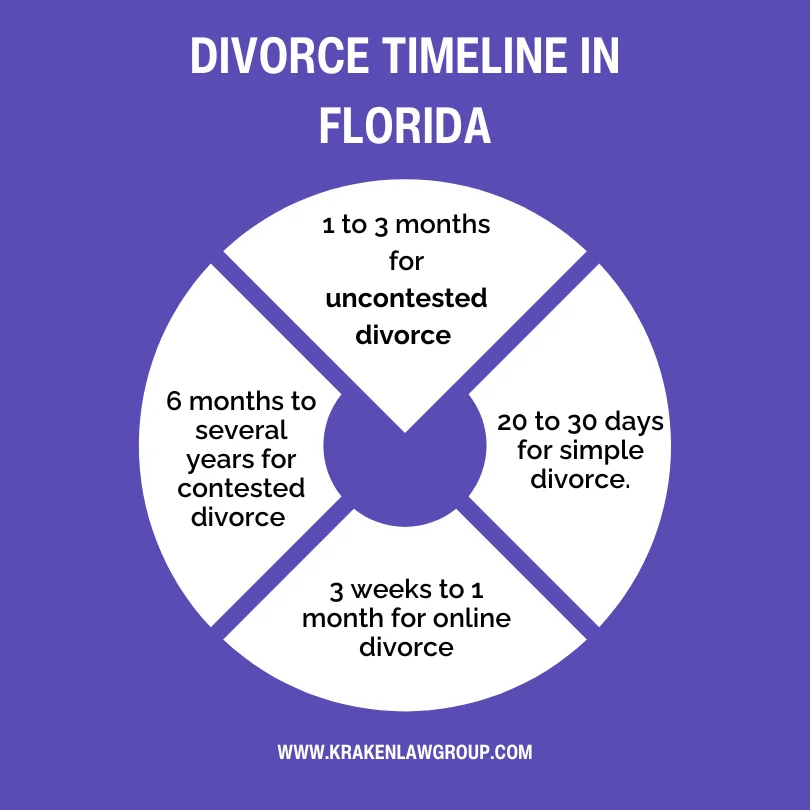
Navigating a divorce is a complex process, not just legally and emotionally, but also significantly in terms of accommodation planning and stability. The question of “How Long Does Divorce Take In Florida?” carries immense weight, directly influencing living arrangements, temporary housing needs, and the timeline for securing a new long-term residence. While the legal minimum for a divorce to be finalized in Florida is often cited as 20 days from the date of filing the petition, the reality for most individuals and families is far more extended, stretching over months or even years. This duration profoundly impacts every aspect of finding, maintaining, and transitioning between accommodations, making proactive planning essential.
The Unpredictable Timeline of Divorce and its Impact on Living Situations
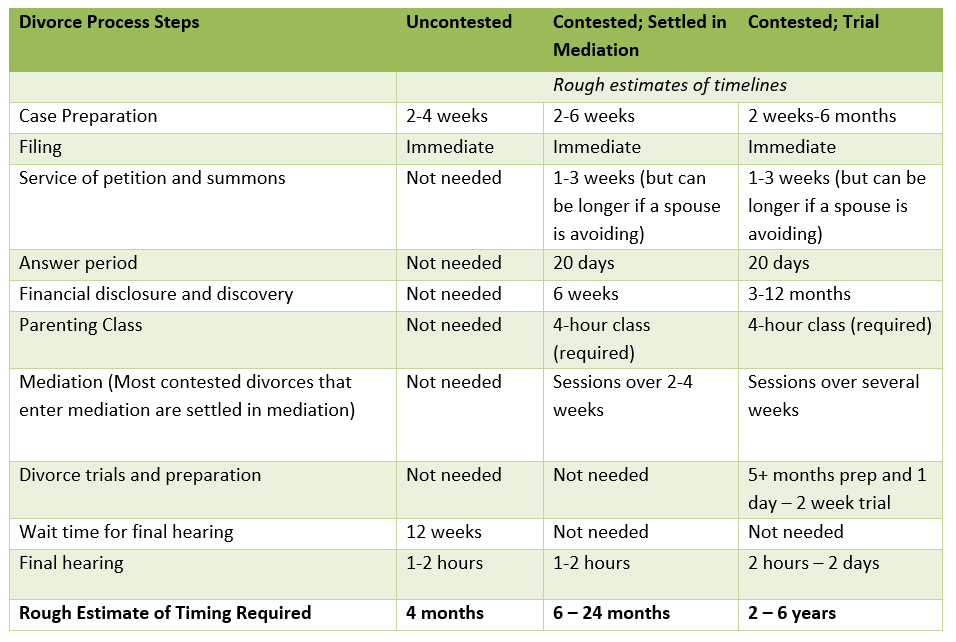
The actual duration of a divorce in Florida is rarely as swift as the legal minimum suggests. Several factors contribute to the timeline, each having direct implications for housing stability. Contested divorces, involving disputes over asset division, spousal support, or child custody, can significantly prolong the process. Each new contested point, from the valuation of a shared property to the division of real estate holdings, adds layers of negotiation, mediation, and potentially litigation, all of which extend the period of uncertainty regarding living situations.
During this extended period, individuals often find themselves in a state of limbo concerning their housing. One spouse might remain in the marital home, while the other seeks temporary arrangements. This necessitates a careful consideration of rental agreements, short-term leases, or even extended-stay options. The longer the divorce takes, the more protracted these temporary solutions become, potentially incurring significant costs and logistical challenges. Understanding that a divorce could last anywhere from a few months for an amicable, uncontested dissolution to over a year for highly contested cases, allows for more realistic and strategic accommodation planning, mitigating the stress associated with housing insecurity during such a turbulent time.
Temporary Accommodation During the Divorce Process in Florida
As the divorce process unfolds in Florida, the immediate need for suitable temporary accommodation often becomes paramount. The duration of the divorce directly dictates the length of time one might require such interim housing, making flexible and cost-effective solutions highly desirable.
Short-Term Rentals and Extended Stays
For many, the initial separation phase of a divorce necessitates moving out of the marital home, often requiring a short-term rental solution. The Florida market, especially in vibrant areas like Miami, Orlando, or Tampa, offers a range of options, from monthly apartment leases to extended-stay hotels or furnished corporate housing. The choice largely depends on the anticipated length of the divorce and financial considerations. Extended-stay hotels provide amenities like kitchenettes and often offer discounted rates for longer durations, making them a practical choice for individuals who anticipate a divorce lasting several months. Conversely, securing a short-term apartment lease might offer more privacy and a sense of normalcy, albeit often with a higher upfront cost and potentially less flexibility if the divorce timeline shifts unexpectedly. The key is to select accommodation that can adapt to the fluid nature of the divorce process, avoiding long-term commitments until the final settlement is reached.
Living with Family or Friends
For some, the most immediate and often most economical temporary accommodation solution is to live with family or friends. This option can provide emotional support and significantly reduce the financial burden during a period of intense change. However, the duration of the divorce can test these arrangements. What starts as a temporary solution for a few weeks can stretch into many months, potentially straining relationships. While invaluable in the short term, individuals often seek independent living situations as soon as financially and practically feasible, preferring to establish their own space as part of the healing and rebuilding process. The longer the divorce takes, the more pressing the need for independent living becomes.
The Marital Home Dilemma

The marital home often represents the largest shared asset and can become a significant point of contention. Deciding who stays, who leaves, and how the property is maintained or eventually divided can prolong the divorce process. During this period, the spouse remaining in the home might face financial strain, solely responsible for mortgage payments, utilities, and maintenance. The departing spouse, while seeking temporary accommodation, may still be legally and financially tied to the marital home. The longer this situation persists, the greater the financial and emotional toll on both parties. Understanding the potential for the marital home to delay proceedings is crucial for strategic accommodation planning, sometimes necessitating early discussions about buyouts or sales to expedite the process and move towards stable, independent living arrangements.
Long-Term Accommodation Planning Post-Divorce in the Sunshine State
Once a divorce is finalized, the focus shifts decisively towards establishing new, long-term accommodation. The preceding duration of the divorce significantly influences the preparedness and financial capacity for this next chapter. Whether seeking to purchase a new property or secure a long-term rental, post-divorce housing requires careful consideration of financial resources, personal preferences, and lifestyle goals in Florida.
Securing a New Permanent Residence
For many, the conclusion of divorce proceedings opens the door to securing a new permanent residence, offering a fresh start. This could involve purchasing a home, which often requires careful financial planning based on the division of marital assets and any spousal support received. Given Florida’s diverse real estate market, from bustling urban centers to serene coastal towns, choices abound. However, the ability to qualify for a mortgage independently, manage closing costs, and navigate the competitive housing landscape can be challenging. Alternatively, opting for a long-term rental provides flexibility and less initial financial commitment. This is particularly appealing in areas with high property values or for individuals who prefer not to be tied down to a mortgage immediately post-divorce. The duration of the divorce plays a critical role here; a swifter resolution allows for quicker access to divvied assets, enabling earlier entry into the housing market, whereas protracted divorces can delay this crucial step, potentially missing favorable market conditions.
Financial Considerations for Post-Divorce Housing
Financial considerations are inextricably linked to accommodation choices post-divorce. The division of assets and debts, along with any alimony or child support agreements, directly determines an individual’s financial capacity for housing. It’s imperative to create a realistic budget that accounts for rent or mortgage payments, property taxes, insurance, utilities, and maintenance. Many individuals find that their post-divorce income and assets necessitate a reassessment of their living standards and locations. For instance, moving from a large family home in an expensive Florida city to a more modest apartment or a smaller home in a more affordable community might be a necessary adjustment. Financial planning should ideally begin during the divorce process, especially during contested settlements, to understand potential outcomes and prepare for the financial realities of independent accommodation. This foresight can help streamline the transition once the divorce is final, ensuring a smoother move into a new living space.
Navigating Financial Realities: From Joint Ownership to Independent Living
The financial restructuring that accompanies divorce directly impacts one’s ability to transition from shared living to independent accommodation. The duration of the divorce significantly affects the timeline for accessing and utilizing newly allocated financial resources, which are crucial for securing new housing. The shift from joint ownership of property and shared financial responsibilities to independent living requires a meticulous review of personal finances and proactive planning for future housing needs.
During the prolonged period of a contested divorce, financial resources can be tied up in legal fees or frozen assets, limiting options for immediate housing solutions. For instance, until a marital home is sold or one spouse buys out the other’s interest, the equity in that property remains inaccessible. This can delay down payments on new homes or even restrict the ability to afford market-rate rentals. Spousal support (alimony) and child support, once determined, become critical components of a budget for new accommodation. However, the determination of these figures can be a lengthy process, leaving individuals in a state of financial uncertainty for the duration of the divorce. Understanding the potential delays in accessing these funds allows for more realistic budgeting and exploration of short-term financing options for housing. It also emphasizes the importance of negotiating terms that provide for interim financial stability, such as temporary support orders, which can directly aid in securing suitable accommodation during the divorce process itself.
Finding Stability Amidst Change: Accommodation Solutions in Florida
Amidst the emotional and legal complexities of divorce, finding stable accommodation stands as a cornerstone for rebuilding life in Florida. The duration of the divorce process, while often unpredictable, directly influences the strategies and solutions employed for housing. Whether transitioning through temporary arrangements or planning for a permanent new residence, strategic decision-making around accommodation is vital.
Proactive engagement with housing options, even during the early stages of separation, can alleviate significant stress. This involves researching rental markets in desired Florida locations, understanding the requirements for securing a mortgage independently, or exploring different types of long-term leases. Financial preparedness, built upon a clear understanding of potential asset division and support payments, forms the bedrock of these decisions. The longer a divorce takes, the more critical it becomes to maintain a flexible approach to housing, adapting choices as financial and legal circumstances evolve. Ultimately, understanding that the duration of a divorce can be a journey rather than a sprint empowers individuals to make informed accommodation choices, ensuring a smoother transition and providing a solid foundation for a new, independent life in the Sunshine State.
LifeOutOfTheBox is a participant in the Amazon Services LLC Associates Program, an affiliate advertising program designed to provide a means for sites to earn advertising fees by advertising and linking to Amazon.com. Amazon, the Amazon logo, AmazonSupply, and the AmazonSupply logo are trademarks of Amazon.com, Inc. or its affiliates. As an Amazon Associate we earn affiliate commissions from qualifying purchases.