
Embarking on a road trip to the Sunshine State is a classic American adventure, promising everything from pristine beaches to world-class theme parks. However, before you can dip your toes in the warm waters of the Atlantic Ocean or explore the magical kingdoms of Orlando, one fundamental question looms: exactly how long is the drive to Florida? The answer, while seemingly straightforward, involves a dynamic interplay of factors that can significantly influence your journey time and overall experience.
Understanding the Variables: More Than Just Miles
Calculating the duration of a drive to Florida goes far beyond simply punching your destination into a GPS. Several key variables contribute to the final time spent behind the wheel, making each road trip unique.
Starting Point: The Great American Road Trip
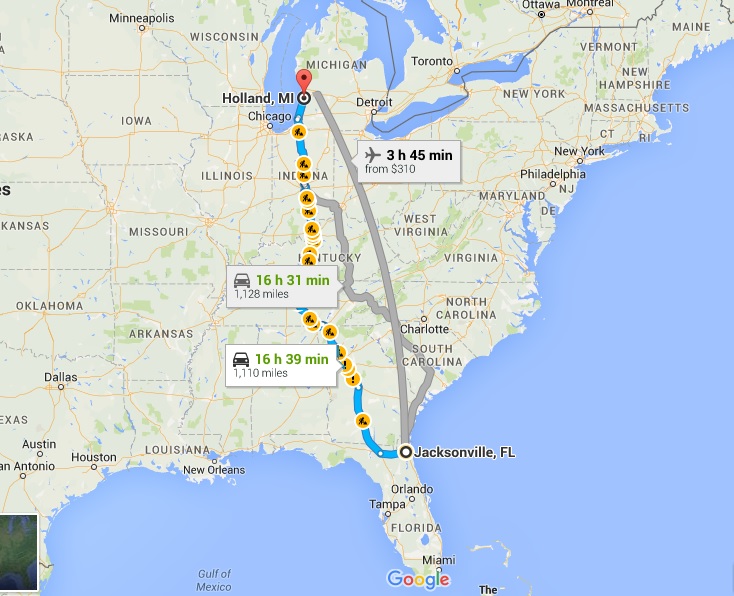
The most significant factor determining your drive time is, naturally, your departure city. Someone driving from Atlanta will have a vastly different experience than a traveler originating from New York City or Chicago. The continental United States offers a wide range of distances to Florida, ranging from a few hours to several days of driving. For instance, a drive from Atlanta, Georgia, to Jacksonville, Florida, is relatively short, often less than five hours. In contrast, a journey from Seattle, Washington, to Miami, Florida, could easily span 45-50 hours of pure driving time, necessitating multiple overnight stops.
Destination in Florida: North vs. South
Florida is a large state, stretching over 400 miles from its northern border with Georgia and Alabama down to the Florida Keys. Your specific destination within the state will add or subtract significant hours from your total travel time. Driving to Tallahassee or Jacksonville in North Florida will be considerably quicker than heading to Miami, Fort Lauderdale, or Key West in the southern reaches of the state. For example, from Charlotte, North Carolina, a drive to Jacksonville might be around 7-8 hours, while reaching South Beach in Miami could extend to 12-14 hours.
Driving Speed and Road Conditions
While speed limits are consistent across interstate highways, actual driving speeds can vary. Traffic congestion, especially around major metropolitan areas or during peak travel seasons, can drastically slow down your progress. Construction zones are another common culprit for delays. Furthermore, adverse weather conditions such as heavy rain, fog, or even tropical storms can necessitate slower speeds and increase driving times. It’s always prudent to check real-time traffic updates and weather forecasts before and during your trip.
Pit Stops and Overnight Stays
The human element is crucial to any long drive. You’ll need to account for fuel stops, meal breaks, restroom breaks, and opportunities to stretch your legs. Traveling with children or pets will likely increase the frequency and duration of these stops. For drives exceeding 8-10 hours, an overnight stay is highly recommended for safety and comfort. Pushing through exhaustion to save time can be dangerous and counterproductive. Planning for these stops, rather than letting them spontaneously occur, can help you maintain a more predictable schedule.
Popular Routes and Estimated Driving Times
To provide a clearer picture, let’s look at some common driving routes to Florida from various regions of the United States. These estimates assume continuous driving without major delays and do not include substantial breaks or overnight stops, which should always be factored into your personal itinerary.
From the Northeast: I-95 South
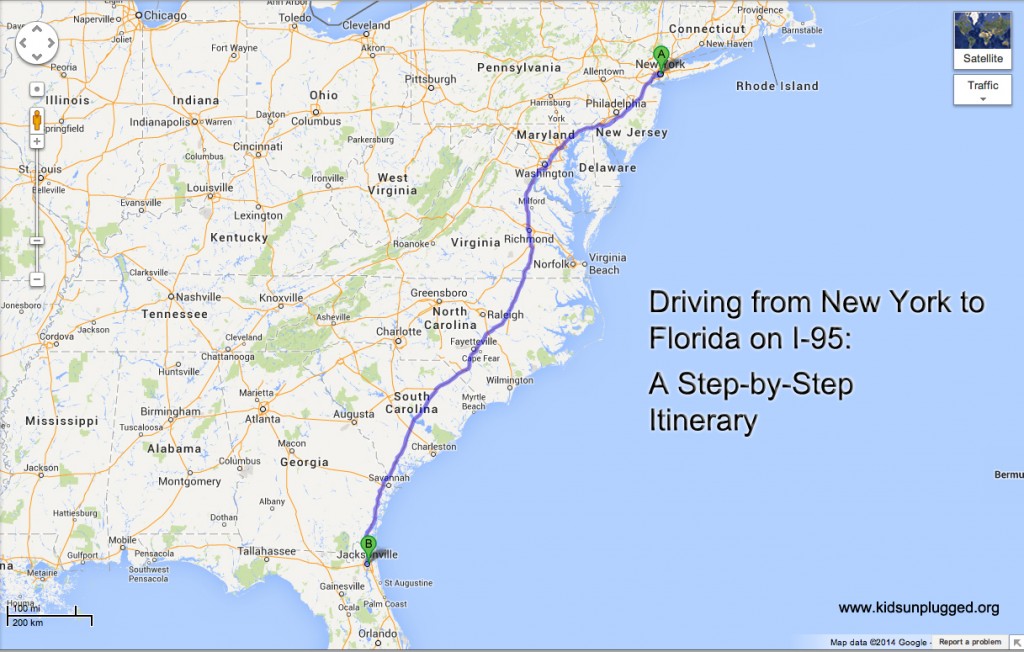
The primary artery for travelers from the Northeast is Interstate 95 (I-95) South. This route offers a relatively direct path, albeit often busy.
- From New York City to Orlando: Approximately 16-18 hours (about 1,070 miles). Many travelers choose to break this into a two-day journey with an overnight stop around South Carolina or Georgia.
- From Boston to Miami: Around 22-24 hours (about 1,500 miles). This is almost certainly a two-day trip, possibly even three if you prefer a more leisurely pace.
- From Washington D.C. to Jacksonville: Roughly 9-10 hours (about 700 miles). This is a manageable one-day drive for many, though an early start is recommended.
From the Midwest: I-75 South and I-65 South
Travelers from the Midwest often utilize Interstate 75 (I-75) South or Interstate 65 (I-65) South, connecting to various Florida highways.
- From Chicago to Orlando: Approximately 17-19 hours (about 1,150 miles) via I-65 South to I-75 South. Most will plan an overnight stop.
- From Detroit to Tampa: Around 18-20 hours (about 1,200 miles) primarily on I-75 South. This is a classic two-day journey.
- From St. Louis to Panama City Beach: Roughly 10-11 hours (about 650 miles). This can be done in a single long day.
From the West: Crossing the Continent
For those venturing from the western United States, the drive to Florida becomes a multi-day expedition, often involving multiple interstate highways.
- From Los Angeles to Miami: A monumental journey of 38-40 hours of pure driving (about 2,700 miles). This requires at least three, more realistically four, days of driving with overnight stops. Routes typically involve I-10 East across the southern tier of the country.
- From Denver to Fort Lauderdale: Approximately 28-30 hours (about 2,000 miles), usually involving I-70 East or I-40 East before heading south. This is a minimum of a three-day drive.
Planning Your Florida Road Trip: Maximizing the Experience
A well-planned road trip isn’t just about minimizing drive time; it’s about making the journey itself part of the adventure. Thoughtful preparation can significantly enhance your travel experience.
Essential Packing List for a Long Drive
Beyond your clothes and toiletries, consider items that will make the drive more comfortable and convenient:
- Snacks and Beverages: Pack a cooler with drinks and non-perishable snacks to save time and money on pit stops.
- First-Aid Kit: Always have one readily accessible for minor scrapes or emergencies.
- Navigation Aids: While GPS is standard, a traditional map can be a good backup, especially in areas with spotty cell service.
- Comfort Items: Pillows, blankets, and comfortable clothing for passengers.
- Power Banks/Car Chargers: Keep all your devices charged.
Entertainment for All Ages
Long stretches of highway can lead to boredom, especially for younger passengers.
- Music Playlists/Podcasts: Curate diverse audio content for the adults.
- Audiobooks: A great way to collectively “read” a story as a family.
- Tablets/Portable Gaming Devices: Pre-load movies, shows, and games.
- Travel Games: Classic car games like “I Spy” or license plate bingo.
- Art Supplies: Coloring books, crayons, or sketchpads can keep little hands busy.
Vehicle Maintenance Checks
Before embarking on a long drive, ensure your vehicle is in top condition.
- Tires: Check tire pressure and tread depth. Don’t forget the spare.
- Fluids: Ensure oil, coolant, brake fluid, and windshield wiper fluid levels are adequate.
- Brakes: Have them inspected if you’ve noticed any issues.
- Lights: Verify all headlights, taillights, and turn signals are functioning.
- Emergency Kit: Include jumper cables, a flashlight, basic tools, and reflective triangles.
Incorporating Scenic Detours and Attractions
The drive itself doesn’t have to be solely about getting from point A to point B. Look for interesting towns, natural wonders, or quirky roadside attractions along your route. For example, if driving down I-95, consider a stop in Savannah, Georgia, for its historic charm, or St. Augustine, Florida, the oldest continuously inhabited European settlement in the United States. These brief diversions can break up long driving days and create lasting memories.
When to Drive to Florida: Seasonal Considerations
The time of year you choose for your road trip can impact both your drive time and your experience upon arrival.
Avoiding Peak Traffic Times
Florida is a popular destination year-round, but certain periods see higher volumes of traffic.
- Winter (December-February): Snowbirds flock south, particularly to warmer southern Florida destinations, leading to increased traffic on major interstates.
- Spring Break (March-April): Collegiate and family spring breaks can cause significant congestion, especially around coastal areas and theme park destinations like Orlando.
- Summer (June-August): While popular for family vacations, summer often sees higher traffic on weekends.
- Holiday Weekends: Memorial Day, Fourth of July, Labor Day, Thanksgiving, and Christmas inevitably bring heavy traffic, both on the road and at popular attractions.
If possible, plan your drive during off-peak times, such as mid-week or during less popular travel months. Driving early in the morning or late in the evening can also help avoid the worst of daily commute traffic around major cities.
Weather Impacts and Hurricane Season
Weather can significantly affect drive times and safety. Florida’s hurricane season officially runs from June 1 to November 30. While direct hurricane hits are less common, tropical storms and depressions can bring heavy rains, strong winds, and flooding, leading to road closures and dangerous driving conditions. If traveling during these months, closely monitor weather forecasts and have flexible plans. Pop-up afternoon thunderstorms are also common in Florida during the warmer months and can cause sudden, intense downpours that reduce visibility.
Making the Most of Your Arrival in Florida
Once you’ve navigated the roads and arrived in Florida, a world of experiences awaits. Your choice of destination within the state often dictates the type of adventure you’re in for.
Orlando: Theme Parks and Family Fun
The undisputed capital of theme parks, Orlando is home to Walt Disney World Resort, Universal Orlando Resort, and SeaWorld Orlando. Families flock here for thrilling rides, enchanting shows, and unforgettable character encounters. Beyond the parks, Orlando offers numerous dining options, shopping outlets, and entertainment complexes.
Miami: Beaches and Vibrant Culture
Miami offers a distinctly South Florida vibe, characterized by its stunning beaches, vibrant Art Deco architecture, and rich Latin American cultural influences. Explore South Beach’s famous shores, wander through Little Havana for authentic Cuban cuisine and music, or immerse yourself in the art scene of the Wynwood Walls.

Florida Keys: Island Hopping and Ocean Adventures
For a truly unique Florida experience, the Florida Keys offer a chain of tropical islands connected by the iconic Overseas Highway. From snorkeling and diving in Key Largo’s clear waters to exploring the artistic community of Key West at the southernmost point of the continental U.S., the Keys promise laid-back charm and endless ocean activities.
Ultimately, the drive to Florida is what you make it. By understanding the variables, planning meticulously, and embracing the journey, you can transform a simple drive into an integral and enjoyable part of your Florida travel experience.
LifeOutOfTheBox is a participant in the Amazon Services LLC Associates Program, an affiliate advertising program designed to provide a means for sites to earn advertising fees by advertising and linking to Amazon.com. Amazon, the Amazon logo, AmazonSupply, and the AmazonSupply logo are trademarks of Amazon.com, Inc. or its affiliates. As an Amazon Associate we earn affiliate commissions from qualifying purchases.