
The question of Walt Disney World Florida’s exact size often sparks curiosity, hinting at the monumental scale of this world-renowned travel destination. Beyond the well-trodden paths of its theme parks, the resort encompasses an incredible breadth of experiences, infrastructure, and even vast swathes of untouched nature. Understanding its sheer acreage is not merely a matter of trivia; it provides crucial context for travelers planning their visit, revealing the dedication to immersion and the logistical masterpiece that underpins the magic.
The Grand Scale of the Most Magical Place on Earth
Often touted as “The Most Magical Place on Earth,” Walt Disney World in Central Florida is an attraction of truly epic proportions. While many visitors can picture the iconic Cinderella Castle or the geodesic sphere of Spaceship Earth, few grasp the sheer physical footprint of the entire resort complex. The resort sprawls across approximately 27,000 acres, which translates to about 43 square miles (110 square kilometers). To put this into perspective, Walt Disney World is roughly the size of San Francisco (46.9 sq mi), nearly double the size of Manhattan (22.8 sq mi), and larger than some small countries.

This immense land acquisition began in the 1960s with incredible secrecy, as Walt Disney himself orchestrated the purchase of thousands of acres through dummy corporations to prevent land speculation. His vision was not just for a theme park, but for an entire self-contained world where every detail could be controlled, offering an unparalleled guest experience far removed from the surrounding commercial sprawl. This foresight led to the creation of the Reedy Creek Improvement District, a special governing body that allowed Disney to manage its own utilities, infrastructure, and even fire protection, crucial for developing such a vast and complex destination.
What Fits Within 27,000 Acres? Unpacking Disney’s Immense Landscape
The vast acreage of Walt Disney World is far more than just ride queues and souvenir shops. It’s a meticulously planned ecosystem of entertainment, accommodation, recreation, and vital support infrastructure. Understanding its components provides insight into why this destination requires thoughtful planning from any traveler.
The Core Attractions: Parks and Recreation
The most recognizable elements occupying this space are, of course, the four main theme parks and two water parks, each a destination in its own right:
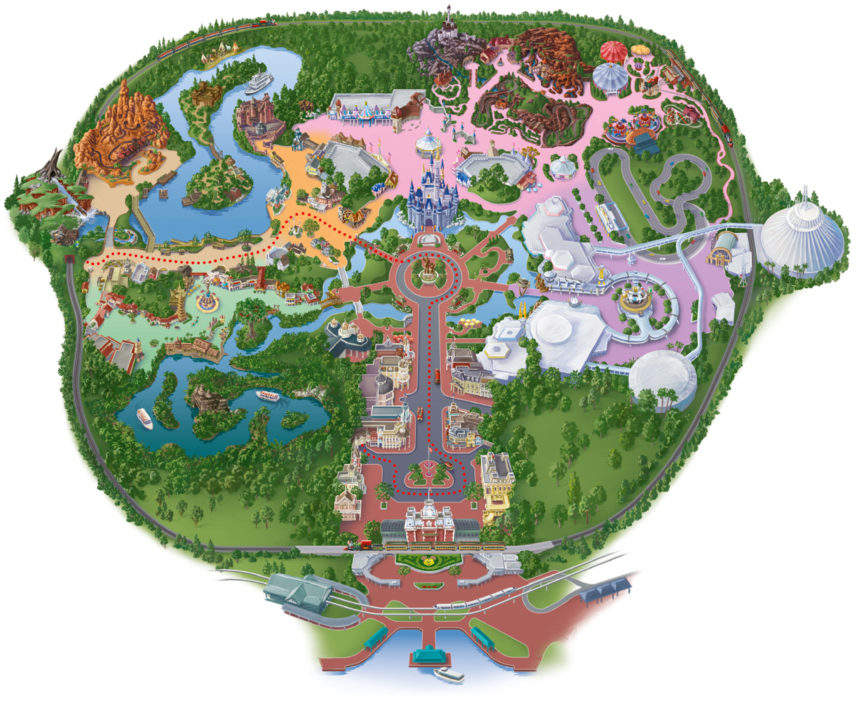
- Magic Kingdom: The original park, home to Cinderella Castle and beloved lands like Fantasyland, Adventureland, Frontierland, Liberty Square, Tomorrowland, and Main Street, U.S.A.
- Epcot: A celebration of global culture and technological innovation, divided into World Showcase and Future World, centered around Spaceship Earth.
- Hollywood Studios: Dedicated to the magic of movies, featuring thrilling attractions like Star Wars: Galaxy’s Edge and the Twilight Zone Tower of Terror.
- Animal Kingdom: A park focused on natural environment and animal conservation, highlighted by the Tree of Life and immersive experiences like Pandora – The World of Avatar and Kilimanjaro Safaris.
- Typhoon Lagoon & Blizzard Beach: Two distinct water parks offering themed slides, wave pools, and relaxation areas.
Beyond these, the resort boasts four championship golf courses (Palm, Magnolia, Oak Trail), two miniature golf courses, and various recreational activities spanning across its interconnected lakes and trails.
Accommodations and Entertainment Hubs
The immense acreage also houses over 25 distinct resort hotels, ranging from value-oriented accommodations like Disney’s Art of Animation Resort to luxurious options such as Disney’s Grand Floridian Resort & Spa and Disney’s Contemporary Resort. Each resort is a destination in itself, often featuring unique theming, dining, and recreational offerings.
For dining, shopping, and nightlife, the resort offers Disney Springs, a sprawling entertainment complex, and the charming BoardWalk area, which offers dining and entertainment options adjacent to Epcot and Hollywood Studios.
The Unseen: Infrastructure and Conservation
Crucially, a significant portion of the 27,000 acres is dedicated to the intricate infrastructure required to support a resort city. This includes extensive transportation networks—from monorail lines connecting Magic Kingdom and several deluxe resorts, to the Disney Skyliner linking Epcot and Hollywood Studios with various resorts like Disney’s Riviera Resort and Disney’s Caribbean Beach Resort, along with a massive fleet of buses and boats. Beyond guest-facing services, there are vast backstage areas, utility plants, water treatment facilities, and immense logistics centers that ensure the seamless operation of the entire destination.
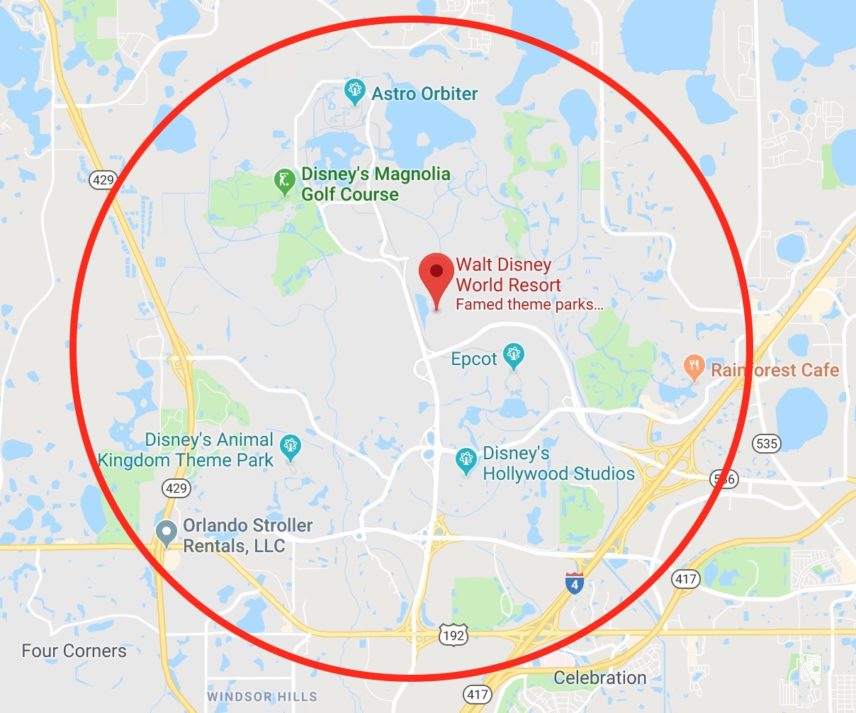
Perhaps surprisingly, a substantial percentage—nearly one-third—of Walt Disney World’s land is preserved as undeveloped green space and dedicated conservation areas. These wetlands, forests, and wildlife habitats demonstrate Disney’s commitment to environmental stewardship alongside its entertainment ventures, creating a natural buffer around the bustling theme parks.
Navigating the Expansive Magic: Tips for Travelers
The sheer scale of Walt Disney World is a double-edged sword: it offers endless possibilities but also presents unique challenges for visitors. Savvy travelers understand how to leverage this vastness to their advantage.
Strategic Planning for Seamless Travel
Given the distances between parks and resorts, meticulous planning is paramount. Impulse decisions for park hopping can lead to significant travel time and exhaustion. Consider grouping park visits by proximity or transportation efficiency. For example, guests staying at Disney’s Polynesian Village Resort have easy monorail access to Magic Kingdom, while those near Epcot’s International Gateway can walk or take a Friendship Boat to Hollywood Studios.
Mastering Disney Transportation
Disney’s internal transportation system is extensive but requires understanding. Buses are available for nearly every destination, but they can be slow due to multiple stops. The monorail offers efficiency for its loop, and the Skyliner gondola system provides a scenic and swift alternative for its routes. For flexibility, especially for early morning reservations or off-resort excursions, ride-sharing services or personal vehicles can be invaluable. Always factor in at least 30-60 minutes for travel between any two points within the resort.
Pacing and Comfort are Key
Trying to “do it all” across 27,000 acres in a single trip is a recipe for burnout. Prioritize attractions and experiences, allowing ample time for breaks, meals, and travel. Comfortable footwear is non-negotiable; guests routinely walk miles within a single park in a day. Hydration is also essential, especially in the Florida heat. The vastness means there’s always something new to discover, so embrace the opportunity to slow down and savor the moments rather than rushing from one end of the resort to the other.
Beyond the Parks: The Ecological and Economic Footprint
The enormity of Walt Disney World extends far beyond its direct impact on guest experiences. Its land use decisions and operational scale have significant environmental and economic repercussions for the region.
A Legacy of Conservation
Walt Disney’s initial vision for Walt Disney World included a significant commitment to environmental planning. This commitment is evident in the substantial portions of land designated as wetlands and conservation areas, which play a crucial role in managing the resort’s complex hydrology, including Bay Lake and Seven Seas Lagoon. These efforts demonstrate how a major travel destination can integrate ecological responsibility into its development, creating a harmonious balance between entertainment and nature. The resort actively manages these areas, undertaking initiatives in water conservation, waste reduction, and habitat preservation, showcasing a unique model for sustainable tourism on a grand scale.
Driving the Central Florida Economy
As one of the world’s premier tourist attractions, Walt Disney World is an economic powerhouse for Orlando and the state of Florida. It directly employs tens of thousands of cast members and indirectly supports countless more jobs in related industries like hospitality, transportation, and retail. The tourism dollars generated by millions of annual visitors flow into local businesses, tax revenues, and community development, making it an indispensable pillar of the regional economy. Its consistent innovation and expansion, facilitated by its vast land holdings within Orange County and Osceola County, ensure its enduring role as a global tourism magnet and a continuous source of economic vitality for the Lake Buena Vista area and beyond.
The immense 27,000-acre footprint of Walt Disney World is not just a number; it is the foundation for an entire world of fantasy, adventure, and meticulously crafted guest experiences. For the traveler, understanding this scale is the first step toward unlocking the full potential of a visit to this iconic Florida destination, transforming what could be an overwhelming journey into an expertly navigated adventure.
LifeOutOfTheBox is a participant in the Amazon Services LLC Associates Program, an affiliate advertising program designed to provide a means for sites to earn advertising fees by advertising and linking to Amazon.com. Amazon, the Amazon logo, AmazonSupply, and the AmazonSupply logo are trademarks of Amazon.com, Inc. or its affiliates. As an Amazon Associate we earn affiliate commissions from qualifying purchases.