
Florida, renowned for its sun-kissed beaches, vibrant cities, and theme park adventures, harbors a wilder side that often surprises visitors: a thriving population of Florida black bears. For tourists venturing beyond the well-trodden paths into the state’s vast natural landscapes, understanding the presence and habits of these magnificent creatures is not just fascinating, but crucial for safety and responsible engagement with the local ecosystem. The question “How many bears in Florida?” leads to an exploration of conservation success, prime wildlife viewing opportunities, and essential tips for coexisting peacefully with Florida’s largest native land mammal.
The Resurgent Florida Black Bear Population
Once on the brink of extinction due to habitat loss and hunting, the Florida black bear (Ursus americanus floridanus) has staged a remarkable comeback, a testament to dedicated conservation efforts. This success story is a point of pride for the state and offers unique opportunities for eco-tourists to witness wildlife in its natural habitat.
From Near Extinction to Thriving
In the mid-20th century, the Florida black bear population dwindled to as few as 300 individuals. Unregulated hunting, coupled with widespread deforestation and development, fragmented their habitats and pushed them to the brink. Recognizing the severity of the situation, the state implemented protective measures, including banning bear hunting, establishing wildlife corridors, and conserving large tracts of natural land. The Florida Fish and Wildlife Conservation Commission (FWC) has been instrumental in monitoring populations, managing habitats, and educating the public. These concerted efforts have allowed the bears to recover, reclaiming much of their historical range. Today, the sight of a Florida black bear in certain wilderness areas is a vivid reminder of nature’s resilience and the impact of dedicated human stewardship.
Current Population Estimates
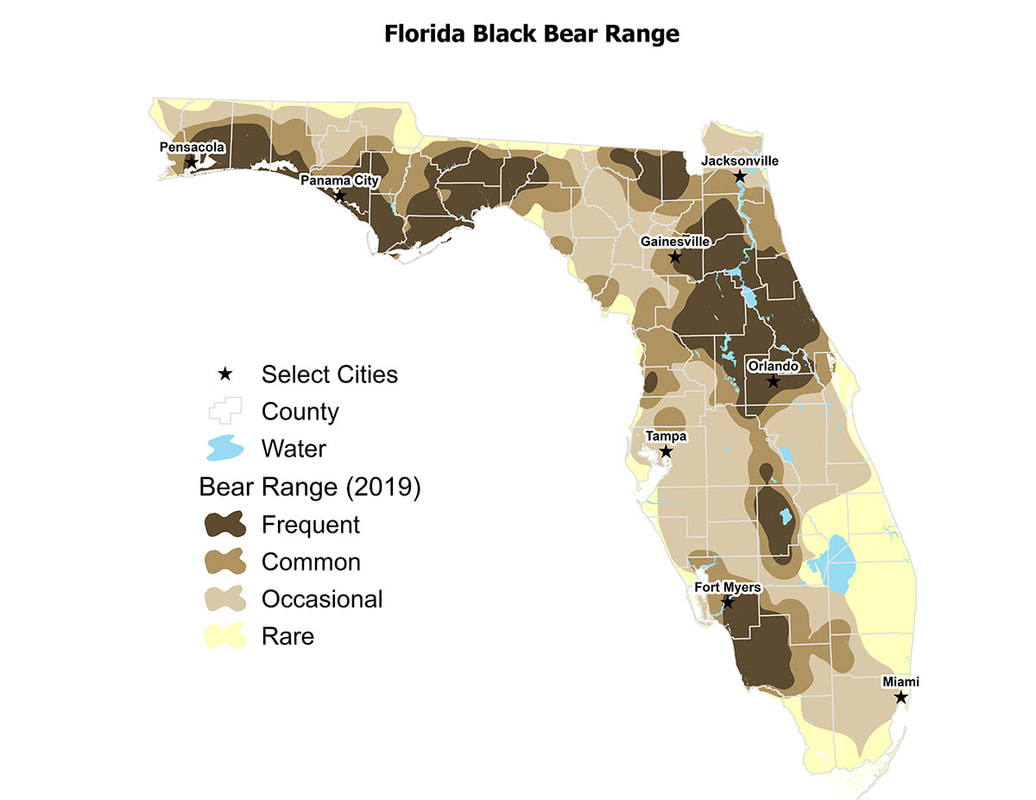
Thanks to rigorous scientific surveys, including DNA analysis and population modeling, the FWC estimates the current Florida black bear population to be over 4,000 individuals. This significant increase underscores the success of conservation programs and positions Florida as a leading example of wildlife recovery. These bears are not evenly distributed across the state; instead, they are concentrated in seven primary population clusters, primarily within large, undeveloped forest systems. For tourists, this means that while bears are present, encounters are most likely in specific wilderness areas, making targeted eco-tourism experiences possible.
Where to Spot (and Respect) Florida’s Bears
For adventurous travelers interested in wildlife, knowing where Florida black bears primarily reside can enhance their visit, provided they adhere to strict guidelines for responsible viewing. These magnificent animals prefer large, contiguous tracts of natural habitat, rich in palmetto thickets, oak hammocks, and wetlands.
Prime Habitats and Natural Areas
Several regions in Florida are known for their significant black bear populations, offering tourists the best opportunities for observation, albeit from a safe distance.
- Ocala National Forest: Located in central Florida, the Ocala National Forest is home to one of the densest bear populations. Its vast expanses of scrub pine, sand pine forests, and numerous springs provide ideal habitat. Hiking trails like the Florida National Scenic Trail wind through areas where encounters are more likely.
- Apalachicola National Forest: In the Panhandle, this forest is another stronghold for Florida black bears. Its diverse ecosystems, including swamps, flatwoods, and river floodplains, support a healthy bear population.
- Big Cypress National Preserve and Everglades National Park: In southwest Florida, these expansive wetlands provide critical habitat. While bears here might be harder to spot due to the dense vegetation and vastness, their presence is significant, particularly in the drier cypress strands.
- St. Johns River and Wekiva River Basins: Areas around the central Florida river systems, particularly near Kissimmee, Seminole County, and west of Orlando, often report bear sightings due to the proximity of suburban development to natural corridors.
- Myakka River State Park: Near Sarasota, this park offers vast wetlands, prairies, and pinelands, known for diverse wildlife, including occasional bear sightings.
- Collier County: Southwestern Florida’s Collier County also maintains a robust bear population, particularly in its eastern wildlands.
When visiting these areas, engaging with local rangers or park staff can provide up-to-date information on recent bear activity and areas to exercise extra caution.
Responsible Wildlife Viewing
The privilege of observing bears in their natural environment comes with a responsibility to minimize human impact and ensure the safety of both animals and people.
- Maintain Distance: Always keep a safe and respectful distance from bears. The FWC recommends at least 100 yards (a football field’s length). Never approach or follow a bear.
- Never Feed Bears: This is paramount. Feeding bears, intentionally or unintentionally, habituates them to human food sources, leading them to associate humans with food. This often results in conflicts and can lead to bears being euthanized for public safety. “A fed bear is a dead bear” is a common and sobering adage.
- Use Binoculars or Telephoto Lenses: To get a closer look, invest in proper equipment that allows for observation without intrusion.
- Stay on Marked Trails: Venturing off-trail can disturb wildlife, destroy habitat, and increase your chances of an unexpected encounter.
- Educate Yourself: Learn about bear behavior. Bears are generally shy and will avoid humans if given the opportunity. Most encounters happen when bears are surprised or feel threatened.

Coexisting with Florida Black Bears: Safety for Tourists
As bear populations rebound and human development continues to expand, interactions between humans and bears are becoming more common, particularly in areas where natural habitats border residential or recreational zones. For tourists, being “bear-smart” is essential, whether camping, hiking, or renting a vacation home near a wilderness area.
Bear-Smart Practices for Campers and Hikers
Outdoor enthusiasts can significantly reduce the risk of bear encounters and ensure their safety by following these practices:
- Store Food Properly: All food, drinks, and scented items (like toiletries, sunscreen) must be stored in bear-resistant containers, hung from a tree at least 10 feet off the ground and 5 feet from the trunk, or locked in a vehicle trunk. Never store food inside tents.
- Dispose of Garbage Carefully: Pack out all garbage, or use bear-resistant dumpsters and trash cans where provided.
- Keep a Clean Camp: Clean up all food scraps and spills immediately. Wash dishes away from your campsite.
- Hike in Groups: Bears are generally more wary of groups of people. Make noise while hiking to avoid surprising a bear, especially in dense vegetation or around blind corners.
- Carry Bear Spray: Learn how to use bear spray effectively and carry it in an accessible location. This is a last-resort deterrent.
- Leash Your Dogs: Pets can provoke bears, leading to defensive attacks. Keep dogs on a leash in bear country.
Protecting Your Property and Food
Even if you’re not camping, but staying in a cabin or vacation rental in or near bear habitat, these tips apply:
- Secure Garbage Cans: Use bear-resistant garbage cans or store trash in a secure location (e.g., garage) until collection day.
- Remove Food Attractants: Bring pet food, bird feeders, and barbeque grills indoors or secure them after use. Clean grills thoroughly.
- Lock Doors and Windows: Bears are surprisingly adept at opening doors and windows, especially if they smell food inside.
What to Do in a Bear Encounter
While rare, encountering a bear can be startling. Knowing how to react can prevent an escalation.
- Do Not Run: Running can trigger a chase response.
- Stand Your Ground and Appear Large: Make yourself look as big as possible, raise your arms, and speak in a firm, loud voice.
- Back Away Slowly: Give the bear an escape route. Do not block its path.
- If a Bear Charges: Most charges are bluff charges. Stand your ground. If contact seems imminent, use bear spray.
- If a Bear Attacks: Fight back aggressively. Aim for the bear’s face and eyes. Do not play dead unless it’s a mother protecting cubs and you’re certain it’s a defensive attack.
The Role of Tourism in Bear Conservation
Responsible tourism plays a vital role in supporting the ongoing conservation of the Florida black bear. When tourists visit natural areas and follow wildlife viewing guidelines, they contribute to the economic viability of these protected spaces and foster a greater appreciation for wildlife.
Supporting Parks and Sanctuaries
By visiting Florida’s state parks, national forests, and wildlife management areas, tourists directly support the agencies responsible for managing these habitats. Entrance fees, merchandise purchases, and participation in guided tours provide crucial funding for maintenance, conservation projects, and staff salaries. Choosing eco-friendly tour operators who prioritize ethical wildlife viewing practices further reinforces sustainable tourism models. Engaging with local businesses that benefit from eco-tourism creates an economic incentive for communities to protect their natural resources, including bear habitats.

Education and Awareness
Every visitor to Florida’s wild spaces has an opportunity to become an ambassador for black bear conservation. Learning about these bears, understanding their ecological importance, and sharing this knowledge with others helps raise awareness about the challenges they face and the successes achieved. Tourists can participate in educational programs offered by parks, read informational signage, and follow the guidelines provided by wildlife officials. By embracing the “Leave No Trace” principles and practicing bear-smart behaviors, tourists contribute to a culture of respect for wildlife and ensure that the Florida black bear continues to thrive for future generations to admire. The presence of a healthy bear population is not just a biological indicator but also a unique attraction that enriches the overall tourism experience in the Sunshine State, offering a glimpse into its wild heart.
LifeOutOfTheBox is a participant in the Amazon Services LLC Associates Program, an affiliate advertising program designed to provide a means for sites to earn advertising fees by advertising and linking to Amazon.com. Amazon, the Amazon logo, AmazonSupply, and the AmazonSupply logo are trademarks of Amazon.com, Inc. or its affiliates. As an Amazon Associate we earn affiliate commissions from qualifying purchases.