
For many, a trip to Florida represents sun-drenched beaches, theme park adventures, and vibrant cities. However, the Sunshine State is also a sprawling natural ecosystem, home to an array of wildlife, including the American alligator. For tourists traveling with beloved canine companions, understanding the potential risks posed by these apex predators is not just advisable but essential for a safe and enjoyable visit. While exact, definitive numbers are challenging to pinpoint due to various reporting mechanisms and undocumented incidents, analyzing available data and expert insights provides a crucial picture for responsible pet ownership in Florida’s unique environment.
Understanding Florida’s Alligator Population and Habitats
Florida’s subtropical climate and abundant freshwater systems create an ideal environment for American alligators. These formidable reptiles have thrived across the state for millennia, making them an integral part of its natural heritage. For visitors, appreciating their presence is the first step toward safe coexistence.
The Ubiquity of Alligators in Florida
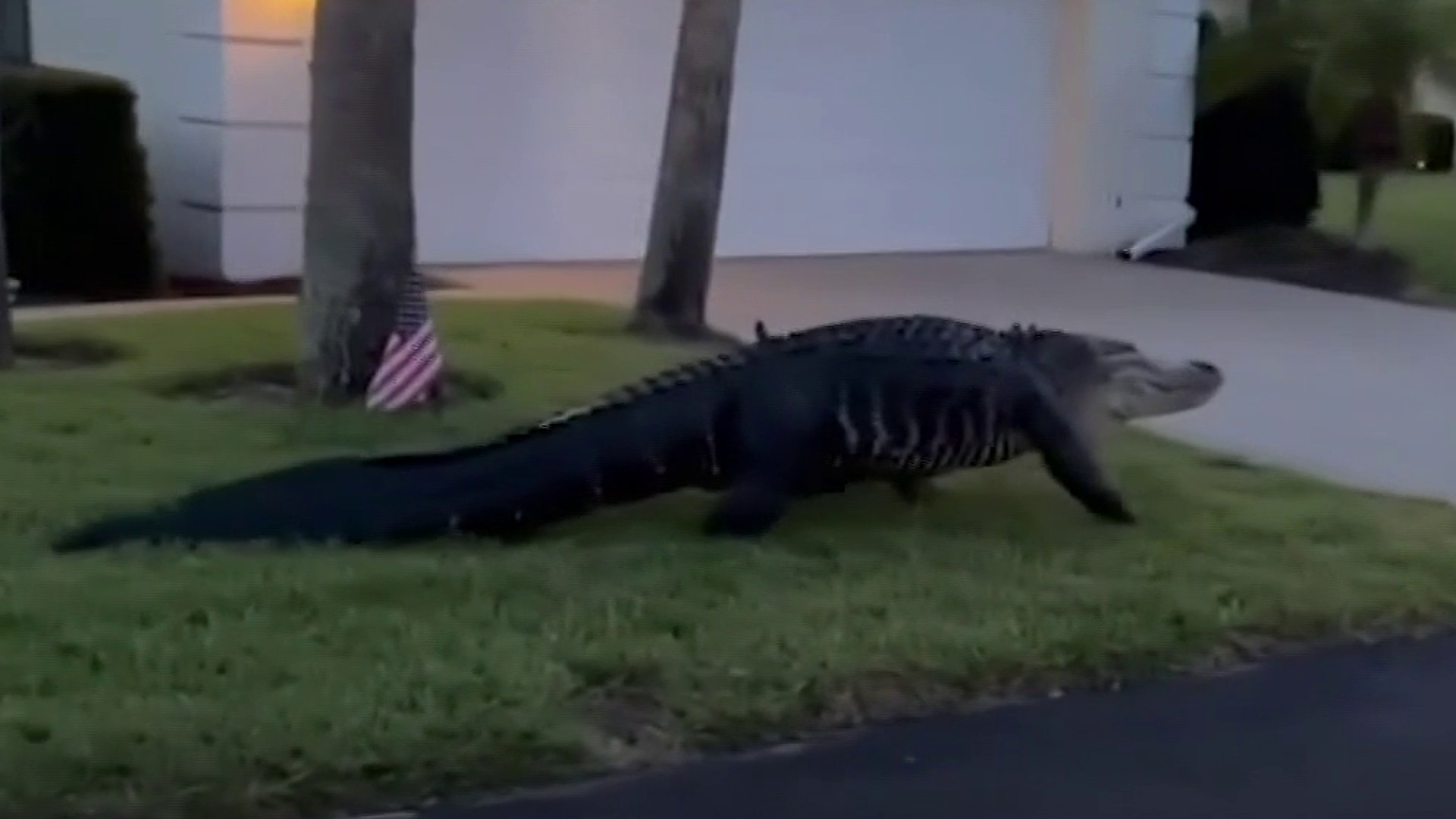
Alligators are not confined to remote swamps; they can be found in virtually every body of freshwater across Florida. This includes lakes, rivers, canals, ponds, golf course water hazards, and even residential swimming pools. Estimates suggest a population well over a million alligators statewide, meaning encounters, particularly in areas near water, are not uncommon. Tourists exploring natural areas such as the Everglades, Myakka River State Park, or along the St. Johns River must recognize that these environments are the alligators’ natural homes. Even urbanized areas like Orlando, Miami, and Tampa have extensive canal systems and retention ponds that frequently host alligators, often unseen until a close encounter occurs.
Prime Alligator Habitats and Tourist Zones
Many of Florida’s most popular tourist destinations and pet-friendly parks are situated near or contain bodies of water where alligators reside. For instance, attractions in the Kissimmee area, famous for its proximity to numerous lakes, or the coastal communities along the Gulf Coast and Atlantic Coast with their intricate canal networks, are all potential alligator territories. It’s crucial for visitors to understand that while these natural spaces offer immense beauty and recreational opportunities, they also require a heightened sense of awareness regarding wildlife. The serene beauty of a lakeside trail or a quiet riverbank can belie the presence of an alligator lurking just beneath the surface.
The Data: Incidents and Trends Involving Pets
While sensationalized headlines might suggest a widespread danger, the reality of alligator attacks on pets, though serious, is relatively rare compared to the overall alligator population and human-pet interactions with natural environments. However, for those affected, the impact is devastating, underscoring the importance of prevention.
Official Records vs. Unreported Cases
The primary source for tracking alligator-related incidents in Florida is the Florida Fish and Wildlife Conservation Commission (FWC). The FWC meticulously documents nuisance alligator complaints and verified bites on humans. While they do not keep a separate, publicly accessible database specifically for pet fatalities, incidents involving pets are often reported as nuisance alligator complaints, especially if the alligator is deemed a threat to public safety.
Anecdotal evidence and local news reports suggest that pet attacks, particularly on dogs, occur more frequently than official FWC figures might individually quantify. Many incidents go unreported to the FWC unless the alligator poses a direct threat to humans or is considered a nuisance requiring removal. This means the actual number of dogs killed by alligators is likely higher than what can be gleaned from official FWC reports alone, making it difficult to put an exact figure on the annual toll. What is clear, however, is that such incidents are a recurring reality in Florida. From cases near Gainesville to residential canals in Naples and sprawling wetlands around Lake Okeechobee, these unfortunate events underscore a constant, albeit low-probability, risk.
Factors Contributing to Encounters
Several factors increase the likelihood of a dog encountering an alligator, particularly when tourists are unfamiliar with local wildlife behaviors. Dogs, by nature, are curious and often attracted to water. Their playful behavior, splashing, and barking can mimic the distress calls of prey animals or appear as an easy meal to an alligator. Small dogs are particularly vulnerable, but even larger breeds are not immune to the power of a determined alligator.
Furthermore, feeding alligators, whether intentionally or unintentionally, habituates them to humans and pets, making them bolder and less fearful. This is illegal and incredibly dangerous. Discarded food scraps near water bodies can also attract alligators, indirectly increasing the risk for pets in the vicinity. The time of day also plays a role; alligators are most active during dawn, dusk, and night, which are often popular times for dog walks in Florida’s cooler hours. Poor visibility during these times further compounds the risk.
Essential Safety Tips for Tourists with Pets in Florida

Minimizing risk requires active participation from pet owners. Tourists visiting Florida with their dogs must adopt specific precautions to ensure their safety and that of their pets.
Leash Laws and Vigilance Near Water
The golden rule for pet owners in Florida is to always keep dogs on a leash, especially near any body of water. Most parks, trails, and public areas have strict leash laws, not only for the safety of other visitors but also specifically to protect pets from wildlife. A dog off-leash can quickly dart into the water, pursuing a bird, a fish, or simply playing, placing it directly in an alligator’s path. Even seemingly calm ponds or drainage ditches can harbor alligators. Maintaining a safe distance from the water’s edge, even with a leash, is crucial. Never allow pets to drink from or swim in canals, lakes, or ponds where alligators may be present.
Avoiding Dawn, Dusk, and Night
As nocturnal and crepuscular hunters, alligators are most active during the low light hours of dawn and dusk, and throughout the night. These are the times when their camouflage is most effective, and they are actively foraging for food. Planning dog walks or outdoor activities during the bright daylight hours significantly reduces the risk of an unexpected encounter. During the day, alligators are generally less active and more visible if they are basking. However, vigilance is still paramount.
Understanding Warning Signs and Alligator Behavior
Tourists should learn to recognize the signs of alligator presence. Look for warning signs posted near water bodies, which are common in Florida parks and natural areas. Be alert for ripple marks in the water or sudden disappearances of ducks and other water birds. A pair of eyes peeking above the water’s surface is a clear indication of an alligator. Also, understand that alligators are opportunistic predators; they generally prefer to avoid confrontation with humans, but they will not hesitate to attack a dog that appears to be easy prey. Never approach an alligator, regardless of its size, and teach children and pets to do the same. If an alligator is spotted, back away slowly and calmly.
What to Do in an Emergency
In the unfortunate event of an alligator attacking a dog, immediate action is critical. If safe to do so, try to make loud noises or throw objects to startle the alligator, but never put yourself in direct danger. The Florida Fish and Wildlife Conservation Commission (FWC) operates a Nuisance Alligator Hotline (866-FWC-GATOR or 866-392-4286). Report the incident immediately to them. The FWC will dispatch a trapper to assess the situation and, if necessary, remove the alligator. This service is vital for public safety and helps prevent future incidents.
Responsible Tourism: Coexisting with Florida’s Wildlife
Visiting Florida offers unparalleled opportunities to experience unique ecosystems. Responsible tourism involves understanding and respecting the local wildlife, particularly when traveling with pets.
Educating Visitors on Local Ecosystems
Tourists have a role in protecting Florida’s natural beauty and ensuring the safety of all its inhabitants. Prior to arrival, take time to research the specific wildlife prevalent in your destination, especially if it’s an area known for its natural attractions like Biscayne National Park or Big Cypress National Preserve. Many Florida state parks and national parks offer educational materials and ranger-led programs that provide valuable insights into local flora and fauna, including alligator safety. Understanding the natural behavior of alligators and other animals helps in adopting appropriate safety measures and fostering a greater appreciation for the state’s biodiversity.
Supporting Conservation Efforts
Respecting wildlife also extends to supporting conservation efforts. Organizations like the Florida Fish and Wildlife Conservation Commission (FWC) work tirelessly to manage alligator populations, educate the public, and ensure the health of Florida’s ecosystems. Adhering to all regulations, such as not feeding wildlife, properly disposing of trash, and respecting protected areas, contributes to a healthier environment for both wildlife and human visitors. Responsible tourism ensures that future generations can also enjoy Florida’s unique natural wonders safely.
Enjoying Florida Safely and Responsibly
Ultimately, the goal is for tourists to enjoy all that Florida has to offer, including its natural beauty, without undue risk to themselves or their pets. While alligator attacks on dogs are a tragic reality, they are largely preventable through awareness, education, and adherence to simple safety protocols. By remaining vigilant, respecting wildlife habitats, and following local guidelines, visitors can ensure their trip to Florida is memorable for all the right reasons, allowing both humans and their canine companions to safely appreciate the wonders of the Sunshine State.
LifeOutOfTheBox is a participant in the Amazon Services LLC Associates Program, an affiliate advertising program designed to provide a means for sites to earn advertising fees by advertising and linking to Amazon.com. Amazon, the Amazon logo, AmazonSupply, and the AmazonSupply logo are trademarks of Amazon.com, Inc. or its affiliates. As an Amazon Associate we earn affiliate commissions from qualifying purchases.