
Florida, a state renowned for its sun-drenched beaches, vibrant cities, and diverse attractions, also stands as a significant magnet for those seeking long-term residency. The question of how many homeowners reside within its borders is not merely a statistical inquiry; it’s a fundamental element shaping the state’s accommodation landscape, particularly for individuals and families looking for extended or permanent stays. Understanding the prevalence of homeownership provides crucial insights into the availability, affordability, and nature of long-term accommodation options, influencing everything from rental markets to the development of new housing solutions.
The allure of Florida is multi-faceted, drawing retirees, young professionals, and families alike with its favorable climate, lack of state income tax, and an abundance of recreational opportunities. This consistent influx of residents has solidified its position as one of the fastest-growing states in the U.S., inevitably impacting housing demand and the overall accommodation sector. While precise figures fluctuate with market dynamics and census updates, data consistently shows a robust homeownership rate in Florida, often hovering around 65-70% of households. This translates to several million homeowner households, making a substantial portion of the state’s residents invested directly in its real estate fabric. This high percentage directly influences the inventory and dynamics of the long-term rental market, which serves those not yet ready or able to purchase a home.
The Foundation of Florida’s Accommodation Market: Homeownership Demographics
Florida’s homeownership rate is a critical metric for anyone analyzing the state’s accommodation sector, especially concerning long-term stays. With millions of households owning their primary residences, this demographic truth establishes the baseline for the housing supply and demand equation. For context, if Florida has approximately 8.5 million households, and the homeownership rate hovers around 67%, this means over 5.6 million households are homeowners. This significant proportion of owner-occupied housing directly impacts the availability of rental units for long-term residents.
The desirability of owning property in Florida stems from various factors. Beyond the obvious lifestyle benefits, real estate in key markets often represents a sound investment. The steady population growth fueled by domestic migration from states like New York and California, combined with an aging demographic seeking retirement havens, continuously underpins demand. This strong owner-occupant base means that a considerable portion of the housing stock is not available for rent, funneling the demand into a more constrained rental pool. For individuals seeking long-term accommodation—be it for work, study, or a transient period before purchasing—this creates a competitive environment where understanding the homeowner demographic is paramount. The number of owned homes effectively reduces the readily available inventory for long-term rentals, influencing rental prices and the types of properties available.
Homeowners as Providers and Consumers of Long-Term Accommodation
The role of homeowners in Florida’s accommodation market extends beyond merely occupying properties. They are simultaneously significant providers and consumers within the long-term stay ecosystem, creating a complex interplay that shapes market dynamics.
The Dual Role in the Rental Market
Many homeowners in Florida do not own just one property. The state is a prime location for second homes, vacation properties, and investment properties. These homeowners, often referred to as “snowbirds” or investors, contribute significantly to the supply of rental accommodation. While some of these properties are designated for short-term vacation rentals through platforms like Airbnb or VRBO, a substantial number are offered for long-term leases, especially during off-peak seasons or by owners who prefer more stable tenancy. This segment of the market provides crucial long-term stay options in areas that might otherwise have limited availability. Conversely, as more individuals transition from renting to owning, they reduce the demand for rental properties, freeing up units for others. This balance between homeowners providing rental stock and reducing rental demand is a delicate one, constantly influenced by economic conditions, interest rates, and migration patterns.
Seasonal and Transitional Stays
Florida’s climate attracts a large population of seasonal residents who spend several months in the state each year, particularly during the colder northern winters. Many of these seasonal residents are homeowners, either owning a second home outright or renting a property for an extended period. For those who own, their properties might sit vacant for part of the year, or they may choose to rent them out for specific periods. This phenomenon is particularly prevalent in regions like South Florida, including Naples and Fort Myers, or the coastal communities along the Gulf Coast. The availability of these “transitional” long-term rentals can fluctuate dramatically with the seasons, impacting affordability and choice for those seeking year-round accommodation. Understanding this ebb and flow is vital for anyone planning a long-term stay in the Sunshine State, as market conditions can shift rapidly between tourist season and the quieter months.
Impact on Long-Term Rental Availability and Affordability
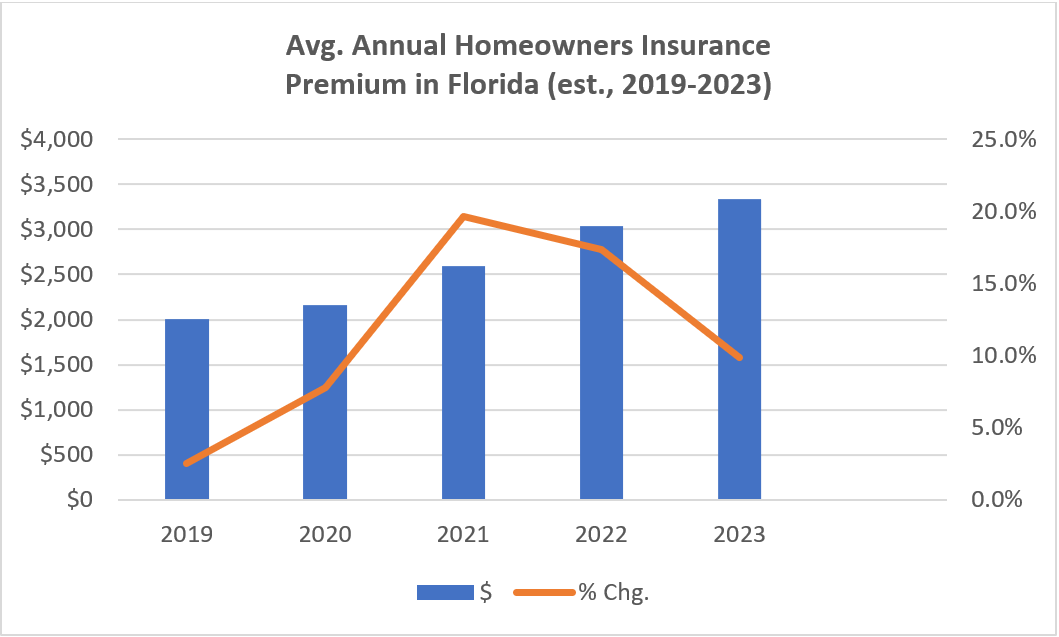
The strong presence of homeowners in Florida, combined with sustained population growth, inevitably exerts considerable pressure on the state’s long-term rental market. This dynamic plays a significant role in determining both the availability and affordability of accommodation for non-homeowners.
When a large percentage of the housing stock is owner-occupied, the remaining rental inventory becomes a finite resource. In a rapidly expanding state like Florida, where new residents are constantly arriving, the demand for these limited long-term rental units often outstrips supply. This imbalance is particularly acute in popular urban centers and desirable coastal communities. Cities such as Miami, Orlando, Tampa, and Jacksonville have experienced significant surges in rental prices, making it challenging for individuals and families to secure affordable long-term accommodation.
The conversion of residential properties into short-term vacation rentals by homeowners further constrains the long-term rental market. While this offers flexibility for property owners and boosts tourism, it reduces the pool of properties available for residents seeking traditional leases. This trend exacerbates the affordability crisis, forcing renters to compete for fewer units at higher prices, often pushing them further away from employment centers or into less desirable neighborhoods. For those seeking long-term stays, this means a more exhaustive search, potentially higher budgets, and greater flexibility regarding location and property type. It underscores the importance of early planning and a realistic understanding of local market conditions when relocating to or within Florida.
Navigating Florida’s Diverse Accommodation Landscape
For those not among the millions of homeowners, navigating Florida’s accommodation landscape requires strategic planning and an understanding of its unique market dynamics. The state offers a range of options for long-term stays, but availability and suitability vary widely by region and demand.
Beyond Traditional Renting
In a market heavily influenced by homeownership, individuals seeking long-term accommodation may need to look beyond conventional apartment or house rentals. Extended-stay hotels, for instance, offer furnished units with amenities, making them suitable for transitional periods, corporate relocations, or even longer durations for those who prefer flexibility over a fixed lease. Corporate housing providers also specialize in fully furnished apartments for stays of a month or more, catering to business professionals or families on temporary assignments. Furthermore, in some communities, particularly those popular with seasonal residents, homeowners may offer private rooms or accessory dwelling units (ADUs) for long-term rental. Exploring these alternatives can unlock viable options, especially in areas where traditional rental inventory is scarce or prohibitively expensive. This also includes exploring co-living spaces or even fractional ownership opportunities in certain resort areas, providing a sense of ownership without the full financial commitment.
Regional Nuances for Long-Term Settlers
The accommodation market in Florida is not monolithic; it exhibits significant regional variations. In established urban centers like Fort Lauderdale, West Palm Beach, or Sarasota, competition for long-term rentals is fierce, and prices reflect high demand and often limited new construction. These areas tend to have a higher proportion of luxury apartments and condominiums, with fewer affordable options. Conversely, in some emerging suburban areas or more rural parts of the state, particularly in the Florida Panhandle or central Florida away from major tourist hubs, more traditional single-family home rentals might be available. Retirement communities, while often geared towards homeownership, sometimes have rental programs for independent living units, offering a specialized long-term stay experience. Understanding these regional differences is paramount for finding suitable long-term accommodation that aligns with both budget and lifestyle preferences.
The Future of Long-Term Stays in a Growing State
Florida’s trajectory as a growth state suggests that the dynamics between homeownership and long-term accommodation will continue to evolve. Demographic shifts, including a sustained influx of new residents and an aging population, will influence both the demand for owner-occupied housing and the need for diverse long-term rental options.
Continued population growth implies sustained pressure on both housing sales and rentals. As more people move to the state, the number of homeowners will likely increase, further solidifying the owner-occupied base. Simultaneously, there will always be a segment of the population—newcomers, young professionals, those in transitional life stages—who require long-term rental accommodation. This necessitates thoughtful urban planning and housing development strategies. Developers are increasingly focusing on mixed-use communities that integrate both ownership and rental opportunities, including build-to-rent single-family homes and dedicated multi-family rental complexes, to address this diverse demand.
Policymakers and urban planners in Florida face the challenge of ensuring a balanced and accessible accommodation market. This includes encouraging the development of affordable housing options, potentially regulating the balance between short-term and long-term rentals in certain areas, and incentivizing construction that caters to a wider range of income levels. The aim is to prevent a scenario where a high homeownership rate inadvertently stifles the availability of long-term accommodation for a significant portion of the population, thereby hindering economic growth and social equity. Ultimately, the question of how many homeowners in Florida is a key indicator not just of property trends, but of the broader capacity and character of the state’s long-term accommodation sector for years to come.
LifeOutOfTheBox is a participant in the Amazon Services LLC Associates Program, an affiliate advertising program designed to provide a means for sites to earn advertising fees by advertising and linking to Amazon.com. Amazon, the Amazon logo, AmazonSupply, and the AmazonSupply logo are trademarks of Amazon.com, Inc. or its affiliates. As an Amazon Associate we earn affiliate commissions from qualifying purchases.