
Florida, often dubbed the Sunshine State, presents a dynamic and complex housing market characterized by an intricate blend of permanent residences, seasonal homes, and a burgeoning vacation rental sector. Quantifying the exact number of “homes” in Florida is a multifaceted endeavor, as the definition itself can vary depending on whether one considers only primary owner-occupied dwellings, all residential units, or includes properties predominantly used for short-term accommodation. The state’s unique demographics, driven by consistent population growth, tourism, and a favorable climate, perpetually reshape its housing inventory.
Understanding Florida’s Diverse Accommodation Landscape
Florida’s housing ecosystem is defined by its remarkable diversity, catering to a wide spectrum of residents and visitors. From bustling metropolitan areas to tranquil coastal towns and expansive rural landscapes, the types of homes available mirror the varied lifestyles sought within the state. This diversity makes a simple numerical count challenging, as different categories of housing stock serve distinct purposes and demographics.
Primary Residences vs. Seasonal Stays
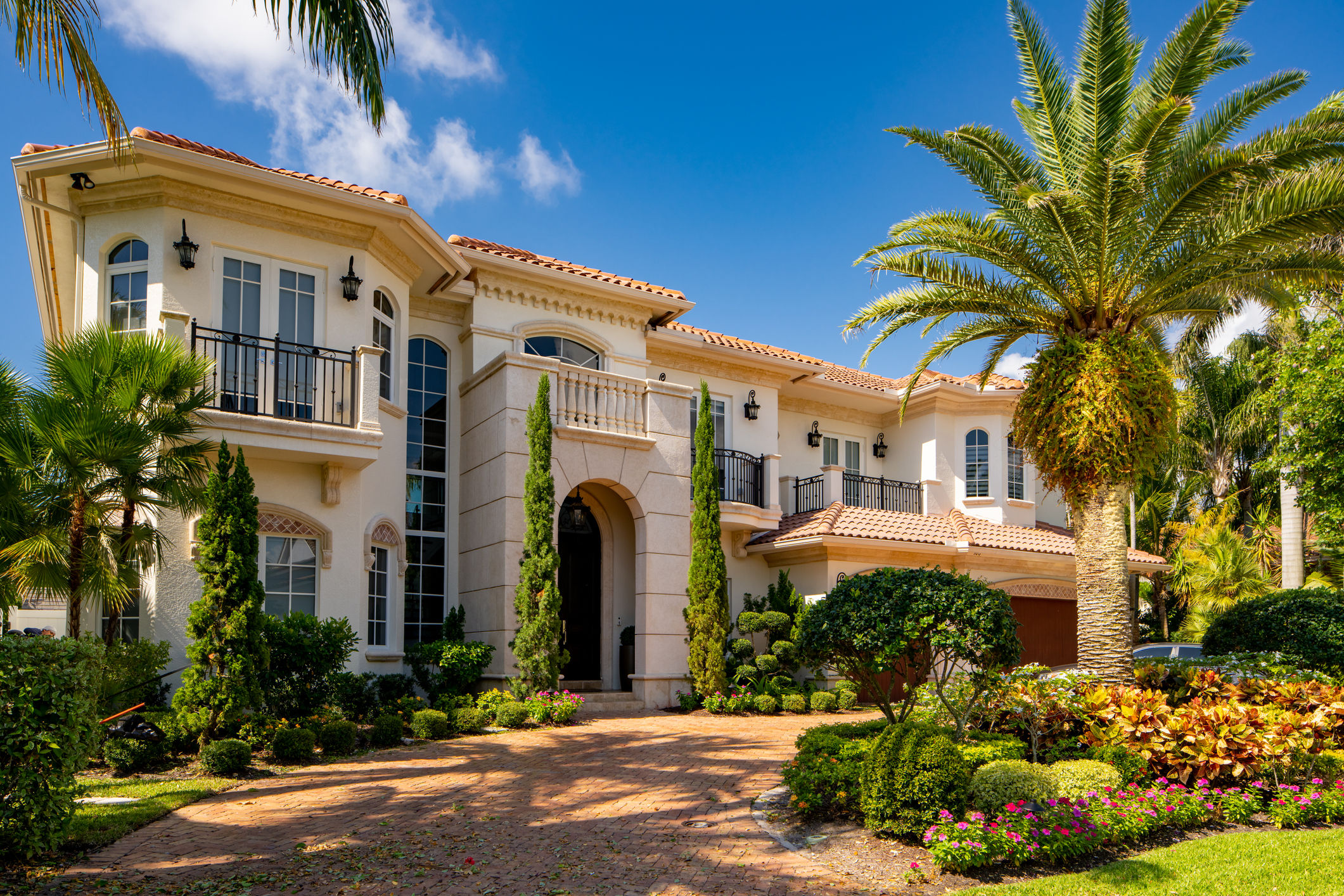
A significant portion of Florida’s housing stock serves as primary residences for its rapidly expanding population. The state consistently ranks among the fastest-growing in the United States, attracting thousands of new residents annually. These homes range from single-family houses in suburban communities like those found around Orlando and Tampa, to condominiums and townhouses prevalent in urban centers such as Miami and Fort Lauderdale.
However, a substantial and distinctive feature of the Florida accommodation market is its robust inventory of seasonal and second homes. These properties are often owned by individuals who reside in colder climates for most of the year, using their Florida properties during winter months. This category includes everything from waterfront condos in Sarasota to expansive villas in golf communities across the state. The prevalence of these seasonal properties introduces a fluctuating occupancy rate, with many homes remaining vacant for several months of the year, yet still contributing to the overall housing count. This segment significantly impacts local housing markets, influencing everything from property values to the demand for seasonal services.
The Impact of Population Growth on Housing Inventory
Florida’s allure, stemming from its warm climate, no state income tax, and abundant recreational opportunities, consistently fuels its population boom. This continuous influx of new residents places immense pressure on the housing supply, necessitating ongoing construction and development. According to various demographic analyses, the state’s population growth directly translates into a sustained demand for new housing units, encompassing both single-family homes and multi-family developments. This growth isn’t uniform; regions like Southwest Florida and the Greater Orlando area have experienced particularly rapid expansion, leading to a visible transformation of their residential landscapes. Understanding the number of homes thus requires acknowledging this dynamic expansion, where the count is always in flux, driven by both organic growth and inward migration.
Deconstructing the Numbers: What Constitutes a “Home”?
To accurately gauge the number of homes in Florida, it’s essential to categorize the diverse forms of residential accommodation. Official statistics, such as those provided by the U.S. Census Bureau, typically count “housing units,” which encompass a broad range of structures intended for residential occupancy. As of recent estimates, Florida typically has over 10 million housing units, a figure that continues to grow annually. This comprehensive count includes all forms of permanent and semi-permanent residential structures.
Single-Family Dwellings and Condominiums
Single-family homes form the traditional backbone of Florida’s housing market, particularly in suburban and rural areas. These detached properties offer privacy and yard space, appealing to families and those seeking a quieter residential experience. The sprawl of single-family housing developments is a common sight across the state, from the northern panhandle to the southern tip.
Condominiums, on the other hand, are prominent in coastal cities and urban centers like Miami Beach, Naples, and Jacksonville. They offer a more compact living solution, often with shared amenities and lower maintenance responsibilities. High-rise condos define the skylines of many Florida cities, providing dense urban living and often offering spectacular views of the ocean or cityscapes. These multi-family units contribute significantly to the total housing unit count, especially in areas where land is at a premium.
The Rise of Vacation Rentals and Short-Term Stays
The explosion of the vacation rental market has added another layer of complexity to quantifying “homes.” Platforms like Airbnb and VRBO have transformed countless residential properties into short-term accommodation options, particularly in tourist hotspots such as Orlando (near Walt Disney World Resort), Miami, and along the Emerald Coast. While these properties are technically housing units, their primary use shifts from long-term residential to transient guest accommodation. Many municipalities in Florida have grappled with regulating this sector, distinguishing between owner-occupied residences and investment properties primarily used for short-term rental income. The inclusion of these units blurs the line between traditional homes and hotel-like accommodations, yet they are undeniably part of Florida’s overall accommodation capacity. The number of active short-term rental listings can fluctuate greatly with seasons and demand, but they represent a substantial, ever-present component of the state’s total housing stock.
Manufactured and Mobile Homes

An often-overlooked but significant segment of Florida’s housing inventory comprises manufactured and mobile homes. These affordable housing options are prevalent in many communities, particularly in retirement areas and less densely populated regions. Mobile home parks and manufactured housing communities provide accessible accommodation for a diverse demographic, including retirees, seasonal residents, and lower-income families. While they differ in construction and often ownership models from traditional stick-built homes, they are indeed housing units that provide primary or secondary residences for a considerable number of Floridians. Their inclusion is crucial for a complete picture of the state’s residential capacity.
Key Regions and Their Accommodation Profiles
The distribution and types of homes vary significantly across Florida’s diverse regions, reflecting local economies, demographics, and geographical features.
Urban Centers: Miami, Orlando, and Tampa
In major metropolitan areas like Miami, Orlando, and Tampa, the housing stock is characterized by a high density of multi-family units, including condominiums, apartments, and townhouses. These areas are magnets for young professionals, diverse communities, and those seeking vibrant urban lifestyles. Miami, in particular, boasts a striking skyline dominated by residential high-rises, often attracting international buyers and investors. Orlando, a global tourism hub, also sees a substantial number of purpose-built vacation rental communities and apartments catering to the service industry workforce. Tampa and its surrounding areas, including St. Petersburg and Clearwater, feature a mix of suburban single-family homes alongside growing urban residential developments catering to its expanding tech and finance sectors.
Coastal Communities and Resort Areas
Along Florida’s extensive coastline, from the Panhandle to the Florida Keys, residential properties often double as resort accommodations. Cities like Naples, Sarasota, and Destin are known for their luxurious waterfront homes, beachfront condominiums, and a high proportion of seasonal residences. These areas experience significant seasonal population surges, with many homes owned as investment properties for short-term rentals during peak tourist seasons. The housing inventory here is heavily influenced by proximity to beaches, marinas, and golf courses, making properties highly desirable for both long-term residents and transient visitors.
Inland and Rural Housing Patterns
Moving inland, away from the immediate coastlines and major cities, the housing landscape shifts towards a higher proportion of single-family homes on larger lots. Regions like Lakeland, Gainesville, and parts of North Florida feature more traditional residential communities, often with a greater emphasis on affordability. Agricultural areas and smaller towns often have a mix of older, established homes and newer developments designed to accommodate growth without the extreme density seen in urban cores. Manufactured homes also play a more prominent role in providing accessible housing in these areas.
Market Dynamics and Future Trends
The number of homes in Florida is not static; it is constantly evolving due to various market forces and development trends. Understanding these dynamics is crucial for comprehending the state’s current and future accommodation capacity.
Affordability and Accessibility
Despite the abundance of housing units, affordability remains a significant challenge across much of Florida. Rapid population growth, coupled with increased demand for both primary and secondary residences, has driven up housing prices and rental costs. This has led to an increased focus on developing more accessible housing options, including affordable apartment complexes and master-planned communities designed to offer a range of price points. The goal is to ensure that Florida’s housing market can accommodate its diverse workforce and new residents without exacerbating affordability crises.
New Construction and Development
To meet the ever-growing demand, new construction remains a cornerstone of Florida’s housing strategy. Developers are continually building new residential communities, from sprawling suburban subdivisions to high-rise urban towers. Permitting and construction data consistently show thousands of new housing starts annually, reflecting the state’s commitment to expanding its accommodation capacity. These new developments often incorporate modern amenities, sustainable building practices, and a variety of housing types to appeal to different market segments. The scale of new construction directly influences the overall number of available homes, adding hundreds of thousands of units over a decade.
The Influence of Investment Properties
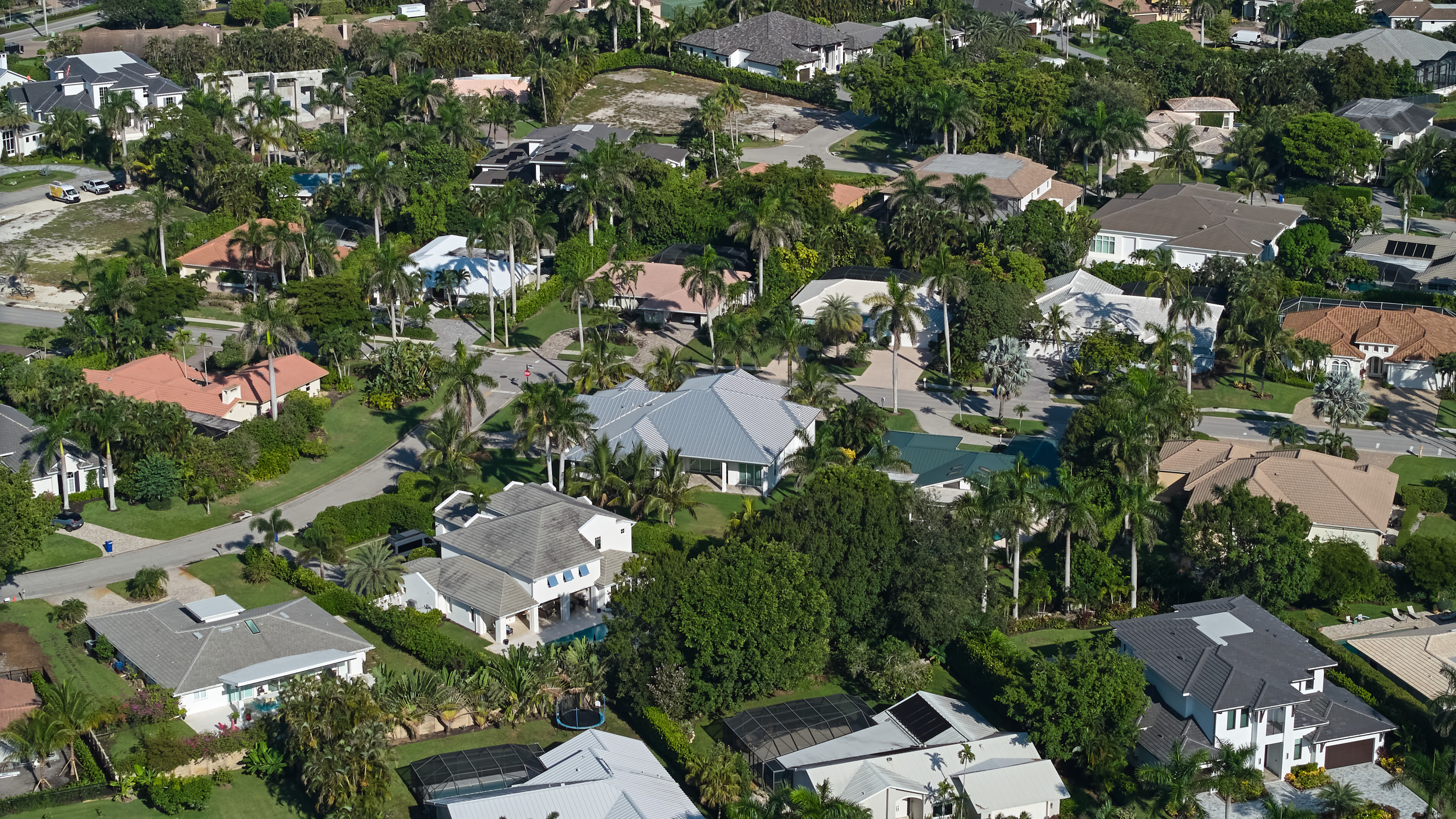
Investment properties, whether for long-term rental income or short-term vacation rentals, form a substantial part of Florida’s housing stock. The state’s appeal as a tourist destination and a relocation hub makes real estate an attractive investment. This influx of investor-owned homes impacts local housing markets by reducing the supply of properties available for primary residents, potentially driving up prices. However, it also provides crucial accommodation options for tourists and seasonal visitors, supporting the state’s vital tourism economy. Balancing the needs of residents with the economic benefits of investment properties remains a key challenge for urban planners and policymakers across Florida, directly influencing the total number and types of homes available at any given time.
In conclusion, while a precise, immutable number of homes in Florida is elusive due to the continuous evolution of its real estate market and diverse definitions of “home,” the state consistently maintains over 10 million housing units. This figure encompasses a broad spectrum of accommodations, from single-family residences and urban condominiums to seasonal dwellings and a thriving short-term rental inventory, all shaped by ongoing population growth, investment trends, and distinct regional characteristics.
LifeOutOfTheBox is a participant in the Amazon Services LLC Associates Program, an affiliate advertising program designed to provide a means for sites to earn advertising fees by advertising and linking to Amazon.com. Amazon, the Amazon logo, AmazonSupply, and the AmazonSupply logo are trademarks of Amazon.com, Inc. or its affiliates. As an Amazon Associate we earn affiliate commissions from qualifying purchases.