
Florida, often celebrated for its sun-drenched beaches, vibrant cities, and theme parks, possesses an equally captivating, albeit less-publicized, natural wonder: an astounding number of lakes. For travelers seeking an escape into nature, a fishing adventure, or simply a tranquil lakeside retreat, understanding the scope of Florida’s freshwater resources is key to unlocking unique travel experiences. The sheer abundance of these aquatic jewels shapes much of the state’s geography, ecology, and recreational opportunities, offering a refreshing contrast to its coastal allure.
Florida’s Aquatic Wonderland: Unveiling the Numbers
When pondering the question, “How many lakes are in Florida?”, the answer is far more complex and impressive than many imagine. The state is, quite literally, riddled with water bodies, making it a true freshwater haven. This extensive network of lakes, rivers, and wetlands forms the backbone of Florida’s interior landscape and ecological diversity, drawing visitors keen to explore beyond the coastline.
The Official Tally and Its Nuances
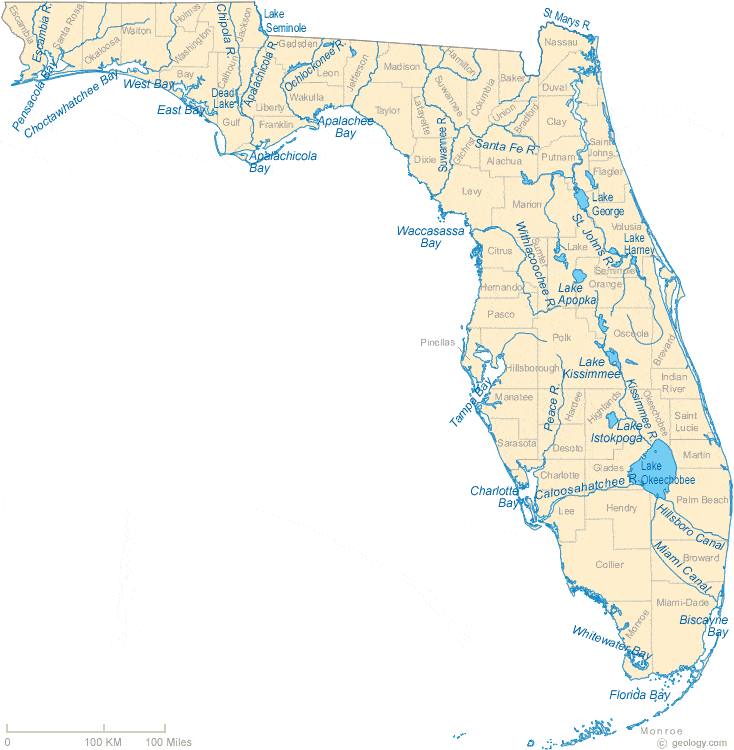
While an exact, universally agreed-upon number can be elusive due to varying definitions, scientific estimates and geographical surveys paint a clear picture of abundance. The U.S. Geological Survey (USGS) and the Florida Department of Environmental Protection generally acknowledge over 7,700 lakes in the state. This figure typically refers to natural lakes with a surface area of at least one acre. However, if one includes smaller ponds, artificial reservoirs, and wetlands that function similarly to lakes, the number could easily soar into the tens of thousands. This vast hydrological network is a defining characteristic of the Sunshine State, influencing everything from climate to recreation. For the discerning traveler, this means an almost limitless array of aquatic destinations, each offering distinct charms and activities.
More Than Just a Number: What Defines a Florida Lake?
The definition of a “lake” can vary significantly, impacting the official count. In Florida, a lake is generally considered a body of standing water, distinct from rivers or streams, and typically fed by rainfall, groundwater, or surface runoff. Many Florida lakes are shallow, especially in the central and southern regions, and are often interconnected, forming vast “chains of lakes.” These interconnections create complex ecosystems and facilitate extensive boating and paddling routes, offering unparalleled travel experiences. The geological history of Florida, characterized by limestone bedrock, has led to numerous sinkhole lakes formed by collapsing caverns, adding another layer of natural wonder to its aquatic landscape. Understanding these distinctions helps travelers appreciate the unique geological and ecological stories behind each body of water they encounter.
Exploring Florida’s Lake-Centric Destinations
With thousands of lakes spread across the state, selecting a destination for a lake-focused trip can be an exciting challenge. From expansive freshwater seas to intimate, spring-fed oases, Florida’s lakes offer a diverse palette of experiences for every type of traveler. Each region presents its own unique aquatic personality and opportunities for engagement.
Central Florida’s Chain of Lakes: A Boater’s Paradise
Central Florida is arguably the epicenter of Florida’s lake culture. Here, you’ll find the majestic Lake Okeechobee, the largest freshwater lake in the state and the second largest entirely within the United States. Lake Okeechobee is a world-renowned bass fishing destination, attracting anglers from across the globe. Beyond Okeechobee, the region boasts incredible “chains of lakes” perfect for multi-day boating adventures. The Kissimmee Chain of Lakes, including Lake Tohopekaliga (often called Lake Toho) and Lake Kissimmee, offers extensive navigable waterways, airboat tours, and prime spots for wildlife viewing, particularly for alligators and diverse bird species. Further north, near Orlando, the Butler Chain of Lakes offers crystal-clear waters for waterskiing, wakeboarding, and luxury lakeside living, providing a more upscale aquatic experience. Cities like Kissimmee, Winter Haven, Leesburg, and Clermont serve as excellent bases for exploring these freshwater networks, blending natural beauty with convenient access to amenities and other attractions like the Walt Disney World Resort and Universal Orlando Resort.
North Florida’s Serene Lake Retreats and Spring-Fed Gems
North Florida presents a different, often more tranquil, lakeside experience. This region is famous for its numerous natural springs, many of which feed into or form beautiful lakes. Lake Jackson near Tallahassee is a unique disappearing lake, periodically draining into a sinkhole, offering a fascinating natural phenomenon for visitors. The region around Gainesville and Lake City provides access to lakes within or adjacent to vast national forests like the Osceola National Forest and the Ocala National Forest. These areas are ideal for camping, hiking, and primitive lake exploration, appealing to travelers seeking a more rugged, immersive nature experience. Lakes like Lake George, an expansive wide spot on the St. Johns River, offer excellent fishing and birdwatching opportunities.
South Florida’s Unique Aquatic Landscapes and the Everglades
While South Florida is synonymous with coastal glamour and the vast wetlands of the Everglades, it also contains smaller, crucial lakes that are integral to its unique ecosystem. The Everglades National Park itself is often described as a “river of grass,” but within its expanse are numerous shallow lakes and ponds, vital habitats for wading birds, alligators, and the elusive Florida panther. Airboat tours provide an exhilarating way to experience these unique aquatic environments, offering a perspective unlike any other lake experience in the state. Cities like Naples and Fort Lauderdale serve as gateways to these extraordinary natural attractions, blending high-end travel with access to world-class ecological exploration.
Crafting Your Florida Lake Travel Experience
Planning a trip centered around Florida’s lakes offers a refreshing alternative or complement to the state’s more famous attractions. The diversity of experiences ensures that every traveler can find their perfect aquatic adventure, from serene relaxation to thrilling watersports.
Activities and Adventures: From Kayaking to Bass Fishing
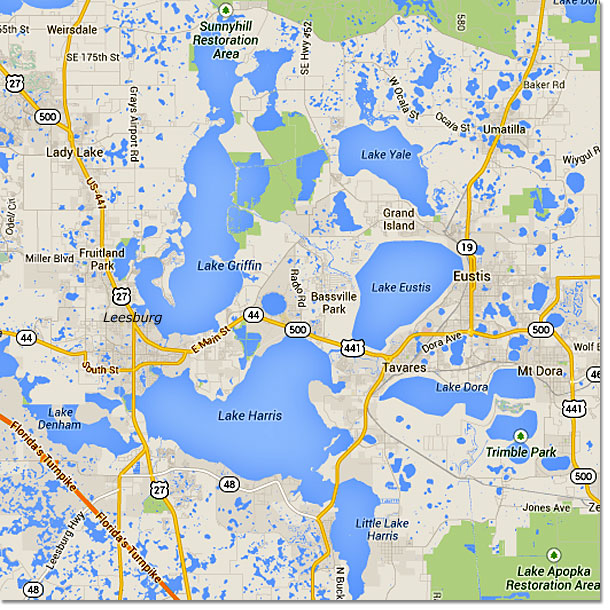
Florida’s lakes are a playground for a multitude of activities. Anglers flock to them for unparalleled bass fishing, with trophy catches regularly reported in lakes like Okeechobee and the Kissimmee Chain. Kayaking and paddleboarding are popular ways to explore quieter coves and observe wildlife, especially in smaller, spring-fed lakes or sections of the St. Johns River. Powerboating, waterskiing, and jet-skiing thrive on the larger lakes, particularly in Central Florida, where expansive open waters provide ample space for thrills. Many lakeside parks and public access points offer swimming beaches, picnic areas, and hiking trails, allowing visitors to combine water activities with land-based exploration. Consider visiting charming towns like Mount Dora or Tavares, which offer picturesque waterfronts, unique shops, and excellent dining options, complementing a day on the water.
Choosing the Perfect Lakeside Stay
Accommodation options around Florida’s lakes are as varied as the lakes themselves. Travelers can opt for rustic cabins and campsites within state parks and national forests for an immersive nature experience. Private vacation rentals, ranging from cozy cottages to luxurious villas, often boast private docks and lake access, perfect for families or groups. Dedicated lakeside resorts and hotels, particularly around major chains of lakes like the Harris Chain (including Lake Harris, Lake Griffin, and Lake Eustis), provide amenities like boat rentals, guided tours, and dining. For those seeking unique charm, historic bed and breakfasts in towns like Mount Dora offer a delightful blend of comfort and local culture, often just steps from the water.
Essential Tips for a Memorable Lake Vacation
To make the most of your Florida lake adventure, consider these travel tips:
- Sun Protection: The Florida sun is intense, even on cloudy days. Pack sunscreen, hats, and sunglasses.
- Insect Repellent: Especially during warmer months or at dawn/dusk, insect repellent is crucial, particularly in marshier areas.
- Hydration: Always carry plenty of water, especially when engaging in water sports or hiking.
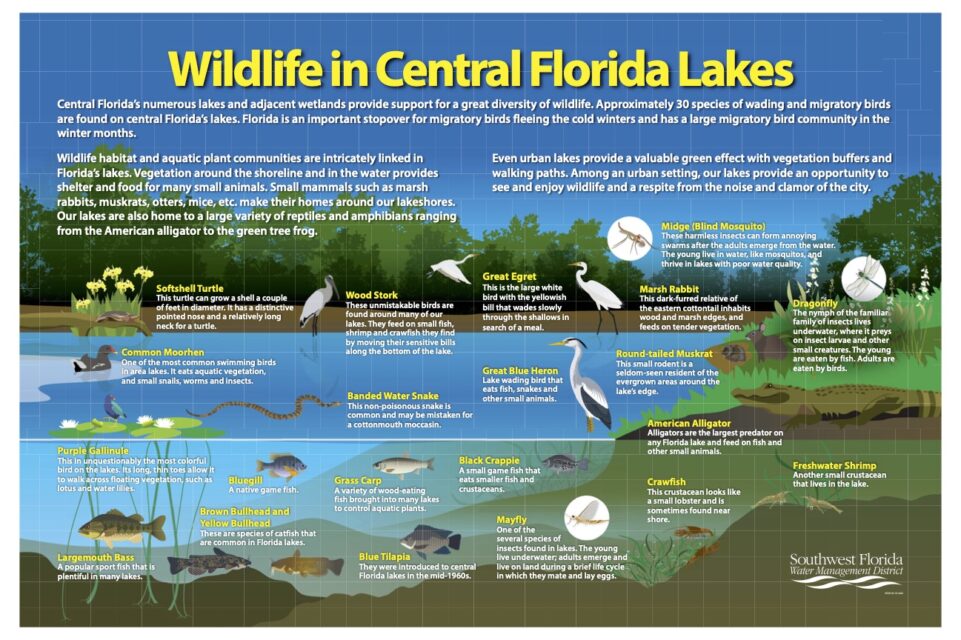
- Wildlife Awareness: Florida lakes are home to diverse wildlife, including alligators. Observe from a distance and never feed wild animals.
- Boat Safety: If renting a boat, familiarize yourself with local regulations and safety guidelines. Always wear a life vest.
- Seasonal Considerations: While many lakes are enjoyable year-round, fishing can be exceptional in spring and fall, while summer is ideal for swimming and watersports.
The Broader Appeal: Lakes as Catalysts for Florida Tourism
Beyond individual experiences, Florida’s lakes play a vital role in shaping the state’s overall tourism landscape, attracting specific demographics and supporting a sustainable approach to travel. Their presence diversifies Florida’s offerings, extending its appeal beyond its famed coastlines.
Ecotourism and Conservation: Sustaining Florida’s Natural Heritage
The vast network of lakes and associated wetlands are critical habitats for a staggering array of plant and animal species, many of which are unique to Florida. This rich biodiversity makes Florida’s lakes prime destinations for ecotourism. Birdwatchers flock to areas like Lake Kissimmee and the Everglades to spot wading birds, raptors, and migratory species. Guided nature tours, kayaking excursions, and interpretive centers educate visitors about these delicate ecosystems and the importance of conservation. Travelers seeking meaningful, low-impact travel experiences will find Florida’s lakes to be invaluable resources for connecting with nature and supporting environmental preservation efforts. State parks like the ones along the St. Johns River provide protected access to these natural wonders.
Local Economies Thriving on Lake Recreation
The thousands of lakes in Florida are not just ecological treasures; they are significant economic drivers for many inland communities. Small towns nestled along lake shores, such as Mount Dora, Tavares, and Leesburg in the Lake County area, thrive on tourism generated by boating, fishing tournaments, and lakeside festivals. Marinas, tackle shops, boat rental companies, lakeside restaurants, and accommodations all benefit from the steady stream of visitors drawn to the freshwater. The sport fishing industry alone contributes billions to Florida’s economy, largely thanks to its world-class lakes. By choosing a lake-centric vacation, travelers not only enjoy unique experiences but also directly support these local economies and the communities that steward these invaluable natural resources. Whether it’s the famous Lake Dora or the expansive Lake Weir, these bodies of water are more than just geographical features; they are vibrant hubs of activity and vital components of Florida’s diverse appeal.
LifeOutOfTheBox is a participant in the Amazon Services LLC Associates Program, an affiliate advertising program designed to provide a means for sites to earn advertising fees by advertising and linking to Amazon.com. Amazon, the Amazon logo, AmazonSupply, and the AmazonSupply logo are trademarks of Amazon.com, Inc. or its affiliates. As an Amazon Associate we earn affiliate commissions from qualifying purchases.