
Understanding the precise distance to Florida is often the first step in planning an unforgettable trip to the Sunshine State. While seemingly a straightforward question, the answer largely depends on your starting point and your intended destination within this diverse peninsula. Florida is a vast state, stretching over 400 miles from its northern border with Georgia and Alabama down to the Florida Keys, and each region offers a unique experience. Therefore, calculating “how many miles away” isn’t just about a single number but about pinpointing your specific travel parameters.
Understanding the Geographical Scope of Florida
Before diving into specific distances, it’s crucial to appreciate the geographical scale of Florida. Known for its extensive coastline along both the Atlantic Ocean and the Gulf of Mexico, its interior is characterized by expansive wetlands, pine forests, and numerous freshwater springs and lakes. From the bustling metropolitan areas in the south to the historic charm of the panhandle, the state offers a mosaic of environments.
What “Florida” Means for Travelers
For many, “Florida” immediately conjures images of theme parks and pristine beaches. However, the state is much more than Walt Disney World or South Beach. It encompasses a range of distinct travel experiences:
- Central Florida: Home to major theme parks like Walt Disney World Resort and Universal Orlando Resort, primarily centered around Orlando.
- South Florida: Famous for its vibrant cities like Miami and Fort Lauderdale, known for their nightlife, arts scenes, and proximity to the Everglades National Park. The string of islands forming the Florida Keys, culminating in Key West, offers a distinct Caribbean-like atmosphere.
- Southwest Florida: Characterized by its beautiful Gulf Coast beaches, upscale communities like Naples, and nature preserves.
- North Florida: Offers a more traditional Southern charm, with historic cities like St. Augustine (the oldest continuously inhabited European-established settlement in the U.S.) and the state capital, Tallahassee. The Florida Panhandle boasts stunning white-sand beaches, particularly around Destin and Panama City Beach.
- East Central Florida: Features the Space Coast around Cape Canaveral and the Kennedy Space Center, alongside popular surfing destinations like Cocoa Beach.
Key Entry Points: Major Cities and Airports
When considering distances, travelers typically target one of Florida’s major urban centers or their associated international airports. These serve as primary gateways for air travel and central hubs for road trips:
- Orlando International Airport (MCO)
- Miami International Airport (MIA)
- Fort Lauderdale-Hollywood International Airport (FLL)
- Tampa International Airport (TPA)
- Jacksonville International Airport (JAX)
- Southwest Florida International Airport (RSW) (serving Fort Myers and Naples)
Each of these points represents a distinct “distance” from your origin, influencing both the total mileage and travel time.
Calculating Your Journey: Distance from Major US Hubs
To provide a practical understanding, let’s explore approximate distances from various major U.S. cities to popular Florida destinations. These figures are road mileage and will vary slightly based on specific routes and starting points within each city.
East Coast Departures
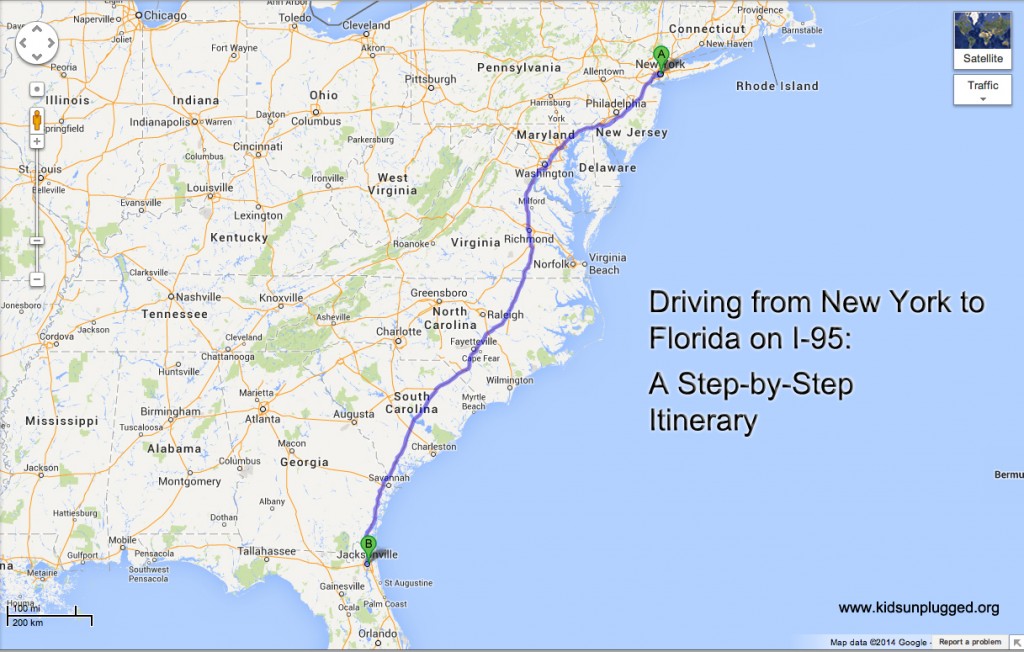
Travelers from the Northeast and Mid-Atlantic states often opt for a drive, especially if carrying significant luggage or traveling with family. The primary interstate for this journey is I-95, offering a relatively direct route south.
- From New York City, New York:
- To Jacksonville: Approximately 850-900 miles (13-15 hours driving)
- To Orlando: Approximately 1,050-1,100 miles (16-18 hours driving)
- To Miami: Approximately 1,280-1,300 miles (20-22 hours driving)
- From Washington D.C.:
- To Jacksonville: Approximately 650-700 miles (10-12 hours driving)
- To Orlando: Approximately 800-850 miles (13-15 hours driving)
- To Miami: Approximately 1,000-1,050 miles (16-18 hours driving)
- From Atlanta, Georgia:
- To Jacksonville: Approximately 350 miles (5-6 hours driving)
- To Orlando: Approximately 450 miles (7-8 hours driving)
- To Miami: Approximately 660 miles (10-11 hours driving)
Midwest Considerations
For those in the Midwest, a drive to Florida is a common annual pilgrimage, especially during colder months. Routes typically involve I-75 or I-65 connecting to other major interstates heading south.
- From Chicago, Illinois:
- To Orlando: Approximately 1,150 miles (18-20 hours driving)
- To Tampa: Approximately 1,170 miles (18-20 hours driving)
- To Miami: Approximately 1,350 miles (21-23 hours driving)
- From Detroit, Michigan:
- To Orlando: Approximately 1,100 miles (17-19 hours driving)
- To Miami: Approximately 1,280 miles (20-22 hours driving)
West Coast Expeditions

Travelers from the West Coast almost exclusively fly to Florida due to the vast distances involved. A road trip would typically span multiple days and cover thousands of miles.
- From Los Angeles, California:
- To Orlando: Approximately 2,500 miles (38-40 hours driving, multiple days)
- To Miami: Approximately 2,700 miles (40-42 hours driving, multiple days)
- From Seattle, Washington:
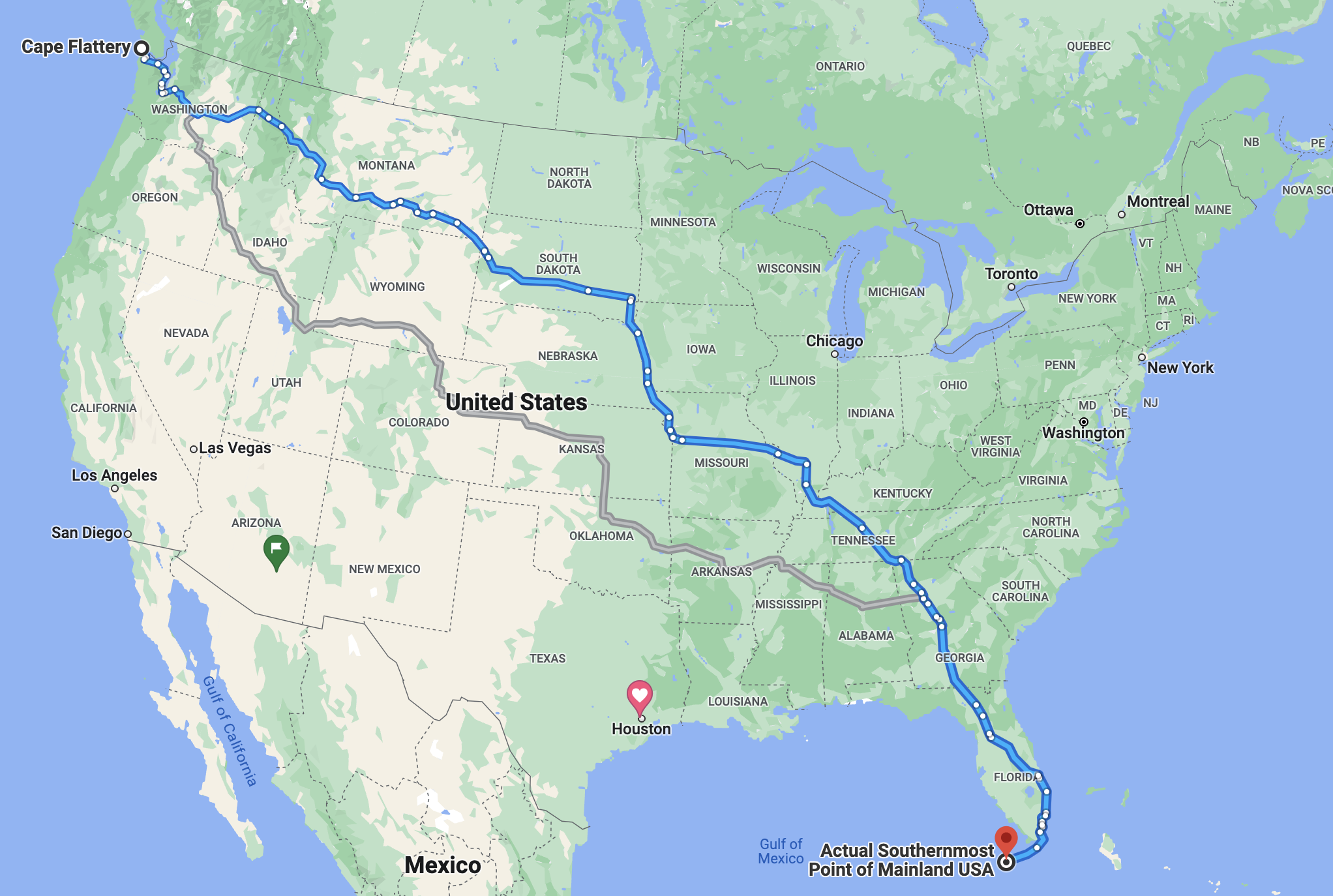
- To Orlando: Approximately 3,000 miles (45-48 hours driving, multiple days)
More Than Just Miles: Factors Influencing Travel Time
While mileage provides a baseline, actual travel time is influenced by several critical factors, especially for road trips.
Mode of Transportation: Air, Road, Rail
- Air Travel: This is undeniably the fastest way to cover long distances to Florida. A direct flight from New York to Orlando might take around 2.5-3 hours. From Chicago, it’s roughly 2.5-3.5 hours. West Coast flights can range from 4.5 to 6 hours for direct routes. However, door-to-door travel time includes getting to the airport, security, boarding, and deplaning, often adding 3-4 hours to the flight duration.
- Road Travel: As illustrated above, driving times can range from a few hours for neighboring states to multiple days for cross-country journeys. Factors like speed limits, rest stops, and meal breaks significantly extend the pure driving time.
- Rail Travel (Amtrak): Amtrak offers service to various Florida cities, including Orlando and Miami. While a scenic option, it is considerably slower than flying. For example, a train journey from New York to Orlando can take 20-24 hours.
Traffic and Road Conditions
Florida’s popularity as a destination means its major arteries, particularly I-4 (through Orlando), I-95 (along the Atlantic Coast), and I-75 (through the Gulf Coast), can experience significant congestion. Weekends, holidays, and peak travel seasons (e.g., spring break, winter holidays) often lead to substantial delays, especially around major cities and attractions. Construction projects are also a perpetual reality.
Seasonal Variations and Peak Travel Times
The “best” time to visit Florida often coincides with increased traffic and higher demand, impacting travel times and costs.
- Winter (December-February): Snowbirds flock from colder climates, increasing traffic, especially in southern Florida.
- Spring Break (March-April): College students and families create surges in travel, particularly to beach towns and theme parks.
- Summer (June-August): While hot, families still travel for theme park vacations, though afternoon thunderstorms can affect travel plans.
- Fall (September-November): Generally less crowded, but hurricane season runs through November and can disrupt travel with severe weather or evacuations.
Planning around these peak times can significantly affect your journey, sometimes adding hours to an otherwise straightforward drive.
Planning Your Florida Adventure: Beyond the Map
Once you’ve calculated the miles and considered travel time, the real planning for your Florida adventure begins. The state’s diversity means there’s something for every type of traveler.
Choosing Your Destination Within Florida
Your choice of destination within Florida is paramount.
- Theme Park Enthusiasts: Orlando is the clear choice, offering unparalleled access to Walt Disney World, Universal Orlando Resort, SeaWorld Orlando, and numerous other attractions.
- Beach Lovers: The options are extensive. For vibrant nightlife and celebrity spotting, Miami Beach is ideal. For family-friendly shores and calmer waters, the Gulf Coast (e.g., Clearwater, Siesta Key) is popular. The Florida Panhandle boasts stunning emerald waters and sugar-white sands.
- Nature and Wildlife Seekers: The Everglades National Park offers unique ecosystems and wildlife viewing. The natural springs in Central and North Florida are perfect for swimming, snorkeling, and kayaking.
- History Buffs: St. Augustine offers a journey back in time with its Spanish colonial architecture and historical sites.
- Space Enthusiasts: A visit to the Kennedy Space Center Visitor Complex is a must, offering an inspiring look into space exploration.
Essential Travel Planning Tips
- Book in Advance: Especially for flights and popular accommodations, booking ahead can secure better prices and availability, particularly during peak seasons.
- Consider Travel Insurance: Given hurricane season and unexpected travel disruptions, travel insurance can offer peace of mind.
- Rent a Car (or Plan Ride-Shares): While some cities like Miami have public transport, a rental car offers the most flexibility for exploring Florida’s diverse regions. In Orlando, ride-sharing services are readily available to theme parks.
- Stay Hydrated and Protect from the Sun: Florida’s climate demands constant hydration and sun protection, regardless of the season.
- Check Local Event Calendars: Your visit might coincide with a festival, concert, or sporting event that enhances your experience.
Ultimately, “how many miles away is Florida?” is more than a simple query. It’s the gateway to considering the vast and varied experiences that await you, prompting a deeper dive into travel logistics, regional specialties, and personal preferences to craft the perfect Florida getaway.
LifeOutOfTheBox is a participant in the Amazon Services LLC Associates Program, an affiliate advertising program designed to provide a means for sites to earn advertising fees by advertising and linking to Amazon.com. Amazon, the Amazon logo, AmazonSupply, and the AmazonSupply logo are trademarks of Amazon.com, Inc. or its affiliates. As an Amazon Associate we earn affiliate commissions from qualifying purchases.