
Florida, with its stunning coastlines, warm waters, and vibrant marine life, is an undeniable magnet for tourists seeking sun-drenched beaches and aquatic adventures. Millions flock to its shores annually, eager to swim, surf, dive, and simply relax by the Atlantic Ocean or the Gulf of Mexico. Understandably, a common concern that surfaces for potential visitors, especially those with families, revolves around the prevalence of shark activity. While media portrayals often sensationalize shark encounters, understanding the actual statistics and context is crucial for informed tourism and safety. The reality is far less dramatic than often perceived, yet an informed approach to beach recreation is always prudent.
Understanding the Reality of Florida Shark Incidents
Despite its reputation, the risk of a shark encounter in Florida remains remarkably low, especially when compared to other everyday risks. For tourists planning their aquatic activities, separating fact from fiction is key to enjoying the state’s natural beauty without undue anxiety. Shark incidents, while rare, do occur, and Florida consistently leads the United States in the number of unprovoked bites. This statistic, however, needs to be placed into a broader perspective, accounting for the sheer volume of human-ocean interactions that happen daily across the state.
The Global and Local Context
Globally, the number of unprovoked shark bites has seen fluctuations but generally remains low. The International Shark Attack File (ISAF), maintained by the Florida Museum of Natural History at the University of Florida, is the primary global database for shark incidents. It meticulously tracks confirmed unprovoked shark bites. For the past several decades, the United States has led the world in the number of unprovoked shark bites, and within the U.S., Florida consistently accounts for the majority of these incidents.
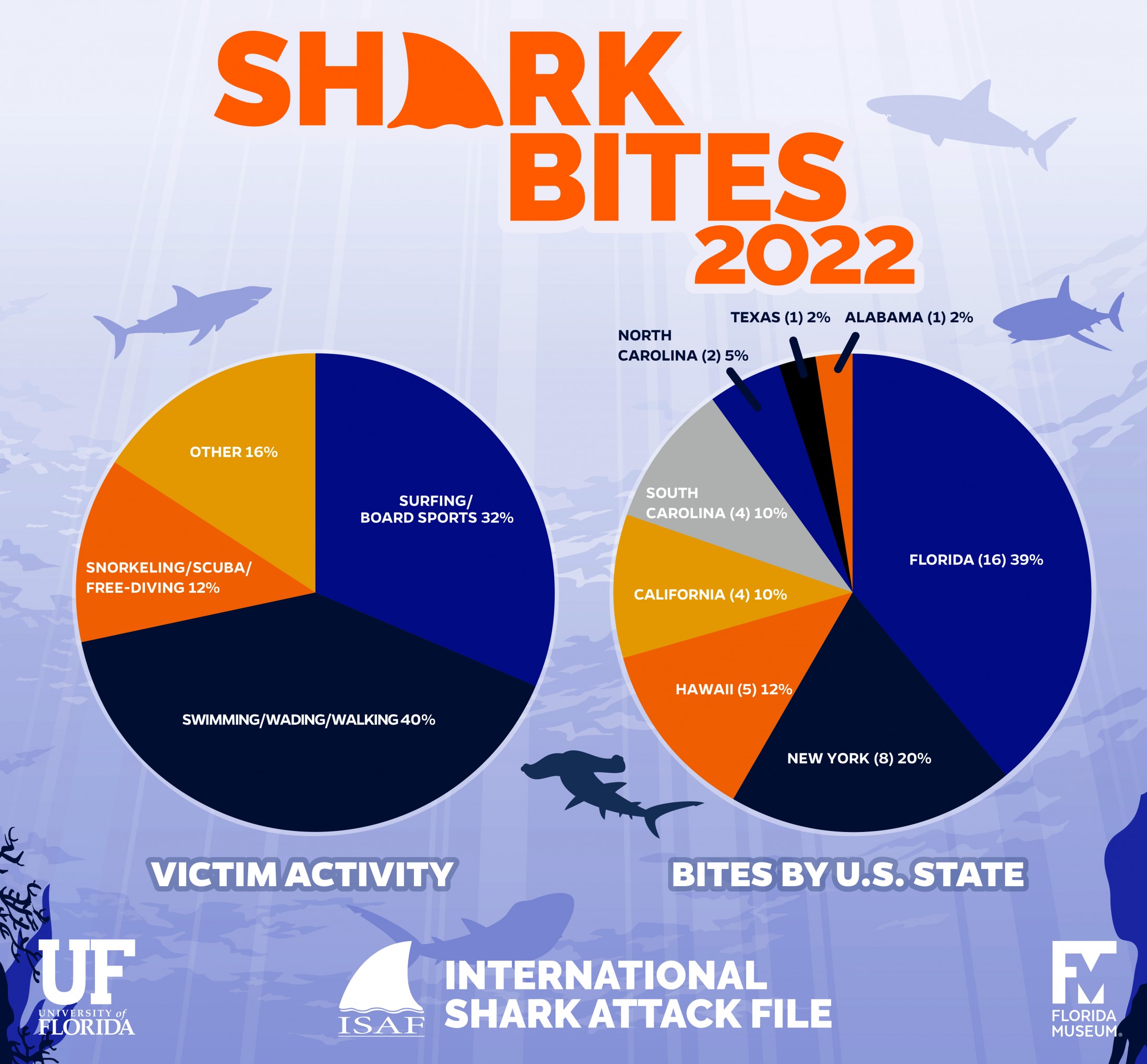
In 2022, for instance, the ISAF reported a global total of 57 unprovoked shark bites, with 41 of those occurring in the United States. Of the U.S. total, 16 took place in Florida, representing nearly 40% of the nation’s total. This trend is not new; Florida has held this position for many years. However, it is imperative to remember that these 16 incidents occurred amidst tens of millions of people entering Florida’s waters. The probability of being bitten remains infinitesimally small. To put it in perspective, one is far more likely to be struck by lightning or involved in a fatal car accident than to suffer a shark bite in Florida.
Key Data and Trends
The data from the ISAF also reveals important trends that inform tourists. The vast majority of shark incidents in Florida are not fatal, and many are best described as “bites” rather than “attacks.” These often involve quick, exploratory bites by smaller sharks, resulting in minor injuries that do not require extensive medical intervention. The types of sharks involved are typically smaller coastal species such as blacktip sharks, spinner sharks, and occasionally bull sharks, which are known to inhabit shallow, nearshore waters.
The numbers generally peak during certain times of the year, particularly during late spring and summer months (April through October), coinciding with peak tourism season and higher water temperatures. This period also aligns with various shark migration patterns and mating seasons, bringing them closer to shore. Understanding these seasonal variations can help tourists make informed decisions about when and where they choose to engage in water activities, though vigilance is always recommended regardless of the season.
Popular Florida Beaches and Shark Activity
While shark incidents can technically occur anywhere along the Florida coast, certain areas consistently report higher numbers. This concentration is not due to sharks being inherently more aggressive in these locations but rather a confluence of environmental factors and human behavior. For tourists, knowing which regions have historically higher activity can contribute to a more informed and cautious approach to beach tourism.
Volusia County – The World’s Shark Bite Capital
Volusia County, specifically the area around New Smyrna Beach and Ponce Inlet, holds the unofficial title of the “Shark Bite Capital of the World.” This region consistently accounts for a significant percentage of Florida’s total shark incidents, often seeing more unprovoked bites than any other single county in the world. But why Volusia County?
The primary reasons are environmental:
- Geography: The geography of Ponce Inlet, with its deep channel and strong currents, creates an ideal hunting ground for baitfish, particularly during migration seasons. These baitfish, in turn, attract a high concentration of sharks, especially blacktip and spinner sharks, which are responsible for the majority of bites.
- Surf Conditions: The region is renowned for its excellent surfing conditions, particularly at New Smyrna Beach. This draws an enormous number of surfers and swimmers into the water, leading to a higher number of human-shark interactions simply due to increased presence in prime shark feeding areas.
- Water Clarity: The generally murky waters of New Smyrna Beach can reduce visibility for both sharks and humans, increasing the likelihood of an accidental encounter. Sharks may mistake a splashing limb for a fish, and swimmers may not see an approaching shark until it’s too late.
While New Smyrna Beach reports the highest numbers, it’s crucial for tourists to understand that most incidents here are “nip and run” bites, rarely life-threatening, and often involve juveniles. Local authorities are highly vigilant, employing shark spotters and issuing warnings when activity is high.
Other High-Activity Regions

While Volusia County is the epicenter, other Florida counties also report shark incidents, though far less frequently. Brevard County (home to Cocoa Beach) and St. Johns County (near St. Augustine) are two other areas that occasionally see elevated numbers. Similar factors contribute to incidents in these regions, including proximity to inlets, strong currents, and baitfish schools, all of which attract sharks.
It is important for tourists visiting any Florida beach to be aware of their surroundings and local conditions, rather than solely focusing on a county’s historical statistics. Beaches are dynamic natural environments, and shark activity can vary day by day.
Debunking Myths and Assessing Risk for Tourists
The media’s portrayal of sharks as ruthless, human-hunting machines is largely inaccurate. Most shark incidents are not premeditated “attacks” but rather investigatory bites, mistaken identity, or defensive reactions. Understanding this distinction is vital for tourists to properly assess the minimal risk involved in enjoying Florida’s marine environments.
What Attracts Sharks to Florida’s Shores?
Sharks are drawn to Florida’s coast for the same reasons many marine species are: abundant food sources and suitable habitats. The state’s warm waters, extensive estuaries, and proximity to major migration routes create a rich ecosystem.
- Baitfish Schools: Massive schools of baitfish, such as mullet, migrate along the Florida coastline at various times of the year. This natural phenomenon acts as a siren call for predatory sharks.
- Deep Channels and Inlets: Areas like Ponce Inlet serve as natural pathways for marine life, concentrating both prey and predators.
- Warm Water: Tropical and subtropical waters are preferred habitats for many shark species found in Florida, including bull sharks, blacktip sharks, and spinner sharks.
- Reproduction: Many species utilize Florida’s shallow, protected waters as nurseries for their young, increasing the number of sharks closer to shore during certain seasons.
Human activities can inadvertently increase the likelihood of an encounter. Fishing activities, particularly chumming or discarding bait, can attract sharks closer to swimming areas. Similarly, swimming at dawn or dusk, when sharks are often most active, can elevate risk.
The “Attack” vs. “Bite” Distinction
It is crucial for tourists to understand the difference between a “shark attack” as depicted in popular culture and a “shark bite” as recorded by scientific bodies like the ISAF. The vast majority of incidents in Florida are unprovoked bites, often described as a single, quick snap-and-release. These are typically cases of mistaken identity, where a shark, operating in murky water or low light, mistakes a swimmer’s or surfer’s limb for a small fish. The shark quickly realizes its error and swims away. These bites usually result in superficial lacerations or puncture wounds, rarely requiring extensive surgery or resulting in fatalities.
Fatal shark attacks are exceedingly rare globally, and even more so in Florida. When they do occur, they are typically the result of larger, more aggressive species and involve sustained feeding behavior rather than a single exploratory bite. The fear of a shark attack is often disproportionate to the actual danger, fueled by sensationalized media and anecdotal stories rather than scientific data. For tourists, recognizing that most incidents are minor and accidental can significantly reduce anxiety.
Essential Safety Tips for Florida Beachgoers
While the risk is low, prudence is always advised. Following basic safety guidelines can further minimize the already remote chance of a shark encounter and ensure a more enjoyable and secure Florida beach experience. These tips are widely promoted by lifeguards and marine experts.
Best Practices for Reducing Risk
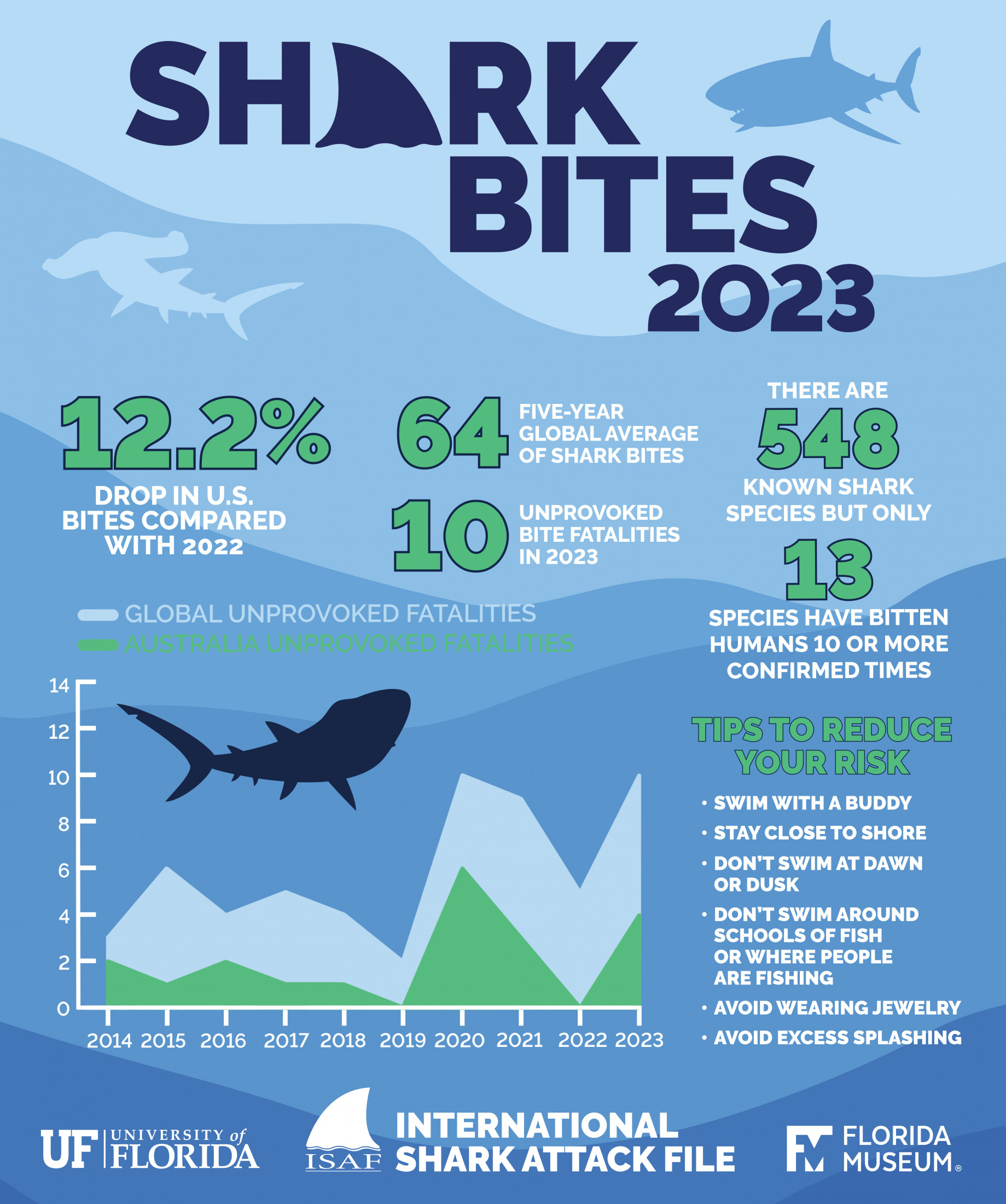
- Swim in Groups: Sharks are more likely to approach solitary individuals. Group swimming provides safety in numbers.
- Stay Close to Shore: The majority of shark bites occur in shallow, nearshore waters. However, staying closer to shore also allows for quicker access to safety and lifeguard assistance if needed.
- Avoid Dawn and Dusk: Sharks are most active during these low-light periods. Avoid swimming or surfing during these times.
- Don’t Wear Shiny Jewelry: The reflection from jewelry can resemble fish scales, attracting curious sharks.
- Avoid Areas with Heavy Fishing Activity: Areas where people are fishing or cleaning fish can attract sharks.
- Steer Clear of Inlets and Estuaries: These areas often have murky water and strong currents, and are natural habitats for sharks.
- Do Not Swim Near Baitfish Schools: If you see large schools of fish or signs of fish feeding (e.g., diving birds), exit the water.
- Avoid Erratic Movement: Splashing or erratic swimming can mimic the behavior of a distressed fish, potentially attracting sharks.
- Heed Local Warnings: Always pay attention to lifeguard warnings, beach flags, and local advisories regarding marine life.
- Don’t Harass Marine Life: Never attempt to touch or feed sharks or any other marine animal.
What to Do in an Encounter
If you find yourself in the unlikely event of an encounter with a shark:
- Remain Calm: Panicking and thrashing can attract further attention.
- Maintain Eye Contact: Sharks are ambush predators; maintaining eye contact can deter them.
- Slowly Back Away: Do not turn your back and swim frantically. Maintain visual contact and slowly move towards shore.
- Defend Yourself: If a shark does bite, fight back. Hit the shark on sensitive areas like the eyes or gills. This is a rare, last-resort measure.
- Seek Medical Attention: Even minor bites should be checked by a medical professional due to the risk of infection.
Enjoying Florida’s Aquatic Attractions Safely
Florida’s beaches and waters offer an unparalleled tourism experience, from the vibrant surf of Daytona Beach to the tranquil keys. The risk of a shark encounter, while a legitimate concern for some, is statistically very low. By understanding the factual data, recognizing high-activity areas like Volusia County, and adhering to sensible safety precautions, tourists can confidently enjoy the vast majority of Florida’s aquatic attractions. The joy of swimming in warm, clear waters, surfing the waves, or simply wading along the shore far outweighs the remote possibility of an adverse shark interaction. Awareness, not fear, is the key to a memorable and safe Florida vacation.
LifeOutOfTheBox is a participant in the Amazon Services LLC Associates Program, an affiliate advertising program designed to provide a means for sites to earn advertising fees by advertising and linking to Amazon.com. Amazon, the Amazon logo, AmazonSupply, and the AmazonSupply logo are trademarks of Amazon.com, Inc. or its affiliates. As an Amazon Associate we earn affiliate commissions from qualifying purchases.