
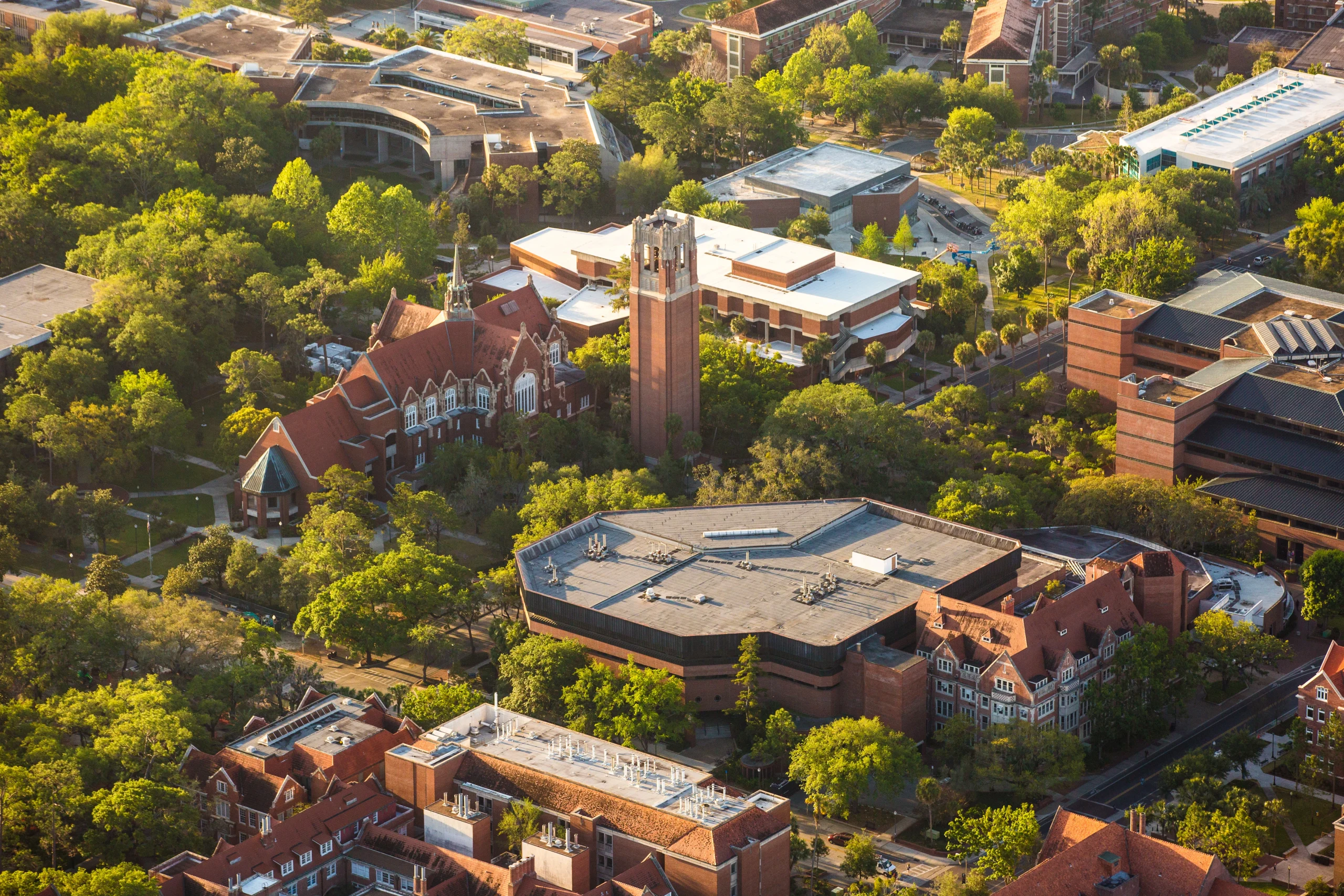
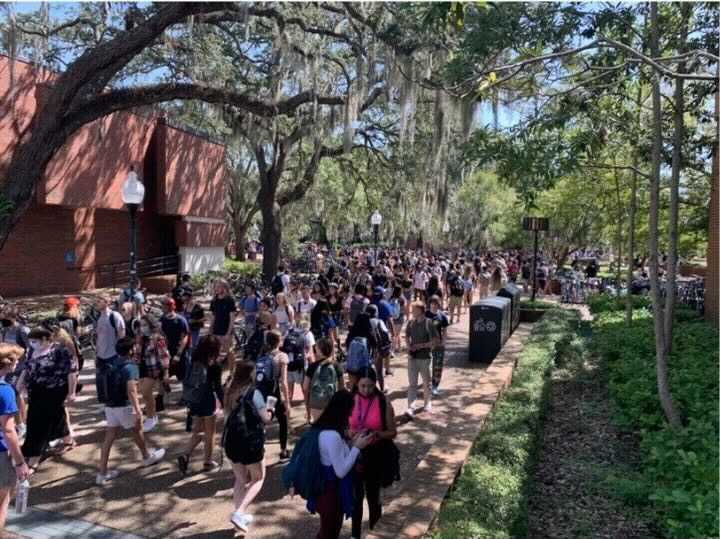
The sheer scale of student enrollment at a major institution like the University of Florida in Gainesville profoundly shapes the local accommodation landscape. With an impressive and consistently growing student body that hovers around 60,000 individuals, including undergraduates, graduate students, and professional degree candidates, the demand for diverse housing options is immense and ever-evolving. This substantial population creates a dynamic environment for both short-term and long-term stays, influencing everything from dormitory capacity to the burgeoning market for off-campus apartments and the availability of hotels for visiting families and academics. Understanding these numbers is crucial for anyone seeking to navigate the accommodation scene in this vibrant university town.
The Scale of Student Enrollment and Its Immediate Accommodation Demands
The approximately 60,000 students who choose the University of Florida represent a significant demographic force. This figure positions UF as one of the largest universities in the United States, comparable in size to many small cities. Such a concentration of individuals, many of whom are relocating from other parts of Florida, the nation, or even internationally, necessitates a robust and varied accommodation infrastructure. The university itself plays a crucial role in providing housing, particularly for incoming freshmen, but the vast majority of students rely on the surrounding community for their living arrangements. This continuous influx and outflow of students each academic year drive a unique rhythm in the local housing market, dictating rental prices, development projects, and even the demand for ancillary services that cater to student life. The challenge for Gainesville is to adequately house this large, transient population while also serving the needs of permanent residents.
Undergraduate vs. Graduate Housing Needs
The composition of the student body directly influences the types of accommodation required. Undergraduate students, especially those in their first year, often prioritize the social aspects and convenience of on-campus living. They seek community, proximity to classes, and amenities that simplify their transition to university life. As they progress, many undergraduates opt for off-campus apartments, seeking greater independence, more space, and often more cost-effective solutions in shared living arrangements.
Graduate students, on the other hand, typically have different priorities. They may be older, have families, or prefer quieter, more professional environments conducive to intensive study and research. Their demand leans towards more private apartments, townhouses, or even single-family homes, often with specific requirements for facilities like dedicated study spaces or pet-friendly policies. The presence of a substantial graduate student population at UF means the Gainesville accommodation market must cater to these diverse preferences, offering everything from shared rooms for freshmen to multi-bedroom units suitable for graduate student families.
On-Campus Residential Life
The University of Florida operates a comprehensive residential life program, offering numerous dormitories and apartment-style complexes designed to house a segment of its vast student population. While specific capacities fluctuate with renovation and new construction, the university aims to provide accommodation primarily for incoming freshmen and a limited number of upperclassmen and transfer students. Living on campus offers unparalleled convenience, integrating students directly into the university’s vibrant community and providing easy access to academic buildings, dining halls, and student support services.
These on-campus options range from traditional corridor-style dorms with communal bathrooms to more modern suites and apartment complexes featuring private bedrooms, living areas, and kitchens. The availability of on-campus housing is highly competitive due to the sheer number of applicants, underscoring the necessity for a robust off-campus market. The university continually assesses its residential capacity, balancing the desire to provide a formative on-campus experience with the practicalities of housing such a large student body.
Off-Campus Housing Landscape: A Direct Consequence of Student Numbers
The vast majority of University of Florida students reside off campus, making the private rental market in Gainesville a critical component of the city’s accommodation infrastructure. The sheer volume of students seeking housing each year creates a unique and often fast-paced rental market, characterized by specialized student housing developments, a diverse range of apartment complexes, and a significant demand for rental homes. This off-campus ecosystem is continuously adapting to student preferences, technological advancements, and economic shifts, all while striving to meet the fundamental need for shelter.
Apartment Complexes and Student-Oriented Developments
Gainesville has seen a proliferation of purpose-built student apartment complexes, strategically located near the University of Florida campus or along major transportation routes. These developments are specifically designed with students in mind, offering amenities such as individual leases (where students are only responsible for their portion of the rent), furnished units, private bathrooms, high-speed internet, and shared recreational facilities like pools, fitness centers, and study lounges. The competition among these complexes is fierce, leading to a race to offer the most attractive perks and modern designs.
These student-oriented apartments often feature diverse floor plans, from studio units to multi-bedroom apartments, catering to different budgets and social preferences. The leasing cycle for these properties typically begins many months in advance of the academic year, with many students securing their housing for the following fall as early as the previous winter or spring. This early booking trend is a direct result of the high demand generated by the university’s large enrollment.
The Local Rental Market Dynamics
Beyond purpose-built student housing, the broader Gainesville rental market is heavily influenced by the University of Florida student population. Single-family homes, townhouses, and traditional apartment buildings across the city are frequently rented by students, often in group living arrangements to share costs. Neighborhoods immediately surrounding the university, such as those in the historic areas or those with direct bus routes to campus, are particularly popular.
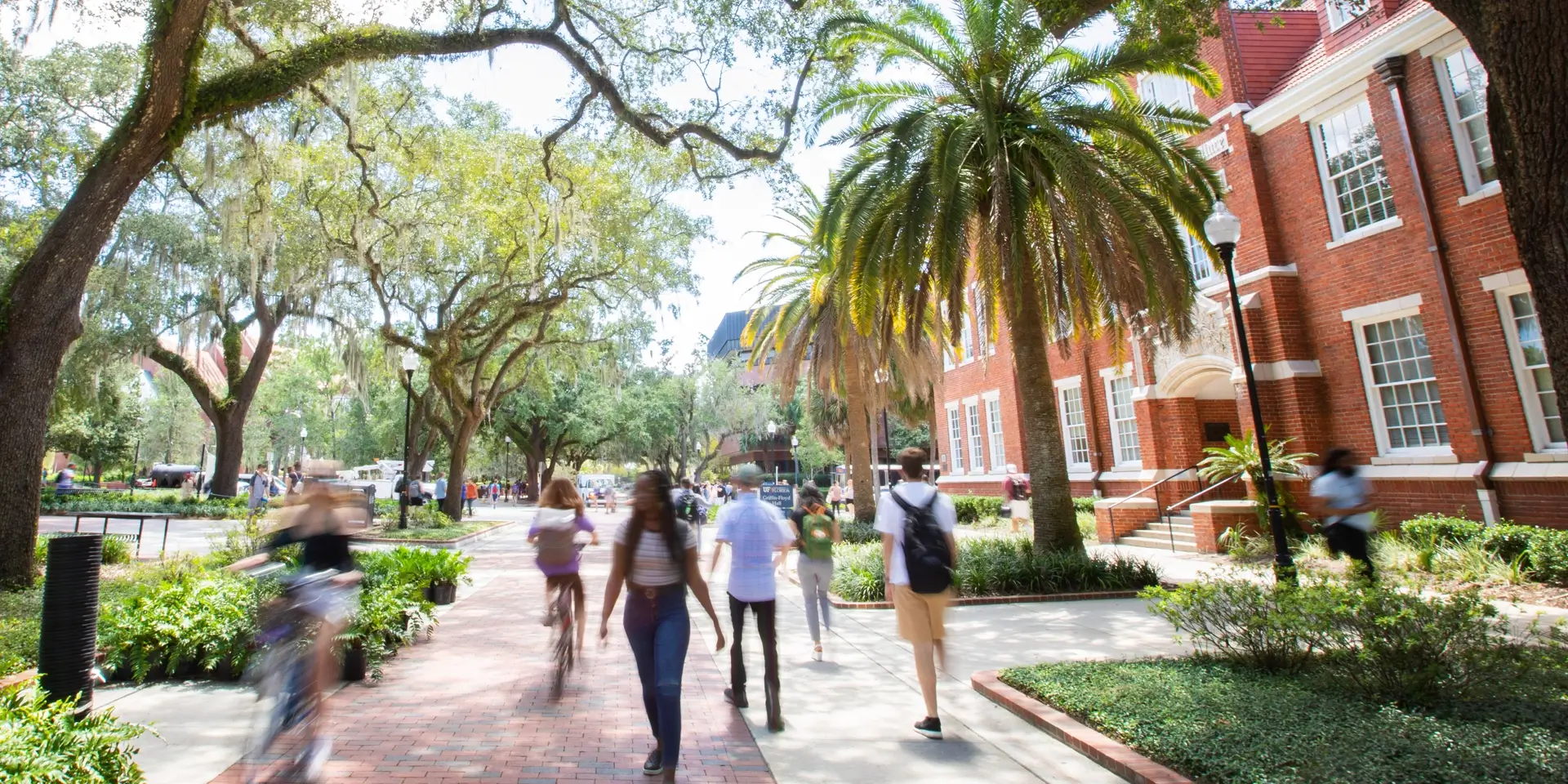
The annual student turnover creates a predictable cycle of vacancies and new leases, contributing to a robust but sometimes challenging market. Rental prices are directly affected by student demand, often experiencing annual increases, especially for properties in prime locations. Landlords and property managers frequently tailor their offerings to appeal to students, recognizing the consistent need for housing. This dynamic ensures a constant churn in the rental market, with new listings appearing regularly, but also means that desirable properties can be snapped up quickly.
Seasonal and Event-Driven Accommodation for University Visitors
The large student population at the University of Florida generates significant visitor traffic throughout the year, creating a distinct demand for short-term accommodation. Parents, prospective students, alumni, and attendees for various university events all contribute to a bustling hospitality sector in Gainesville. This seasonal demand impacts hotel occupancy rates and drives the popularity of alternative lodging options like vacation rentals.
Parent and Alumni Weekends
Key events on the academic calendar, such as Freshman Orientation, Parents and Family Weekend, Homecoming, and graduation ceremonies, create peak demand periods for hotels and short-term rentals in Gainesville. During these times, hotel rooms often book up months in advance, and rates can surge significantly due to the influx of visitors. Families traveling to see their students or attend university-sponsored activities seek comfortable and convenient accommodation, with properties offering amenities like shuttle services to campus or complimentary breakfast often being highly sought after.
Alumni also play a crucial role in this demand, returning to campus for reunions, sporting events, and cultural programs. Their visits often combine nostalgia with a desire for modern comforts, driving demand for a range of hotel options from budget-friendly to upscale.
Athletic Events and Academic Conferences
The University of Florida is renowned for its strong athletic programs, particularly the Florida Gators. Home football games at Ben Hill Griffin Stadium are major events that draw tens of thousands of fans to Gainesville, not only from across Florida but also nationally. These game weekends are arguably the busiest times for the local hospitality industry, with hotels reaching full capacity and vacation rental platforms seeing huge spikes in bookings. Similarly, various academic departments and research centers at UF host numerous conferences, symposia, and workshops throughout the year. These events attract scholars, researchers, and professionals from around the globe, creating a steady, albeit smaller, demand for hotel rooms and conference facilities. The availability of diverse accommodation options—from major hotel chains to boutique inns—is vital to supporting these essential university functions.
Addressing Diverse Accommodation Preferences
The diverse needs of University of Florida’s 60,000 students and its continuous stream of visitors necessitate a wide spectrum of accommodation solutions. From those seeking the most economical options to individuals or families desiring luxurious or extended stays, Gainesville’s accommodation providers must cater to a broad range of preferences and budgets.
Budget-Conscious Options
For many students and visitors, affordability is a primary concern. This drives demand for more economical accommodation options. For students, this often translates into shared apartments or houses, sometimes further from campus to secure lower rent. Many student apartment complexes also offer various price points depending on the number of roommates and the amenities included. For visitors, budget hotels and motels, as well as hostels or guesthouses, become attractive choices. The burgeoning market for peer-to-peer vacation rentals also provides more affordable alternatives to traditional hotels, especially for extended stays or for groups. The constant pressure from a large student population ensures that competitive pricing remains a key factor across various segments of the accommodation market.
Premium and Long-Term Stays
At the other end of the spectrum, there’s a significant demand for premium accommodation. This includes luxury student apartments with high-end finishes and extensive amenities, catering to students seeking a more upscale living experience. For visitors, Gainesville offers a selection of higher-end hotels that provide enhanced services, superior comfort, and often a more sophisticated ambiance. These options are popular with business travelers attending university functions, faculty candidates, or families seeking a more indulgent stay during their visits.
Furthermore, some individuals connected with the university, such as visiting scholars, postdoctoral researchers, or faculty on sabbatical, require long-term accommodation options that extend beyond a typical academic year. This segment of the market looks for furnished apartments, corporate housing solutions, or rental homes that offer the flexibility and amenities needed for an extended stay, often with a focus on convenience and a sense of home.
Future Trends in University Accommodation
The future of accommodation in Gainesville, driven by the student population of the University of Florida, is likely to continue evolving rapidly. Technology will play an even greater role, with virtual tours, smart home features in student apartments, and seamless online booking platforms becoming standard. Sustainability is also becoming a key consideration, leading to more eco-friendly building practices and energy-efficient living spaces.
As the University of Florida continues its trajectory of growth and academic excellence, the demand for varied and high-quality accommodation will remain a central concern. The constant interplay between university expansion, student preferences, and urban development will ensure that Gainesville’s accommodation sector remains dynamic, innovative, and essential to the university’s enduring success.
LifeOutOfTheBox is a participant in the Amazon Services LLC Associates Program, an affiliate advertising program designed to provide a means for sites to earn advertising fees by advertising and linking to Amazon.com. Amazon, the Amazon logo, AmazonSupply, and the AmazonSupply logo are trademarks of Amazon.com, Inc. or its affiliates. As an Amazon Associate we earn affiliate commissions from qualifying purchases.