
The intricate web of Florida‘s hospitality industry, a cornerstone of its vibrant economy, often finds itself at the mercy of the state’s dynamic weather patterns. When severe weather events strike, the immediate aftermath frequently involves widespread power outages, posing significant operational challenges for hotels and directly impacting the experiences of countless guests. Understanding the scope of these disruptions is crucial for both hoteliers navigating recovery and travelers planning their stays.
The Immediate Impact on Florida’s Hotel Landscape
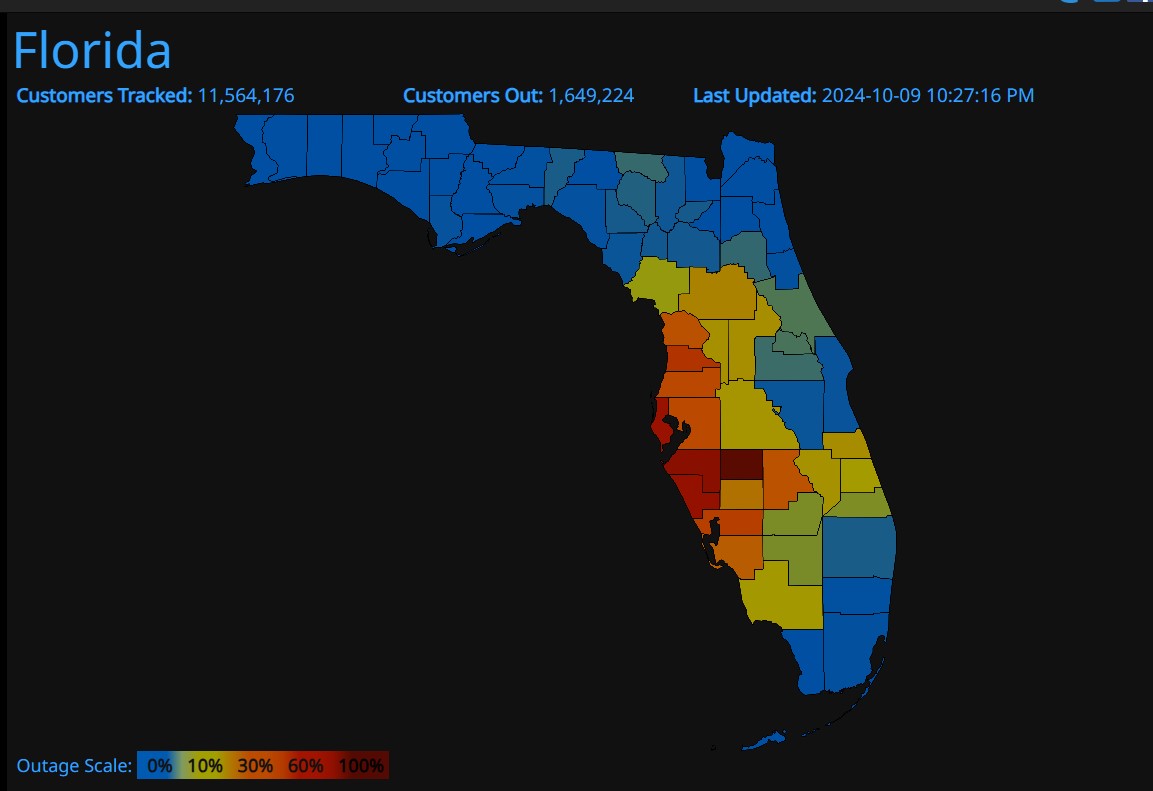
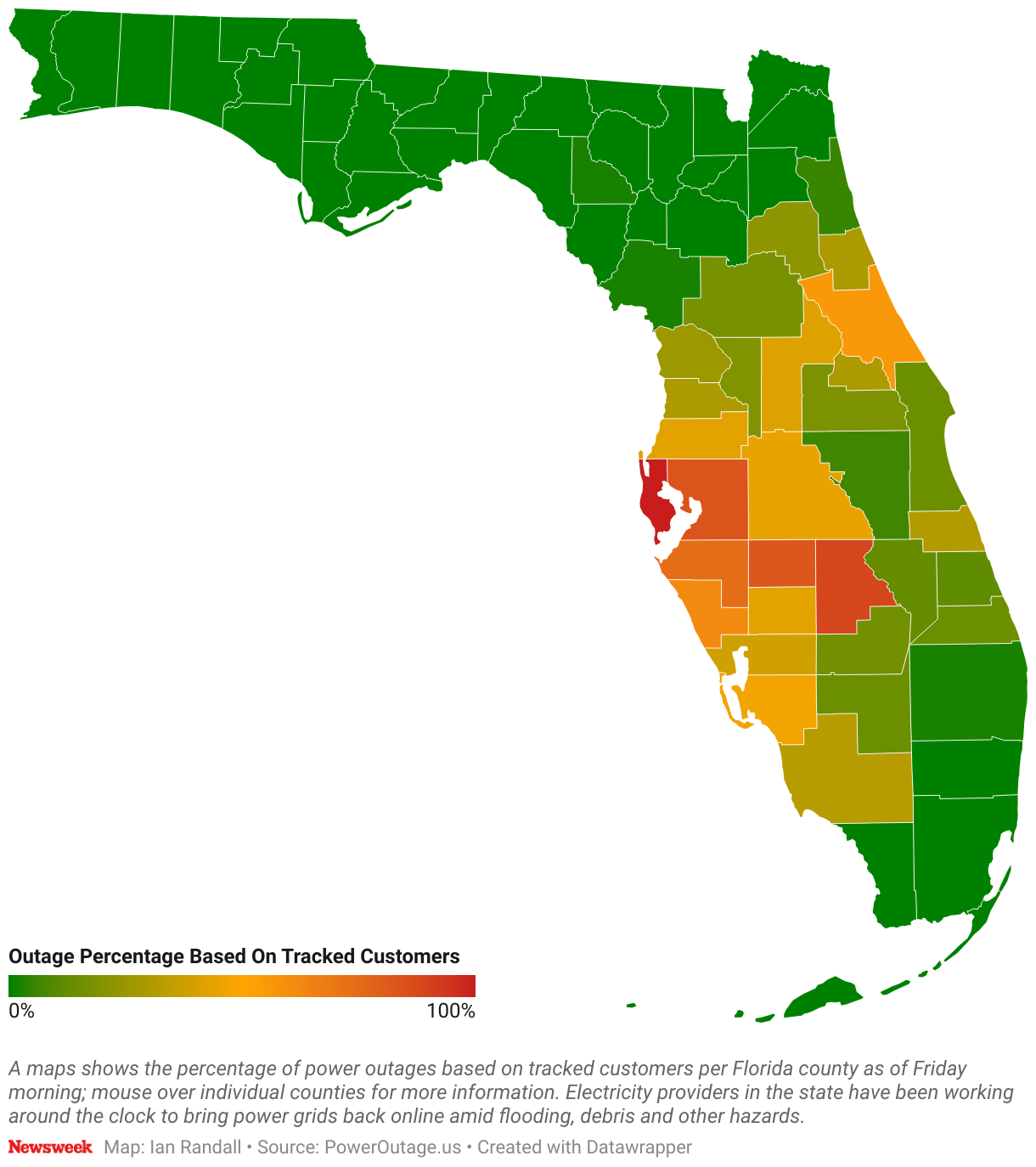
A large-scale power outage in Florida can ripple through its extensive network of hotels, from the bustling high-rises of Miami Beach to the family-friendly resorts of Orlando and the tranquil beachfront properties along the Emerald Coast. The immediate cessation of electricity halts essential services, compromises guest comfort, and triggers a cascade of operational dilemmas. The precise number of hotels affected directly correlates with the geographical spread and intensity of the power loss, often fluctuating rapidly as restoration efforts commence.

Scale of Disruption to Hospitality Operations
When the power grids falter, the impact on hotels is multifaceted and immediate. Core operations such as lighting, air conditioning, and heating systems cease, fundamentally altering the guest environment. Modern hotels heavily rely on electricity for everything from electronic key card access and elevator functionality to Wi-Fi connectivity and point-of-sale systems. Reservations systems can go offline, complicating check-ins and check-outs, while communication with guests and staff becomes a logistical nightmare. For larger establishments like the Grand Floridian Resort & Spa or a boutique hotel in Key West, the scale of this disruption can be immense, requiring rapid deployment of emergency protocols. Food and beverage services are particularly vulnerable; refrigeration systems fail, jeopardizing inventory and limiting dining options to whatever can be prepared without electricity or gas-powered alternatives.
Geographic Concentrations of Outages
Power outages are rarely uniform across the entire state of Florida. They typically concentrate in specific regions directly in the path of a storm or those with vulnerable infrastructure. Coastal areas, prone to storm surge and high winds, often experience the most severe and prolonged outages. For instance, a major hurricane making landfall near Fort Myers could devastate hotels along the Southwest Florida coast, leaving thousands of hotel rooms without power for days or even weeks. Inland cities like Tallahassee might experience outages due to fallen trees impacting power lines, affecting a different segment of the hospitality market. The duration of these outages is a critical factor; short-term disruptions might be manageable with backup generators, but extended periods without electricity can force hotels to cease operations entirely, leading to cancellations, refunds, and significant financial losses.
Navigating the Challenges: How Hotels Respond
In the face of power loss, Florida hotels activate comprehensive emergency plans designed to mitigate risks and ensure guest safety and comfort as much as possible. These plans are the backbone of their resilience, reflecting lessons learned from countless past events.
Backup Power and Essential Services
Many reputable hotels and resorts across Florida, especially those in hurricane-prone regions, invest heavily in robust backup power solutions. Industrial-grade generators are commonplace, capable of powering critical systems such as emergency lighting, elevators, security systems, and partial air conditioning in common areas. Some larger properties, like the Boca Raton Resort & Club, may even have the capacity to power a significant portion of their entire facility. However, even with generators, electricity often remains limited to essential functions. Guests might find their in-room outlets working intermittently, or air conditioning less powerful than usual. The availability of fuel for these generators is another critical consideration, with hotels often maintaining significant on-site reserves and pre-arranged contracts for replenishment. Beyond electricity, hotels must also ensure continuity of water supply, often relying on backup pumps, and maintain sanitation services to prevent health hazards.
Communication and Guest Management
Effective communication is paramount during a power outage. Hotels must swiftly inform guests about the situation, available services, and estimated restoration times. This often involves low-tech methods like printed notices, whiteboards in lobbies, or direct communication from staff members, as digital channels may be compromised. Guests with reservations for upcoming stays need to be contacted proactively to advise them of potential disruptions, offering options for rebooking or refunds. Managing guest expectations is key; while hoteliers strive to maintain a semblance of normalcy, it’s crucial to be transparent about limitations. This extends to security protocols; without electronic access, manual keys may be distributed, and additional security personnel might be deployed to ensure guest safety and property integrity.
Food, Water, and Safety Protocols
Providing food and potable water becomes a primary concern. Many hotels stock emergency supplies of bottled water and non-perishable food items. Limited menus, often prepared on gas grills or with pre-cooked components, become the norm. Safety protocols are intensified, including regular checks of emergency lighting, fire alarms, and carbon monoxide detectors, especially if generators are in operation. Staff are trained to assist guests in navigating dark hallways, particularly those with mobility issues. Hotels often establish designated “cooling centers” in areas where portable generators can power a few air conditioning units, offering a temporary reprieve from the Florida heat and humidity. The focus shifts entirely to basic human needs and safety, temporarily superseding the usual luxury and amenity-driven experience.
Guest Expectations and Realities During an Outage
For travelers, a power outage transforms a planned relaxing getaway into an unexpected test of resilience. Understanding the shift in what to expect is vital for managing the situation effectively.
The Shift in Amenity Availability
Guests accustomed to endless streaming options, climate-controlled rooms, and gourmet dining may find themselves facing stark realities. Swimming pools, spas, fitness centers, and entertainment venues typically shut down. Wi-Fi and cable television are often unavailable. Even simple conveniences like charging phones or using hair dryers become problematic. Hotels strive to provide what they can – perhaps a continental breakfast served in a dimly lit lobby, or a communal area with limited power for charging devices. The amenity list shrinks dramatically, with the hotel’s efforts focused entirely on the fundamental needs of shelter, safety, and basic sustenance. A stay at a luxury property like The Breakers Palm Beach during an outage would present a dramatically different experience than advertised, underscoring the importance of adaptability for guests.
Prioritizing Basic Comforts
In such situations, the true value of a hotel often lies in its ability to provide basic comforts amidst adversity. A comfortable bed, access to running (even if cold) water, and a secure environment become paramount. Hoteliers often distribute flashlights, extra blankets, and communicate creative solutions, such as offering ice from their reserves or providing basic toiletries. While the usual frills are absent, the focus on human-centric service, empathy, and clear communication can significantly influence a guest’s perception of the experience. Many hotels, understanding the psychological toll of a prolonged outage, will go above and beyond to offer small gestures of comfort or distraction, such as card games or communal gatherings in generator-powered spaces.
Travel Insurance and Rebooking Considerations
For travelers caught in an outage, understanding their travel insurance policies is crucial. Many policies cover disruptions due to natural disasters, potentially offering reimbursement for canceled nights, alternative accommodations, or additional expenses incurred. Guests with upcoming reservations should check with the hotel directly regarding their operational status. If a hotel cannot accommodate guests due to a lack of power or damage, they will typically offer full refunds or assist with rebooking at unaffected sister properties if available. However, in widespread outages, alternative accommodation can be scarce and expensive, highlighting the importance of early communication and planning. Websites like the Florida Restaurant and Lodging Association often provide updates and resources for both travelers and businesses during such events.
Resilience and Recovery: Looking Ahead for Florida Hotels
The frequency of severe weather in Florida means that power outages are an unfortunate but predictable challenge. The hospitality sector continuously refines its strategies to enhance resilience and expedite recovery.
Long-Term Preparedness Strategies
Beyond immediate emergency responses, Florida hotels are increasingly investing in long-term preparedness. This includes hardening infrastructure to withstand high winds and flooding, installing advanced surge protectors, and exploring alternative energy sources such as solar panels combined with battery storage systems. Regular maintenance and testing of generators, communication equipment, and emergency lighting systems are standard practice. Training staff for a variety of emergency scenarios, including prolonged power loss, ensures a coordinated and effective response. The aim is not just to weather the storm but to emerge quickly and efficiently, minimizing downtime and negative guest experiences. Properties managed by larger chains, like Marriott International or Hilton Worldwide, often benefit from corporate resources and expertise in disaster planning and recovery, setting benchmarks for independent properties.
Supporting Local Communities and Staff
During and after a power outage, hotels often play a vital role in supporting their local communities and staff. Many provide shelter for employees and their families, especially if their homes are damaged or without power. They might also serve as staging areas for first responders or offer limited services to local residents in dire need. Rebuilding and recovery efforts within the community are inherently linked to the hotels’ ability to rebound, as they are significant employers and economic drivers. Supporting local suppliers and businesses during the recovery phase helps the entire region get back on its feet, reinforcing the hotel’s place as a community pillar. A successful recovery for a hotel in, for example, Naples, contributes directly to the broader economic revival of the area.
A Guide for Future Florida Travelers
While power outages can be disruptive, they shouldn’t deter travelers from experiencing the beauty and attractions of Florida. A little foresight and preparation can make a significant difference.
Checking Hotel Status Before Arrival
Before departing for Florida, especially during hurricane season (June 1st to November 30th), travelers should closely monitor weather forecasts. Contacting their chosen hotel directly for updates on operational status, power availability, and any revised service offerings is highly recommended. Hotel websites, social media channels, and official tourism boards (Visit Florida for example) are also valuable resources for real-time information. Confirming cancellation policies and understanding force majeure clauses in booking agreements is also wise.
Packing Essentials for Contingencies
Even if a hotel reports full power, packing a small “contingency kit” can provide peace of mind. This might include a portable phone charger (power bank), a small flashlight, essential medications, any specific dietary items, and enough cash for a few days, as electronic payment systems might be down. Non-perishable snacks and bottled water can also be invaluable. Dressing in layers and considering comfortable, breathable clothing is advisable given the potential for reduced air conditioning. While no one wishes for a power outage to impact their vacation, being prepared ensures that travelers can adapt and still enjoy their Florida experience, even if it deviates from the initial plan.
LifeOutOfTheBox is a participant in the Amazon Services LLC Associates Program, an affiliate advertising program designed to provide a means for sites to earn advertising fees by advertising and linking to Amazon.com. Amazon, the Amazon logo, AmazonSupply, and the AmazonSupply logo are trademarks of Amazon.com, Inc. or its affiliates. As an Amazon Associate we earn affiliate commissions from qualifying purchases.