
Investing in solar panels for your accommodation in Florida represents a significant financial decision, one that promises long-term savings and enhanced property value. The Sunshine State’s abundant solar resource makes it an ideal location for harnessing renewable energy, directly impacting the operational costs and appeal of both residential homes and rental properties that serve as long-term accommodations. Understanding the financial landscape, including upfront costs, incentives, and potential returns, is crucial for any property owner considering this sustainable upgrade.
Solar Power as a Long-Term Accommodation Investment in Florida
For owners of long-term accommodations, whether a primary residence, a vacation home, or an income-generating rental, the transition to solar energy offers compelling financial and environmental benefits. The initial investment in a solar photovoltaic (PV) system can be substantial, but the long-term implications for reducing utility expenses and increasing property value make it an attractive proposition.
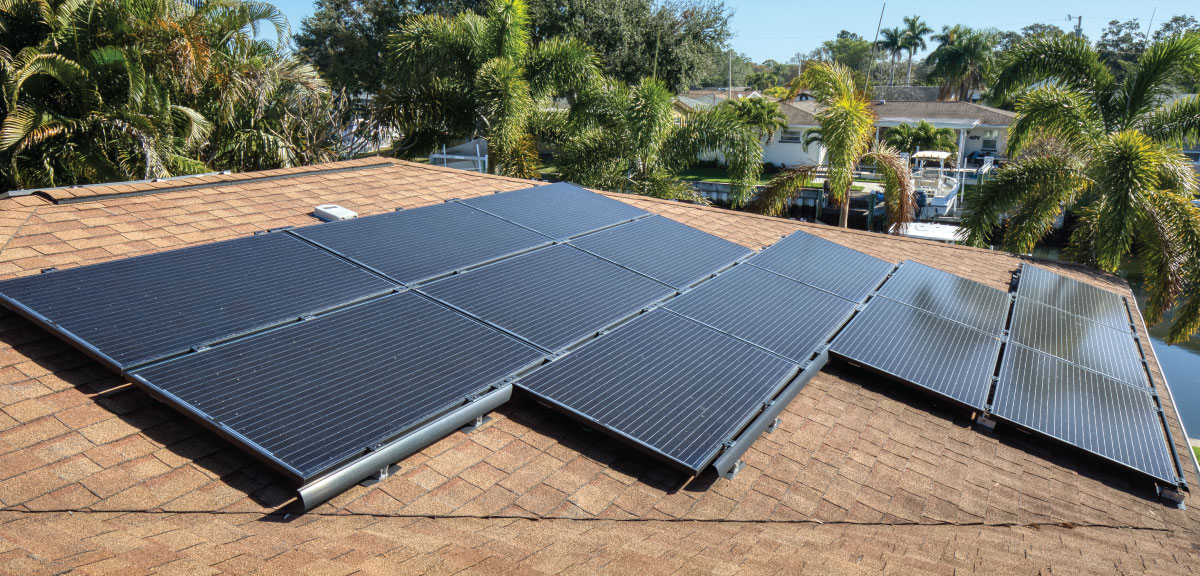
Understanding Initial Costs and Return on Investment
The average cost for a typical residential solar panel system in Florida can range from $15,000 to $30,000 or more, before incentives, depending on the system’s size, panel efficiency, and installation complexity. This cost is calculated based on the system’s capacity, often expressed in watts or kilowatts (kW), and the price per watt. For example, if the average price per watt is $2.50 to $3.50, a 10 kW system could cost between $25,000 and $35,000.
The return on investment (ROI) for solar panels in Florida is often favorable due to high electricity rates and abundant sunshine. Property owners can expect to recoup their investment through energy bill savings, often within 7-12 years. After this payback period, the electricity generated by the panels is essentially free, leading to significant savings over the system’s 25-30 year lifespan. This makes a solar installation a wise long-term strategy for managing accommodation expenses.
Impact on Property Value for Accommodation
Installing solar panels demonstrably increases a property’s market value, a key consideration for any form of accommodation. Studies by the National Renewable Energy Laboratory (NREL) and others have shown that homes with solar panels sell for a premium compared to comparable homes without them. This added value is particularly relevant for long-term accommodations, as it enhances resale potential and provides a tangible asset. Potential buyers or long-term renters are often willing to pay more for a property that promises lower monthly utility bills and a reduced carbon footprint, directly appealing to modern lifestyle preferences. In competitive markets like Miami, Orlando, or Tampa, a solar-equipped home stands out.
Long-Term Savings on Utility Bills for Residents and Rental Owners
The most immediate and tangible benefit of solar panels for accommodation owners is the dramatic reduction in electricity bills. Florida’s climate often necessitates heavy air conditioning use, leading to some of the highest electricity consumption in the nation. Solar panels can offset a significant portion, if not all, of this consumption. For long-term residents, this means predictable and lower monthly expenses, freeing up funds for other aspects of their lifestyle. For rental property owners, reduced utility costs can be a powerful marketing tool, attracting tenants seeking energy-efficient living. Furthermore, if electricity is included in the rent, solar panels directly improve the property’s net operating income.
Factors Influencing Solar Panel Costs for Florida Accommodations
The final price tag for a solar panel system on a Florida accommodation is not a fixed sum. Several variables contribute to the overall cost, and understanding them helps property owners make informed decisions.
System Size and Energy Needs
The larger the accommodation and its energy consumption, the larger the solar panel system required to meet those needs. A small guest house in Sarasota might require a 4 kW system, while a large family home in Jacksonville or a multi-unit rental property in Fort Lauderdale could need a 10 kW or 15 kW system. The total wattage of the panels needed directly correlates with the number of panels and, consequently, the overall cost. An energy audit can accurately determine the accommodation’s electricity usage patterns, guiding the optimal system size.
Panel Type and Efficiency
Solar panels vary in type and efficiency, which impacts both performance and cost. Monocrystalline panels are generally more efficient and aesthetically pleasing but come at a higher price point. Polycrystalline panels are typically more affordable but slightly less efficient, requiring more roof space for the same energy output. Thin-film panels, while less common for residential use, offer flexibility. Choosing panels from reputable manufacturers known for their durability and performance can lead to a more reliable system and better long-term savings, which is paramount for a long-term accommodation investment.
Installation Complexity and Labor in Florida’s Market

Installation costs account for a significant portion of the total price. Factors such as roof type (shingle, tile, flat), pitch, age, and any necessary electrical upgrades can affect labor hours and material requirements. Properties with complex rooflines or older electrical systems in cities like Naples or Tallahassee might incur higher installation expenses. Permitting and inspection fees, which vary by local jurisdiction in Florida, also contribute to the overall cost. Engaging experienced, licensed solar installers ensures a safe, efficient, and compliant installation.
Incentives and Rebates for Florida Homeowners
While Florida does not have state-specific solar tax credits or rebates, property owners can still benefit from significant federal and local incentives. The most impactful is the Federal Investment Tax Credit (ITC), which currently offers a 30% tax credit for solar systems installed on residential properties. This credit directly reduces the federal income tax liability of the property owner, effectively lowering the net cost of the system. Additionally, Florida offers a property tax exemption for solar energy systems, meaning the added value of solar panels will not increase your property tax assessment. There’s also a sales tax exemption for solar equipment. Some local utilities may also offer their own rebate programs or participate in Net Metering, which allows solar owners to sell excess electricity back to the grid, further reducing bills.
Navigating Financing Options for Accommodation Owners
The upfront cost of solar panels can be a barrier, but various financing options make solar energy accessible for many Florida accommodation owners.
Cash Purchase vs. Solar Loans
Purchasing a solar system outright with cash offers the highest long-term savings and the quickest return on investment. Property owners benefit from all available incentives and immediately own the asset, avoiding interest payments. However, if a cash purchase isn’t feasible, solar loans are a popular alternative. These loans, often unsecured or secured against the property, allow owners to finance the system over a period, typically 10-20 years. Payments can often be structured to be less than or equal to the monthly electricity savings, making solar a cash-flow-positive investment from day one.
Power Purchase Agreements (PPAs) and Solar Leases
For accommodation owners who prefer not to buy the system, Power Purchase Agreements (PPAs) and solar leases offer alternatives with no upfront cost. In a PPA, a third-party solar provider owns, installs, and maintains the system on your property. You then purchase the electricity generated at a fixed rate, often lower than utility rates. A solar lease is similar, where you pay a fixed monthly fee to lease the solar panels, also with no upfront cost. While these options don’t offer the same long-term savings or property value increase as ownership, they provide immediate utility bill reductions and contribute to sustainable living without the capital outlay.
The Role of Property Assessed Clean Energy (PACE) Programs
PACE programs are a unique financing mechanism available in some Florida counties. PACE allows property owners to finance energy-efficient and renewable energy upgrades, including solar panels, through an assessment added to their property tax bill. The repayment obligation stays with the property, not the owner, meaning if the property is sold, the new owner assumes the remaining payments. This can be beneficial for long-term accommodations, as it offers attractive interest rates and doesn’t require a down payment, making solar accessible without impacting personal credit lines.
The Future of Sustainable Accommodation in Florida with Solar
The adoption of solar energy in Florida is not just about cost savings; it’s about embracing a sustainable future, enhancing living experiences, and boosting property appeal in a competitive market for accommodation.
Enhancing Guest Experience in Rental Properties
For long-term rental accommodations, solar panels can significantly enhance the guest or tenant experience. Lower utility bills are a strong selling point, and the ability to market a property as eco-friendly appeals to a growing demographic of environmentally conscious individuals. This can lead to higher occupancy rates, improved tenant satisfaction, and potentially higher rental yields, making the property more attractive as a long-term investment.
Contributing to Florida’s Environmental Goals
By installing solar panels, Florida accommodation owners directly contribute to the state’s and nation’s renewable energy goals. Reducing reliance on fossil fuels lowers the carbon footprint of your property, mitigates air pollution, and helps combat climate change. This environmental stewardship aligns with broader sustainability trends and reinforces a positive image for the property and its community.

Resale Value and Appeal for Future Buyers
As energy costs continue to fluctuate and environmental awareness grows, homes with solar panels will become increasingly desirable. The added resale value and enhanced marketability for future buyers or long-term investors are undeniable. A solar-equipped accommodation in Florida is not just a place to live; it’s an investment in sustainable living, lower operating costs, and a greener future, providing a tangible benefit that will last for decades.
LifeOutOfTheBox is a participant in the Amazon Services LLC Associates Program, an affiliate advertising program designed to provide a means for sites to earn advertising fees by advertising and linking to Amazon.com. Amazon, the Amazon logo, AmazonSupply, and the AmazonSupply logo are trademarks of Amazon.com, Inc. or its affiliates. As an Amazon Associate we earn affiliate commissions from qualifying purchases.