
Understanding the Essentials of Vehicle Registration in Florida’s Lifestyle
For anyone living in, moving to, or enjoying an extended stay in Florida, understanding the nuances of car registration renewal is an essential part of managing one’s lifestyle. The ability to navigate the state’s sprawling landscapes, from its vibrant cities to its serene beaches, is often dependent on personal transportation. A properly registered vehicle isn’t just a legal requirement; it’s a cornerstone of the independence and mobility that defines the Florida experience.
Why Florida’s Car Registration Matters for Your Lifestyle
Florida is a state built for drivers. Public transportation options are often limited outside of major urban centers, making a personal vehicle an absolute necessity for most residents and long-term visitors. Whether commuting to work, taking a family trip to a theme park in Orlando, or simply running errands, a registered car ensures you can maintain your daily routine without interruption. The costs associated with car registration, therefore, are not merely administrative fees but a recurring investment in your freedom and access to everything the Sunshine State offers. Budgeting for these renewals is a practical aspect of financial planning for any individual or family establishing roots here.
Who Needs to Register a Vehicle in Florida?
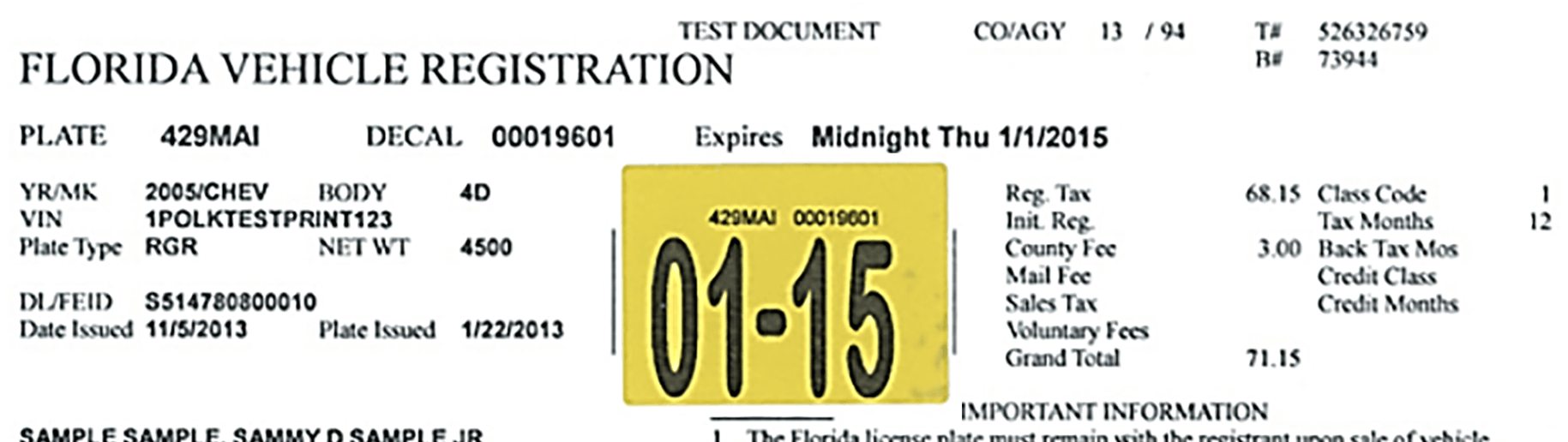
Generally, any vehicle owned by a Florida resident must be registered with the Florida Department of Highway Safety and Motor Vehicles (DHSMV). This includes:
- New residents who have moved to the state and established residency. They typically have 10 days to register their vehicle after establishing residency.
- Existing residents whose vehicle registrations are approaching their expiration date.
- Individuals who have recently purchased a vehicle.
Even snowbirds or seasonal residents who spend a significant portion of the year in Florida may need to consider Florida registration, depending on the length of their stay and their primary state of residence. Understanding these requirements is crucial to avoid penalties and ensure uninterrupted mobility.
The Basic Components of Renewal Fees
The cost of car registration renewal in Florida is not a single flat fee but rather a combination of several factors. These typically include:
- Base Registration Fee: Primarily determined by the vehicle’s weight and type.
- License Plate Fee: A standard fee for the physical license plate and validation decal.
- County-Specific Surcharges: Local fees that vary depending on the county where you reside.
- Initial Registration Fee (New Residents/Vehicles): A higher fee applied when a vehicle is registered in Florida for the very first time.
These components can add up, making it important to understand each element to accurately budget for this annual expense.
Deconstructing the Costs: What You’ll Actually Pay
Navigating the exact costs of car registration renewal can seem complex, but breaking down the fee structure makes it more manageable. The Florida DHSMV has a tiered system, ensuring fairness based on vehicle characteristics and local needs.
Base Registration Fees by Vehicle Type and Weight
The most significant factor influencing your renewal cost is the type and weight of your vehicle. Passenger cars and trucks are categorized, and their fees increase with weight.
- Passenger Vehicles:
- Less than 2,500 pounds: Approximately $27.60
- 2,500 to 3,499 pounds: Approximately $35.60
- 3,500 pounds or more: Approximately $45.60
- Trucks: Fees for trucks can be higher and are also based on weight. Commercial vehicles and larger trucks have distinct, often substantially higher, fee schedules.
- Motorcycles: Generally have a lower base fee, around $25.60.
These figures represent the annual renewal fee. The weight classes aim to correlate with the wear and tear a vehicle might cause on state roads and bridges. For individuals choosing a heavier vehicle for lifestyle reasons (e.g., towing a boat or RV, needing more cargo space), this is a direct recurring cost to consider.
Initial Registration Fees for New Residents
If you are a new resident registering a vehicle in Florida for the first time, you will encounter an additional initial registration fee of $225. This fee is typically a one-time charge for vehicles that have never been registered in Florida before. It’s an important cost to factor into your moving budget when transitioning your lifestyle to the state. This fee applies even if you’re registering a previously owned vehicle that you brought from out of state.
License Plate and Decal Fees
Beyond the base registration, there are costs associated with the physical license plate and the annual validation decal.
- Standard License Plate: When you first register, you’ll pay for the plate itself, typically around $28. This is a one-time cost unless you need a replacement.
- Annual Decal: Each year, upon renewal, you receive a new decal to affix to your license plate, indicating the current validity. The cost of this decal is included in your overall renewal fee.
- Specialty Plates: Florida offers a vast array of specialty license plates (e.g., professional sports teams, environmental causes, university support). While a great way to personalize your vehicle and support a cause, these plates come with an additional annual fee, usually ranging from $15 to $25, on top of the standard registration costs. Choosing a specialty plate is a lifestyle decision that carries an extra recurring expense.
County-Specific Surcharges and Service Fees
Local governments in Florida are permitted to levy additional surcharges. These can vary significantly from one county to another, adding a layer of complexity to the total cost. Some counties might charge a local option tax, while others might have specific service fees to support local infrastructure or public services. For instance, some counties impose an additional “county local option tax” which can add another $1 to $20 to your total, depending on where you live. When estimating your costs, it’s prudent to check with your specific county tax collector’s office.
Potential Additional Fees and Penalties
Several factors can drive up your renewal costs beyond the standard fees:
- Late Fees: Failing to renew your registration by the expiration date can result in penalties. The amount varies but is designed to encourage timely renewal.
- Delinquent Fees: If your registration lapses significantly, you might face more substantial fees to reactivate it.
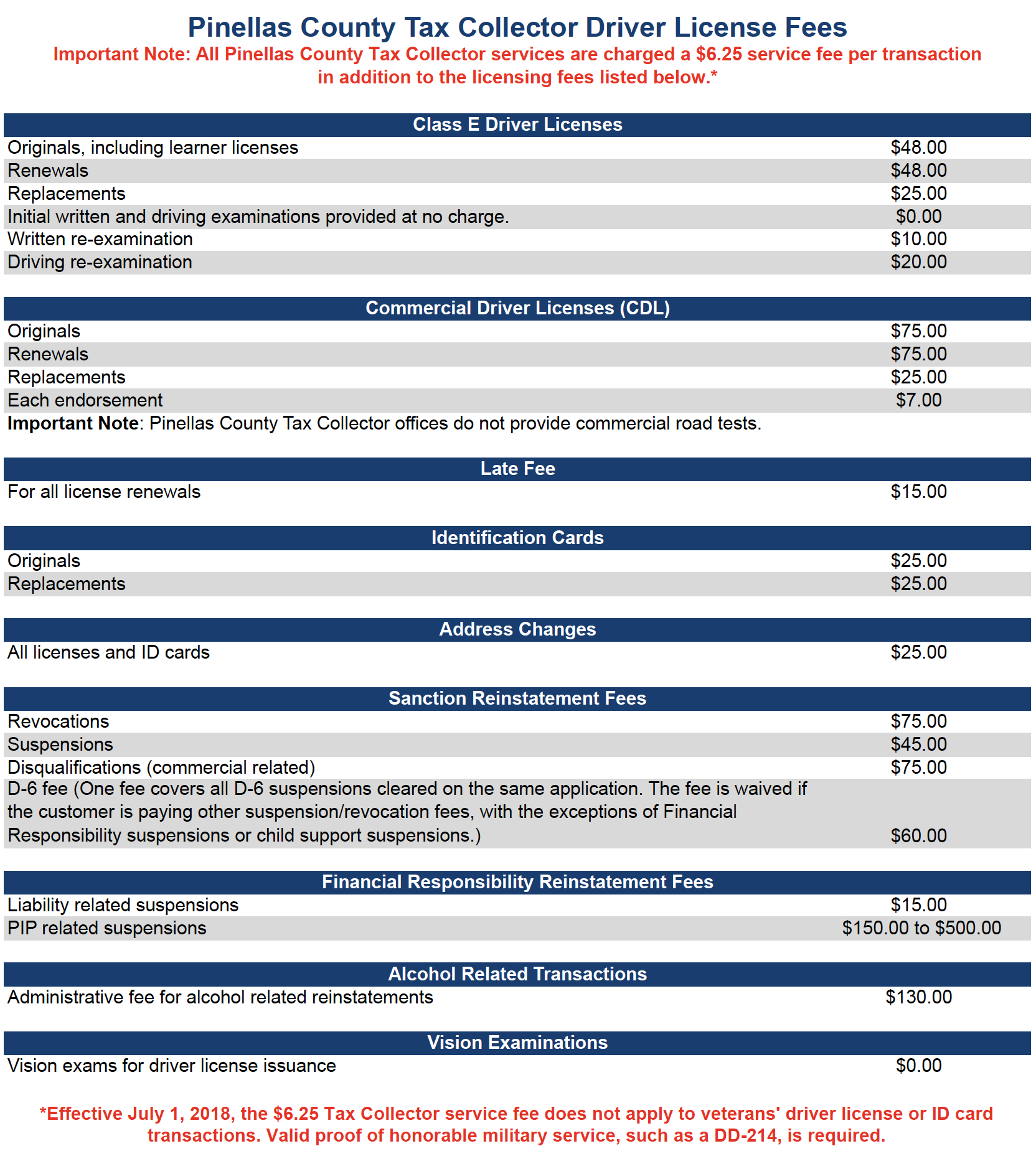
- Replacement Fees: If you lose your license plate or registration certificate, there are fees to obtain replacements.
- Service Fees: While online renewal is convenient, some third-party service providers or tag agencies might charge a small convenience fee.
To maintain a healthy budget and hassle-free lifestyle, it’s always best to renew on time and keep all your vehicle documents secure.
The Renewal Process: A Practical Guide for Florida Residents
Renewing your car registration in Florida is generally a straightforward process designed to be as convenient as possible. Understanding the timeline and requirements ensures you avoid unnecessary stress or penalties.
When and How to Renew Your Florida Registration
Registration renewals in Florida are typically due on or before the owner’s birthday for individually owned vehicles. For company-owned vehicles, the renewal date is usually based on the company’s incorporation month. You will typically receive a renewal notice in the mail or via email approximately 30-45 days before your expiration date.
You have several convenient options for renewal:
- Online: The easiest and most common method. The DHSMV website offers an online portal where you can renew quickly. You’ll need your license plate number or vehicle identification number (VIN) and payment information. Your new decal will be mailed to you.
- Mail: You can return your renewal notice with a check or money order via postal service.
- In-Person: Visit your local county tax collector’s office or a designated private tag agency. This option is useful if you have special circumstances, need a replacement plate, or prefer face-to-face assistance.
Choosing the online option aligns with a busy modern lifestyle, offering flexibility and speed.
Required Documents for Renewal
While online renewal often only requires your license plate number and basic identification, if you renew in person or have issues, it’s wise to have these documents ready:
- Renewal Notice: The official notice you received from the DHSMV.
- Proof of Florida Motor Vehicle Insurance: This is mandatory.
- Driver’s License or ID: For identification purposes, especially for in-person renewals.
- Previous Registration Certificate: Helpful for reference.
The Importance of Up-to-Date Insurance
Proof of active Florida motor vehicle insurance is non-negotiable for registration renewal. Florida law requires minimum Personal Injury Protection (PIP) of $10,000 and Property Damage Liability (PDL) of $10,000. Operating a vehicle without valid insurance can lead to severe penalties, including license suspension and fines, making it a critical aspect of responsible vehicle ownership and maintaining your lifestyle in the state. Insurance costs are a separate but equally important part of your annual vehicle budget.
Emissions Testing (or Lack Thereof) in Florida
A notable aspect of Florida vehicle registration is the absence of mandatory emissions testing. Unlike many other states, Florida does not require vehicles to undergo regular emissions inspections as part of the renewal process. This simplifies the renewal considerably, saving residents time and potential repair costs associated with passing an emissions test. It’s one less hurdle to jump, contributing to the generally convenient lifestyle Florida offers.
Budgeting for Car Registration: Lifestyle Financial Planning
Integrating car registration costs into your annual budget is a smart financial move that prevents last-minute surprises and ensures smooth, uninterrupted vehicle use, which is vital for the Florida lifestyle.
Integrating Registration Costs into Your Annual Budget
The most effective way to manage this recurring expense is to treat it like any other annual bill.
- Set Reminders: Mark your calendar or set digital reminders for your renewal month.
- Allocate Funds Monthly: Divide your estimated annual renewal cost by 12 and set aside that amount each month. This way, when the renewal date arrives, the funds are readily available without impacting your other financial commitments.
- Review Regularly: Periodically review the fee structure, especially if you move to a new county or purchase a different vehicle, as costs can change.
Proactive budgeting ensures that a necessary administrative task doesn’t become a financial burden.
Long-Term Considerations: How Vehicle Choice Affects Future Costs
When purchasing a vehicle, particularly in Florida, consider how your choice will impact your annual registration costs.
- Vehicle Weight: Heavier vehicles generally incur higher base registration fees. If budget travel or frugality is a key part of your lifestyle, a lighter vehicle can offer ongoing savings.
- Specialty Plates: While attractive, remember the additional annual fee for specialty plates. Over several years, these small fees can add up.
- Future Fee Changes: While not frequent, state legislatures can adjust fees. Staying informed, perhaps by occasionally checking the DHSMV website, is a good practice for long-term financial planning.
Making informed decisions about your vehicle purchase, beyond just the sticker price, can significantly influence your long-term cost of living in Florida.
Strategies to Minimize Costs and Avoid Surprises
Beyond timely renewal, a few other strategies can help:
- Keep Records Organized: Maintain a file of your registration certificates, insurance cards, and renewal notices. This helps in quick retrieval and avoids delays.
- Understand Your County’s Specific Fees: A quick call or visit to your county tax collector’s website can provide precise information on local surcharges, helping you budget accurately.
- Consider Multi-Year Renewals: Florida allows for multi-year vehicle registrations (up to two years for most passenger vehicles). While you pay more upfront, it reduces the frequency of renewal, potentially saving on service fees if renewing in person or simplifying your administrative tasks.
These small proactive steps can significantly streamline the process and minimize unexpected expenses, contributing to a more relaxed and predictable lifestyle.
Beyond the Basics: Registration’s Role in Your Florida Life
Car registration renewal is more than just a bureaucratic hurdle; it’s an integral part of maintaining your vibrant Florida lifestyle and contributing to the state’s infrastructure.
Mobility and Freedom in the Sunshine State
A valid car registration ensures your legal right to operate a vehicle on Florida’s roads. This mobility translates directly into freedom: the freedom to explore Florida’s diverse attractions, from the Everglades to the Panhandle; the freedom to commute efficiently to work; and the freedom to pursue hobbies and connect with communities. For many, this independence is a core reason for choosing to live in or frequently visit Florida. An unregistered vehicle, conversely, can severely limit these freedoms, leading to fines, impoundment, and significant inconvenience.

Contributing to Florida’s Infrastructure
The fees collected from vehicle registrations and renewals are not simply administrative. A substantial portion of these funds is earmarked for maintaining and improving Florida’s extensive road network, bridges, and other transportation infrastructure. By renewing your registration, you are directly contributing to the quality and safety of the roads you drive on, which in turn supports the state’s economy and the ease of living for all residents. It’s a civic responsibility that underpins the very lifestyle that draws so many to the Sunshine State. Understanding “how much” car registration costs is therefore not just about personal expense, but also about understanding its broader impact on the shared Florida experience.
LifeOutOfTheBox is a participant in the Amazon Services LLC Associates Program, an affiliate advertising program designed to provide a means for sites to earn advertising fees by advertising and linking to Amazon.com. Amazon, the Amazon logo, AmazonSupply, and the AmazonSupply logo are trademarks of Amazon.com, Inc. or its affiliates. As an Amazon Associate we earn affiliate commissions from qualifying purchases.