
Renting a car in Florida is often an essential component of exploring the Sunshine State, offering the freedom to traverse its diverse landscapes, from the bustling cities to the tranquil beaches and expansive natural parks. However, the cost of this convenience can vary significantly based on numerous factors, making it crucial for travelers to understand the dynamics of car rental pricing before embarking on their journey. Far from a fixed expense, the actual cost is a complex interplay of booking timing, vehicle choice, rental duration, and supplementary services.
Understanding the Base Cost of Car Rental in Florida
The baseline cost for a rental car in Florida typically ranges from $30 to $100 per day for an economy or compact car, but this is a broad estimate. Weekly rates often offer better value, sometimes bringing the daily average down. These prices can fluctuate wildly, sometimes doubling or tripling during peak seasons or specific events.
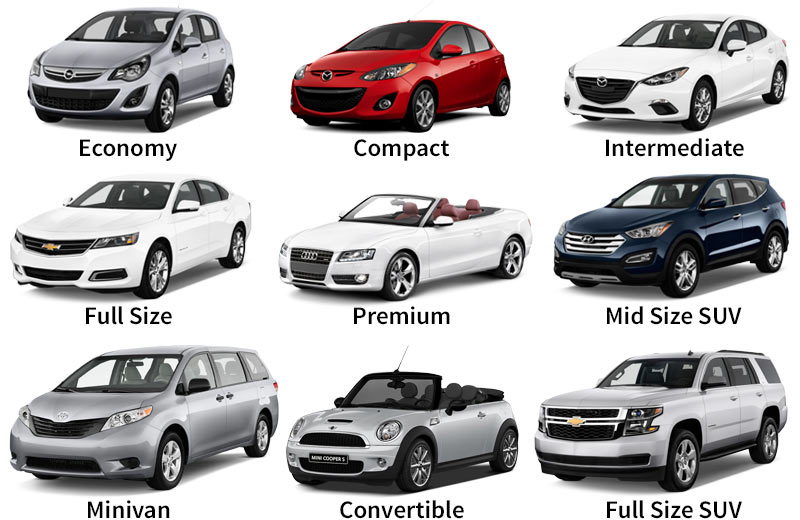
Several primary elements establish the initial rental cost:
- Vehicle Class: The type of car you choose is a major determinant. Economy and compact cars are the most affordable, ideal for solo travelers or couples. Mid-size and standard sedans offer more comfort at a moderate price increase. SUVs, minivans, and luxury vehicles naturally command higher rates, suitable for families or those seeking premium experiences. For instance, a minivan for a family trip to Walt Disney World Resort in Orlando will cost substantially more than a compact car for a business traveler in Miami.
- Seasonality: Florida’s tourism peaks during the winter months (November to April) when snowbirds flock south, and during major holidays like Spring Break, Easter, Thanksgiving, and Christmas. During these periods, demand for rental cars skyrockets, driving prices up considerably. Conversely, the humid summer months (June to September) often see lower demand and more competitive pricing, though hurricane season can introduce its own set of travel disruptions.
- Booking Lead Time: Generally, booking your rental car well in advance (several weeks to months, especially for peak travel times) yields better rates. Last-minute bookings, particularly at popular airport locations, can be significantly more expensive as availability dwindles. Agencies often use dynamic pricing, adjusting rates based on demand and inventory.
Key Factors Influencing Rental Car Prices
Beyond the base rate, a multitude of other factors contribute to the final price tag of renting a car in Florida. Ignoring these can lead to unexpected expenses.
Location of Rental Pick-up and Drop-off
Where you pick up and return your vehicle plays a substantial role in the overall cost. Airport locations, while convenient, typically include additional taxes and surcharges, such as a concession recovery fee or customer facility charge, which can add 10-20% to the total bill. Renting from an off-airport or downtown location, if logistically feasible, can sometimes offer savings, though you might need to factor in the cost of transportation to and from the rental office. One-way rentals, where you pick up in one city like Jacksonville and drop off in another like Key West, almost always incur a hefty drop-off fee.
Rental Duration
Rental companies often offer lower per-day rates for longer rental periods. A weekly rental, for example, might cost less per day than three separate two-day rentals. If your trip extends beyond a week, inquire about monthly rates, as these can provide even greater savings for extended stays or long-term travel plans within Florida.
Age of Driver
Drivers under the age of 25 face additional surcharges, commonly referred to as “young driver fees.” This fee can range from $20 to $40 per day and is applied to mitigate the perceived higher risk associated with younger drivers. Some agencies may have specific age restrictions, particularly for certain vehicle categories. There might also be a maximum age limit, though this is less common.
Insurance Options

Insurance is one of the most significant add-on costs. Rental car agencies typically offer several types of coverage:
- Loss Damage Waiver (LDW) or Collision Damage Waiver (CDW): Waives your financial responsibility for damage to or theft of the rental vehicle.
- Supplemental Liability Insurance (SLI): Provides additional liability coverage beyond the state-mandated minimums.
- Personal Accident Insurance (PAI): Covers medical expenses for you and your passengers in case of an accident.
- Personal Effects Coverage (PEC): Insures personal belongings against theft or damage.
Before accepting these, check your personal car insurance policy, credit card benefits, or travel insurance. Many credit cards offer secondary (and sometimes primary) CDW coverage when you use their card to pay for the rental. Leveraging existing coverage can save you a substantial amount, but always confirm the specifics of your coverage.
Additional Equipment and Services
Optional extras, while convenient, add to the cost:
- GPS Navigation: While useful, most smartphones now offer free navigation, making dedicated GPS units largely redundant.
- Child Safety Seats: Essential for families, but renting them from the agency is often more expensive than bringing your own or purchasing a cheap one upon arrival.
- Toll Pass Devices: Florida has numerous toll roads, particularly in South Florida and Central Florida. Rental agencies offer electronic toll pass services (e.g., SunPass transponders). These usually come with a daily fee plus the cost of tolls. While convenient, some services may charge a high administrative fee, even on days you don’t use tolls. Understanding Florida’s toll system and options is crucial.
- Roadside Assistance: While your personal auto policy might offer this, rental companies provide their own versions, which can be useful but add to the cost.
- Additional Drivers: Most agencies charge a daily fee for each extra authorized driver. Some loyalty programs or memberships (like AAA or AARP) may waive this fee for a spouse or domestic partner.
Fuel Policies
How you handle fuel can impact your budget:
- Full-to-Full: The most common and often most cost-effective. You pick up the car with a full tank and return it full.
- Pre-paid Fuel Option: You pay for a full tank upfront at a per-gallon rate set by the agency. This is usually more expensive than filling up yourself, but it offers convenience, especially if you’re in a hurry to catch a flight.
- Return Empty: If you don’t choose pre-paid fuel and return the car with less than a full tank, the agency will charge you for the missing fuel at a significantly inflated per-gallon rate, plus a refueling service charge.
Navigating Rental Agencies and Booking Strategies
The car rental market in Florida is competitive, featuring major national and international brands as well as smaller local operators.
- Major Rental Companies: Giants like Hertz, Enterprise, Avis, Budget, National, and Alamo have extensive fleets and numerous locations, particularly at major airports like Orlando International Airport, Miami International Airport, and Tampa International Airport. Their widespread presence offers convenience, but prices can sometimes be higher.
- Comparison Websites: Using aggregators like Expedia, Kayak, or Priceline can help you compare prices across multiple providers simultaneously. However, always check the fine print, as third-party bookings sometimes have stricter cancellation policies or different rules regarding insurance or additional drivers.
- Direct Booking: Visiting the rental company’s website directly might occasionally offer exclusive deals or allow you to apply loyalty program benefits more easily. It also simplifies direct communication if issues arise.
- Loyalty Programs: If you frequently rent from a particular company, joining their loyalty program (e.g., Hertz Gold Plus Rewards, Enterprise Plus) can lead to perks like expedited pick-up, free upgrades, or even waived fees for additional drivers.
- Credit Card Benefits: Beyond insurance, some premium credit cards offer rental car discounts or elite status with certain agencies. Review your credit card benefits guide thoroughly.
Tips for Saving Money on Your Florida Car Rental
Strategizing your rental can significantly reduce costs.
- Book Early and Monitor Prices: As mentioned, early booking often secures better rates. After booking, continue to monitor prices. Many reservations allow free cancellation, so if you find a lower rate, you can rebook.
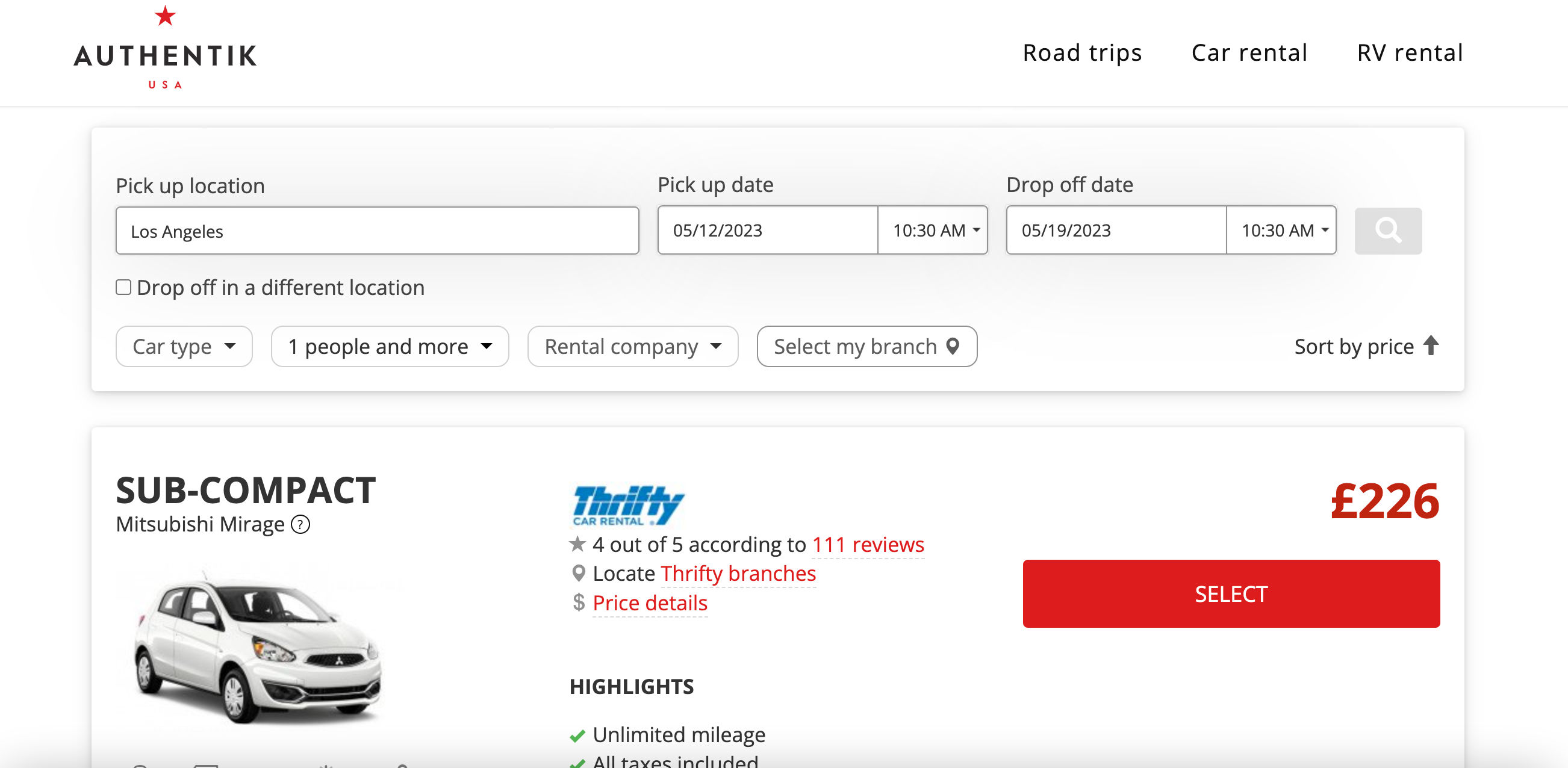
- Compare Across Multiple Agencies: Don’t settle for the first quote. Use comparison sites and check individual agency websites to find the best deal for your specific dates and vehicle class.
- Avoid Airport Pick-ups (If Practical): If you can easily get to an off-airport location via rideshare or public transit, you might save on airport surcharges. This is particularly viable in cities like Fort Lauderdale or Orlando with good local transport options.
- Decline Unnecessary Insurance: Understand your existing coverage from personal auto insurance or credit cards. If you’re adequately covered, decline the rental agency’s often-expensive insurance options.
- Check for Discounts: Inquire about discounts for AAA, AARP, military, corporate affiliations, or Costco memberships. These can provide substantial savings.
- Understand the Fuel Policy: Opt for the full-to-full policy and plan to refuel the car yourself at a local gas station before returning it.
- Limit Extras: Bring your own GPS (smartphone), car seat, and avoid paying for optional roadside assistance if you have personal coverage.
- Choose the Right Vehicle Size: Rent only the size of car you genuinely need. A larger car means higher rental costs and often worse fuel economy.
Essential Considerations for Driving in Florida
Once you’ve secured your rental, understanding local driving conditions is key to a smooth trip.
- Toll Roads: Florida has an extensive network of toll roads, expressways, and bridges, especially prevalent in South Florida and around major tourist hubs like Orlando. Many tolls are cashless, meaning you cannot pay with cash at a booth. You will need an electronic transponder like SunPass or rely on the “Toll-By-Plate” system, where a photo of your license plate is taken, and a bill is mailed to the car’s owner (the rental company), who will then charge you a higher administrative fee. Consider whether to opt for the rental agency’s toll program or acquire your own SunPass Mini prior to your trip if you plan extensive toll road travel.
- Traffic Patterns: Major metropolitan areas like Miami, Orlando, and Tampa experience heavy traffic, particularly during rush hours and on weekends or holidays. Factor in extra travel time, especially when heading to airports or popular attractions.
- Parking: Parking availability and cost vary widely. In downtown areas of large cities, expect to pay for garage or street parking. At theme parks and major attractions, parking can be a significant daily expense (e.g., $25+ at Walt Disney World Resort parks). Always check parking options and fees for your destinations in advance.
Renting a car in Florida unlocks unparalleled freedom to explore this vibrant state. By understanding the cost components, employing smart booking strategies, and being aware of local driving nuances, you can manage expenses effectively and ensure a seamless travel experience.
LifeOutOfTheBox is a participant in the Amazon Services LLC Associates Program, an affiliate advertising program designed to provide a means for sites to earn advertising fees by advertising and linking to Amazon.com. Amazon, the Amazon logo, AmazonSupply, and the AmazonSupply logo are trademarks of Amazon.com, Inc. or its affiliates. As an Amazon Associate we earn affiliate commissions from qualifying purchases.