
Understanding the financial commitment required for higher education is a pivotal step in planning one’s future lifestyle. For prospective students eyeing the University of Florida, a clear picture of tuition and associated costs is essential, not just for academic planning but for shaping their entire student experience. A university education is a significant investment, directly impacting a student’s daily living, their ability to engage in extracurriculars, and even their opportunities for travel during breaks. Evaluating the tuition for the University of Florida means delving into a comprehensive cost of attendance that defines the framework of a student’s budget-conscious or more expansive lifestyle choices while pursuing their degree.
Deconstructing the Cost of Attendance at the University of Florida
The sticker price for tuition often doesn’t tell the full story of attending a top-tier institution like the University of Florida. The true cost of attendance encompasses not only tuition but also a range of fees, living expenses, and other personal outlays that collectively shape a student’s lifestyle budget. For families and individuals planning their finances, understanding each component is crucial for making informed decisions and ensuring that the student experience in Gainesville, Florida, aligns with their financial capabilities and lifestyle aspirations.
In-State vs. Out-of-State Tuition: A Lifestyle Divide
One of the most significant factors influencing the cost of a University of Florida education is residency status. Florida residents benefit from significantly lower tuition rates, a direct subsidy from the state designed to make higher education more accessible for its citizens. This disparity creates a clear lifestyle divide:
- In-state students enjoy a substantially reduced financial burden, allowing for more flexibility in their lifestyle choices. Their lower tuition costs might translate into more disposable income for social activities, joining clubs, investing in personal development, or even engaging in budget-friendly weekend trips within Florida or nearby states. This financial breathing room can foster a more enriched and less stressful student lifestyle.
- Out-of-state students, on the other hand, face a much higher tuition bill. This higher cost often necessitates a more stringent budget, potentially limiting discretionary spending on entertainment, dining out, or even the frequency of travel back home or for leisure. For these students, every dollar spent on non-essentials must be carefully considered, leaning towards a more budget-conscious student lifestyle. The decision to attend as an out-of-state student often requires a more substantial family contribution, reliance on scholarships, or taking on more student loans, each impacting future lifestyle choices.
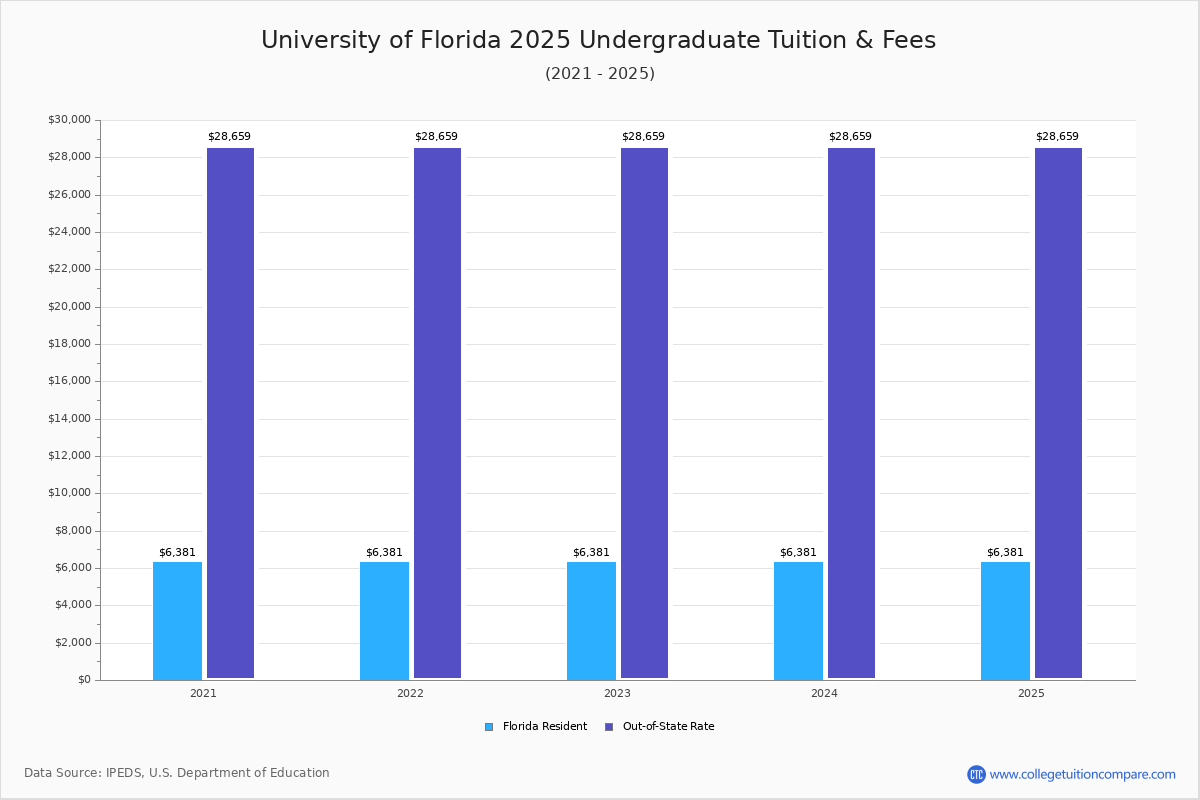
For the academic year 2023-2024 (as an example, rates are subject to change annually), undergraduate tuition and fees per year might hover around:
- In-state: Approximately $6,380
- Out-of-state: Approximately $28,666
These figures highlight the profound difference, which extends beyond academic enrollment and into the very fabric of a student’s daily life and financial freedom.
Beyond Tuition: Understanding Fees and Other Direct Costs
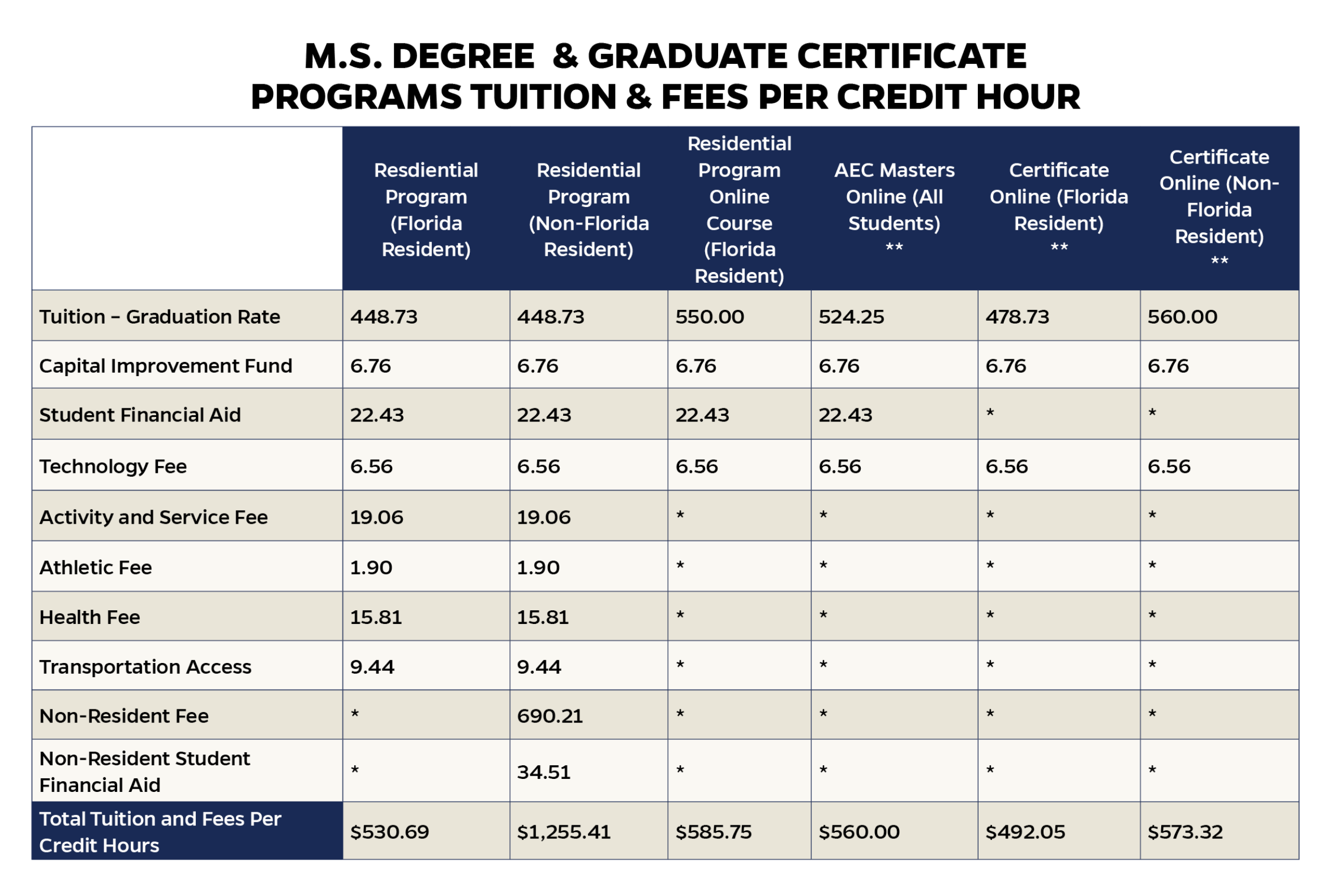
Beyond the base tuition, the University of Florida assesses various mandatory fees that contribute to the overall cost. These fees support a wide array of campus services and facilities, enhancing the student experience but also adding to the financial outlay. Examples include:
- Activity and Service Fees: Fund student government, student organizations, and campus events, enriching the social and cultural aspects of student life.
- Health Fees: Support campus health services, ensuring student well-being, which is a fundamental aspect of a productive lifestyle.
- Athletic Fees: Contribute to the university’s robust athletic programs, offering students access to games and events, adding to the vibrancy of campus life.
- Technology Fees: Support the university’s IT infrastructure, crucial for modern learning and communication.
- Capital Improvement Trust Fund Fees: Contribute to campus development and maintenance.
While individually these fees might seem minor, collectively they add several hundred to a few thousand dollars annually. For a student managing a budget, these direct costs reduce the funds available for discretionary spending, influencing decisions on everything from leisure activities to the possibility of spontaneous travel. They are an unavoidable part of the university lifestyle.
The Broader Lifestyle Budget: Living Expenses in Gainesville
Tuition and fees are only one part of the financial puzzle. The cost of living in Gainesville, Florida, significantly shapes a student’s overall lifestyle budget. These indirect costs, while variable, are often estimated by the university to provide a holistic view of attendance costs. They include housing, food, transportation, books, supplies, and personal expenses – all fundamental components of daily living.
Accommodation Choices and Their Impact
Where a student chooses to live in Gainesville has an immediate and substantial impact on their lifestyle budget:
- On-Campus Housing: Living in dormitories offers convenience, proximity to classes, and an immersive campus experience. This option often includes meal plans, simplifying daily budgeting. While seemingly higher upfront, the all-inclusive nature can prevent unexpected costs. The lifestyle here is often very communal, with less personal space but more immediate access to campus resources and social opportunities.
- Off-Campus Housing: Renting an apartment or house in Gainesville provides more independence and can sometimes be more economical, especially when sharing with roommates. However, this option introduces additional costs such as utilities (electricity, water, internet), groceries (if not on a meal plan), and potentially furniture. The lifestyle shifts to more self-sufficiency, requiring budgeting skills for rent, bills, and groceries. Rent prices in Gainesville vary widely based on proximity to campus and amenities, directly impacting how much remains for other lifestyle expenses.
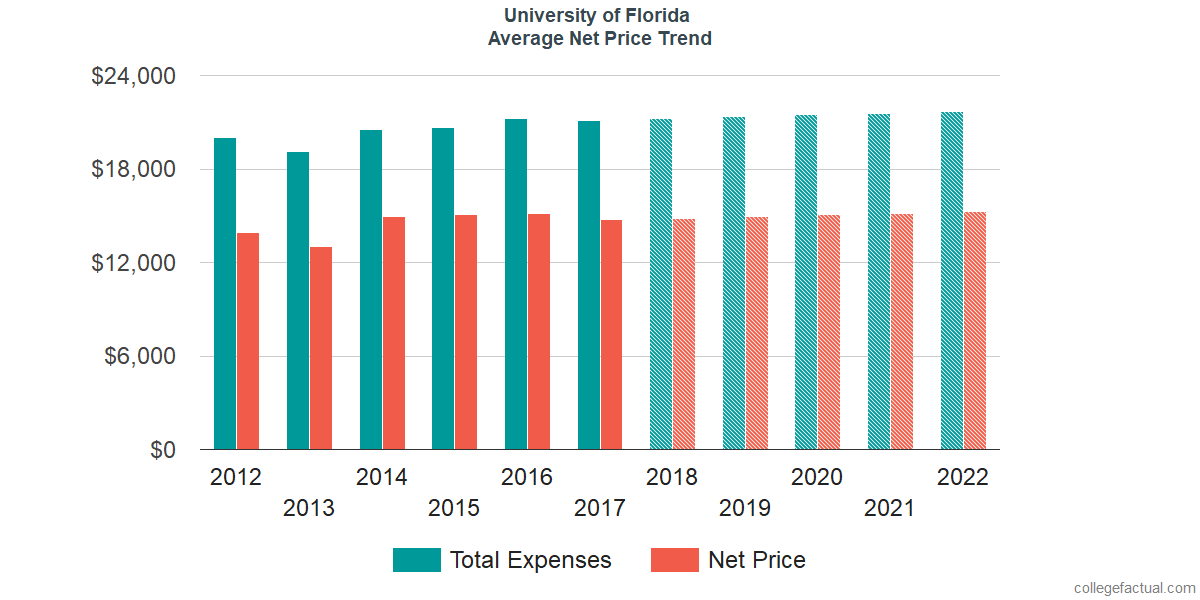
Estimated annual costs for housing and utilities for a University of Florida student can range from $7,000 to $12,000 depending on the choice.
Daily Living: Food, Transport, and Personal Spending
Beyond shelter, daily essentials and personal choices define a student’s lifestyle:
- Food: Whether relying on a university meal plan, cooking at home, or frequently dining out, food costs are a major component. A student aiming for a “luxury” lifestyle might frequent Gainesville’s restaurants and cafes, while a “budget” lifestyle would focus on meal prepping and grocery shopping.
- Transportation: While Gainesville offers public transport options, having a car involves costs for gas, insurance, and parking. This decision impacts not just daily commutes but also the ease of exploring the region or visiting nearby attractions, influencing leisure and travel lifestyle.
- Books and Supplies: Academic necessities, though often overlooked, can add hundreds of dollars per semester.
- Personal Expenses: This category is highly variable and reflects individual lifestyle choices – from entertainment and social activities to clothing, toiletries, and subscriptions. This is where the impact of tuition and living expenses truly surfaces; less money available for personal spending means a more constrained lifestyle, potentially limiting spontaneous weekend trips or purchasing desired items.
The University of Florida typically estimates an additional $4,000-$6,000 annually for books, supplies, transportation, and personal expenses, further illustrating the total financial commitment.
Funding Your University of Florida Lifestyle: Financial Aid and Scholarships
For many, the dream of a University of Florida education, and the lifestyle it enables, would be out of reach without financial assistance. Scholarships, grants, and loans play a critical role in bridging the gap between available funds and the total cost of attendance. These forms of aid directly impact a student’s ability to maintain a desired lifestyle, from affording comfortable housing to having the flexibility for travel or personal development.
Navigating Scholarships and Grants
Scholarships and grants are invaluable because they do not need to be repaid. They effectively reduce the net cost of tuition and living expenses, directly freeing up a student’s personal budget:
- Merit-Based Scholarships: Awarded for academic achievement, talent (e.g., athletics, arts), or specific skills. These can significantly offset tuition, allowing recipients to enjoy a more comfortable student lifestyle, potentially enabling more leisure activities or even saving for post-graduation travel.
- Need-Based Grants: Provided to students who demonstrate financial need. These grants are crucial for students from lower-income backgrounds, making a University of Florida education feasible and enabling them to participate more fully in the college experience without extreme financial stress.
- Specific Program or Departmental Scholarships: Tailored to students pursuing particular majors or involved in specific campus organizations.
Securing scholarships and grants is a proactive step towards cultivating a less financially burdened and more enjoyable student lifestyle. The University of Florida offers numerous institutional scholarships, and countless external organizations provide funding.
Loans and Their Long-Term Lifestyle Implications
While student loans help cover immediate educational costs, they come with significant long-term lifestyle implications. Federal and private loans must be repaid, often with interest, starting after graduation.
- Federal Loans: Generally offer more favorable terms, such as fixed interest rates and income-driven repayment plans.
- Private Loans: Issued by banks and private lenders, often with higher interest rates and fewer borrower protections.
The amount of student loan debt accumulated can profoundly influence post-graduation lifestyle choices. Graduates with substantial debt may find their options limited regarding career paths (prioritizing high-earning jobs over passion projects), housing decisions (renting instead of buying), and major life milestones like starting a family or saving for significant expenses, including travel. A high debt burden can delay the pursuit of a “luxury” lifestyle and necessitate a “budget” approach for years after leaving Gainesville. Understanding the tuition cost in the context of potential loan debt is vital for comprehensive lifestyle planning.
Making an Informed Lifestyle Investment: The Long-Term Value
The investment in a University of Florida education, including its tuition and associated costs, is ultimately an investment in one’s future lifestyle. While the immediate financial outlay can seem daunting, a degree from a prestigious institution like UF often translates into enhanced career opportunities, higher earning potential, and a broader network. This, in turn, can enable a desired quality of life, financial security, and the ability to pursue passions, including travel and other experiences that enrich one’s existence.
The value proposition of the University of Florida extends beyond the classroom. It provides a foundation for a lifestyle rich in intellectual growth, personal development, and future possibilities. By carefully considering the full cost of attendance and exploring all available funding options, prospective students can make an informed decision that aligns with both their academic aspirations and their long-term lifestyle goals. The tuition is not merely a fee; it’s a gateway to a future life.
LifeOutOfTheBox is a participant in the Amazon Services LLC Associates Program, an affiliate advertising program designed to provide a means for sites to earn advertising fees by advertising and linking to Amazon.com. Amazon, the Amazon logo, AmazonSupply, and the AmazonSupply logo are trademarks of Amazon.com, Inc. or its affiliates. As an Amazon Associate we earn affiliate commissions from qualifying purchases.