
The Interplay of Leadership and Destination Appeal
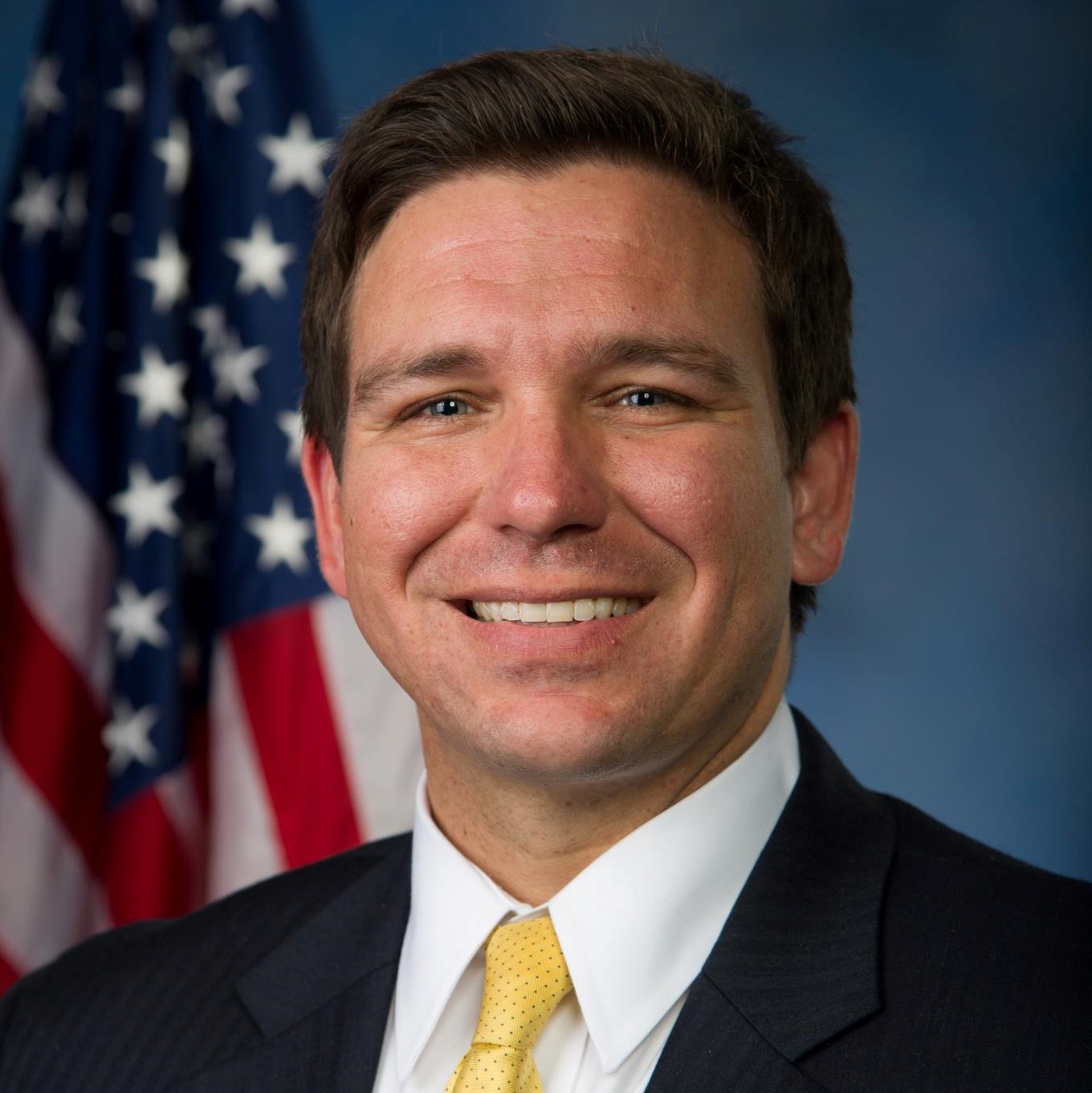
The perception of a state’s leadership and its resulting policies can subtly yet significantly influence its global appeal as a tourist destination. In Florida, a state renowned for its diverse attractions, from sun-drenched beaches to world-class theme parks, the leadership of Ron DeSantis has become a factor in how the Sunshine State is perceived on both national and international stages. This dynamic isn’t about political affiliation but rather about how governance shapes the narrative and operational environment for tourism, impacting everything from major investment decisions to the subtle cultural nuances experienced by visitors.
Shaping Florida’s Global Image
Florida’s image as a tourist destination is meticulously crafted through marketing, word-of-mouth, and, increasingly, through the broader sociopolitical landscape. State leadership plays a pivotal role in this image-making. Policies concerning public health, environmental conservation, infrastructure development, and cultural initiatives, often championed or opposed by the governor, contribute to the state’s brand identity. For instance, approaches to health safety during global crises can heavily sway travel decisions, affecting visitor numbers for destinations like Miami Beach or Orlando. A consistent stance on issues that resonate with potential travelers, such as freedom of travel or family-friendly environments, can either reinforce or challenge the existing perceptions of Florida. The way a state is portrayed in national and international media, often through the lens of its leadership’s actions, inevitably filters down to how potential tourists view it as a place to visit, influencing their willingness to book flights and accommodations.
Resonance with Diverse Visitor Segments
Florida caters to an incredibly diverse array of visitors: families heading to Walt Disney World Resort or Universal Orlando Resort, retirees seeking winter sun in Sarasota or Naples, spring breakers descending on Fort Lauderdale, and business travelers attending conventions in Tampa or Jacksonville. Each segment has different priorities and expectations when choosing a destination. The perceived popularity or political direction of a leader like Ron DeSantis can resonate differently with these groups. Some visitors might be drawn to a state that emphasizes certain values, while others might be deterred by policies they disagree with. For instance, a focus on deregulation or specific cultural policies could attract a segment of the population that aligns with those principles, potentially boosting niche tourism markets. Conversely, others might seek destinations perceived as more inclusive or aligned with different social priorities, prompting them to explore alternatives. Understanding this segmentation is crucial for the Florida tourism industry, as it navigates how state leadership influences its broad appeal.
Policy Landscape and Tourist Experience
State governance under Ron DeSantis has implemented various policies that, directly or indirectly, touch upon the tourism sector. From economic incentives for businesses to environmental regulations and public health mandates, these decisions create the operational framework within which tourist experiences unfold. The impact is not always immediately visible to the casual traveler but contributes to the overall atmosphere and quality of services available.
Impact on Key Tourism Sectors
Florida’s tourism industry is dominated by several key sectors. The theme park industry, centered in Orlando, is a massive draw, relying on consistent investment, infrastructure, and visitor confidence. State policies on business regulations, labor laws, and even international travel advisories can affect these operations. Similarly, coastal tourism, spanning from the Florida Keys to the Panhandle, is heavily influenced by environmental protection policies, disaster preparedness, and coastal development regulations. The state’s stance on conservation, for example, directly impacts the pristine quality of its beaches and natural parks, which are primary attractions for eco-tourists and leisure travelers alike. Economic policies, such as tax incentives or funding for marketing campaigns through Visit Florida, can also stimulate growth in these sectors or help them recover from downturns, ensuring that popular destinations remain competitive and appealing.
Cultural Nuances and Visitor Perception
Beyond the tangible aspects of policy, the cultural and social climate fostered by state leadership can deeply color the visitor’s experience. Florida boasts a rich tapestry of cultures, from its Cuban heritage in Miami to its historic St. Augustine roots. Policies and public discourse under Ron DeSantis can accentuate certain cultural elements or, conversely, create perceptions of an unwelcoming environment for specific groups. For instance, efforts to promote certain historical narratives or restrict others can shape the educational tourism landscape and how visitors engage with the state’s past. For tourists seeking authentic local experiences, the perceived openness and diversity of a destination can be a significant factor. A state leadership that is seen as divisive or controversial by some segments of the population might inadvertently influence how those segments perceive the overall “vibe” of their travel experience, impacting everything from restaurant choices to interaction with local communities.
The Economic Pulse of Tourism Under State Governance
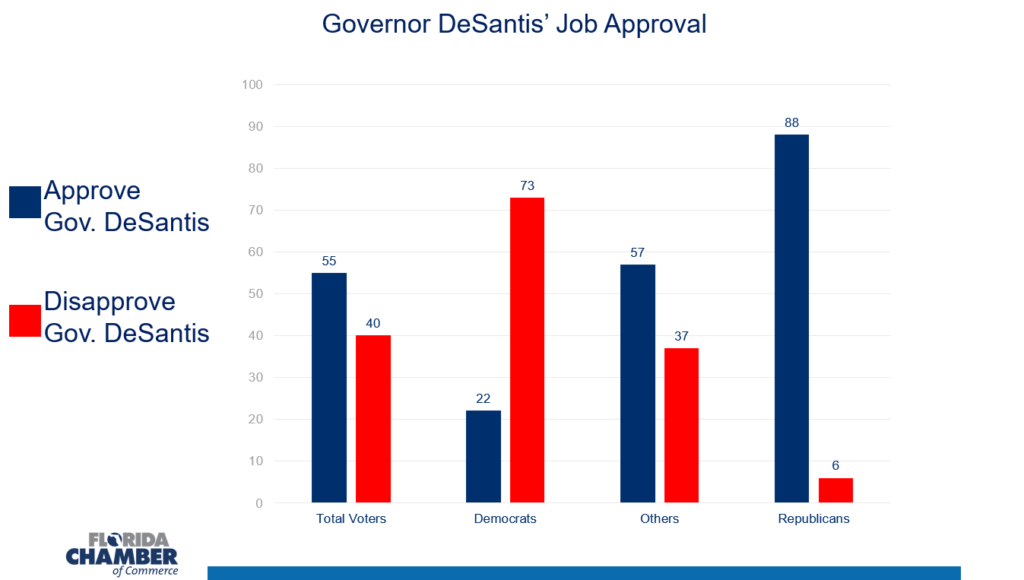
The health of Florida’s tourism industry is inextricably linked to its economic policies and investment strategies. A robust and supportive governmental framework is essential for attracting new developments, maintaining existing attractions, and ensuring that the state remains a top-tier destination. The popularity of a governor often reflects a broader confidence in the state’s economic direction, which can be a powerful signal to investors and businesses.
Investment and Infrastructure Development
Sustained tourism growth requires continuous investment in infrastructure, from airports and highways to public transportation and digital connectivity. State leadership under Ron DeSantis plays a crucial role in prioritizing and funding these projects. Decisions on budget allocations for road improvements, port expansions (like those in Port Canaveral or Port Everglades for cruise lines), or the development of new convention centers directly impact the ease and accessibility of travel within the state. A perceived stable and business-friendly environment, often associated with a popular governor, can also attract private sector investment in new hotels, resorts, and attractions, further enhancing Florida’s appeal. For instance, the expansion of the Brightline high-speed rail service, connecting major cities, represents a significant infrastructure improvement that benefits tourism.
Supporting Local Businesses and Attractions
The backbone of Florida’s tourism is not just its large theme parks but also its myriad small businesses: independent restaurants, boutique hotels, local tour operators, and artisan shops. State policies, whether through regulatory frameworks, small business support programs, or marketing initiatives like Visit Florida, are vital for the prosperity of these enterprises. A state government that is seen as supportive of local economies and fosters a vibrant entrepreneurial spirit can enhance the authenticity and diversity of offerings available to tourists. For example, policies that promote sustainable tourism or protect natural resources can help local eco-tourism businesses thrive. The perceived popularity of Ron DeSantis among the state’s business community can translate into optimism and willingness to invest, ultimately enriching the overall visitor experience with unique and diverse attractions beyond the major hubs.
Beyond Politics: Florida’s Enduring Allure
While the influence of state leadership is undeniable, it is also important to recognize that Florida’s intrinsic appeal transcends transient political dynamics. The state possesses a fundamental attractiveness rooted in its geography, climate, and cultural tapestry that ensures its enduring popularity as a global tourist destination.
Natural Wonders and Timeless Attractions
At its core, Florida offers an unparalleled array of natural wonders. The vast wetlands of the Everglades National Park, the pristine white sands of Siesta Key Beach, the vibrant coral reefs of the Florida Keys, and the tranquil springs teeming with manatees in places like Crystal River are timeless draws. These natural assets are impervious to political shifts, providing a constant backdrop for outdoor adventures, relaxation, and ecological exploration. Coupled with world-renowned attractions such as Kennedy Space Center Visitor Complex and the historic streets of St. Augustine, Florida offers a depth of experience that caters to virtually every interest, ensuring its place on the global tourism map regardless of the political climate. These foundational elements consistently attract millions, forming the bedrock of the state’s tourism economy.

Community Spirit and Hospitality
Ultimately, the visitor experience in Florida is shaped not just by policies or attractions, but by the warmth and hospitality of its communities. From the bustling arts scene in Wynwood to the quaint charm of small coastal towns, Floridians themselves play a crucial role in making visitors feel welcome. This community spirit and the genuine desire to share the best of Florida often outweigh external perceptions. Local festivals, farmers’ markets, and neighborhood eateries all contribute to a vibrant tapestry that guests encounter. While state leadership can set a tone, it is the people and communities on the ground who deliver the authentic experiences that truly define a destination. The enduring popularity of Florida as a place to visit stems from this resilient blend of natural beauty, world-class attractions, and the welcoming spirit of its residents, creating an appeal that continues to thrive.
LifeOutOfTheBox is a participant in the Amazon Services LLC Associates Program, an affiliate advertising program designed to provide a means for sites to earn advertising fees by advertising and linking to Amazon.com. Amazon, the Amazon logo, AmazonSupply, and the AmazonSupply logo are trademarks of Amazon.com, Inc. or its affiliates. As an Amazon Associate we earn affiliate commissions from qualifying purchases.