
Navigating the open roads of Florida in a larger vehicle, whether it’s a sizable recreational vehicle (RV) for an epic cross-country adventure, a tour bus for exploring scenic routes, or a school bus for group excursions, requires more than just a standard driver’s license. For many of these vehicles, a Class B Commercial Driver’s License (CDL) is essential. Obtaining this specific license opens up a world of travel possibilities, enabling you to confidently operate vehicles that might otherwise be out of reach. This comprehensive guide outlines the process for securing your Class B CDL in the Sunshine State, preparing you for new travel horizons.
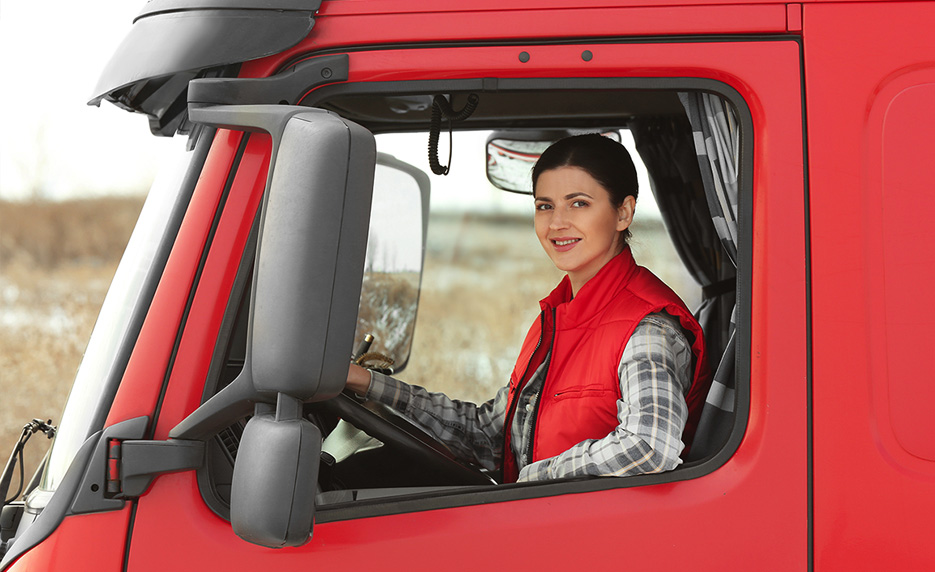
Understanding the Florida Class B CDL for Travel
A Class B CDL is crucial for operating a single vehicle with a Gross Vehicle Weight Rating (GVWR) of 26,001 pounds or more, or towing a vehicle with a GVWR not exceeding 10,000 pounds. While often associated with professional trucking, this license category is highly relevant for individuals pursuing certain travel and lifestyle choices, particularly those involving large recreational vehicles or passenger transport. Understanding its scope is the first step toward expanding your travel capabilities.
Common Vehicles Requiring a Class B CDL
Many dream of exploring Florida’s diverse landscapes, from the beaches of Miami to the theme parks of Orlando, in the comfort of a large RV. However, not all RVs require a CDL. Generally, if your RV (a single unit, not towing a heavy trailer) has a GVWR of 26,001 pounds or more, a Class B CDL is likely necessary. This also applies to many types of buses, including large motor coaches used for tours or even smaller transit buses. Knowing your vehicle’s specifications is paramount to determining your licensing needs. It’s about safety, compliance, and ensuring you have the skills to handle these substantial machines on the road.
Why a CDL Matters for Your Travel Adventures
For aspiring full-time RVers, group tour leaders, or anyone planning significant travel with a large vehicle, the Class B CDL isn’t just a legal formality; it’s a testament to your capability. The training and testing involved instill critical skills in vehicle handling, safety protocols, and regulations specific to larger vehicles. This enhanced proficiency not only keeps you compliant with Florida law but also significantly boosts your confidence and safety on long journeys. Imagine navigating the busy highways near Tampa or the serene routes of the Florida Keys in a large RV, knowing you possess the professional skills to do so responsibly.
Eligibility and Initial Requirements for Florida CDL Applicants
Before embarking on the testing process, prospective Class B CDL holders in Florida must meet several fundamental eligibility criteria. These requirements ensure that all applicants possess a basic level of responsibility, health, and driving history necessary for operating commercial vehicles.
Age and Residency
To apply for a CDL in Florida, you must be at least 18 years old. However, to operate a commercial motor vehicle across state lines (interstate travel) or to transport placarded hazardous materials, you must be at least 21 years old. This age distinction is particularly relevant for those planning extensive travel beyond Florida’s borders. Additionally, you must be a resident of Florida and possess a valid, non-commercial Florida driver’s license.
Medical Certification
Operating a commercial vehicle demands a high level of physical and mental fitness. All CDL applicants are required to undergo a Department of Transportation (DOT) physical examination by a certified medical examiner listed on the Federal Motor Carrier Safety Administration (FMCSA) National Registry. This examination assesses various health factors, including vision, hearing, blood pressure, and general physical condition, to ensure you are medically fit to drive safely. Upon passing, you’ll receive a Medical Examiner’s Certificate, which must be submitted to the Florida Department of Highway Safety and Motor Vehicles (DHSMV).
Driving Record
Your driving history plays a significant role in your eligibility. The Florida DHSMV will review your driving record for disqualifying offenses, such as serious traffic violations, drug or alcohol-related offenses, or multiple minor infractions. A clean driving record is paramount, as these vehicles carry greater responsibility and potential risks. Any disqualifying events can lead to delays or outright denial of your CDL application.
The Application Process: Step-by-Step
Obtaining your Class B CDL is a multi-stage process involving knowledge acquisition, practical training, and rigorous testing. Each step is designed to ensure you are fully prepared for the responsibilities of driving a commercial vehicle.
Obtaining Your Commercial Learner’s Permit (CLP)
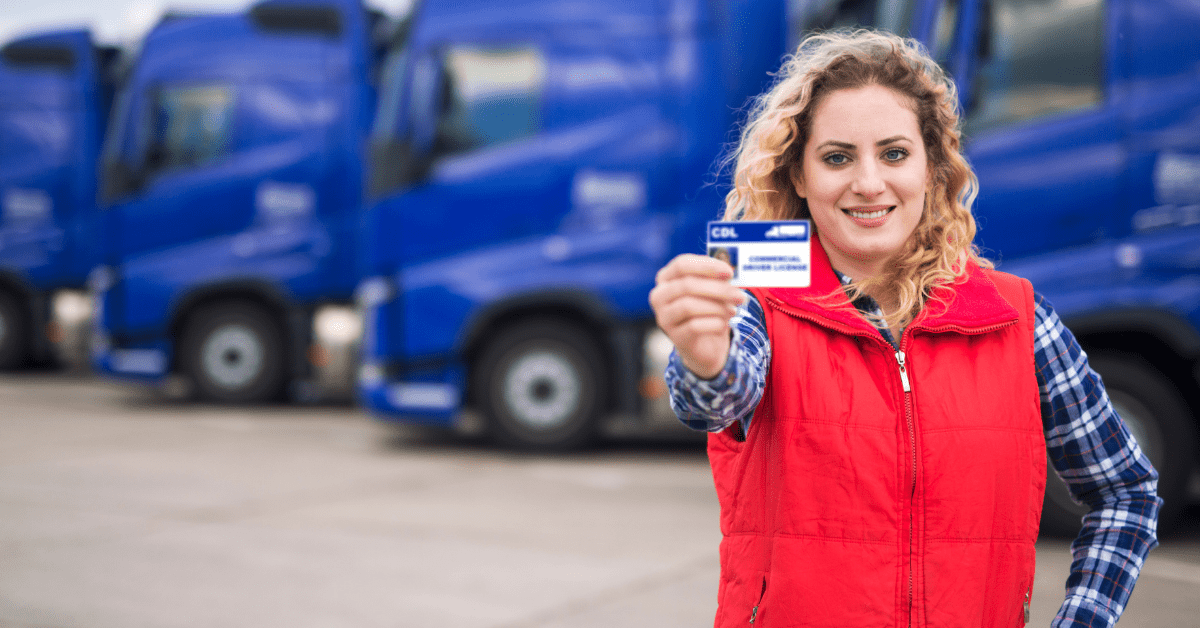
The journey begins with securing a Commercial Learner’s Permit (CLP). To do this, you must pass a series of general knowledge written tests at a Florida DHSMV service center. These tests cover topics such as general knowledge, air brakes (if applicable to the vehicle you intend to drive), and passenger transport (if you plan on getting a passenger endorsement). It’s highly recommended to study the Florida Commercial Driver Handbook thoroughly. With a CLP, you can practice driving a commercial vehicle on public roads, but only with a fully licensed CDL holder present in the vehicle.
Entry-Level Driver Training (ELDT) Requirement
A significant change in federal regulations requires all first-time CDL applicants, or those upgrading their CDL, to complete Entry-Level Driver Training (ELDT) from a provider listed on the FMCSA Training Provider Registry. This comprehensive training covers theoretical knowledge and behind-the-wheel instruction, ensuring you meet federal standards for safety and proficiency. The ELDT mandate is critical for preparing you for the practical skills test and is a non-negotiable step in the application process. Look for accredited schools in cities like Jacksonville, Orlando, or Miami that offer Class B ELDT programs.
Scheduling Your Skills Test
Once you’ve held your CLP for at least 14 days and completed your ELDT, you can schedule your CDL skills test. This test must be conducted by a certified third-party tester or at specific DHSMV locations. It’s crucial to schedule this well in advance, as slots can fill up quickly, especially in popular testing areas. Ensure you bring the correct vehicle for the Class B test (e.g., a bus or a large single-unit RV with air brakes if that’s your goal), as well as all required documentation, including your CLP, medical certificate, and proof of ELDT completion.
The Road Test Components
The Class B CDL skills test consists of three main parts:
- Vehicle Inspection Test: You must demonstrate your knowledge of the vehicle’s components and perform a thorough pre-trip inspection, identifying any defects. This is a critical safety assessment.
- Basic Controls Skills Test: This portion evaluates your ability to maneuver the vehicle in a controlled environment, including backing up, turning, and parking exercises.
- Road Test: The final stage involves driving the commercial vehicle on public roads with an examiner. You’ll be assessed on your ability to handle various traffic situations, observe speed limits, merge, turn, and respond to common road hazards, all while demonstrating safe driving practices.
Passing all three components is required to obtain your Class B CDL.
Endorsements and Restrictions: Tailoring Your CDL
Beyond the basic Class B CDL, certain endorsements may be necessary depending on your specific travel plans or commercial aspirations. Likewise, restrictions can be placed on your license based on the type of vehicle used for testing.
Passenger Endorsement (P)
If your travel adventures involve transporting groups of people, such as operating a tour bus for sightseeing in St. Augustine or a shuttle for a resort, you’ll need a “P” (Passenger) endorsement. This requires an additional knowledge test and may involve specific training during your ELDT. During your skills test, you would need to perform the road test in a passenger vehicle.
School Bus Endorsement (S)
For those considering driving a school bus, perhaps for local community trips or specialized student travel programs, an “S” (School Bus) endorsement is required in addition to the “P” endorsement. This involves further knowledge tests and a background check, given the sensitive nature of transporting schoolchildren.
Air Brake Restriction Removal
Many large RVs and commercial buses are equipped with air brakes. If you take your skills test in a vehicle without air brakes, your CDL will come with an “L” restriction, meaning you cannot operate vehicles with air brakes. To remove this restriction, you must pass the air brake knowledge test and perform your skills test in a vehicle equipped with air brakes. It’s highly recommended to test with an air brake vehicle if you anticipate driving one, as most larger commercial vehicles utilize this system.
Maintaining Your Class B CDL in Florida
Your Class B CDL is not a one-time achievement. To keep your commercial driving privileges active, certain maintenance steps are required by the Florida DHSMV.
Renewal Process
CDLs in Florida typically expire every eight years. The renewal process usually involves updating your personal information, potentially retaking vision and knowledge tests, and ensuring all fees are paid. Staying organized with your documentation will make this process seamless.
Medical Card Updates
Your DOT Medical Examiner’s Certificate typically needs to be renewed every two years, or more frequently if a medical condition requires closer monitoring. It is imperative to keep your medical certification current and uploaded to the Florida DHSMV records. Failure to maintain a valid medical certificate will result in the suspension or downgrading of your CDL, preventing you from legally operating commercial vehicles for your travel or business needs.
Obtaining a Class B CDL in Florida is a commitment to safety and professionalism, but it’s a rewarding one for those seeking to expand their travel horizons. By understanding and diligently following these steps, you’ll soon be ready to command larger vehicles, unlocking new adventures across the beautiful landscapes of the Sunshine State and beyond.
LifeOutOfTheBox is a participant in the Amazon Services LLC Associates Program, an affiliate advertising program designed to provide a means for sites to earn advertising fees by advertising and linking to Amazon.com. Amazon, the Amazon logo, AmazonSupply, and the AmazonSupply logo are trademarks of Amazon.com, Inc. or its affiliates. As an Amazon Associate we earn affiliate commissions from qualifying purchases.