
Colorado, often lauded as one of the most picturesque and vibrant states in the United States, is more than just a destination for majestic mountains and outdoor adventures. Its dynamic population is a cornerstone of its unique appeal, shaping everything from its bustling urban centers to its tranquil wilderness areas, and profoundly influencing its thriving tourism and hospitality sectors. Understanding the population of Colorado isn’t just about statistics; it’s about grasping the very essence of a state that continually draws new residents and millions of visitors each year. This exploration delves into the demographic tapestry of Colorado, revealing how its people contribute to the state’s allure as a top choice for travel, accommodation, and an enviable lifestyle.
Understanding Colorado’s Demographic Landscape
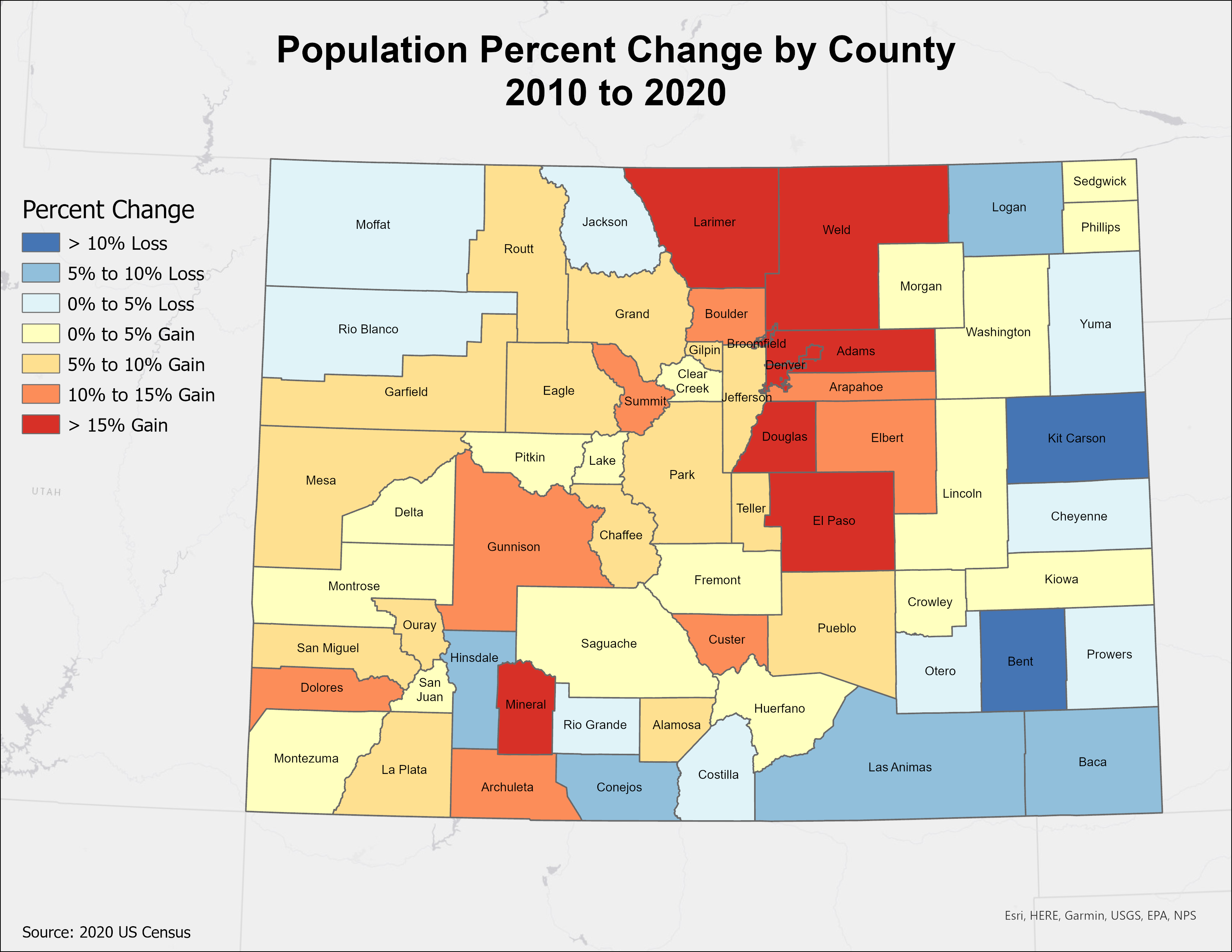
The population of Colorado is a testament to its compelling blend of economic opportunity, natural beauty, and a high quality of life. The state has consistently ranked among the fastest-growing in the nation, driven by a powerful magnet for individuals and families seeking a balance between a thriving career and an active, outdoor-oriented lifestyle. This growth has not only expanded its cities but has also diversified its cultural landscape, creating a rich environment for both residents and travelers.
Population Growth and Trends
Over recent decades, Colorado’s population has surged, nearing six million residents. This growth is fueled by a robust economy, particularly in sectors like technology, aerospace, healthcare, and renewable energy. The allure of the Rocky Mountains and the state’s commitment to outdoor recreation — from skiing and snowboarding in the winter to hiking, biking, and rafting in the summer — plays a significant role in attracting new residents. This influx has transformed Colorado into a melting pot of cultures and perspectives, fostering innovation and a vibrant social scene.
The demographic shifts have led to increased demand across various sectors, especially in real estate and hospitality. New residents require accommodation, driving the construction of new hotels, apartments, and residential communities. This expansion, in turn, supports the travel industry by providing a larger local base of travelers and a more extensive infrastructure to serve incoming tourists. The evolving population also influences the types of travel experiences sought, from luxury resorts catering to discerning visitors to budget-friendly options for adventure seekers, and family-friendly accommodations for those traveling with children.
Key Urban Centers and Their Population Impact
While Colorado’s natural wonders are undeniable draws, its urban centers are the beating hearts of its population. Each city offers a distinct flavor, shaped by its residents and history, contributing uniquely to the state’s overall appeal for tourism and lifestyle.
Denver: The Mile High City
As the state capital and largest city, Denver’s population is the engine of Colorado’s growth. Its diverse demographic creates a dynamic urban environment known for its burgeoning food scene, craft breweries, arts and culture districts like LoDo and the RiNo Art District, and proximity to mountain adventures. The city’s population supports a vast array of accommodations, from luxury hotels like the Four Seasons Hotel Denver and Ritz-Carlton, Denver to boutique hotels and extensive apartment and villa rentals, catering to both short-term visitors and those seeking long-term stays. Landmarks such as Union Station and the Denver Art Museum thrive on this vibrant urban population.
Boulder: A Hub of Innovation and Outdoors
Home to the University of Colorado Boulder, Boulder’s population is characterized by its youth, active lifestyles, and strong environmental consciousness. This translates into a robust tourism sector focused on outdoor activities, healthy living, and farm-to-table dining. Visitors to Boulder can explore the pedestrian-friendly Pearl Street Mall or hike the iconic Flatirons, finding unique accommodations ranging from eco-friendly hotels to charming guesthouses that reflect the city’s ethos.
Colorado Springs: Gateway to the Rockies
Located at the foot of Pikes Peak, Colorado Springs boasts a significant population with a strong military presence. This creates a distinct cultural blend and a steady demand for family-friendly attractions like Garden of the Gods and the Cheyenne Mountain Zoo. The city offers diverse accommodation options, from historic resorts like The Broadmoor to modern hotels, catering to both leisure and business travelers. The rich history of Old Colorado City also contributes to its unique appeal.

Mountain Towns: Aspen, Vail, Breckenridge, and Telluride
These iconic resort towns, while smaller in permanent population, host immense transient populations of tourists, particularly during peak ski season and summer months. Their local populations are intricately linked to the tourism industry, supporting the luxury hotels, exquisite dining, and world-class amenities that attract visitors globally. These towns embody the “luxury travel” and “experiences” aspects of Colorado’s lifestyle, with establishments like the St. Regis Aspen Resort and The Arrabelle at Vail Square defining high-end accommodation.
Fort Collins & Grand Junction: Diverse Regional Hubs
Fort Collins, known for its vibrant craft beer scene and Colorado State University, draws a youthful and energetic population. Grand Junction, on the Western Slope, offers a different demographic, known for its vineyards and proximity to the Colorado National Monument. Both cities highlight how Colorado’s population diversity extends beyond the Front Range, supporting regional tourism and distinct local cultures.
The Population’s Influence on Colorado’s Travel & Tourism Sector
The composition and growth of Colorado’s population are intrinsically linked to the evolution and character of its travel and tourism industry. From the types of destinations developed to the array of accommodations available, every facet is touched by who lives in and visits the state.
Destinations, Attractions, and Local Culture
The varied population across Colorado cultivates a rich tapestry of local cultures, directly enhancing the travel experience. For instance, the active, health-conscious populace near the Continental Divide ensures a strong infrastructure for hiking, biking, and skiing, making national treasures like Rocky Mountain National Park highly accessible and well-maintained. Similarly, the diverse communities in Denver foster an eclectic arts scene, with countless galleries, theaters, and music venues like Red Rocks Amphitheatre offering experiences beyond the natural landscapes.
Tourism in Colorado isn’t just about iconic landmarks such as Pikes Peak or Mesa Verde National Park; it’s also about immersing oneself in the local culture. The residents of Colorado contribute to unique food festivals, craft beer trails, farmers’ markets, and local artisan shops, offering authentic experiences that go beyond typical tourist traps. Engaging with these local traditions provides a deeper understanding of what makes Colorado special, enriching every visit. From the historic charm of Georgetown to the mining heritage of Silverton and Durango, each community offers a glimpse into Colorado’s past and present.
Accommodation Trends and Choices
The dynamic population and steady stream of visitors dictate the breadth and depth of accommodation options in Colorado. Growth in specific areas leads to increased investment in hotels, resorts, and alternative lodging. For example, as business and leisure travel to Denver and Boulder expanded, major hotel brands like Hilton and Marriott developed a strong presence, offering everything from extended-stay suites to luxury resorts.
The rise of the “digital nomad” and the increasing popularity of longer stays have also influenced the market, leading to a boom in apartment and villa rentals through platforms like Airbnb and VRBO. These options cater to different lifestyles and budget preferences, providing travelers with the flexibility of a home-away-from-home experience. For those seeking long-term stays, particularly in cities like Fort Collins or Colorado Springs, furnished apartments and serviced residences have become increasingly common, reflecting the needs of a mobile workforce and visitors seeking extended immersive experiences. Whether it’s a cozy cabin in Estes Park near Rocky Mountain National Park or a high-rise suite in Downtown Denver, the state’s accommodation landscape is as varied as its population.
Lifestyle and Experiences
Colorado’s population is largely defined by an active and adventurous lifestyle, and this ethos permeates the tourism sector. Visitors come to experience the outdoor pursuits cherished by locals, whether it’s world-class skiing in Keystone or Winter Park, mountain biking in Crested Butte, or fly-fishing in the Arkansas River. This shared passion creates a unique bond between residents and tourists, fostering an environment where authentic local experiences are readily available.
Beyond adrenaline-pumping activities, the lifestyle extends to wellness retreats, farm-to-table culinary experiences, and vibrant arts communities. The resident population’s appreciation for sustainability and local produce has spurred a thriving food scene, making culinary exploration a key part of the Colorado travel experience. Whether you’re interested in luxury travel with gourmet dining and spa treatments in Beaver Creek, or a budget-friendly family trip focused on camping in Great Sand Dunes National Park, the state caters to a spectrum of lifestyles. Business stays are also well-supported, with state-of-the-art conference facilities and convenient access to Denver International Airport.
Planning Your Colorado Adventure: Insights from Population Dynamics
Understanding Colorado’s population dynamics can significantly enhance your travel planning, allowing you to either embrace the bustling energy of its popular spots or discover serene, less-traveled gems.
Navigating Popular Areas
The concentration of Colorado’s population in the Front Range means that cities like Denver, Boulder, and Colorado Springs can experience peak crowds, especially during holidays or major events. To navigate this, consider booking accommodations and popular attractions well in advance. For example, a visit to Rocky Mountain National Park during summer might require timed entry reservations, a system implemented to manage visitor flow. Similarly, securing ski resort lodging in Vail or Aspen months ahead is crucial for winter trips.
Understanding the local population’s routines can also offer advantages. Dining out during off-peak hours can lead to a more relaxed experience, and exploring popular urban areas like Larimer Square or Cherry Creek early in the morning can offer a peaceful start before the crowds arrive. For travelers looking to immerse themselves in city life, selecting hotels or apartments within walking distance of key attractions can enhance the experience, allowing for seamless exploration of local culture, food, and activities.

Discovering Hidden Gems
Beyond the well-trodden paths, Colorado’s less densely populated regions offer incredible opportunities for unique and authentic experiences. These areas, often characterized by smaller towns and expansive natural landscapes, allow for a deeper connection with the state’s rugged beauty and local charm.
Consider exploring the Western Slope, where communities like Paonia and Hotchkiss offer a glimpse into agricultural life, vineyards, and access to pristine wilderness areas such as the West Elk Wilderness. Black Canyon of the Gunnison National Park, though a national park, sees fewer visitors than its counterparts and offers breathtaking, dramatic scenery. The San Juan Mountains in southwestern Colorado, with towns like Durango and Telluride, provide historic charm, stunning drives along the Million Dollar Highway, and unparalleled outdoor activities, often with a more laid-back atmosphere compared to the popular Front Range destinations.
For those seeking a quiet escape, places like Idaho Springs or Golden, just a short drive from Denver, offer a blend of history and outdoor recreation without the overwhelming crowds. These hidden gems often feature quaint guesthouses, local eateries, and unique cultural experiences, providing a different perspective on the Colorado lifestyle and a perfect backdrop for budget travel or a tranquil family trip away from the main tourist hubs.
In essence, whether you prefer the vibrant energy of a growing metropolis or the serene solitude of a mountain retreat, Colorado’s diverse population ensures that there’s an experience tailored to every traveler. By considering the demographic landscape, visitors can better plan their journey, optimize their accommodation choices, and immerse themselves more deeply in the authentic spirit of the Centennial State.
Conclusion
The question “What Is Colorado Population?” unveils far more than a simple numerical answer. It reveals a dynamic, growing state whose people are its most valuable asset, shaping its culture, economy, and its enduring appeal as a premier travel destination. From the bustling streets of Denver to the tranquil slopes of its world-class ski resorts, the residents of Colorado infuse the state with a spirit of adventure, innovation, and hospitality. This vibrant population directly influences the diverse range of accommodation options, from luxury resorts and charming boutique hotels to long-term apartment rentals, catering to every travel lifestyle. For anyone planning a visit, understanding the demographic landscape offers invaluable insights into discovering the best destinations, experiencing authentic local culture, and truly embracing the unique lifestyle that defines the Centennial State. Colorado’s population is not just a statistic; it’s the living, breathing heart of a destination that continues to captivate and inspire.
LifeOutOfTheBox is a participant in the Amazon Services LLC Associates Program, an affiliate advertising program designed to provide a means for sites to earn advertising fees by advertising and linking to Amazon.com. Amazon, the Amazon logo, AmazonSupply, and the AmazonSupply logo are trademarks of Amazon.com, Inc. or its affiliates. As an Amazon Associate we earn affiliate commissions from qualifying purchases.